
For most wood patio decks, a 100% acrylic latex solid-color deck stain or a dedicated porch and patio floor paint is the best choice. It bonds well to wood, handles UV and moisture, resists peeling better than standard exterior paint, and comes in enough colors to satisfy anyone. For composite or previously coated surfaces, a deck resurfacer or thick-film deck coating gives you better adhesion and hides old wear. The 'best' product comes down to three things: what your deck is made of, what climate you live in, and whether the surface is clean and sound enough for paint to actually stick.
Best Patio Deck Paint: How to Choose and Apply It

Elise Prescott
31 May 2026
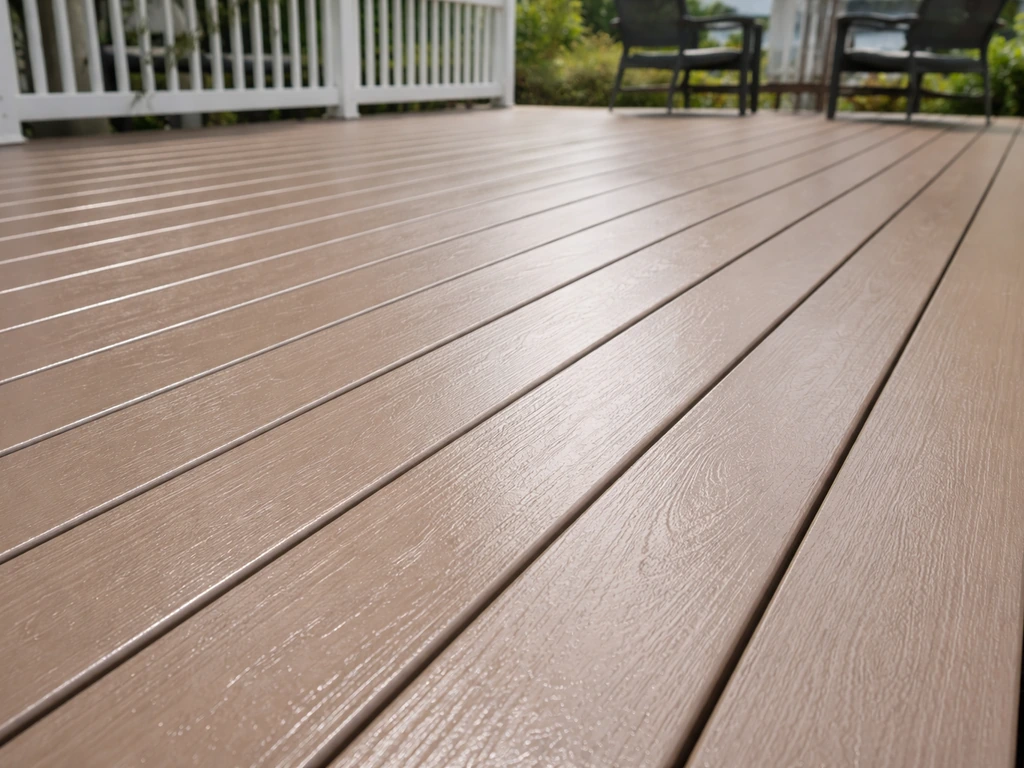
What 'best patio deck paint' really depends on
Before you buy anything, you need to answer a few quick questions about your specific deck. The product that works beautifully on a freshly sanded cedar deck in Phoenix will fail fast on a peeling composite deck in Seattle. Getting this wrong is the single most common reason homeowners end up redoing their deck two summers later.
- Deck material: raw or previously stained wood, composite, concrete, or previously painted surface each need different products and prep.
- Existing coating condition: if paint or stain is peeling, flaking, or chalking, no new coating will save you without proper prep first.
- Climate zone: hot sun and UV exposure, freeze/thaw cycles, coastal humidity, and heavy rain all change which formula holds up.
- Foot traffic level: a quiet reading deck needs less durability than a high-traffic entertaining space with furniture being dragged around.
- Desired look: solid color covers grain and defects; semi-transparent stain shows wood character; clear sealers protect without much color.
Once you know those answers, the product choice gets a lot easier. Most DIYers overthink the brand and underthink the surface condition. A mid-range product on a perfectly prepped deck will outlast a premium coating slapped over a dirty, damp, or peeling one every single time.
Choosing the right coating type: paint vs stain vs deck coating
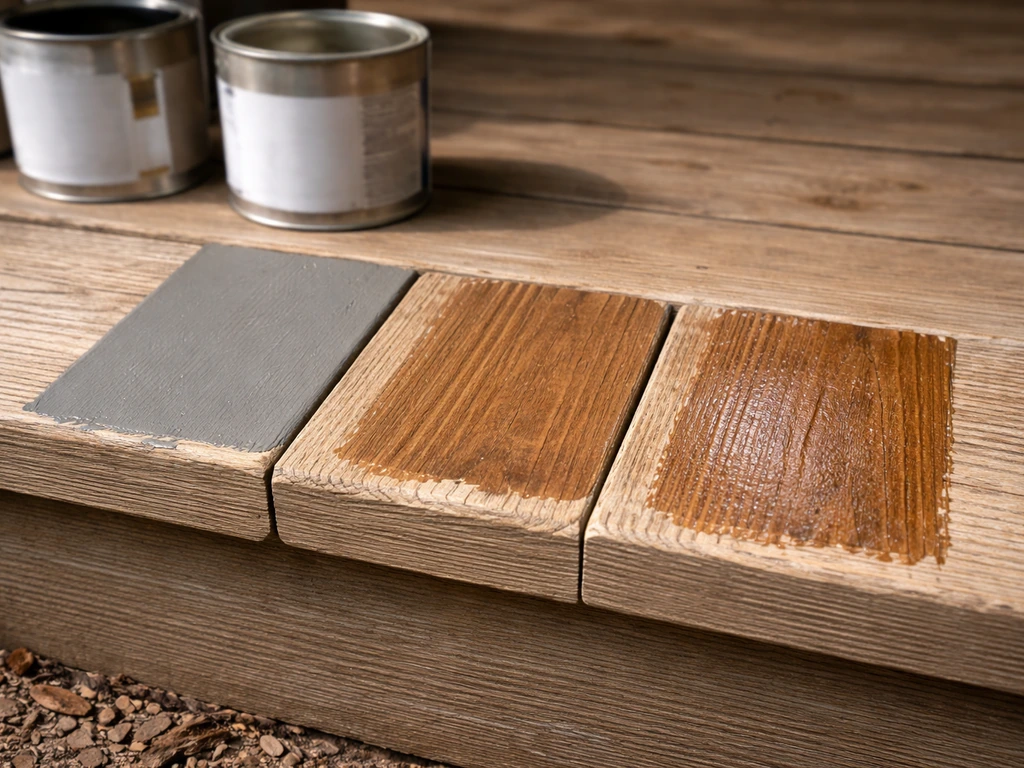
These three categories are genuinely different products, and mixing them up is a real source of confusion. Here is how they actually differ and when each makes the most sense.
Deck paint (porch and patio floor paint)
Products like KILZ Porch and Patio Floor Paint are 100% acrylic latex formulas made specifically for horizontal surfaces that take foot traffic, UV, and weather. They form a film on top of the wood and hide grain and color variation completely. They are the right call when you want a clean, uniform look, when the wood has blemishes you want to cover, or when you are painting over a previously painted surface. On raw wood, they require priming first. KILZ specifically calls out using KILZ Premium Primer on new wood before applying the floor paint.
Solid-color deck stain or waterproofing stain and sealer
Products like BEHR PREMIUM Solid Color Waterproofing Stain and Sealer bridge the gap between paint and traditional stain. They penetrate or bond to wood while forming a protective film, typically with built-in waterproofing and mildew resistance. They offer a paint-like solid color but with slightly more flexibility than a rigid paint film, which helps them resist cracking on wood that expands and contracts. These are among the most popular choices for wood decks today and they are worth the slight cost premium over basic exterior paint.
Deck resurfacers and thick-film coatings
If your deck boards are weathered, cracked, or you have an old coating that is too embedded to strip completely, a deck resurfacer (sometimes called a deck restore or deck coating) is the smarter option. These are thick, high-solids products that fill minor cracks and rough texture. They are not a substitute for structural repairs but they hide cosmetic wear that stain and paint cannot. The tradeoff is cost and difficulty of future removal if you ever want to switch products.
| Product Type | Best For | Covers Grain? | Requires Primer? | Typical Recoat Interval |
|---|---|---|---|---|
| Porch and Patio Floor Paint | Previously painted surfaces, uniform look | Yes, fully | Yes on raw wood | 3 to 5 years |
| Solid-Color Deck Stain/Sealer | Raw or lightly weathered wood | Yes, fully | Usually not required | 3 to 5 years |
| Semi-Transparent Stain | New or good-condition wood, natural look | No, shows grain | No | 2 to 3 years |
| Deck Resurfacer/Coating | Weathered, cracked, or old-coated decks | Yes, fully | Depends on product | 5 to 7 years |
One thing worth noting: if you are also looking at paint options for a covered porch or a more decorative patio surface rather than a wood deck, the overlap with porch and patio paint products is real. The distinction between patio and deck applications mostly comes down to whether you are painting horizontal wood decking boards or a concrete/masonry surface.
Surface prep and priming: this is where jobs succeed or fail
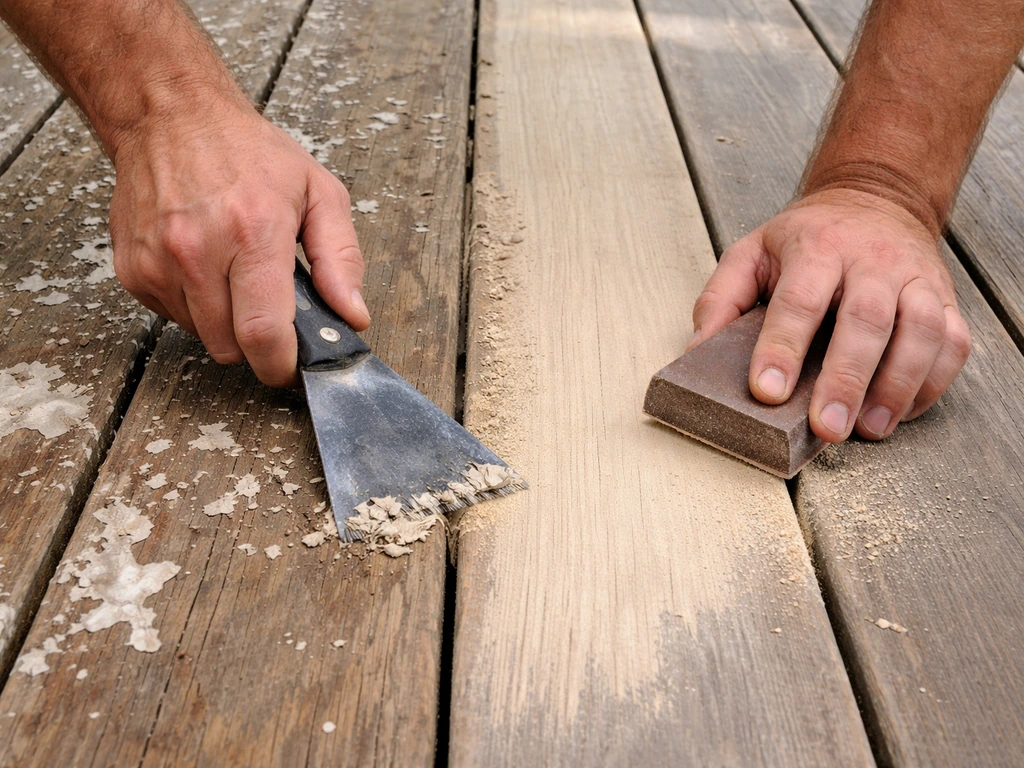
The USDA Forest Products Lab put it plainly decades ago and it is still true: painting success is essentially impossible on an improperly prepared surface. No product on the market overcomes bad prep. This step takes more time than the actual painting and that is exactly how it should be.
Cleaning
Start by clearing the deck completely and sweeping off loose debris. Then wash. Pressure washing is effective for removing dirt, mildew, and loose fibers, but it does raise the wood grain. Let the deck dry completely after pressure washing (at least 48 hours in warm weather, longer in cool or humid conditions) and then lightly sand to smooth the raised fibers before coating.
If you see mildew, treat it before washing: a solution of one part liquid bleach to three parts water kills mildew effectively. Specialized deck wash products (like [Sherwin-Williams SuperDeck Deck Wash](https://www. sherwin-williams. com/homeowners/products/superdeck-deck-wash?
itemCatentryId=14141)) handle mold, mildew, and algae stains and give you a cleaner starting surface than plain water alone. Whatever you use, the surface must be clean, dry, and free of mildew before any coating goes on.
Scraping, sanding, and repairs
Scrape off any peeling or flaking paint completely. Do not paint over loose material hoping it holds. Sand rough spots, feather the edges of any old coating that is still firmly adhered, and fill cracked or split boards with an exterior wood filler rated for horizontal surfaces. Replace any boards that are rotted or structurally compromised. No amount of thick coating fixes a soft, punky board.
Priming
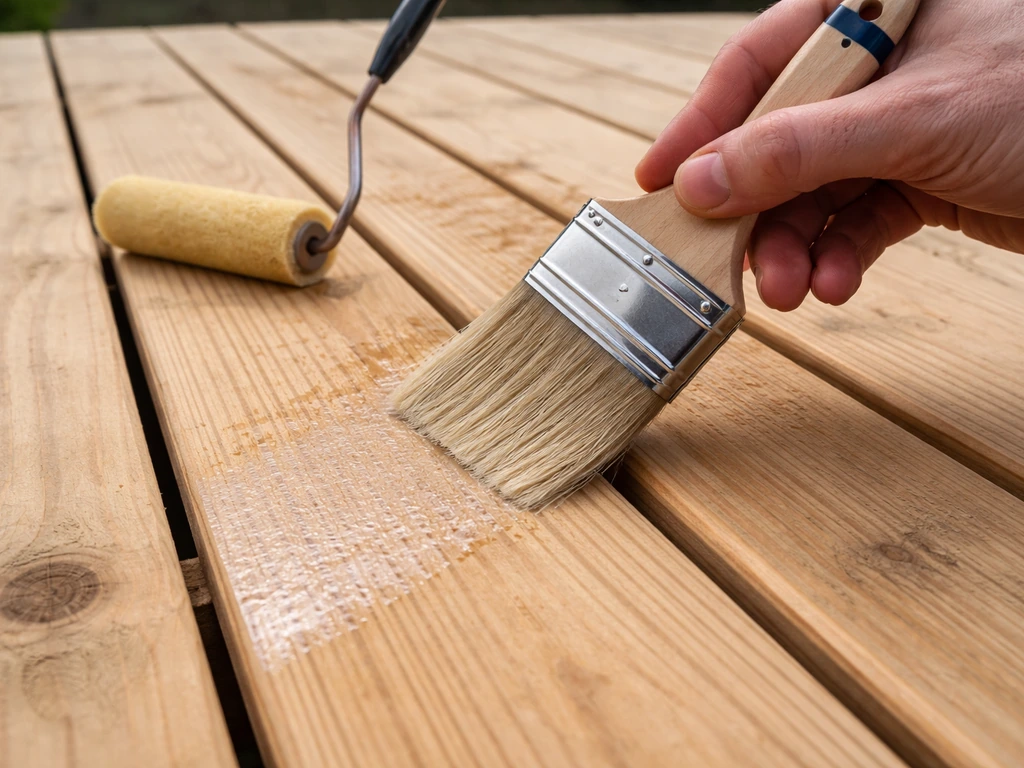
If you are using a porch and patio floor paint like KILZ on raw or bare wood, prime first. KILZ specifically recommends their Premium Primer for new wood applications. If you are using a solid-color waterproofing stain or deck stain product, check the label: many of these are self-priming on properly prepared wood. Priming is also necessary if you have bare spots where old paint was removed. blank" rel="noopener noreferrer">Scuff-sand any glossy surfaces before priming or recoating to give the new product something to grip.
Selecting for weather and traffic: UV, moisture, and freeze/thaw
Climate matters more for deck coatings than for almost any other paint project around the house. A product that is ideal for a dry Arizona climate can fail quickly in coastal Maine or the Gulf South. Here is how to think about it by region.
Hot, sunny climates (Southwest, Texas, Southern California)
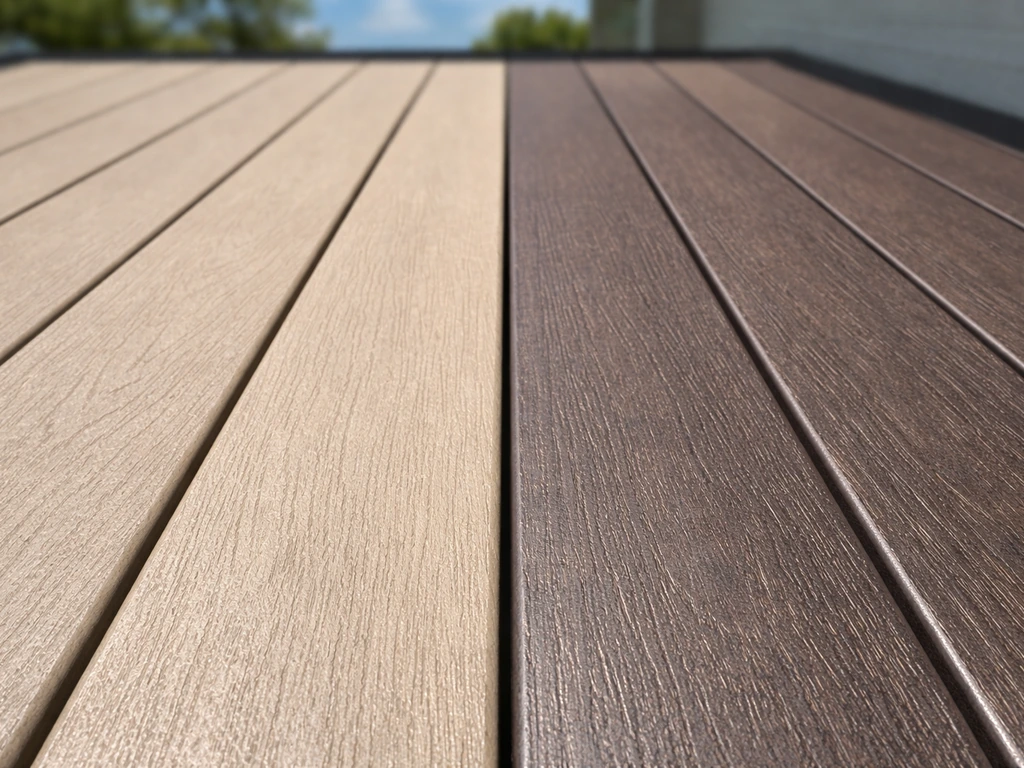
UV degradation is the main enemy here. Look for products that specifically call out UV resistance or UV-blocking pigments. Lighter colors reflect heat and reduce thermal expansion and contraction stress on the coating. 100% acrylic latex formulas hold up better in UV than oil-based products, which tend to chalk and crack under intense sun. If the deck surface gets hot enough to be uncomfortable barefoot, a lighter color is both a practical and a comfort choice.
Freeze/thaw climates (Midwest, Mountain West, Northeast)
Water that gets under a coating and then freezes will destroy it fast. This means your prep and waterproofing have to be airtight. Look for products with strong waterproofing claims and full solid coverage. Application timing is also critical: BEHR's solid color waterproofing stain specifies application between 35 and 90 degrees Fahrenheit and the temperature must stay above 35 degrees for the curing period. Applying in late fall when temperatures drop at night is a mistake that leads to coating failure before the first freeze even hits.
Humid, rainy, and coastal climates (Pacific Northwest, Gulf Coast, Southeast)
Mildew resistance is non-negotiable here. Look for coatings that explicitly list mildewcide in their formula. Moisture-vapor transmission is also important: a coating that traps moisture underneath will blister and peel. In coastal areas, salt air accelerates degradation, so go with a premium exterior formula and plan on recoating on the shorter end of the recommended interval.
High foot traffic and slip safety
If your deck is a main outdoor living space that sees a lot of traffic, especially when wet, add a slip-resistant additive to your topcoat. Rust-Oleum makes an aluminum oxide-based Anti-Skid Additive that mixes directly into most coatings, and their RockSolid Anti-Slip Additive works similarly. These products give your deck measurable traction without changing the color. Slip resistance is often tested against standards like ASTM D2047, which measures static coefficient of friction.
ASTM D2047 is commonly used in slip/traction testing because it provides a way to evaluate the static coefficient of friction used for slip resistance classification. For a deck with steps, elderly household members, or a pool nearby, this is not optional.
For a pool patio, choosing a formula with strong moisture resistance and good slip safety helps the finish last through wet season pool nearby. Add the grit additive to the final coat.
Application tips: tools, coats, drying, and curing
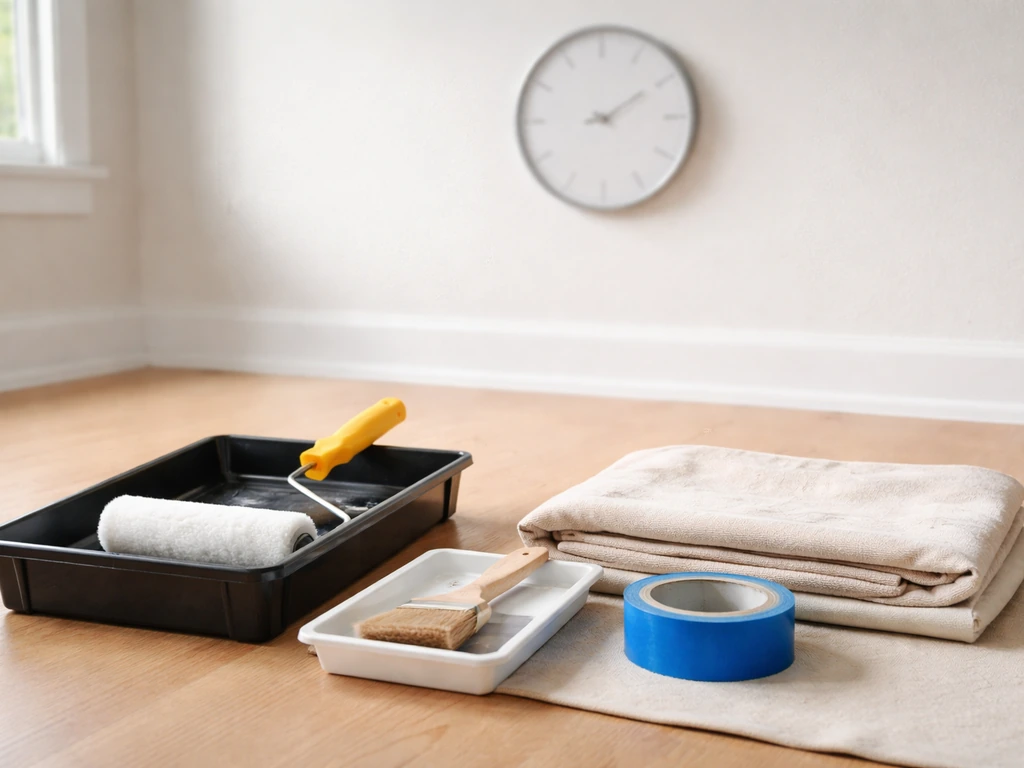
Even a great product applied badly will fail. These are the application details that make the difference between a coat that lasts five years and one that starts peeling by next spring.
- Check the weather before you start. Apply only when air and surface temperatures are between 50 and 90 degrees Fahrenheit (confirm the specific range on your product label, as BEHR's stain calls for 35 to 90 degrees). Avoid direct hot sun on the surface during application since it causes paint to dry too fast and leave lap marks.
- Use a quality synthetic-bristle brush for cutting in along the house, railings, and board edges. For the field, a 3/8-inch nap roller works well on smooth decks. A thick-nap roller (1/2 inch) handles rougher or weathered surfaces better.
- Spray application is an option on larger decks but BEHR specifically notes spray is for experienced applicators only with the correct tip size. Overspray onto siding, plants, and furniture is a real problem. If you are not experienced with airless spray, brush and roll gives you better control.
- Apply thin coats. Over-application is a documented failure mode: BEHR warns explicitly that over-application causes peeling and cracking. Two thin coats outperform one thick one every time.
- Follow the recoat window. BEHR's solid color stain calls for 1 to 2 hours before recoat under normal conditions. In cooler weather or higher humidity that window stretches. Touch the first coat; if it pulls or feels tacky, wait.
- Let it cure before heavy use. Dry to the touch is not the same as cured. Most acrylic deck coatings reach full hardness and durability after 5 to 7 days. Avoid dragging furniture across it or leaving wet items on the surface during that curing period.
- For the final coat on a high-traffic deck, mix in your anti-skid additive while stirring the paint, following the manufacturer's ratio, before applying.
How to compare products on the label and pick the best one today
Standing in the paint aisle or scrolling a product page, here is exactly what to look for on the label or technical data sheet to tell a solid product from a mediocre one.
- Resin type: 100% acrylic latex is the benchmark for exterior horizontal surfaces. Avoid products that list only 'latex' without specifying acrylic, and be skeptical of oil-based products on decks in climates with freeze/thaw cycles.
- Coverage rate: look for 200 to 300 square feet per gallon for solid-color products. Significantly higher coverage rates often mean lower solids content and thinner film build.
- Dry time and recoat window: a label that is vague here is a yellow flag. Good products give you specific numbers at specific temperatures and humidity levels.
- Mildewcide: listed in the formula on the can, not just mentioned in marketing copy. Essential for humid and coastal climates.
- UV resistance claim: look for 'fade resistant' or 'UV blocking' language in the product description, especially for sun-exposed decks.
- Slip-resistance additive compatibility: if the product does not mention it, check the brand's additive product (like Rust-Oleum Anti-Skid) to confirm compatibility.
- Application temperature range: narrower ranges (like 50 to 90 degrees only) limit your working season. Wider ranges give you more flexibility in shoulder seasons.
Budget vs premium: where the tradeoffs actually land
Budget porch and patio paints (around $25 to $35 per gallon) will perform acceptably on a well-prepped, sheltered deck with moderate traffic. Choosing the best patio colors also depends on how much sun your space gets and whether you want a cool, subtle look or a bold statement.
If you are trying to pick the best patio Colorado Springs setup, focus on your surface type, your traffic level, and whether a deck resurfacer or a porch and patio floor coating fits the substrate deck resurfacing or coatings. On a deck that takes full sun, hard weather, or heavy use, the premium tier ($45 to $65 per gallon) earns its cost back in years of extra service life.
The math is simple: if a premium product adds even one extra year before recoating, you likely covered the price difference. Where people waste money is buying a premium product and skipping prep. A $60 gallon of deck stain over a dirty, peeling surface is just an expensive mistake.
When to call a pro instead of DIYing
DIY deck painting is genuinely manageable for most homeowners on decks up to about 400 square feet in good condition. Where it makes sense to bring in a professional: large multi-level decks, decks with significant rot or structural issues that need board replacement, situations where the old coating is so thick and compromised that complete stripping is needed (which involves aggressive sanding or chemical stripping), or when the deck is attached to a house with complex trim and siding that make masking and overspray a real liability. A pro also has the spray equipment and speed to tackle a big deck more efficiently. For color and product selection on larger projects, a painting contractor's experience with what holds up in your specific region is worth the consultation even if you end up doing the work yourself.
A simple decision framework for today
If you are ready to buy, use this to make the call. If you are wondering where to buy patio paint, check local home centers for in-store samples and compare prices online for the same line and sheen. New or lightly weathered wood deck: go with a premium solid-color waterproofing stain and sealer like BEHR PREMIUM Solid Color Waterproofing Stain and Sealer, prep with a deck wash and light sanding, and skip a separate primer.
Previously painted surface in good condition: use KILZ Porch and Patio Floor Paint or an equivalent 100% acrylic porch floor paint, scuff sand glossy areas, spot-prime bare spots. Heavily weathered or cracked deck with an old coating: use a deck resurfacer and accept that it is a more involved project. Any deck with wet or pooling conditions: add a Rust-Oleum or equivalent aluminum oxide anti-skid additive to the final coat.
Whatever product you choose, check that the color and finish you want is also available in that product line so you are not switching systems mid-project.
FAQ
Can I use exterior house paint as the best patio deck paint substitute?
Usually not. Exterior house paint is often less flexible and can fail under deck movement (boards expanding and contracting), leading to cracking and peeling. If you must use it, pick a product labeled for floors or horizontal surfaces and expect shorter performance than a dedicated deck stain, porch and patio floor paint, or deck coating.
What’s the best patio deck paint choice for an old deck with stain but no flaking?
If the coating is bonded and not peeling, you typically do not need a full strip. Wash, let fully dry, scuff-sand any glossy areas, then test adhesion with tape or a small patch. If the surface doesn’t shed or lift, a solid-color waterproofing stain or porch floor paint can work depending on whether you want a uniform opaque look.
Should I sand after pressure washing even if the deck looks smooth?
Yes, lightly. Pressure washing can raise wood fibers and leave a weak surface layer that reduces coating grip. Light sanding smooths raised grain and helps prevent early peeling, especially on cedar and other softwoods.
How can I tell if my deck is dry enough to paint after washing?
Beyond waiting the recommended time, verify moisture with a simple moisture meter (or a plastic sheet test). Tape a 2 ft by 2 ft plastic sheet to the deck overnight, if condensation or darkening appears, wait longer. Painting damp wood is a common cause of blistering and premature failure.
Is bleach wash safe, and how do I rinse it correctly?
Bleach solutions can kill mildew, but residue can interfere with bonding and may continue to affect the finish. Use the labeled ratio, let it dwell only as directed, then thoroughly rinse until runoff shows no strong bleach odor. Let the deck dry completely before any coating or primer.
Do I need primer every time I use the best patio deck paint?
Not always. Priming is required when label directions call for it, most importantly on raw/bare wood, where old paint was removed to bare spots, or when converting from an incompatible film-forming coating. For solid-color waterproofing stains, many are self-priming on properly prepped wood, but you should still scuff-sand and follow the label.
Can I apply coating over mildew stains if the surface looks clean?
Avoid it. Even if the discoloration fades, mildew organisms and residue can remain and cause recurring staining, blistering, or peeling. Treat mildew first, then confirm the deck is mildew-free before coating, either by visual inspection and dryness or by using a deck wash product designed for mold and mildew.
What should I do if my deck has pockets of rot or soft boards?
Replace any boards that are structurally compromised. Thick coatings and resurfacer products can hide surface wear, but they cannot restore strength. If boards move under foot or sound hollow when tapped, that section needs repair before painting.
How many coats are usually needed for solid-color deck paint or porch floor paint?
Most systems use two coats, with the exact number depending on hiding power and how weathered the wood is. If you see uneven color through the first coat, do not rush to add a third just to “fix” poor prep. Ensure surfaces are clean and properly sanded, then apply the number of coats the product label specifies for full coverage.
Can I use slip-resistant additive if I’m aiming for a smooth, glossy finish?
You can add anti-skid additives, but you should expect reduced slip-friendly smoothness. Anti-skid products increase traction and typically create a subtle texture, even if color remains the same. If you want a near-satin look, choose a system that specifies traction additives are compatible with the finish you’re using.
What’s the best patio deck paint plan if temperatures swing a lot overnight?
Plan around curing, not just daytime weather. Many water-based deck coatings require the temperature to stay above a minimum threshold during cure, even at night. Avoid late-season application when freezing nights are likely, and check the label’s temperature window for the specific product.
Will painting a deck right before rain ruin the finish?
It can. Rain exposure during drying can cause surface defects like streaking, uneven film formation, or complete adhesion failure. Check the product label for recoat and “rain-ready” times, then add extra margin if humidity is high or wind is low.
How should I handle transitions like steps, railings, and vertical trim?
Use the correct product category for each surface. Horizontal boards, stair treads, and steps need slip resistance and a horizontal-surface formulation, while vertical railings and trim may use a different sheen or even a different coating type. Mask carefully and avoid using a floor coating on vertical areas if the label warns against it.
Is it worth paying more for the premium tier of deck coatings?
It can be, but only if you also follow prep and label conditions. Premium formulas usually provide better UV stability, flexibility, and water resistance, which translates into longer intervals before recoating. If your deck is dirty, damp, or has flaking areas you didn’t remove, even the best patio deck paint will fail sooner.
How do I know whether I should use a deck resurfacer instead of a solid-color paint or stain?
Choose resurfacer when the deck is weathered, cracked, or has an existing coating that is too worn to look smooth after washing and sanding, but still appears firmly adhered. It is not a fix for structural rot. If you need a uniform opaque “paint” look on mostly intact boards, a solid-color waterproofing stain or porch floor paint is often the better fit.
What’s a good way to avoid choosing the wrong sheen or color during purchase?
Order or pick up samples and compare them in real daylight on your deck board type. Wood absorbs differently, and lighter colors can reflect heat and reduce thermal stress. Test a small patch after prep, then observe it once the coating cures, because cured color can be less “wet” looking than the initial application.
When should I hire a pro for painting a patio deck?
Consider professional help if you have significant rot requiring board replacement, very large or multi-level decks that require extensive access work, or if the existing coating is thick and compromised enough that full removal is the only reliable route. A pro can also reduce overspray and masking mistakes when decks connect tightly to siding, windows, or house trim.