
The best patio paint colors right now are warm grays, soft greiges, terracotta-adjacent tans, and deep charcoals for a modern look, or classic slate blues and sage greens if you want something that feels more natural and landscape-friendly. But the "best" color for your patio specifically depends on three things you need to nail down first: what your patio surface is made of, what your home exterior and yard already look like, and how much direct sun or shade your patio gets. For the best paint color for outdoor patio floors, start by matching the shade and finish to your material, sun exposure, and local climate. Get those three right and the color choice basically picks itself.
Best Patio Colors: Choose Paint Shades That Last

Elise Prescott
29 May 2026
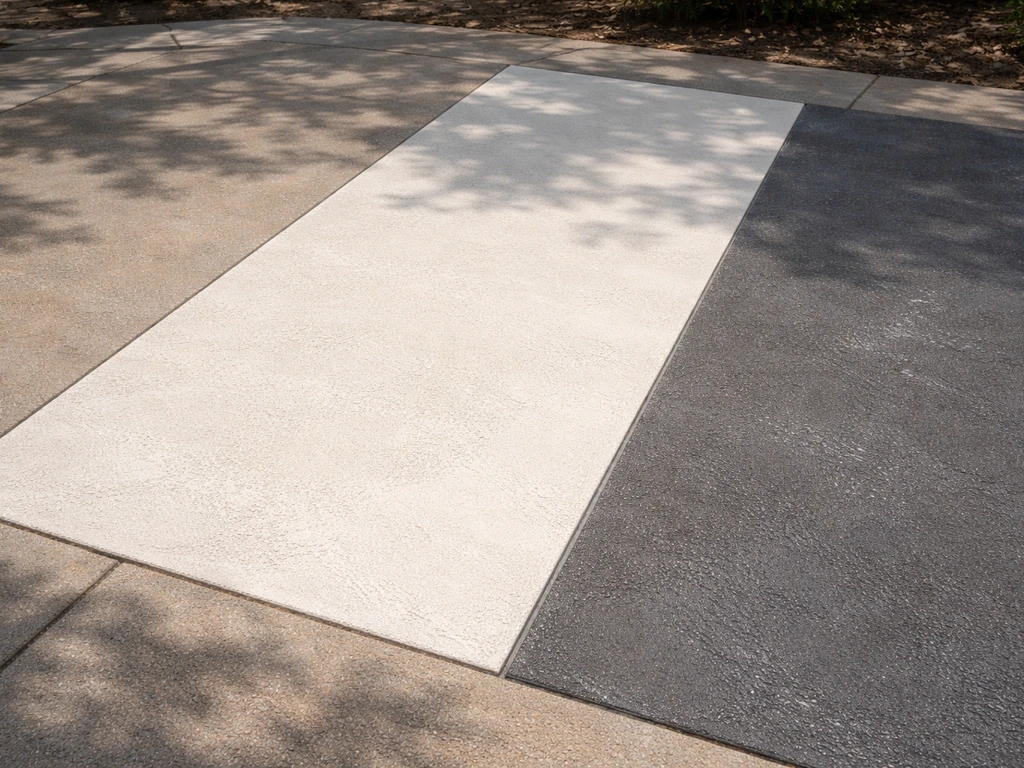
How to choose the best patio color (style + purpose)
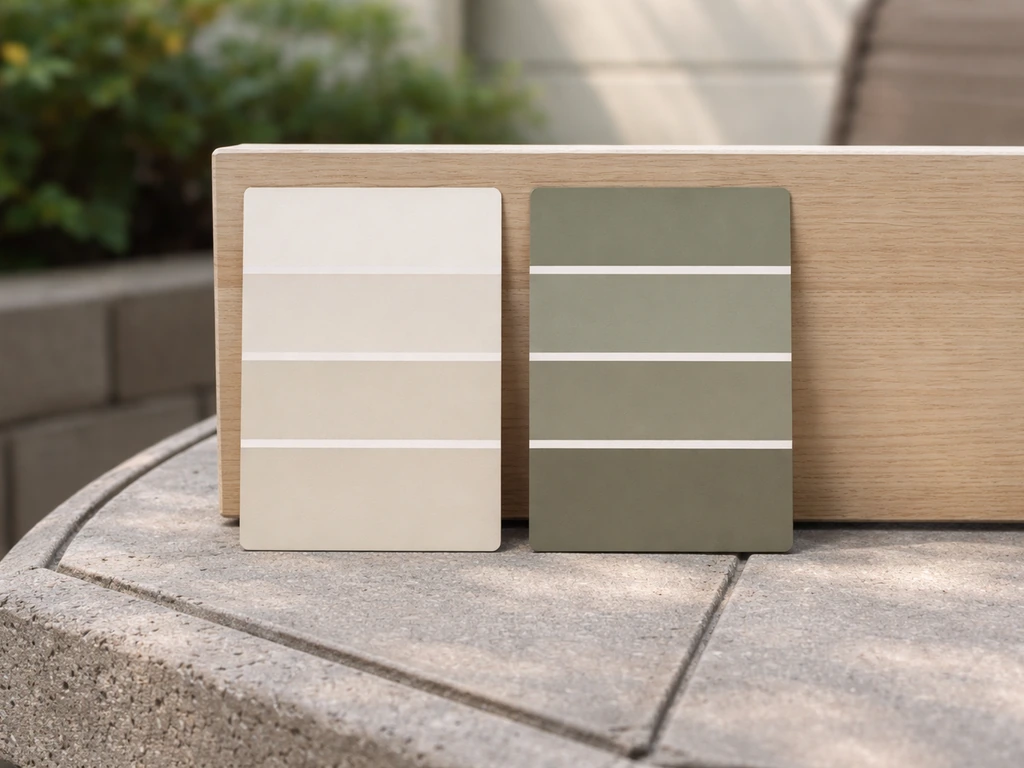
Start by deciding what you actually want the color to do. That sounds obvious, but most people skip it and just grab a chip that looks pretty in the store. Colors serve real purposes on a patio: lighter shades reflect heat (huge deal in Phoenix or Houston), darker shades hide stains and foot traffic scuffs (better for high-traffic entertaining spaces), and mid-tone naturals tend to blend into the landscape so the greenery stays the star. Before you even open a paint fan deck, answer these two questions: What problem am I solving, and what feeling do I want when I walk out there?
Once you have a purpose in mind, think about style. A coastal cottage patio reads completely different from a Southwestern adobe-style backyard or a sleek modern concrete slab. Sherwin-Williams and similar brands organize exterior palettes around architectural styles for a reason: the colors that look intentional on a farmhouse (creamy whites, weathered wood tones) can look out of place on a contemporary home (which tends toward cooler grays, near-blacks, and concrete tones). Pick a palette direction that already exists somewhere on your property, whether that's your siding, trim, roof color, or even the dominant plants in your landscaping.
One thing that almost always trips people up: undertones. Two paint chips that both look "light gray" in the store can go completely different directions once you get them outside. One might pull blue, the other might pull green or violet. This is called undertone shift, and it matters more on patios than on interior walls because outdoor light is unfiltered and changes dramatically throughout the day. Always buy sample pots and test them on the actual surface before committing to a full gallon.
Color rules by patio material (concrete, wood, tile, pavers, metal)
Different patio surfaces absorb and reflect color differently, and not every paint is formulated for every material. Using the wrong product is one of the fastest ways to end up with peeling, flaking, or color that looks nothing like the chip within a season.
Concrete
Concrete is the most forgiving surface for bold color choices because the paint sits on a flat, consistent plane. It also needs the most prep (more on that below). For color, cooler light grays and warm taupes are perennial favorites because they read as intentional and clean without showing every piece of dirt or leaf debris. Charcoal and near-black work beautifully for modern aesthetics but absorb heat, so they are a tough call in hot climates. For concrete specifically, you want a horizontal-surface floor paint, like Behr Premium Porch and Patio Floor Paint in a low-lustre enamel, which is specifically engineered to resist scuffing, fading, cracking, and peeling on exterior horizontal surfaces. Do not use standard exterior wall paint on a concrete patio floor.
Wood (decks and wood-plank patios)
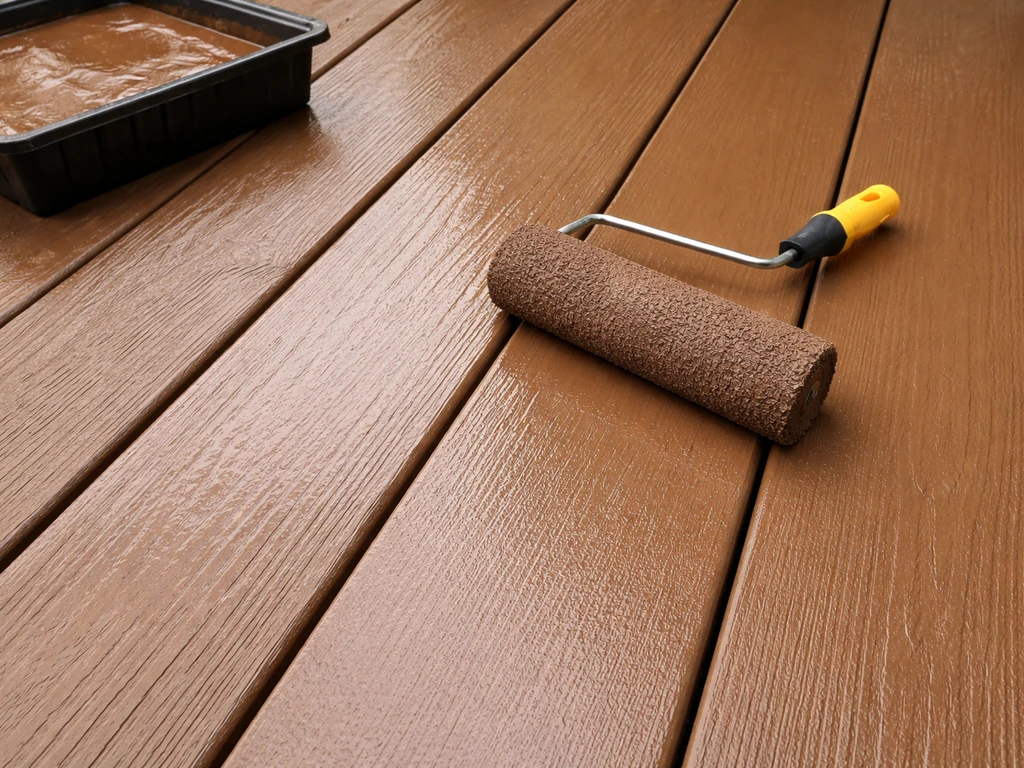
Wood patios and decks tend to look best in solid stain or deck paint rather than standard porch paint because wood expands and contracts with humidity and temperature, and a rigid paint film can crack. Color-wise, warm cedar tones, driftwood grays, and weathered wood tones are classics because they echo the natural material underneath. If you are going full paint (not stain), lighter tones help hide the grain variations and give a cleaner look, while darker tones on wood show scratches and pet claw marks more easily.
Tile
Most tile patios do not get painted, but the grout and the tile color selection itself follow the same principles. If you are looking at tile replacement or new installation, terracotta and warm earth tones are timeless, Saltillo-style tiles bring in the Southwest feel, and large-format light gray porcelain is extremely popular right now for a contemporary look. If you are painting over existing tile, use a masonry or tile-specific bonding primer first because adhesion is the main failure point here.
Pavers
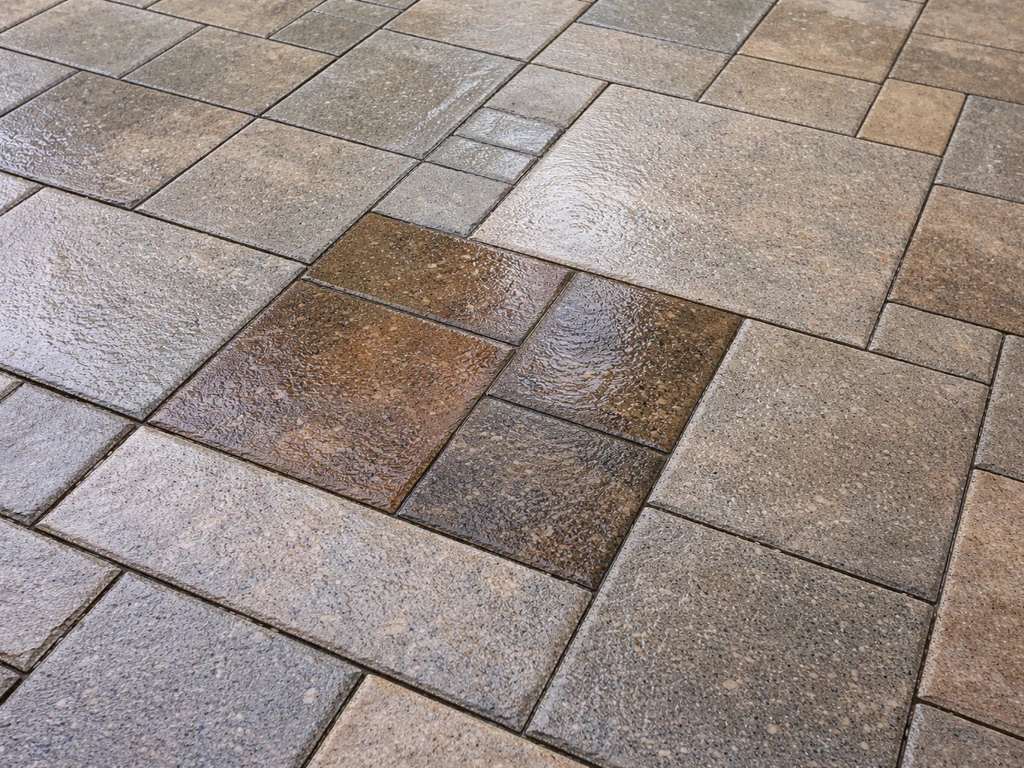
Pavers are typically sealed rather than painted, and the sealer can either enhance their natural color (wet-look gloss) or leave them matte. Buff, tan, and charcoal pavers are the most versatile because they work with almost any home exterior. If you are sealing existing pavers, a penetrating sealant with a slight sheen will pop the color without making the surface slippery when wet. Avoid high-gloss on pavers in rainy climates for this reason.
Metal (wrought iron, aluminum, steel accents)
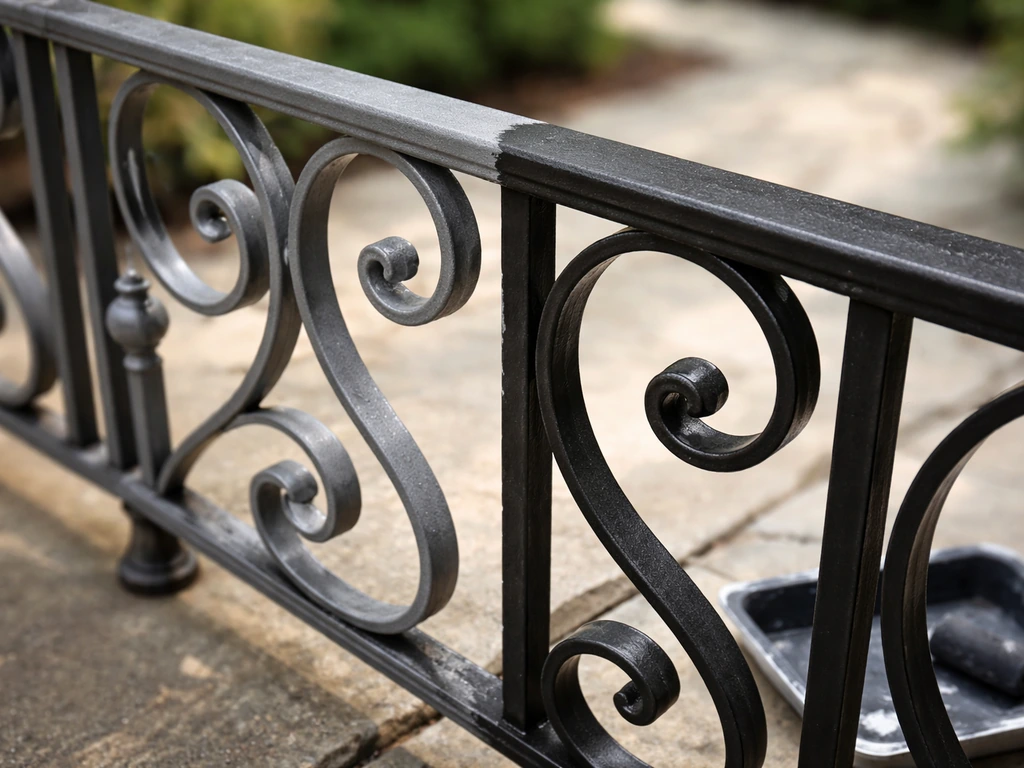
Metal patio furniture, railings, and structural elements need rust-inhibiting primer before any topcoat. For color, matte black is the dominant trend right now and works with virtually every architectural style. Oil-rubbed bronze and antique bronze are also strong performers. Avoid gloss finishes on metal railings in direct sun because they show every fingerprint and scratch almost immediately.
Best paint colors: popular palettes and when to use each
Here is a breakdown of the most popular patio color directions right now and what each one actually does well in real-world use.
| Color Palette | Best For | Watch Out For |
|---|---|---|
| Warm gray / greige | Modern and transitional homes, high-traffic areas, universal compatibility with most landscaping | Can pull purple or green depending on undertone; always test first |
| Soft white / pale cream | Shady patios needing brightness, coastal and cottage styles, small patios that need to feel larger | Shows dirt and mildew quickly; needs more frequent cleaning |
| Charcoal / near-black | Contemporary homes, low-maintenance stain-hiding, bold design statements | Absorbs heat aggressively; uncomfortable in full sun in hot climates |
| Terracotta / warm tan | Southwest, Mediterranean, and Spanish-style homes; blends with clay pots and warm landscaping | Can clash with cool-toned brick or gray siding |
| Slate blue / soft navy | Craftsman, coastal, and farmhouse styles; pairs well with white trim and natural wood | In deep shade can feel cold; check undertone against surrounding hardscape |
| Sage green / olive | Nature-forward, garden-adjacent patios; works well with wood fencing and greenery | Can look dated if too yellow-green; stay in muted, grayed versions |
| Buff / sandstone | Hot climates where heat reflection matters, desert and Southwest landscapes, a neutral that goes with everything | Bland without contrast accents; pair with strong furniture or planting colors |
For heat management specifically, Behr makes a heat-reducing variant of their Porch and Patio Floor Paint that is worth looking at if your patio bakes in afternoon sun. Lighter buffs, tans, and soft grays in heat-reflecting formulas can make a measurable difference in surface temperature underfoot, which matters a lot if you have kids or pets on the patio barefoot. If you are wondering where to buy patio paint, look for porch and floor paint in-store or online from major exterior paint brands.
Matching patio colors to your home exterior and landscaping
The patio is a visual extension of your home, not a separate world. When the colors clash or feel random, the whole backyard looks unfinished even if everything is clean and well-maintained. The easiest rule: pull at least one color from your home's existing exterior palette and use it as an anchor or complement for the patio.
If your home has warm-toned brick or siding with brown or yellow undertones, a cool gray patio will fight it visually. Stick to warm-undertoned neutrals like sandstone, greige, or a warm taupe. If your home is a cool gray or blue-gray, a warm terracotta patio can work as intentional contrast, but a warm-undertoned gray or slate keeps things cohesive. Benjamin Moore points out that even neutrals carry subtle undertones (a beige can pull blue, green, or pink depending on the formulation) and those undertones need to harmonize with your exterior, not fight it.
Landscaping matters too. Green plants are a constant on most patios, and greens are complex: some lean yellow, some lean blue. If you have a lot of silvery-blue ornamental grasses or agave, a warm orange-toned terracotta will contrast beautifully. If your landscape is lush and dark green, a light neutral or soft white gives the planting the contrast it needs to stand out. Think of the patio floor as the background of a painting: it sets the stage for everything else.
A practical shortcut: photograph your home exterior in afternoon light and bring that photo to the paint store. Most paint associates can help you pull undertones from the image and point you toward harmonious options. Sherwin-Williams also has online exterior color scheme tools organized by architectural style that can shortcut a lot of the guesswork.
Climate and light: what your region tells you about color
This section matters more than most people realize, especially on exterior horizontal surfaces that take full sun and weather all day. Color choice and product choice both need to account for your local conditions. If you are searching for the best patio Colorado Springs, start by factoring in the light, sun exposure, and seasonal shifts in your specific yard before you pick a color.
Hot, sunny climates (Southwest, Texas, Southern California, Florida)
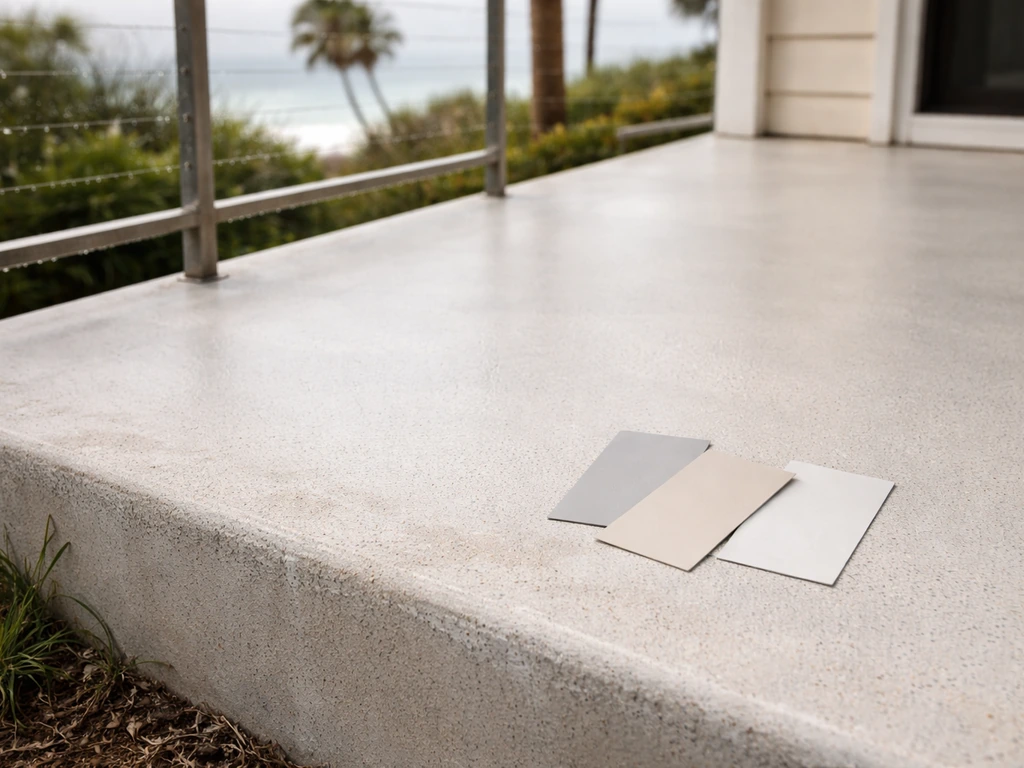
Dark colors on a concrete patio in Phoenix or Austin will get dangerously hot underfoot and accelerate UV degradation of the paint film. Stick to lighter values: buff, soft gray, pale terracotta. Look for products specifically marketed as fade-resistant or UV-stable, like Behr's fade-resistant Porch and Patio line. Also note that high heat and UV exposure accelerate recoat and cure time requirements, so plan your painting around moderate temperature windows (early morning, not peak afternoon).
Shady patios and north-facing exposures
A patio that never gets direct sun can feel dark and cold with the wrong color. Lighter, warmer neutrals work best here because they reflect what ambient light exists. Soft whites, creamy tans, and warm greiges brighten a shaded space without fighting the shade. Avoid cool grays and blues in deep shade because they will make the space feel chilly even in summer.
Humid and coastal climates (Southeast, Gulf Coast, Pacific Northwest)
Humidity and salt air are paint killers. In these climates, mildew resistance is not optional and product selection matters as much as color selection. Go with a paint specifically formulated for exterior horizontal use with mildew inhibitors. Benjamin Moore's product documentation notes that high humidity and cool temperatures extend dry times and recoat windows significantly, so if you are painting in a humid spring or fall, add extra time between coats or you will trap moisture in the film, which leads to bubbling and peeling. Color-wise, mid-tones that do not show mildew staining as dramatically (warm grays, tans) are more forgiving than stark whites in these environments.
Afternoon sun and shifting light
West-facing patios get intense late afternoon light that makes warm colors glow and can make cool colors look washed out or strange. East-facing patios get soft morning light that flatters almost everything. Sherwin-Williams specifically calls this out: the same color can look entirely different on a west-facing surface at 9 AM versus 5 PM. This is exactly why you test samples at multiple times of day, not just once when you happen to be outside.
DIY vs hiring a pro: finishes, durability, and surface prep
This is where most patio paint projects succeed or fail, and it has almost nothing to do with the color you picked. Surface prep is the difference between a paint job that looks great for five years and one that starts peeling after the first hard winter or rainy season.
DIY prep for concrete (the most common patio material)
- Clean the surface thoroughly: pressure wash to remove dirt, oil, and any existing loose paint. Let it dry completely (48 hours minimum in humid conditions).
- Etch the concrete if it is new or if paint is not adhering from a previous coat. Etching opens the pores of the concrete so the primer can grip. Muriatic acid solution or phosphoric acid etcher both work; follow label safety instructions carefully.
- Apply a masonry primer before topcoat. Benjamin Moore's masonry primer guidance is explicit: primer is not optional on concrete if you want long-term adhesion. Skipping primer is the number one cause of flaking and peeling within a season.
- Apply two coats of a dedicated porch and floor paint (not wall paint). Follow the product's recoat window strictly: Benjamin Moore's INSL-X Tough Shield, for example, lists 1 to 2 hours dry time and 4 to 6 hours before recoat under standard conditions.
- Allow full cure time before placing furniture or rugs (typically 7 days for foot traffic, longer for heavy furniture).
Choosing your finish (sheen level)
On a patio floor, low-lustre (which sits between flat and satin) is the sweet spot for most applications. Sherwin-Williams' sheen guidance is clear that flat and matte finishes are porous, can trap dirt, and will burnish or scuff if you scrub them, which makes them a poor choice for a high-traffic floor. Satin and semi-gloss are easier to clean and hold up better where moisture is a concern. Full gloss on a patio floor looks great in photos but becomes slippery when wet and shows every scratch and scuff in real use. Behr's Low-Lustre Porch and Patio Enamel hits the practical sweet spot: enough sheen to be cleanable, not so much that it becomes a slip hazard or a scratch magnet.
When to hire a pro
DIY is totally doable for a straightforward concrete slab with good access and no major cracks or previous paint failures. Hire a professional when: you have significant cracking that needs patching and caulking before paint (a pro will catch what you might miss), you are dealing with a multi-level or unusually large surface where rental equipment like floor grinders or commercial pressure washers make prep faster and better, or you have had a previous failed paint job that needs complete removal before repainting. Failed paint removal from concrete is genuinely hard work and the prep determines whether the new coat sticks. A contractor who specializes in exterior concrete or masonry coatings will do the prep better and faster than most DIYers, and the extra cost is usually worth it for the longevity gain.
Maintenance and longevity: keeping your patio color looking good
Even the best patio paint is not a set-it-and-forget-it situation on an exterior horizontal surface. Sun, rain, foot traffic, furniture drag, and seasonal freeze-thaw cycles all work against you. Here is what to actually expect and plan for.
How long should patio paint last?
A properly prepped and applied porch and floor paint on concrete should last 3 to 5 years before needing a full recoat, assuming average traffic and climate exposure. In harsh climates (intense UV in the Southwest, heavy humidity in the Southeast, freeze-thaw cycles in the Midwest and Northeast), expect the lower end of that range. Light-colored paints tend to show dirt accumulation more than fading, while dark colors often show UV-induced fading first. Fade-resistant formulas from brands like Behr are specifically positioned to extend that lifespan on outdoor horizontal surfaces.
Staining: the real enemy in high-traffic spaces
Tannin stains from leaves, grease from grills, sunscreen and bug spray, and rust from metal furniture legs are the most common culprits. Mid-tone colors (not stark white, not jet black) hide incidental staining the best. For areas directly under a grill or outdoor kitchen, consider going slightly darker or choosing a color in the tan-to-charcoal range that has some inherent camouflage against grease spots. Satin and semi-gloss finishes clean up better than matte when you do need to scrub.
Annual maintenance checklist
- Pressure wash the surface once a year (or twice in high-pollen or high-humidity environments) to remove embedded dirt and mildew before it stains the paint film
- Inspect for cracks, chips, and peeling edges each spring; touch up small areas before they grow into larger failures
- Check furniture feet for rust bleed or abrasive pads that may be scratching the surface; replace felt or rubber pads annually
- In freeze-thaw climates, inspect after the first hard freeze for any delamination caused by water getting under the paint film through cracks
- Apply a clear masonry sealer over painted concrete every 2 to 3 years to extend the topcoat life in high-wear zones
If you are approaching your 4-year mark and the color is looking dull or worn in patches, a light scuff sand, a quick clean, and a single refresher coat of the same color is far easier than a full strip-and-repaint. Keep a record of the exact paint color name, number, and sheen level from your original application so you can match it precisely when that time comes. Color chips fade and paint batches can shift slightly between years, so having the exact formula on file is worth doing when you finish the job.
FAQ
Can I use the same paint I used on my exterior walls for a painted patio?
In most cases, yes, but only if you use an exterior horizontal-surface floor product rated for patio use. Regular exterior wall paint is formulated for vertical surfaces and tends to peel or burnish quickly under scuffing and moisture. If your patio is concrete, choose porch and floor paint (low-lustre or satin), and if you already have an old coating, confirm it is still well-adhered before spot-priming.
What should I do if my concrete patio is dusty, stained, or has efflorescence?
For concrete patios with heavy texture, use a patching system designed for exterior horizontal surfaces, then prime before topcoat. If the concrete has dusting, efflorescence, or prior paint failure, cleaning alone is not enough, you may need mechanical prep (grinding or scarifying) to get a sound surface. Avoid painting over chalky or contaminated areas, it is the fastest path to peeling.
How many coats of patio paint should I plan for, and when do I need a third?
Two coats usually cover well on properly prepped concrete, but the “right” number depends on porosity and color contrast. Darker colors over bare concrete often need an extra coat to look uniform, while lighter colors can look uneven if the substrate soaks irregularly. Your sample test will reveal coverage issues, take note of where the color goes on thin.
How do I prevent undertone shift when choosing from “light gray” paint chips?
Undertones can shift with outdoor light, but you can reduce surprises by testing on your exact surface in more than one moment of the day. Apply your samples in at least two separate small areas (one near shade, one near sun) and observe at late afternoon, not just morning. Also let the sample fully dry, some grays look “off” while wet and settle after cure.
What recoat timing changes should I expect for hot sun or humid weather?
Temperature and humidity change cure and recoat timing. In hot, sunny conditions, painting near peak heat can cause the film to cure too fast, which can trap issues underneath and reduce adhesion. Plan around cooler windows (morning for most climates), and when it is humid or cool, extend recoat time to avoid bubbling from trapped moisture.
Can I paint over sealed pavers or sealed patio surfaces?
Yes, and it matters. On pavers, most “paint” failures happen because sealer, polymeric sand, or old coatings block adhesion. A tile or masonry bonding primer is the safer direction when you truly need paint, and you may also need surface profiling. If you are unsure what coating is on the surface, do a small adhesion test with tape or a scratch test first.
If my patio has tile, what is the most common mistake when repainting it?
Use a grout and tile approach, not a random primer. If you are painting tile or changing color without replacing, the key is selecting a bonding primer made for tile/masonry and ensuring the tile is thoroughly cleaned and deglossed. Also consider that grout texture absorbs color differently, which can make two adjacent areas look different unless you prime the grout first.
Which sheen is safest for a painted patio floor: matte, low-lustre, satin, or semi-gloss?
It depends on what “foot traffic” looks like in your yard. Satin or semi-gloss tends to be more forgiving for patio floors because it cleans more easily and scuffs less visibly than flat finishes. Gloss looks great initially but is often a slip risk when wet and can highlight scratches. If you have pets, choose a finish that balances cleanability with low slipperiness.
What’s the best way to handle peeling patio paint before repainting?
For existing peeling paint, do not rely on painting over the problem. Scrape to remove loose material, then feather-sand the edges and spot-prime the bare substrate and any stabilized patches. If peeling is widespread, full removal and proper priming is usually the only way to make the new color last.
How should I prep and paint metal patio furniture or railings so rust does not come back?
If the patio furniture is metal and you are painting it, you need a rust-inhibiting primer plus an appropriate topcoat, otherwise rust can reappear under the finish. On railings, avoid overly slick gloss in direct sun because it shows scratches and fingerprints immediately. Matching the finish level to the use matters, flat finishes may be harder to clean around outdoor grime.
Will lighter paint always keep a patio cooler in hot climates, or should I look for special formulations?
Yes, and it can make a noticeable difference for hot climates. If you want heat reduction, prioritize lighter values in heat-reducing floor formulas and confirm the product is specifically rated for horizontal surfaces. Still, remember that shade from umbrellas, plants, or pergolas often beats paint alone, especially for afternoon exposure.
What is the safest way to match patio colors to a brick or siding exterior?
If you are matching the patio color to your home exterior, choose the undertone family first (warm vs cool) and then adjust value (lightness) for the patio’s lighting. A warm brick home usually pairs better with warm-undertoned neutrals, while cool-toned homes often look better with warm terracotta as contrast or cohesive warm grays that do not skew purple or green. Use your photo-in-afternoon-light test to confirm undertones on your actual wall color.
When is it better to spot-fix and refresh a patio color instead of repainting everything?
Plan for a mid-cycle refresh. When the color looks dull around high-scrub zones, a scuff sand and the same-color refresher coat is usually easier than stripping, but only if the underlying coating is still bonded. Keep the exact paint name, color number, and sheen from day one so you can match batches accurately when it is time to recoat.