
For most homeowners, a high-pressure patio misting system running at 1,000 to 1,500 PSI is the clear winner for real cooling, because those systems produce droplets in the 10 to 20 micron range that flash-evaporate before hitting you or your furniture. Low-pressure kits (the $30 hose attachments) run at 40 to 100 PSI, make much larger droplets (50 microns and up), and mostly just get things wet. If you are searching for the best-rated patio misting system and actually want to feel cooler rather than damp, high pressure is the category to shop in, full stop.
Patio Misting System Reviews: Best High-Pressure Cooling Picks

Elise Prescott
23 May 2026
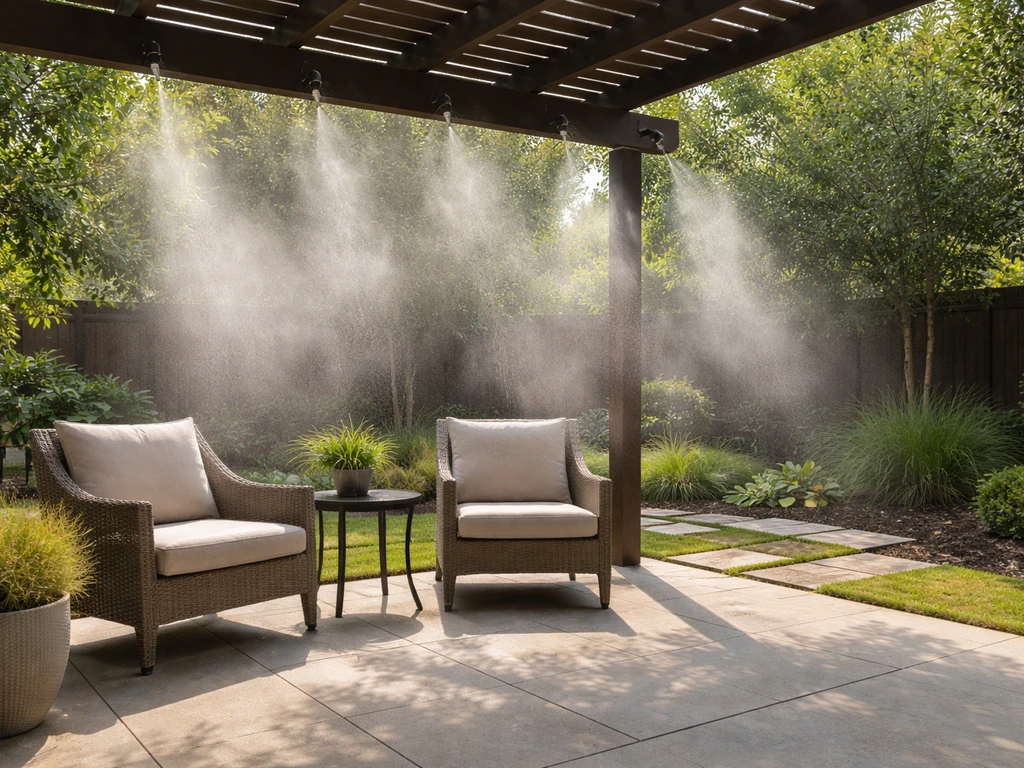
What patio misting systems actually are, and why pressure changes everything
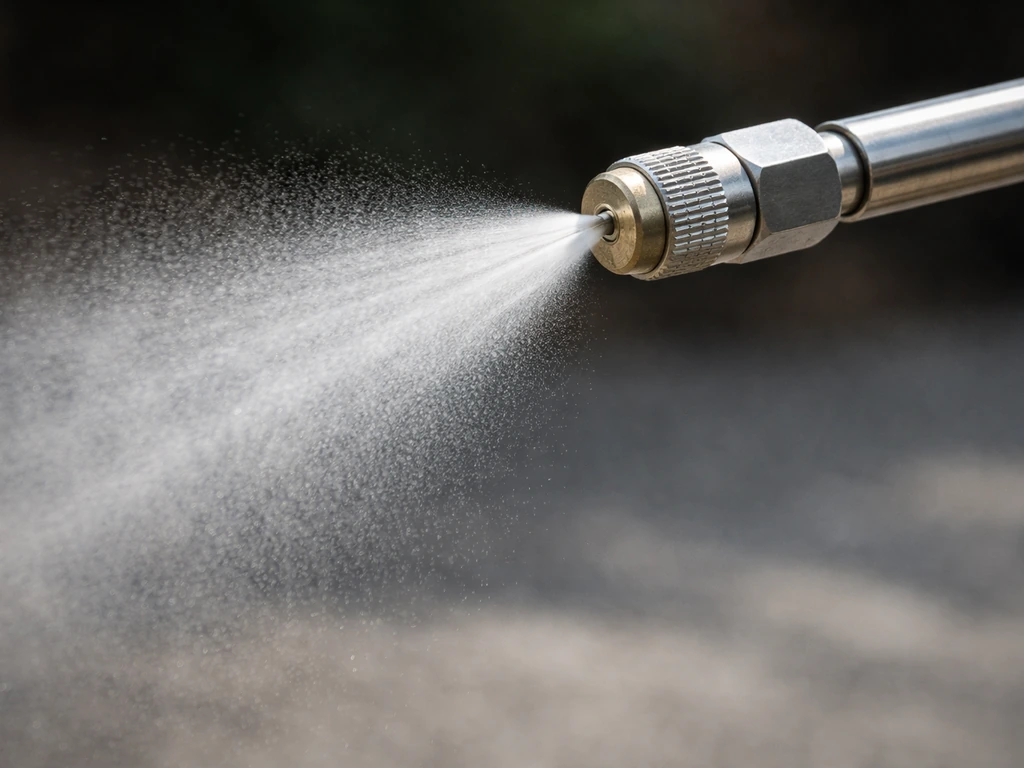
A patio misting system pushes water through small-orifice nozzles at pressure, atomizing it into a fine spray that hangs in the air. As those tiny droplets evaporate, they pull heat energy out of the surrounding air, dropping the ambient temperature. The physics are straightforward: the smaller the droplet, the faster it evaporates, and the more cooling effect you feel. That is why pressure is the defining variable. If you want a quick way to decide, look for the best patio mister system options that target 1,000 to 1,500 PSI performance with properly sized nozzles and filtration.
Here is how the three pressure tiers actually break down in practice. Low-pressure systems (40 to 100 PSI) tap directly into your garden hose. They are cheap and simple but produce droplets larger than 50 microns, which means slow evaporation and visible wetness around your seating area. Mid-pressure systems (200 to 250 PSI) use a small booster pump and do noticeably better, but they still fall short of the flash-evaporation threshold. High-pressure systems (800 to 1,500 PSI) require a dedicated pump unit and produce droplets in the 10 to 20 micron range. At 1,000 PSI, a standard 0.006-inch nozzle generates a mean droplet diameter around 12 microns. Those droplets essentially disappear into the air rather than landing on your arms, which is why high-pressure systems are commonly described as producing virtually no residual moisture in dry or moderate climates.
| System Type | Typical Pressure | Droplet Size | Cooling Effect | Wetness Risk | Rough Cost |
|---|---|---|---|---|---|
| Low-pressure (hose-fed) | 40–100 PSI | 50–100+ microns | Minimal | High | $20–$80 |
| Mid-pressure (booster pump) | 200–250 PSI | 30–60 microns | Moderate | Moderate | $150–$400 |
| High-pressure (dedicated pump) | 800–1,500 PSI | 10–20 microns | Significant | Low (dry climates) | $600–$2,500+ |
The 1,500 PSI figure from brands like Mistcooling represents the premium tier, where ultra-fine atomization is prioritized above all else. A 1,000 PSI system from brands like Aeromist hits the practical sweet spot for most residential patios: genuinely fine mist, a pump that is manageable to maintain, and a price that does not require a second mortgage. Both are meaningfully different from a hose-end kit, so treat them as a separate product category when reading reviews.
How to read patio misting system reviews without getting misled
Most online reviews for misting systems mix up pressure tiers, ignore climate context, and mistake 'got wet' for 'did not cool well.' Before you trust any review, including mine, check it against these criteria.
The criteria that actually predict real-world cooling
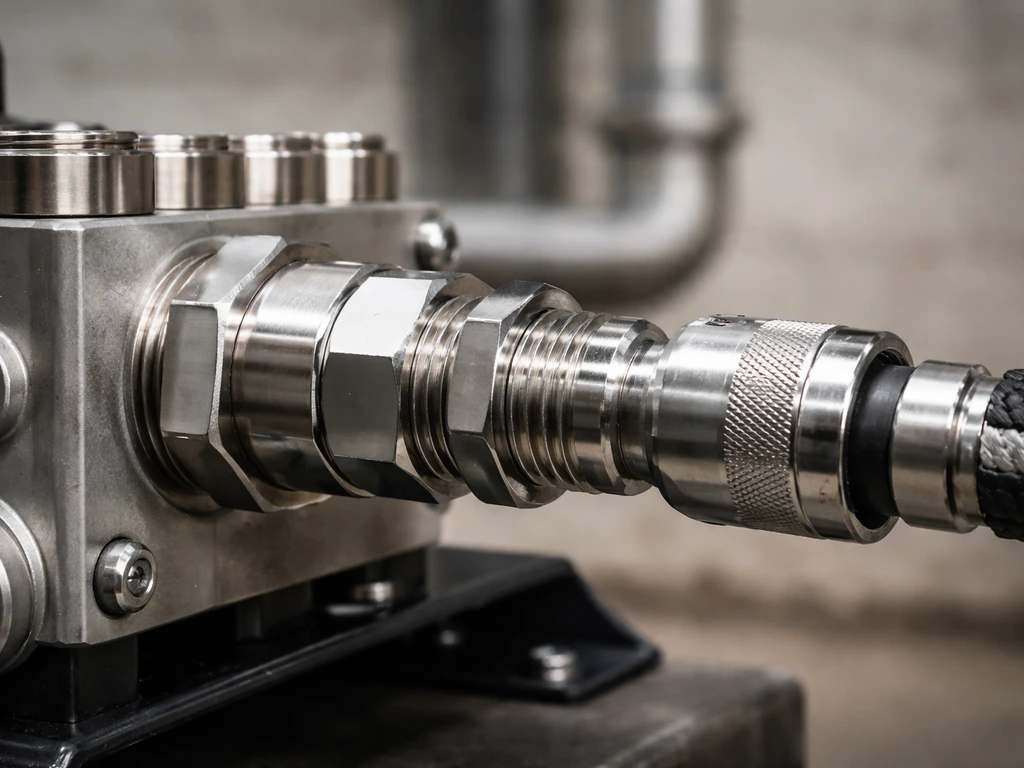
- Operating pressure and pump specs: A review that does not state the PSI of the system being evaluated is nearly useless for comparison. Confirm whether the pump is rated for sustained operation at that pressure, not just peak pressure.
- Nozzle orifice size and droplet output: Smaller orifices produce finer droplets at the same pressure. Look for nozzle orifice diameters (typically 0.004 to 0.012 inches) and stated droplet size in microns. Anything claiming fine mist without specifying PSI and orifice size is marketing language.
- Pressure stability under load: Pressure that drops significantly when all nozzles are open means the pump is undersized for the line length and nozzle count. Good reviews note whether pressure holds steady across a full run.
- Coverage area and nozzle count: Reviews on small patios with three nozzles tell you nothing about how the system handles a 400 sq ft pergola. Note the patio size and number of nozzles in any review you weigh.
- Tubing and fittings quality: High-pressure systems put real stress on connections. Stainless steel fittings and high-rated poly tubing outlast cheaper alternatives. Reviews that mention connection leaks after one season are flagging a real quality problem.
- Filtration included: A built-in sediment filter and ideally an anti-scale cartridge are not optional accessories. They protect the pump and nozzles. A system shipped without filtration is going to cause maintenance headaches.
- Ease of installation and control options: Does the system include a timer, manual valve, or smart control? Battery-powered timers are convenient; hardwired or app-based controllers add cost but also flexibility.
- Maintenance burden: Pump oil change intervals, filter check schedules (Mistcooling specifies every 50 hours of use), and nozzle cleaning requirements all affect real-world reliability.
- Climate fit: A review written from Phoenix, Arizona is almost irrelevant if you live in Houston, Texas. High humidity slows evaporation, increases wetness risk, and changes the effective cooling entirely.
When you find a review that covers most of these points, it is worth trusting. When a review just says 'works great, very refreshing' with no context, move on.
Top-rated high-pressure patio misting systems worth buying in 2026
Rather than naming one single winner, I want to give you a practical shortlist organized by use case, because the right system genuinely depends on your patio size and budget. What these all have in common: they operate at 1,000 PSI or above, include proper filtration, and use quality nozzles with documented droplet output.
Best overall for most homeowners: 1,000 PSI pump systems with stainless nozzles
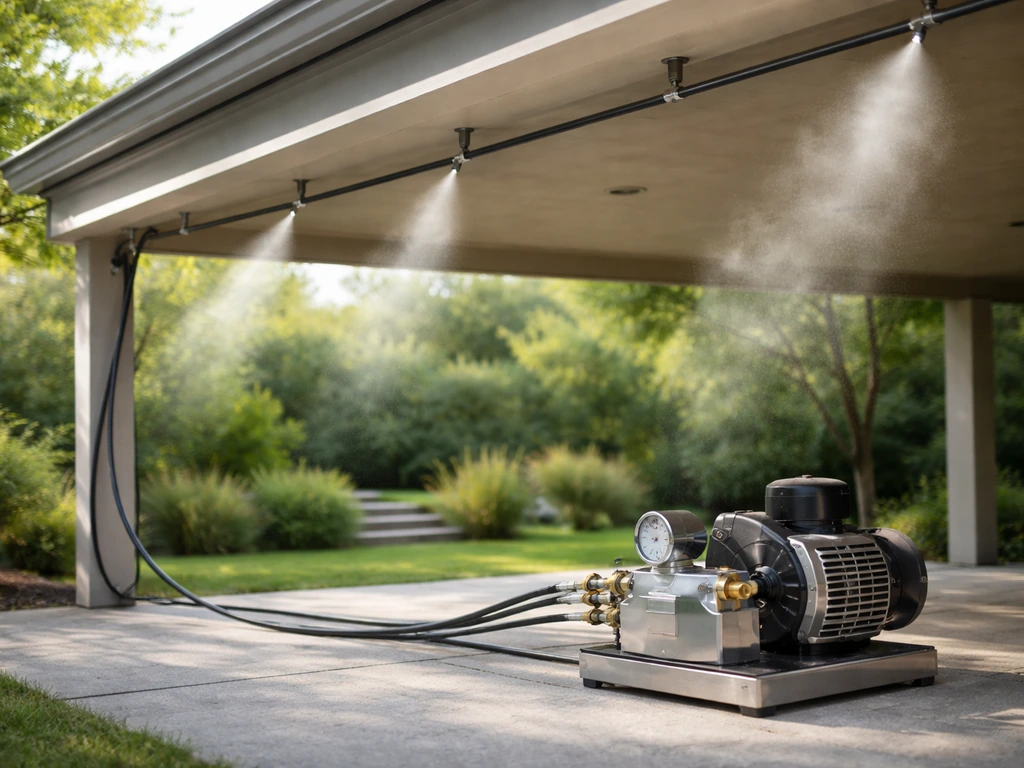
A 1,000 PSI pump-based system from brands like Aeromist or Cool-Off hits the best balance of cooling performance, manageable maintenance, and price. These systems come with a dedicated electric pump, high-pressure poly tubing (typically 3/8 inch), stainless steel or brass nozzles, a sediment filter assembly, and enough line to cover a standard patio. Aeromist's 1,000 PSI units include operating pressure guidance in the manual and specify a pump oil change every 500 hours or every two years, whichever comes first, which is a reasonable and transparent maintenance expectation. Cool-Off includes an anti-scale cartridge alongside the filter assembly, a nice touch for areas with hard water.
Best for maximum cooling in dry climates: 1,500 PSI premium systems
If you are in a genuinely dry climate (Arizona, New Mexico, inland California, Nevada) and want the best possible temperature drop, a 1,500 PSI system like Mistcooling's premium tier is where you end up. The finer atomization at that pressure produces droplets that evaporate almost instantly in low-humidity air. These systems do cost more, require a pressure adjustment valve during setup, and come with a firm warning not to exceed the recommended working pressure because blow-out damage is a real risk. They are not overkill in the right climate; they are the right tool.
Best budget entry for moderate climates: pre-assembled mid-length kits
For a covered patio in a moderate climate where you want meaningful cooling without a large investment, a pre-assembled high-pressure kit in the 24 to 36 foot range is a practical starting point. Mistcooling's pre-assembled systems map length directly to nozzle count (24 feet with 4 nozzles, 36 feet with 8 nozzles, 48 feet with 12 nozzles), which makes sizing straightforward. Just verify the pump included is rated for the nozzle count in the kit, not just the tubing length.
Best for convenience and aesthetics: misting fan combos
If you want portability or you have a patio where running tubing along a perimeter is not practical, a dedicated misting fan integrates the pump, nozzles, and airflow in one unit. These are covered in more depth in the best patio misting fan coverage on this site, but from a pure cooling standpoint they trade some fine-mist performance for convenience and directed airflow.
Coverage planning: figuring out how much system you actually need
Sizing is where most homeowners get it wrong, either buying too little line and wondering why one corner of the patio stays hot, or buying a massive system for a 150 sq ft covered porch. Here is how to think through it.
Nozzle spacing and mounting height
The most consistent guidance across installation manuals puts nozzles 18 to 24 inches apart for open patios, with mounting height between 8 and 10 feet ideally. Tzfog’s installation guidance recommends positioning nozzles about 24, 36 inches apart along the perimeter tubing for uniform mist distribution blank" rel="noopener noreferrer">nozzles about 24–36 inches apart along the perimeter tubing. Aeromist's installation guidance extends this to 8 to 14 feet, calling 10 to 12 feet the sweet spot. blank" rel="noopener noreferrer">Orbit's Arizona Mist manual specifically states 24 inches of nozzle spacing for lines mounted 8 to 10 feet up. Cool-Off uses a rule of one nozzle per 6 to 8 square feet for open patios. If your patio is covered or enclosed on two or three sides, you can stretch spacing a bit because the mist has less area to escape.
A quick coverage calculation
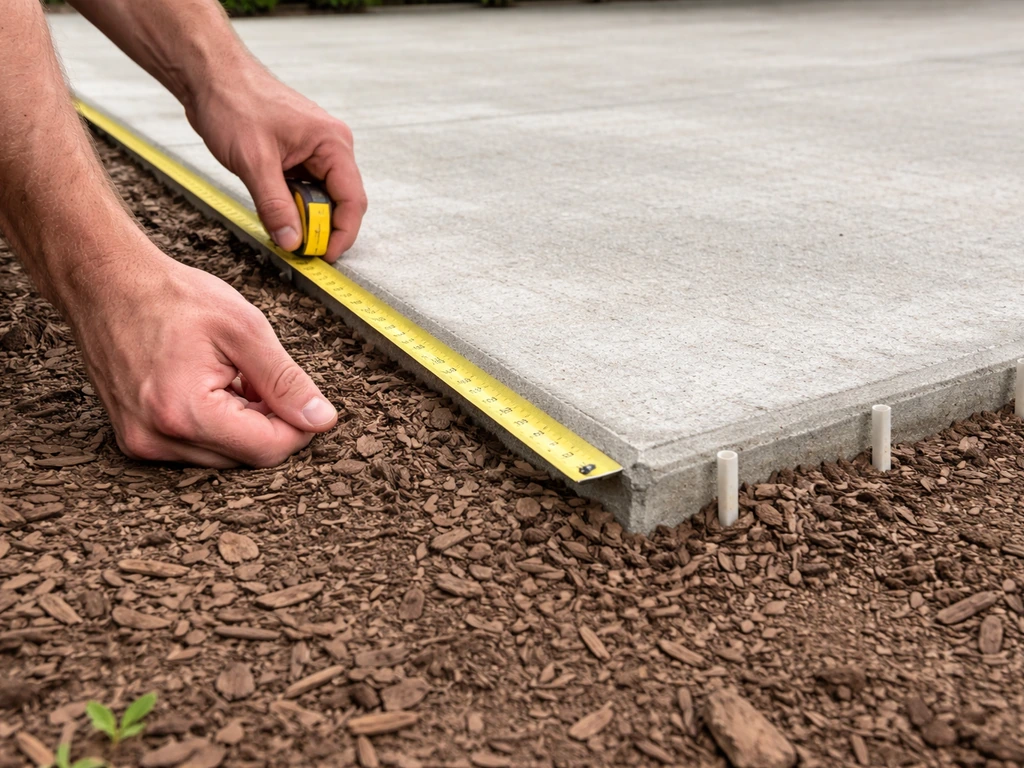
- Measure the perimeter of your seating area, not the total patio square footage. You are running tubing along the edge, not across the middle.
- Divide that perimeter length by your spacing (use 24 inches as a baseline). That gives you your minimum nozzle count.
- Check that the pump you are considering is rated for that nozzle count at operating pressure. Line length and nozzle count both create pressure drop, so more nozzles on a longer line requires a bigger pump.
- Add 10 to 15 percent to your nozzle count if the patio is very open or exposed to wind on multiple sides.
For a 40-foot perimeter patio, that math gives you roughly 20 nozzles at 24-inch spacing. A 1,000 PSI pump that is appropriately sized for 20 nozzles is a different spec than one rated for 8. Always verify the nozzle capacity in the pump documentation, not just the tubing length listed on the product page.
Water supply and line considerations
High-pressure systems use a dedicated supply line from your outdoor water connection to the pump, and then pressurized tubing from the pump to the nozzles. The pump inlet needs adequate flow rate from your home supply, typically at least 1/2-inch supply line. Longer runs of high-pressure tubing also cause pressure loss, so if you need to run more than 50 feet of line, confirm with the manufacturer that the pump output is sufficient to maintain operating pressure at the last nozzle in the circuit.
Installation and setup: DIY or hire someone?
Most homeowners with basic DIY comfort can install a high-pressure patio misting system themselves in a Saturday morning. The process involves mounting the pump, running and securing the high-pressure tubing along your patio structure, installing nozzle fittings at measured intervals, connecting the filtration assembly, and testing pressure. That said, there are a few spots where professional help is worth considering.
DIY is fine if:
- You have an accessible outdoor electrical outlet near the pump location (most pumps need a standard 110V outlet).
- Your patio structure gives you something solid to mount tubing and nozzle fittings to (wood pergola, aluminum cover, masonry wall).
- The system you bought includes good documentation (installation manual with torque specs for fittings, filter assembly instructions, and a pressure test procedure).
- You are comfortable working with compression fittings and following a pressure test before full operation.
Hire a pro if:
- You need a new outdoor electrical circuit for the pump.
- Your patio is a complex shape requiring multiple runs of tubing with a manifold distribution setup.
- You want the system hardwired with smart controls or integrated into an existing irrigation timer.
- You are installing in a climate where winterization and seasonal drain-down are important and you want it done correctly from the start.
Key installation details that trip people up
Filtration goes in before the pump, not after. The pump needs clean, debris-free water to maintain operating pressure and protect internal components. A sediment filter (most quality systems include one) and an anti-scale cartridge if you have hard water should both be installed on the supply side. Cool-Off specifically addresses this in their installation guide and includes a pressure relief valve that will spit a little water briefly while the system pressurizes. That is normal behavior, not a leak.
Drainage matters too. At shutdown, the pressurized tubing holds water that will drip from nozzles if there is no drain valve. Aeromist addresses this directly with electric drain valves designed to eliminate post-shutdown dripping. If your system does not include one, replacing the bottom plug on the check valve manifold with a drain valve is a simple upgrade that prevents both puddles and mineral buildup in the nozzles.
Electrical clearance is worth a moment of attention. High-pressure water mist near electrical fixtures, outlets, or fans requires the same common sense you would apply to any outdoor water source. Keep mist lines away from open electrical boxes and maintain clear separation from any ceiling fans or lighting fixtures directly in the mist path. NFPA guidance on water mist systems recommends maintaining clearances to electrical components, and that principle applies to residential setups too.
Maintenance, winterizing, and the problems that quietly kill cooling performance
High-pressure misting systems are not set-and-forget. The good news is that the maintenance routine is short and predictable once you know what it is. Most cooling problems I have seen trace back to skipped filter service or ignored nozzles, not pump failure.
Regular maintenance tasks
- Check the sediment filter every 50 hours of operation (Mistcooling's guideline). Replace it if it looks clogged or discolored. A blocked filter restricts water flow to the pump and causes pressure instability, which directly reduces atomization quality.
- Inspect nozzle orifices at the start and end of each season. Nozzles that have sat unused can accumulate dried mineral deposits near the orifice, partially blocking the spray pattern. Remove clogged nozzles and soak them in a commercial nozzle cleaner or white vinegar.
- Change the pump oil on 1,000 PSI and higher piston-style pumps. Aeromist specifies every 500 hours or every two years, whichever comes first. Neglecting this shortens pump life significantly.
- Flush the system after any extended break in use. Run clean water through the lines before the first operation of the season.
Winterizing properly
If you live anywhere that sees freezing temperatures, winterizing is not optional. Water left in high-pressure tubing and pump components will freeze, expand, and crack fittings or damage the pump head. The procedure is consistent across brands: shut off the water supply, unplug the pump, open the filter bowl drain to remove water from the filter housing, and blow out or drain the tubing runs. Advanced Misting Systems' guidance is explicit about removing all water from the lines before freezing weather arrives. Aeromist's shutdown procedure echoes this: unplug, shut off water, drain the filter bowl. Do this every season without exception.
Why your system might suddenly feel less effective
If a system that worked well starts feeling less cooling, the most common culprits in order are: a clogged sediment filter reducing pump inlet flow, one or more nozzles with clogged orifices producing larger droplets or no mist at all, a pressure drop caused by a new leak in a fitting, or mineral scaling inside the nozzle bodies. Work through these in order before assuming the pump has failed. In my experience, a thorough nozzle cleaning and filter replacement fixes the problem more than 80 percent of the time.
Choosing for your climate: where misting works brilliantly and where it struggles
This is the part of patio misting system reviews that gets glossed over the most, and it matters enormously. A high-pressure misting system is a genuinely transformative upgrade in a dry or moderate climate. In a high-humidity climate, the honest answer is more nuanced.
Dry climates (below 30% relative humidity)
This is where high-pressure misting systems deliver everything the marketing promises. The fine 10 to 20 micron droplets evaporate almost immediately in dry air, dropping ambient temperature noticeably (often 15 to 25 degrees Fahrenheit in ideal conditions) with virtually no wetness. If you are in Arizona, Nevada, inland California, or the desert Southwest, a 1,000 to 1,500 PSI system is one of the most cost-effective outdoor comfort upgrades you can make.
Moderate climates (30–60% relative humidity)
Most of Texas, the Carolinas, and the Pacific Northwest fall here depending on season. High-pressure systems still cool meaningfully, but the evaporation rate is slower, so you will notice slightly more ambient moisture in the air. You probably will not have wet furniture if the system is properly sized and mounted at the right height, but expect less dramatic temperature drops than in arid regions. A 1,000 PSI system is still a worthwhile investment here.
High-humidity climates (above 60% relative humidity)
Florida, coastal Louisiana, the Gulf Coast in summer. Here, evaporation slows significantly because the air is already holding a lot of moisture. High-pressure misting systems will still provide some cooling, but wetness on surfaces and a feeling of increased dampness are realistic outcomes. In these climates, misting fans (which direct airflow at you rather than relying on ambient evaporation) often perform better. If you still want a perimeter misting system in a humid climate, prioritize higher mounting heights (12 feet if possible) and wider nozzle spacing to give droplets more residence time in the air. Be aware that wet floors create slip hazards, so drainage and surface texture matter.
A few safety notes worth flagging
Water misting systems are designed for clean water only. If you are tempted to add any kind of chemical, insecticide, or additive to a misting system, stop. The EPA has specifically assessed the health and environmental risks of pesticide-based mosquito misting systems, and inhalation of aerosolized chemicals is a documented respiratory hazard. Water-only misting systems are safe when used with clean municipal or filtered water supply. If your water source is of questionable quality, a multi-stage filtration setup before the pump is essential, both for safety and for protecting your nozzles and pump.
One more thing that is worth noting as you shop: many of the 'year-tagged' best patio misting system round-ups you will find online (for 2020, 2021, 2022, 2023) use the same pressure tiers and the same brands as today's market. When you are comparing options, focus on current specs and verified performance rather than relying solely on year-tagged claims year-tagged' best patio misting system round-ups. If you are looking for the best patio misting system 2022 specifically, focus on models that match today’s pressure-tier guidance and have readily available replacement nozzles and filters. If you are comparing options from the 2021 round-ups, focus on high-pressure systems that deliver 10 to 20 micron droplets and have reliable replacement parts year-tagged' best patio misting system round-ups. The core technology has not changed dramatically. What has changed is availability, firmware in smart controllers, and component quality in the mid-price range. A system reviewed well in 2023 at a reputable source is almost certainly still a solid choice in 2026, as long as the brand is still active and parts are available. Always verify current availability of replacement nozzles and filter cartridges before committing to any system.
The bottom line for someone standing in the heat right now trying to figure out what to buy: choose a 1,000 PSI system from a brand with transparent specifications, a real installation manual, documented filter and nozzle maintenance intervals, and replacement parts you can actually find. Size it to your perimeter using the 18 to 24 inch nozzle spacing rule, confirm the pump handles your nozzle count, install a sediment filter on the supply side, and run the system at the manufacturer's recommended working pressure. Do those things and you will have a genuinely effective outdoor cooling setup that runs reliably for years.
FAQ
Do patio misting systems really cool, or do they just make the area damp?
A high-pressure setup is meant to cool via flash evaporation, not wet the patio. If the nozzles are producing larger droplets, you will mainly feel dampness. A quick check is whether the spray visibly “hangs” and disappears quickly in the air, and whether there is minimal residue on nearby cushions after running.
What PSI should I prioritize in patio misting system reviews if I live in a humid area?
In humid climates, prioritize airflow and mounting height over pushing PSI alone. Even with high pressure, droplets evaporate more slowly, which can increase dampness. If your reviews mention wet floors or sticky surfaces, that is a signal to consider a misting fan style or to mount higher (around 12 feet when possible) and use wider nozzle spacing.
How do I tell if a “high-pressure” review is comparing apples to apples?
Look for reviews that state nozzle spacing, nozzle count, and the droplet output or working pressure range, not just “it feels cold.” Reviews that only compare the setup to a garden hose attachment are likely mixing tiers. Also check whether the reviewer mentions climate conditions (dry vs humid) because performance depends heavily on evaporation rate.
What happens if my water pressure or water supply flow is too low for a high-pressure pump system?
Even if your misting system is rated for 1,000 to 1,500 PSI, low supply flow can cause cavitation or unstable pressure at the nozzles, which reduces cooling and can strain components. Before buying, confirm your outdoor water connection can provide adequate flow (commonly a 1/2-inch supply line is the target in manuals) and that long runs will not drop pressure too much by the last nozzle.
Can I install a high-pressure misting system myself, or should I hire a pro?
DIY is reasonable for most people if they can mount tubing securely, measure nozzle spacing carefully, and follow the manual’s drainage and winterizing steps. Consider hiring help if you need extensive tubing runs over long distances, you have electrical fixtures in the mist path, or you are unsure about how the pump’s inlet and filtration assembly should be plumbed.
How often should I clean nozzles and replace filters, and what if I skip maintenance?
Most real cooling failures come from restricted flow (clogged sediment filter) or nozzle orifices narrowing from scale or debris. Plan on regular filter service per the manual and periodic nozzle cleaning, because reduced droplet size or partial clogging can create “more wet, less cool” symptoms. If you notice cooling declining, troubleshoot filter flow first before assuming the pump failed.
Are misting systems safe if I use well water or hard water?
Hard water increases scaling inside nozzle bodies, which can reduce mist quality over time. If your reviews mention anti-scale cartridges, that is specifically meant to address this. For well water or questionable quality, you typically need multi-stage filtration ahead of the pump to protect both performance and health, and you should avoid additives.
Is it okay to add insecticide, mosquito repellent, or chemicals to the misting water?
No, water-only operation is the safe rule. Adding chemicals turns the system into an aerosol dispersal device, which increases respiratory and environmental risk. If you need pest control, use alternatives designed for outdoor use that do not require atomizing chemicals through the misting nozzles.
How do I prevent post-shutdown dripping and puddles?
Many systems include drain valves or electric drains that purge pressure lines after shutoff. If your system lacks one, a practical upgrade is adding a drain valve to the check valve manifold area so the tubing doesn’t hold water. Otherwise, expect nozzle-end drips and potential mineral buildup where water sits.
What’s the winterizing approach for high-pressure misting systems?
Freezing is the biggest risk, because water expands and can crack fittings or damage the pump head. Winterizing usually means shutting off and draining the system, unplugging the pump, draining the filter housing, and removing all water from tubing runs. Do it every season even if you only get occasional freezes.
How should I size a system for my patio, and what if my patio is irregular or partially covered?
Use nozzle spacing and mounting height as your baseline, then adjust for the patio layout. If your seating area is shielded on multiple sides, you can sometimes stretch spacing because mist escapes less. If the patio is irregular, map out a perimeter coverage plan first, so you do not end up with hot corners from missing nozzle coverage.
Will a higher PSI always mean better cooling for my patio?
Not always. Higher PSI generally helps create smaller droplets, but cooling depends on droplet evaporation, climate humidity, and correct nozzle sizing. If the system is not sized correctly for nozzle count and water supply, higher PSI can still underperform. Reviews that ignore maintenance and setup details often over-credit PSI alone.
Do I need replacement nozzle and filter parts before I buy?
Yes, availability matters because worn nozzles change droplet size and cooling efficiency. Before committing, confirm that the exact nozzle model (and filter cartridge or anti-scale option) is still sold or can be obtained. A system can look great in reviews but become unreliable if parts become hard to source.