
The Life is Good patio cooler is a branded hard-sided or soft-sided beverage and food cooler made by Leigh Country, designed to keep drinks cold during outdoor gatherings. If you're shopping for the best cooler for patio entertaining, this Leigh Country line is a strong, stylish option to compare. It is not a misting system, evaporative cooler, or patio fan. If you want something that actually lowers air temperature on your patio, this product won't do that. But if you need a good-looking, well-insulated cooler that holds 14 to 60+ quarts, rolls around your deck easily, and fits the cheerful Life is Good aesthetic, you're in the right place.
Life is Good Patio Cooler Guide: Choose, Set Up, Troubleshoot

Elise Prescott
29 Apr 2026
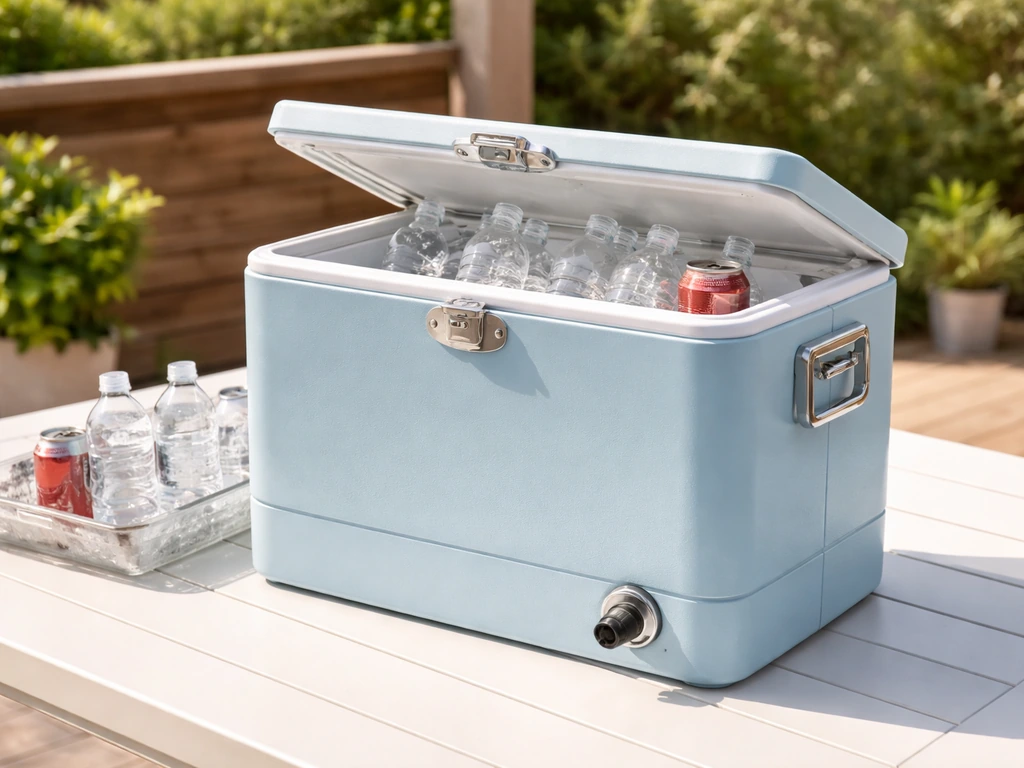
What the Life is Good patio cooler is actually for
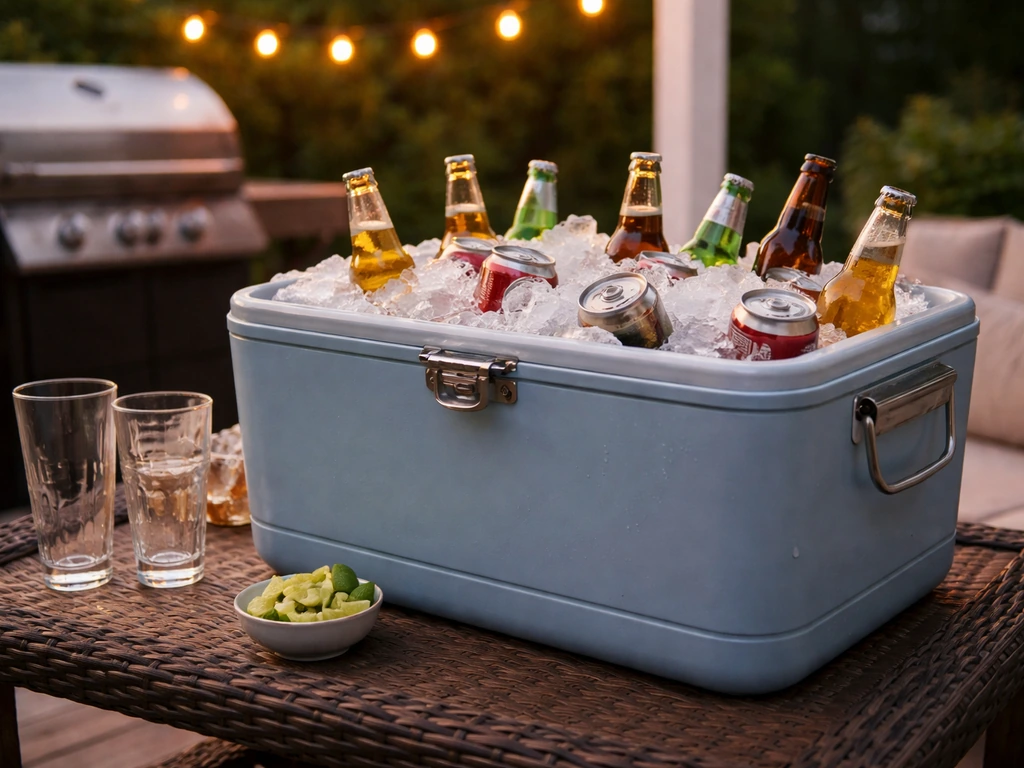
These coolers are built for patio entertaining. Think backyard barbecues, pool parties, weekend lounging, and keeping a cold drink within arm's reach without running inside every ten minutes. The rolling models work especially well on patios because they move easily from the kitchen to the deck, lock in place when you've found your spot, and look intentional rather than like an afterthought.
They're best for homeowners who host regularly and want a dedicated outdoor cooler that doesn't look like a beat-up camping chest. The Life is Good branding leans bright and casual, so they fit patios with a relaxed, social vibe. They're not meant for extended backcountry trips or commercial use (Leigh Country's warranty explicitly excludes commercial use), and they're not trying to compete with premium wilderness coolers like YETI on raw ice retention. They occupy a comfortable middle ground: better insulation than a basic drugstore cooler, solid construction, and accessories that actually matter for patio use.
Before you buy: what to check on specs and quality
Not all Life is Good coolers are built the same way, and the lineup spans quite a range. Here's what to look at before you pull the trigger on any model.
Capacity and footprint
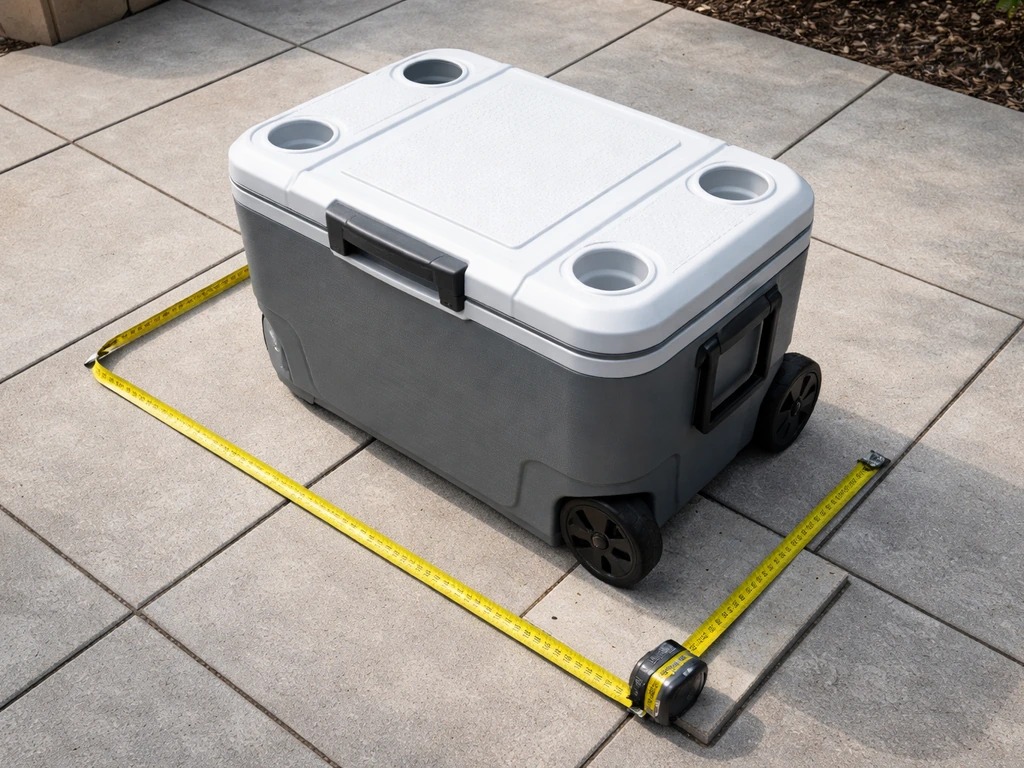
The 60qt Rolling Cooler measures 31 inches wide by 16 inches deep by 32 inches tall and holds up to 80 cans or bottles. That's a serious footprint on a smaller patio, so measure your space before ordering. On the compact end, the 14qt Adirondack Jake cooler is just 11.6 x 9.3 x 14.2 inches and holds 3.5 gallons. The 20-inch Adirondack Cooler sits between those extremes at 20 x 20 x 17.7 inches with a 14-gallon capacity. There's also the 58-can rolling cooler (which detaches from an A.T. cart), offering a 50-can main compartment and an 8-can front compartment for quick grabs without digging into the ice.
Insulation and ice retention
The 58-can rolling cooler uses SuperFoam high-performance insulation combined with a Therma-Flect interior radiant barrier, and Leigh Country claims it keeps ice up to two days. The hard-sided models like the 60qt and 14qt use insulated liners with removable insulated lids. Two days of ice life is realistic in mild to moderate weather with proper prep (more on that below), but in a Phoenix July you should temper expectations regardless of brand.
Construction and durability
The 60qt Rolling Cooler is steel with a powder-coated finish, which looks great but does mean you need to keep it dry between uses to avoid rust. Leigh Country's warranty specifically excludes rust damage, so this isn't a cooler you leave sitting in puddles or stored outdoors all winter. The Adirondack-style models have a different, more decorative build that fits naturally on a porch or patio. Check the drain plug quality on any model you consider; the 20-inch Adirondack and 60qt both include integrated drain plugs with caps.
Accessories included
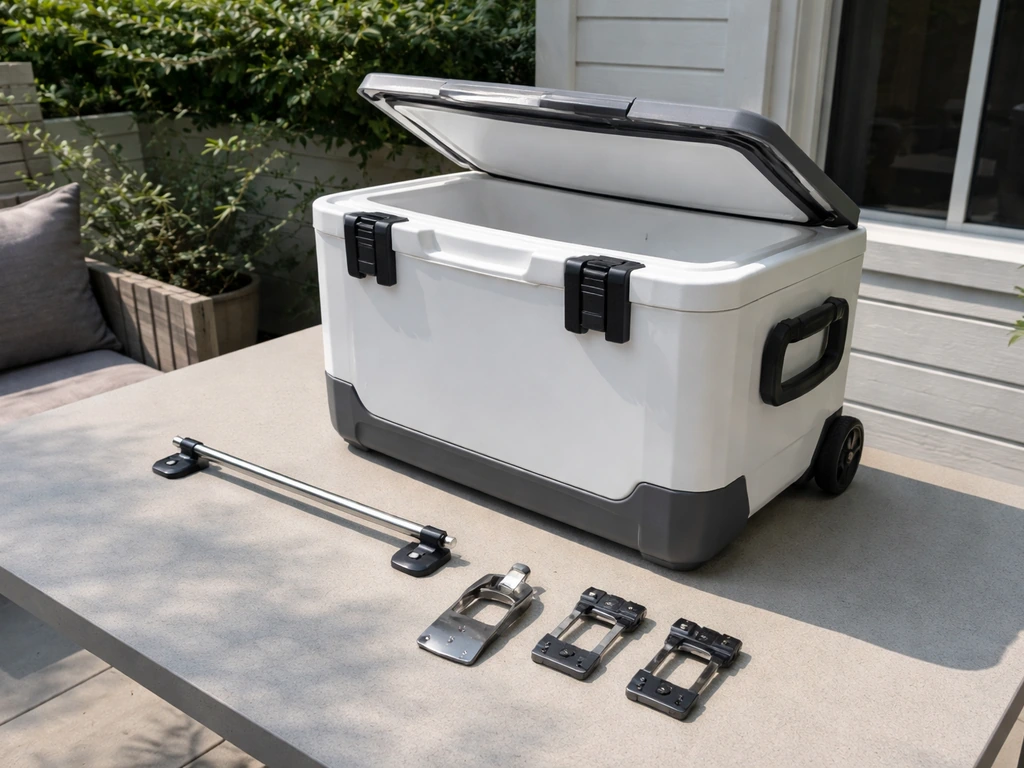
One reason these coolers punch above their weight for patio use is the accessory package. The 60qt Rolling Cooler comes with a towel bar, bottle opener, cap catcher, two locking casters, a drain with cap, and a removable insulated lid. Those aren't afterthoughts; they're genuinely useful on a patio. The 58-can model includes a detachable A.T. cart that collapses to 14 x 8 x 20.5 inches and weighs only 7.44 lbs, making it easy to bring inside when the party's over.
Warranty realities
Every Life is Good cooler from Leigh Country carries a one-year limited non-transferable warranty covering defects in materials and workmanship under normal use. What's excluded matters: commercial use, abusive use, modifications, freeze damage, rust, fading, and improper care are all off the table. Keep your proof of purchase. Don't let the cooler freeze solid over winter, and don't leave it in the elements year-round and expect the warranty to cover the resulting rust or fading.
Picking the right size for your patio and climate
Matching the cooler to your actual setup makes a bigger difference than most people expect. Here's a quick framework.
| Model | Capacity | Best Patio Scenario | Footprint |
|---|---|---|---|
| 14qt Adirondack Jake | 14 qt / ~15 cans | Solo use, small balcony, accent piece | 11.6" x 9.3" x 14.2" |
| 20" Adirondack Cooler | 14 gal / ~40–50 cans | Small to mid-size patio, 2–6 guests | 20" x 20" x 17.7" |
| 58-can Rolling Cooler (A.T. Cart) | 58 cans total | Mid-size patio, frequent hosting | Cart: 14" x 8" x 20.5" collapsed |
| 60qt Rolling Cooler | 60 qt / ~80 cans | Large patio, parties of 10+ | 31" W x 16" L x 32" H |
Climate matters for placement and ice planning more than it affects which model you buy. In hot, humid climates like the Gulf Coast or Florida, even a great insulated cooler will burn through ice faster than the marketing suggests. Plan to replenish ice daily in peak summer. In drier, cooler climates like the Pacific Northwest or higher-elevation areas of the Southwest, you'll get closer to that two-day ice claim. In all climates, shade placement is your single biggest lever for ice life.
Getting the most cold out of your cooler on the patio
How you use the cooler matters as much as which one you bought. These steps make a real difference.
- Pre-chill the cooler the night before. Fill it with ice or frozen water bottles for 8 to 12 hours before adding your actual food and drinks. A warm cooler immediately starts melting whatever you put in it.
- Pre-chill your drinks and food too. Room-temperature cans make the cooler work overtime. Load cold drinks from the fridge or freezer.
- Use block ice alongside cubed ice. Block ice melts significantly slower. Put block ice on the bottom, layer your drinks, then top with cubed ice.
- Keep the lid closed. Every time you open it you lose cold air. For the 58-can model with a separate front compartment, use the front pocket for frequently grabbed items so you're not diving into the main compartment every five minutes.
- Place it in the shade. This is non-negotiable on a hot day. Even moving a cooler from direct sun to shade can double how long your ice lasts. Use a patio umbrella, pergola overhang, or natural shade from your house.
- Don't drain meltwater too early. Cold water keeps the contents cold almost as effectively as ice. Only drain when it starts to overflow or you need to move the cooler.
- Keep the drain cap snug and closed during use unless you're actively draining.
For the steel 60qt model specifically, avoid placing it directly on a surface that traps heat, like a dark composite deck in full afternoon sun. A patio mat or placing it on a shadier section of the deck extends ice life noticeably.
Troubleshooting: when something's not right
Ice not lasting as long as expected
First, rule out placement. A cooler sitting in direct afternoon sun on a hot patio will eat through ice in hours regardless of insulation quality. Move it to shade. Second, check whether you pre-chilled it. Skipping that step alone can cost you half a day of cooling. Third, if the insulated liner is damaged or the lid seal is compromised, cold air escapes constantly. Inspect the liner for any cracks or gaps where it meets the cooler walls.
Leaking water
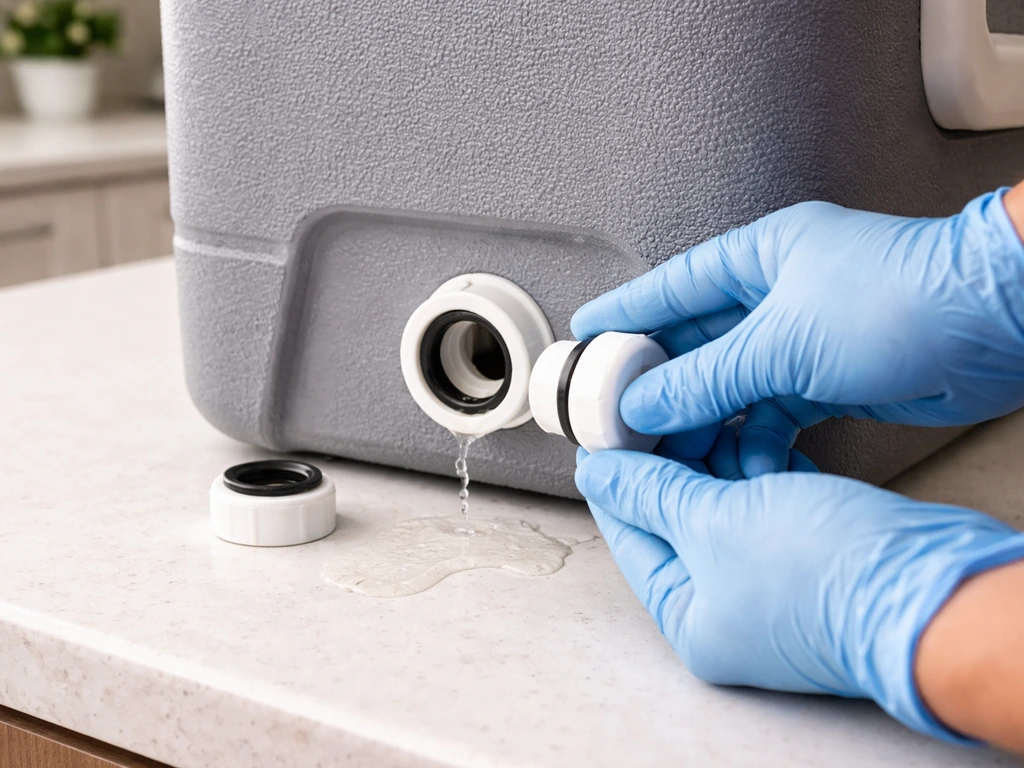
Check the drain cap first. It's the most common culprit. If the cap is loose, cracked, or missing its rubber gasket, meltwater will seep out. On soft-sided models, the heat-sealed PVC liner can occasionally develop a small separation along a seam if the cooler is overfilled and the lid is forced shut. Don't overfill. For hard-sided models, inspect where the liner sits inside the outer shell; if it's shifted, meltwater can find gaps. The Microban antimicrobial liners on the 58-can model are designed to resist this, but physical damage from overfilling or dropping can still create leaks.
Odors and mold
This almost always comes from leaving meltwater sitting inside for too long, especially after a food-heavy party. Drain completely after every use. Wipe the interior liner with a diluted white vinegar solution (one part vinegar to four parts water), rinse thoroughly, and leave the lid open to air dry completely before storing. The Microban protection in the 58-can model inhibits bacterial and mold growth, but it's not a substitute for actually cleaning the cooler.
Lid not closing properly
On the Adirondack Jake model, the self-locking lid can jam if the cooler is overfilled or if debris gets into the hinge area. Clear out any ice chunks near the edges before trying to force the lid. The 60qt model has a removable double lid, so if one section isn't seating right, remove it and reseat it squarely.
Rust spots on the exterior
The 60qt steel body with powder-coated finish is susceptible to rust if the coating gets scratched and the cooler is left wet. Treat small rust spots early with a rust-neutralizing primer touch-up pen, then protect with a clear outdoor sealant. Remember, rust damage is excluded from the warranty, so staying on top of chips in the coating is your job.
Cleaning, storing, and making it last
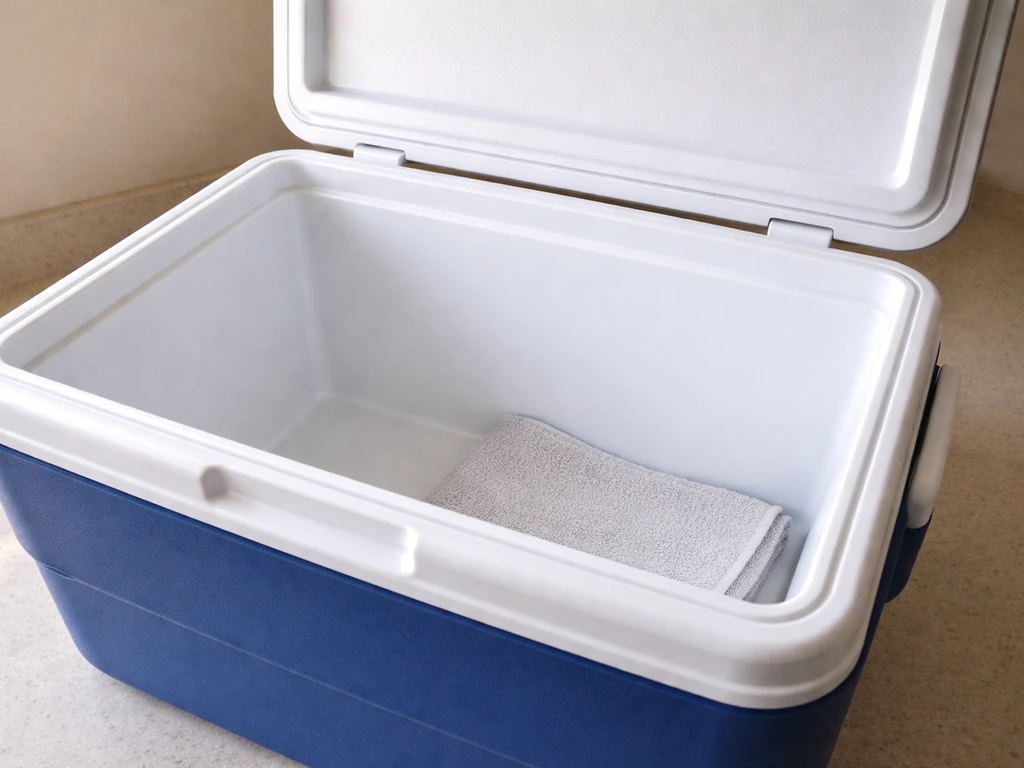
After every use, drain all water and wipe the interior liner clean. For a deeper clean after a party, use mild dish soap and warm water, rinse well, and let it air dry with the lid open for at least a few hours before closing it up. Avoid bleach on the Microban-treated liners as it can degrade the antimicrobial coating over time. Use the vinegar solution instead for deodorizing.
For seasonal storage, this is critical: do not store the cooler with standing water inside, and do not let water freeze inside the cooler. Freeze damage is explicitly excluded from Leigh Country's warranty. Before putting it away for winter, drain it completely, clean and dry the interior, and store it indoors in a garage or basement where temperatures stay above freezing. For the steel 60qt model, a light wipe of the exterior with a dry cloth and then a thin coat of car wax on the powder-coated finish will help protect it from moisture during storage.
The removable insulated liner in the hard-sided models can be taken out and washed separately, which makes deep cleaning much easier. For soft-sided models like the 32-can bag (which uses a leakproof heat-sealed PVC liner), the wipe-clean interior means a damp cloth is usually all you need for regular maintenance.
If a beverage cooler isn't solving your real problem
Here's where I want to be honest with you. If your main frustration is that your patio feels like a furnace and you're searching for a cooler hoping it'll fix that, a beverage cooler isn't your answer. It keeps your drinks cold. It does nothing for air temperature. If your goal is to cool the air itself, you may be better off comparing a best patio evaporative cooler instead of relying on a regular beverage cooler.
For actual patio climate control, you have several directions to explore. Misting systems attach to pergola beams or freestanding posts and can drop perceived air temperature by 10 to 20 degrees Fahrenheit through evaporative cooling. If you want the best outdoor patio cooling system for your conditions, compare misters, evaporative coolers, fans, and shade based on temperature and humidity Misting systems.
A best patio air conditioner option typically means a true air conditioner unit designed for outdoor use, or a specialized portable setup for patio spaces Misting systems. For humid summers, you may also want to compare the best portable air conditioner for patio setups that are designed for outdoor spaces A best patio air conditioner option. They work best in dry climates and are much less effective in high-humidity regions.
Evaporative coolers (swamp coolers) are a step up from misters in terms of air volume, but again lose effectiveness when humidity climbs above about 60 percent. If you are comparing evaporative options, the best outdoor evaporative cooler for patio use is one that matches your local humidity and airflow needs Evaporative coolers (swamp coolers). Patio fans move air and create wind chill, which helps significantly on mildly hot days.
And sometimes the best investment is simply shade: a quality patio cover, shade sail, or pergola with a roof keeps direct solar radiation off your seating area, which cuts the felt temperature dramatically regardless of climate. A portable air conditioner can help take that edge off when you need real, personal cooling on the patio portable air conditioner for patio.
Depending on where you live and how your patio is oriented, a combination approach often works best: a solid shade structure, a patio fan or misting system for air movement, and a Life is Good cooler sitting nearby for cold drinks. If you want real cooling beyond a traditional beverage cooler, use a best patio air cooler approach like evaporative units or outdoor air conditioners instead of relying on cold drinks. Each piece solves a different part of the outdoor comfort equation.
FAQ
Can I use a life is good patio cooler with hot food or only cold items?
It’s designed to hold cold contents, so don’t pack it with very hot food expecting it to stay safe without active cooling. Let food cool to serving temperature first, then load it quickly. If you’re transporting food for longer periods, consider using ice packs or separate insulated containers inside the cooler to avoid warming the whole mass.
What’s the best way to pack ice so the cooler actually lasts longer?
Use pre-chilled ice and reduce warm air intake by filling the cooler as fully as you can. If you have empty space, add more smaller ice pieces or use sealed ice packs to prevent big air gaps. Also, keep the lid closed between refills, since frequent opening is a common reason ice life falls well below the claim.
Does the drain plug cap have to be fully closed for proper cooling?
Yes. If the drain cap is loose, missing, or the gasket isn’t seated correctly, meltwater can leak out and you lose cold retention. Check the cap after each draining, then wipe the area dry so the gasket stays in good contact.
How do I prevent odor buildup if I’m storing the cooler for days between parties?
After draining, wipe the liner, then air dry with the lid open until fully dry. If odors linger, use a vinegar solution (one part vinegar to four parts water) for a deodorizing pass, then rinse thoroughly. Avoid leaving it closed while damp, since trapped moisture is what drives the smell.
Is it safe to use the cooler outdoors in rain or storms?
The coolers can tolerate normal patio conditions, but they are not meant to be left sitting in puddles. For steel models with powder coating, rain exposure between uses can accelerate rust risk, and warranty exclusions apply to rust damage. Use a cover and dry the unit before storing.
Can I leave the cooler outside during winter if it’s drained?
Do not. Even drained coolers can suffer from freeze damage if water remains in seams, around the liner, or near the drain. Store indoors in a garage or basement where temperatures stay above freezing, and keep the lid dry and open during final drying before storage.
How can I tell if my lid seal is failing before it becomes a big leak?
Look for two signs: visible gaps where the lid meets the rim, and unusual meltwater accumulation compared with past performance. You should also feel for cold air escape when the lid is shut. For soft-sided models, overfilling can separate liner seams, so inspect after any time you pressed the lid down heavily.
What should I do if the cooler gets scratched and starts to rust?
Treat early. Clean and dry the area first, then apply a rust-neutralizing primer touch-up over any surface rust. After it cures, protect it with a clear outdoor sealant. If you keep using it without addressing coating damage, rust can spread from one small chip.
How do I choose between the hard-sided Adirondack styles and the rolling models?
Rolling models are usually better if you move the cooler frequently or want locking casters on a deck, while Adirondack styles can work well for porch placement where you don’t need mobility. Also consider footprint, for example the 60qt rolling unit takes more space, and you may want it under shade because placement affects ice life.
Can I use third-party accessories inside the cooler?
You can, but avoid anything that interferes with lid closure or the insulated liner’s seating. For example, add-on containers can create air gaps or force the lid to press unevenly, which can lead to leakage. If you use drink holders or baskets, ensure the liner still sits flush against the cooler walls.
What’s the fastest troubleshooting checklist when my cooler seems to stop cooling?
Do these in order: confirm shade placement, verify it was pre-chilled before loading, check the lid is sealing properly, inspect the drain cap and gasket, and make sure you are not overfilled. If cooling still feels poor, inspect the liner for cracks, seam separations, or liner misalignment that can let cold air escape.
Is it normal for the cooler to have some meltwater left inside after a party?
A small amount is normal, especially in warm conditions. The issue is standing meltwater sitting for too long or any ongoing seepage from a loose drain cap or compromised liner seam. Drain completely after each use, then air dry with the lid open so the liner stays odor-free and corrosion risk stays low.