
A quality awning or patio cover does three things well: it blocks the sun reliably, it holds up through bad weather without you babying it, and it still looks good five years from now. That sounds simple, but the difference between a product that delivers all three and one that sags, fades, or blows apart in a windstorm comes down to a handful of specific specs most sellers gloss over. This guide walks you through exactly what to measure, what materials to demand, how to vet a contractor (including businesses like Quality Awnings and Patios LLC), and how to add comfort features that make your patio actually usable in summer heat. Top patio awnings are a practical way to add reliable shade and weather protection while keeping your outdoor space comfortable year after year.
Quality Awnings and Patios: How to Choose and Verify


What 'Quality' Actually Means for Awnings and Patio Covers
The word quality gets thrown around constantly in this space, so let's pin it down. For awnings and patio covers, quality breaks into four concrete categories: frame durability, fabric or cover performance, hardware and mounting integrity, and weather ratings. A product that scores well in all four is genuinely quality. One that looks beautiful but uses a cheap polyester fabric or undersized mounting brackets is not.
On the fabric side, Lippert (makers of the Solera line) puts it plainly: the fabric is the single most important component of a retractable awning. Solution-dyed acrylic is the gold standard. It's breathable, resists mildew and fading, and most quality brands back it with a 10-year fabric warranty. Vinyl and polyester are cheaper but crack over time and trap moisture. If a quote doesn't specify solution-dyed acrylic, ask why.
For frames, powder-coated aluminum is the go-to for most climates because it resists corrosion and stays light enough for wall-mount applications. Steel frames can work but need proper coating and are heavier. Any frame spec you receive should include the wall thickness or gauge, not just the finish color. On hardware: the quality of the mounting brackets, pitch adjustment bolts, and end caps determines whether your awning is still plumb and functional after a few seasons of thermal expansion and contraction.
Weather ratings are non-negotiable. Ask for the wind load rating in mph (many quality retractable awnings are rated to 25-35 mph before automatic retraction kicks in), plus whether the product has been tested to ASTM D4847, which covers breaking strength, water resistance, tear strength, and colorfastness for woven awning fabrics. If fire resistance matters in your area, ask whether the fabric carries NFPA 701 documentation. These aren't obscure requests, and any reputable supplier should be able to answer them.
How to Measure Your Patio Before You Order Anything
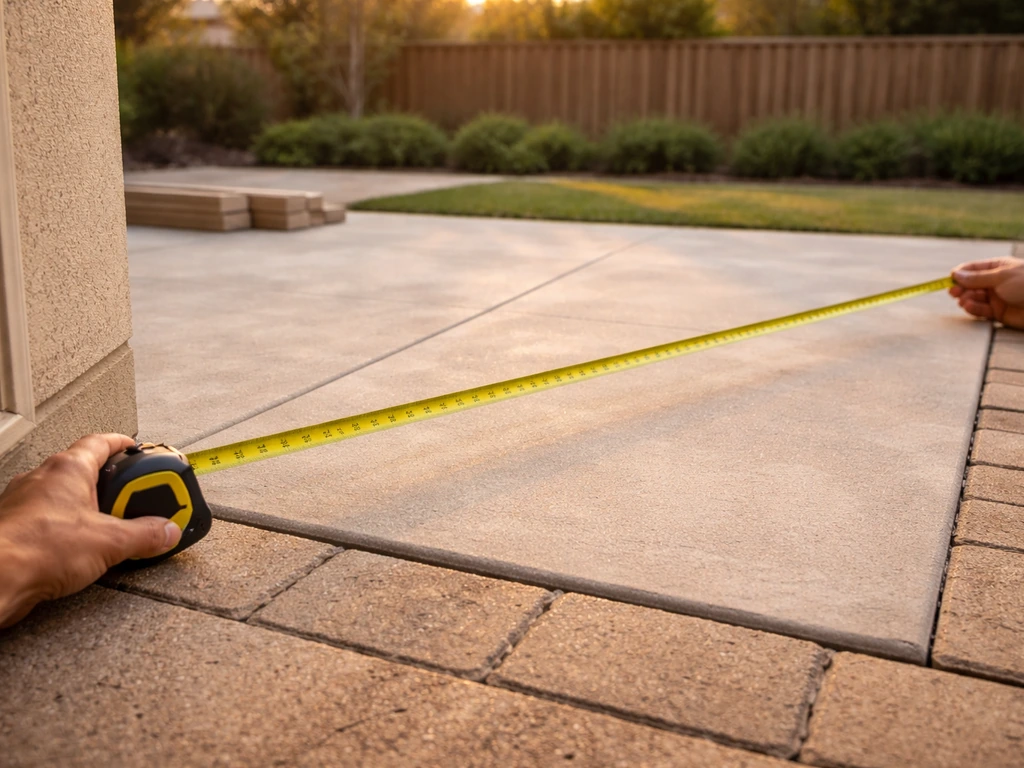
Getting the measurements wrong is the most common homeowner mistake, and it's an expensive one. Before you talk to anyone, grab a tape measure and record four numbers: the usable wall width where the awning will mount, the projection distance you want (how far out from the wall), the height from the deck or patio surface to the bottom of the soffit or roof edge above the mounting point, and the pitch or slope of any existing overhead structure.
For retractable awnings, SunSetter's installation documentation specifies a minimum mounting height of 7 feet 6 inches from the deck or patio surface to the underside of the roof or eave. Awntech’s retractable awning measuring guide similarly emphasizes collecting the exact mounting clearance information installers require, including minimum clearance requirements SunSetter's installation documentation specifies a minimum mounting height of 7 feet 6 inches. That's a real constraint. If your wall doesn't give you that clearance, you're looking at a different mounting configuration or a fixed canopy instead. Measure your wall width along the surface where brackets will go, not the opening you're trying to shade, because the awning frame typically runs wider than the fabric.
Projection and pitch interact in a way most homeowners miss. More projection is not always better. Sunair's technical guides include pitch/projection charts that show how mounting height and pitch angle work together to manage rainwater runoff. An awning pitched too flat with a long projection will pool water, which voids most warranties (SunSetter and Sunair both explicitly exclude water pooling damage). Aim for at least a 5-degree pitch on any retractable, and verify with the manufacturer's chart for your specific projection length.
- Wall width: measure the usable mounting surface, not the window or door opening
- Projection: the horizontal distance from wall to the awning's outer edge when fully extended
- Mounting height: minimum 7 ft 6 in from deck/patio surface to roof/eave at the bracket location
- Pitch: confirm with the manufacturer's chart for your projection length to avoid water pooling
- Clearance for enclosure mounting: if you're enclosing the space, add at least 2–3 inches on each side per most installers' specs
- Drainage: note which direction water will run and confirm it won't pour onto a door threshold or neighbor's property
On permits: Portland's residential permitting guidance exempts patio and porch covers under 200 square feet from a building permit when they meet specific size and support criteria, but that exemption disappears if you're adding electrical, mechanical, or plumbing work. If you're comparing options in Portland, look for an experienced local crew that understands the region's weather and permitting considerations Portland patio cover options. Oregon's Residential Specialty Code (ORSC) governs larger structures. If you're anywhere in Oregon or another state with active residential codes, call your local building department before you start, especially if your project tops 200 square feet or involves any wiring for fans, lights, or a motorized awning motor. It takes one phone call and saves a lot of headaches.
Material and Build Quality Checklist
Use this checklist when evaluating any product or contractor quote. If a supplier can't answer these questions, that's your answer.
| Component | What to Specify or Ask | Red Flag |
|---|---|---|
| Frame material | Powder-coated aluminum, wall gauge/thickness specified | No gauge listed, bare steel, or plastic structural members |
| Fabric type | Solution-dyed acrylic, ASTM D4847 tested | Polyester, vinyl, or no test documentation available |
| Fabric warranty | 10-year fabric warranty is standard for premium acrylic | Less than 5 years or no fabric warranty at all |
| Motor (if motorized) | IP-rated motor, 5-year warranty, load rating listed | No IP/weather rating, warranty excludes normal use |
| Wind sensor | Automatic retraction sensor with specified wind threshold (mph) | Wind sensor sold as an add-on with no warranty coverage |
| Hardware/brackets | Stainless or galvanized fasteners, bracket load rating provided | Unspecified fasteners or thin stamped-steel brackets |
| Cassette/housing | Semi-cassette or full cassette protecting fabric when retracted | Open-roll design with no fabric protection when stored |
| Fire rating | NFPA 701 documentation available where required | No fire test documentation in fire-prone or code-regulated areas |
| Corrosion resistance | Anodized or powder-coated finish, marine-grade hardware in coastal areas | Bare aluminum or uncoated hardware near salt air or pool chemicals |
The cassette or housing design is worth a specific callout. Semi-cassette awnings (like Rolltec's BRAVO line, which carries a 5-year warranty) store the fabric inside a protective housing when retracted, shielding it from UV, rain, and dust. Solera's cassette-type designs do the same and also allow wind-sensor retraction and pitch adjustment. If you live somewhere with harsh winters, strong afternoon sun, or frequent storms, a cassette design isn't a luxury upgrade, it's a durability requirement.
DIY vs. Professional Installation: What to Expect
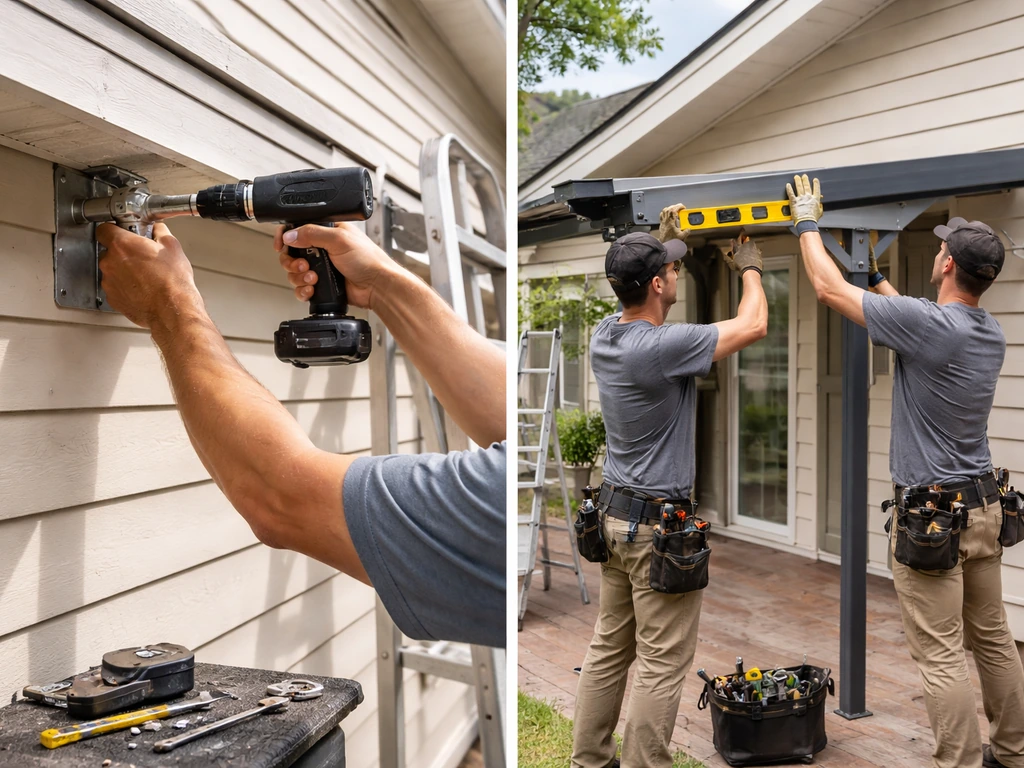
Plenty of homeowners successfully install retractable awnings themselves, and many brands are designed with that in mind. But the honest version of the DIY conversation includes the real risks. Mounting an awning incorrectly transfers load to the wrong part of your wall structure, which can mean bracket pull-out in a windstorm or voided warranty coverage. Most manufacturers require installation per their documentation for warranty to apply. SunSetter's installation guide is explicit on this point: improper installation conditions can affect warranty coverage.
DIY makes the most sense for smaller retractable awnings on wood-framed walls where you can locate studs or blocking easily, where the mounting height is accessible with a standard ladder, and where you're not dealing with masonry, stucco, or irregular surfaces. If your wall is brick, block, or stucco over metal lath, hire someone. The anchoring method changes completely and getting it wrong is a safety issue.
Professional installation typically runs $200 to $600 or more depending on complexity, wall type, and region, on top of the product cost. For a fixed patio cover or pergola structure, professional build is almost always the right call because you're dealing with footings, post loads, and in many cases, permits. The cost to redo a poorly installed structure far exceeds the installation savings.
If you're doing any part of the project yourself, a few things reduce risk significantly: buy from a supplier who provides detailed, product-specific installation instructions (not generic diagrams), use stainless or hot-dipped galvanized fasteners regardless of what comes in the kit, and have a second person for any step involving lifting the awning into position. Most installation errors happen when one person tries to hold and fasten simultaneously.
How to Vet Quality Awnings and Patios LLC (or Any Local Contractor)
When you're hiring a specific company, whether that's Quality Awnings and Patios LLC or another local contractor, the verification process is the same and it's not complicated. It just requires actually doing it rather than trusting the sales pitch. Here's what to check before you sign anything.
License, Insurance, and Bonding
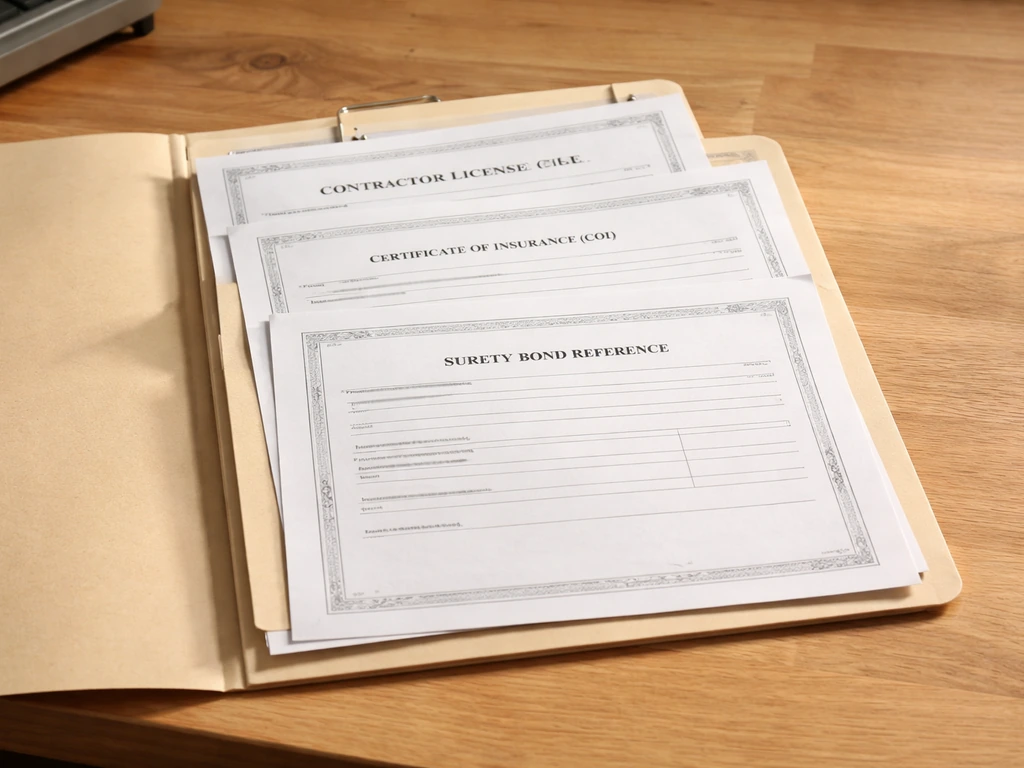
In Oregon, contractors must be licensed through the Construction Contractors Board (CCB) and carry active general liability insurance and a surety bond. Oregon's CCB lookup tool lets you verify a contractor's license status, insurance, and bonding before you hire. If any of those three are expired or missing, the CCB can suspend or fine the contractor's license, and more importantly, you lose most of your legal protection if something goes wrong on your project. Don't rely on the contractor to tell you their status. Look it up yourself at the Oregon CCB website using their license number. This same principle applies in any state: look up the licensing body, verify active status, and confirm the insurance certificate names your project specifically.
What to Ask Quality Awnings and Patios LLC Specifically
Quality Awnings and Patios LLC markets patio cover solutions and claims maintenance-free products on their website. That's a reasonable selling point, but maintenance-free is a marketing phrase, not a warranty. Before you accept that claim, ask for the manufacturer's written warranty on the specific product they're installing, not a company brochure. Get the full exclusion language. Ask whether the warranty is backed by the manufacturer directly or only by the contractor. If the contractor goes out of business, a manufacturer-backed warranty still protects you. A contractor-only guarantee does not.
- Request the CCB license number and verify it on the Oregon CCB lookup tool
- Confirm current general liability insurance and surety bond (ask for a certificate naming your project)
- Ask for the product manufacturer's written warranty with all exclusions, not a summary
- Request photos of at least three completed local projects similar in size and structure to yours
- Ask about the timeline from deposit to installation and whether they pull required permits on your behalf
- Confirm the service area and whether their crews are employees or subcontractors
- Ask specifically what happens if a product defect appears within the first two years
- Check Google, Yelp, and the BBB for reviews mentioning post-installation service, not just the sale
Real project photos matter more than showroom samples. Ask to see installations in your climate, especially if you're in a high-wind corridor, a coastal area, or a region with heavy seasonal rain. A company that's been doing this work locally for years should have a portfolio of local jobs without hesitation.
Comfort Add-Ons That Make Your Patio Actually Usable
Shade alone doesn't solve summer heat if you're in Phoenix, Houston, or anywhere humidity climbs past 60 percent by noon. The difference between a patio you avoid and one you use every evening comes down to air movement and temperature management. The good news is that most of these add-ons can be planned into a new build or retrofitted into an existing cover.
Misting Systems
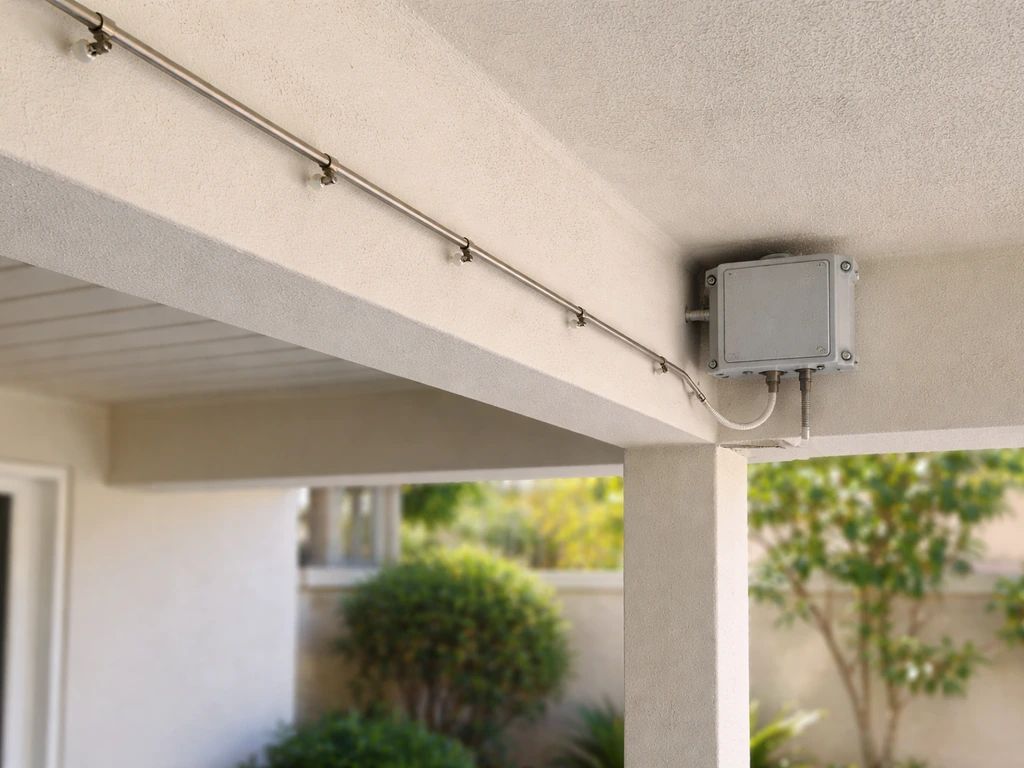
Misting systems work by forcing water through fine nozzles at high pressure, creating a flash-evaporative cooling effect. For a residential patio, you'll typically see two tiers: mid-pressure systems (around 60-100 PSI, usually connected to your garden hose line) and high-pressure systems (250-1,000 PSI, requiring a dedicated pump). Mistcool's documentation describes heavier-duty systems designed for pressures up to 250 PSI. Advanced Misting Systems' WhisperFlow manual specifies not operating above 1,000 PSI and lists a minimum inlet pressure requirement. The practical takeaway: match the pump spec to your water supply pressure and pipe size before buying. An undersized inlet line running a high-pressure pump will cavitate the pump and fail early. High-pressure systems also require GFCI-protected electrical connections and pressure relief valves, so factor that into your installation plan.
Ceiling Fans and Ventilation
A damp-rated or wet-rated ceiling fan designed for outdoor use will move air effectively under a patio cover and can drop the perceived temperature by 4 to 8 degrees. In humid climates, air movement matters more than shade alone. If your patio cover is fully enclosed or has a solid roof, plan for at least one fan per 150 square feet of covered area. For open pergola-style covers, a fan is less critical but still noticeably improves comfort on still days. Make sure any fan wiring is included in your permit if you're doing a permitted build.
Heaters and Fire Safety
If you're extending your patio season into fall or planning use in a cooler climate, outdoor heaters are a natural add-on. The City of Madison's fire safety guidance specifies clearance requirements for portable outdoor heating appliances from buildings, overhangs, and combustible decorations. Under a patio cover, that means mounting or placing heaters with enough vertical and horizontal clearance from the cover material and any fabric elements. Electric infrared heaters are generally safer under covered structures than propane or natural gas units because they produce no open flame. Always confirm your cover material's flammability rating and the heater's minimum clearance spec before mounting anything overhead.
Budgeting: What You Actually Get at Each Price Point
Retractable awning prices span a wide range, and where you land depends heavily on whether you want manual or motorized operation, the fabric tier, and whether installation is included. Electric patio awnings typically cost more than manual options because the motor, controls, and electrical hookup add to the price. Here's a practical breakdown based on current market data.
| Tier | Typical Installed Cost Range | What You Get | Watch Out For |
|---|---|---|---|
| Budget manual retractable | $500–$1,200 installed | Basic powder-coated frame, polyester or entry-level fabric, manual crank operation | Short fabric warranty (under 5 years), open-roll design with no fabric protection, limited wind resistance |
| Mid-range manual or motorized | $1,200–$2,500 installed | Aluminum frame, solution-dyed acrylic fabric, 5–10 year fabric warranty, semi-cassette housing | Motor warranties vary widely; confirm exclusions and whether sensor is included or extra |
| Premium motorized retractable | $2,500–$5,000+ installed | Full-cassette housing, premium acrylic fabric, integrated wind sensor, IP-rated motor, 10-year fabric warranty | Wind sensor often excluded from warranty coverage per manufacturers like Sunair; verify separately |
| Fixed patio cover / pergola (aluminum) | $4,000–$12,000+ installed | Structural aluminum posts and beams, solid or louvered roof, often includes electrical rough-in | Permit required above 200 sq ft in most jurisdictions; confirm contractor pulls permits |
| Motorized pergola (premium materials) | $15,000–$30,000+ installed | Motorized louvers or retractable roof, integrated lighting/fans, powder-coated steel or aluminum structure | Complex electrical requirements; ensure licensed electrician is part of the crew, not an afterthought |
Motorized models consistently cost more than manual models at every tier, with HomeAdvisor's 2025 cost data and Angi's 2026 motorized pergola pricing both confirming that the motorization premium is real and grows with structure size. That premium is often worth it for accessibility reasons or for larger awnings where reaching a crank is impractical, but for a 10-foot wide awning over a small patio, a quality manual model with a good fabric spec will outlast a cheap motorized one every time. Manual patio awnings UK shoppers often prioritize strong fabric specs, reliable wind ratings, and straightforward installation that suits their wall space.
When comparing quotes, don't just compare the bottom line number. Ask each contractor to itemize the frame spec, fabric spec, warranty length and exclusions, permit fees, and installation method. Two quotes for the same dollar amount can represent dramatically different products. The evaluation criteria in the material checklist above translates directly into quote comparison, which is how you avoid buying on price and ending up with a replacement job in three years.
Matching Your Awning or Cover to Your Home's Style
Functionality gets you the right product on paper, but aesthetics determine whether you're actually happy with it. Awning and patio cover styles generally fall into a few categories: retractable fabric awnings (which come in hundreds of stripe and solid patterns and work well on traditional and craftsman-style homes), fixed metal canopies (which suit modern and contemporary exteriors and add architectural interest), louvered pergolas (which are currently the most popular premium choice for transitional and modern homes because they bridge indoor-outdoor living without looking like a construction project), and classic wood or vinyl pergolas (which work well on traditional homes but require more maintenance than aluminum alternatives).
Color and fabric pattern choice affects more than aesthetics. Darker fabrics absorb more heat but typically provide better UV blockage. Lighter fabrics reflect more heat but may transmit more light underneath. Striped patterns tend to show dirt less than solid light colors. If your home's trim is a specific color, ask whether the frame finish comes in a match or close approximation, most aluminum frame manufacturers offer a range of powder-coat colors beyond the standard bronze and white.
Your Next Steps Right Now
Here's what to actually do today if you're ready to move forward. Start with your measurements: wall width, projection need, mounting height, and drainage direction. Then decide whether you're on a retractable awning path or a fixed cover/pergola path, because those involve different contractors, different permits, and different budgets. If you're deciding between an offset patio umbrella and a retractable awning, consider how wind exposure and setup time affect your day-to-day comfort retractable awnings. When you compare options, focus on what fits your space best, whether that is a may awning or patio cover style. Once you know the product type, request at least three quotes with itemized specs using the material checklist above. For any Oregon contractor including Quality Awnings and Patios LLC, verify the CCB license, insurance, and bond before you sign a contract. Ask every contractor for local project photos and the full manufacturer warranty document. Finally, plan your comfort add-ons from the start, it's cheaper to rough in wiring for a fan or misting line during installation than to retrofit it later.
If you're still comparing specific product categories, understanding the full cost picture for electric patio awnings, the waterproofing expectations for different cover types, and what the top-rated retractable awnings look like on paper will all help you sharpen your decision. If you're specifically trying to get waterproof patio awnings, focus on the cover material, water-resistance claims, and how well the pitch helps rain drain away. If you're wondering how much patio awnings cost in the UK, pricing usually depends on size, fabric type, and whether you choose manual or motorized operation how much are patio awnings uk. The goal isn't the fanciest option or the cheapest one. It's the one that still looks good and functions correctly five years from now without drama.
FAQ
How do I know if a “waterproof” patio awning will handle heavy rain or just resist splashing?
Not necessarily. “Waterproof” and “water resistant” are different performance promises. Ask for the manufacturer’s language on water pooling and cover drainage, and confirm whether the system is designed for rainfall runoff versus blocking drizzle. If the pitch is too flat for your projection, water pooling can be excluded from the warranty even when the fabric is water-resistant.
If my awning is rated for 25 to 35 mph, do I still need to retract during storms?
The strongest wind ratings only apply when the awning is retracted or secured correctly. Confirm the automatic retraction trigger setting (and whether it uses a wind sensor or a manual procedure), and ask what happens in winds above the rated threshold. Also request guidance on how quickly you can retract safely, since delays after gusts start can exceed the test conditions.
What warranty details should I confirm beyond the total number of years?
Ask whether the warranty covers labor, parts, and removable components like end caps and motor assemblies separately. Many “solution-dyed acrylic” and frame warranties still exclude damage from improper pitch, wrong mounting substrates, or failures tied to installer error. Get the full exclusion page, and confirm the claim process involves the manufacturer or the contractor.
What’s the right way to measure for fabric coverage, not just wall width?
For retractables, the most reliable method is to measure along the mounting wall where the brackets will sit, then ensure the frame is wide enough so the fabric actually covers the shaded area you want. If you base measurements on an opening or the patio edge, you can end up with brackets placed correctly but insufficient fabric coverage or uneven hang.
Can I add wiring for a fan or misting after installation, or should I plan it during the awning build?
Outdoor-rated is not the same as weatherproofed for the exact installation. If you plan to run wiring for fans, misting, or motorized controls, ask whether the electrical components are rated for wet locations, and confirm if the wiring method requires conduit behind the cover or can run through approved channels in the wall. In permitted projects, wiring omissions can stop inspection.
Is “more slope is better” when pitching an awning for rain drainage?
Too much pitch can also create problems, like excessive run-off directly toward doors or low areas, and it can change how the fabric tracks under load. Use the manufacturer’s pitch/projection chart for your exact projection and mounting height, then verify where the runoff will go (gutters, ground, planter beds) so you avoid water intrusion where you do not want it.
How do I make sure the contractor’s mounting method matches my wall material?
Yes, but only if the anchor plan matches your wall type and structure. Wood-framed walls often allow stud-based fastening, while brick, block, stucco over lath, or metal lath can require different anchors and a different fastening depth or method. If the quote does not specify the anchoring method for your substrate, treat it as incomplete.
Do I need a permit if I’m only adding comfort upgrades like fans, heaters, or misting?
Often, but not always. If your cover is designed to include a fan, misting line, or motor controls, you may need electrical permits and inspections even for “maintenance” add-ons. Ask the contractor or permit office whether a permit is required for new wiring, new plumbing lines, or changes to existing circuits before you schedule the work.
How should I decide between one fan and multiple fans for my patio cover type?
For outdoor ceiling fans under a solid roof or close-to-solid patio cover, airflow can be trapped, which reduces comfort and increases heat buildup. Ask whether the fan is damp-rated versus wet-rated for the specific exposure, and confirm your fan count and mounting height strategy for enclosed sections. For open pergola-style covers, you may need fewer fans, but placement still matters on still days.
What does “maintenance-free” really mean for awnings and patio covers?
If a system says “maintenance-free,” verify what maintenance is actually excluded, like washing intervals, lubrication, or normal inspections for fasteners and seals. Maintenance-free usually does not mean “no inspections,” it often means no routine staining or sealing. Require the manufacturer’s cleaning and inspection instructions so you do not accidentally violate warranty conditions.
How can I tailor wind safety to my specific location instead of using only a generic mph rating?
At minimum, request the wind-load calculation or the specific test basis tied to your product line, then compare it to your exposure level (coastal, high-wind corridor, open terrain). If your area sees frequent gusts, prioritize cassette housing for retractables and proper end-cap design, and ask if the installation includes any reinforcement on the mounting structure.
How do fabric color and pattern choices affect heat, light, and fading over time?
Yes, and it affects comfort and glare as much as UV protection. Darker fabrics generally absorb more heat, which can increase surface temperature, while lighter fabrics can reflect heat but may transmit more light underneath. Before ordering, ask for sample swatches or fabric test photos, and confirm whether the color choice impacts warranty eligibility for fading.