
For most homeowners, porcelain pavers or concrete pavers are the best outdoor patio flooring choice. Porcelain handles freeze-thaw cycles, heat, rain, and heavy use better than almost anything else, while concrete pavers offer similar durability at a lower price point with easier repairs. That said, the "best" material really does depend on your climate, drainage situation, how you use the space, and what you're willing to spend.
Best Outdoor Patio Flooring: Choose the Right Material

Elise Prescott
29 Apr 2026
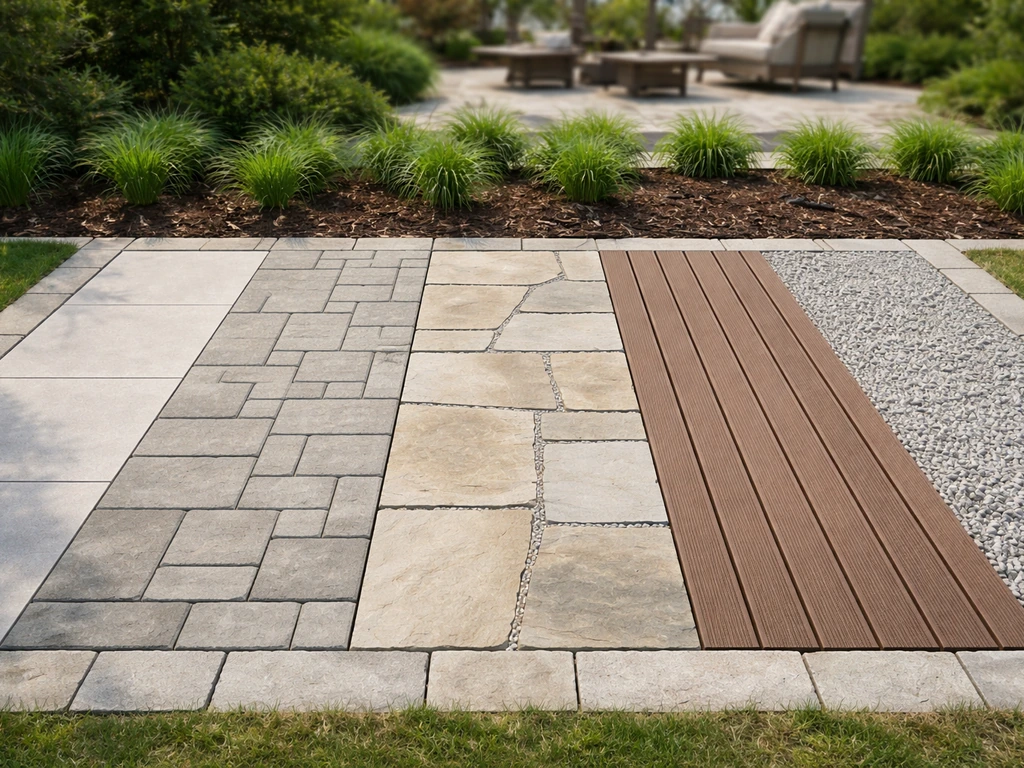
For many homeowners, the best surface for an outdoor patio ends up being the one that balances durability, slip resistance, drainage, and maintenance for your specific climate best surface for outdoor patio. This guide walks you through every major material, matched to real-world conditions, so you can make a confident call instead of guessing.
How to choose patio flooring (start here)
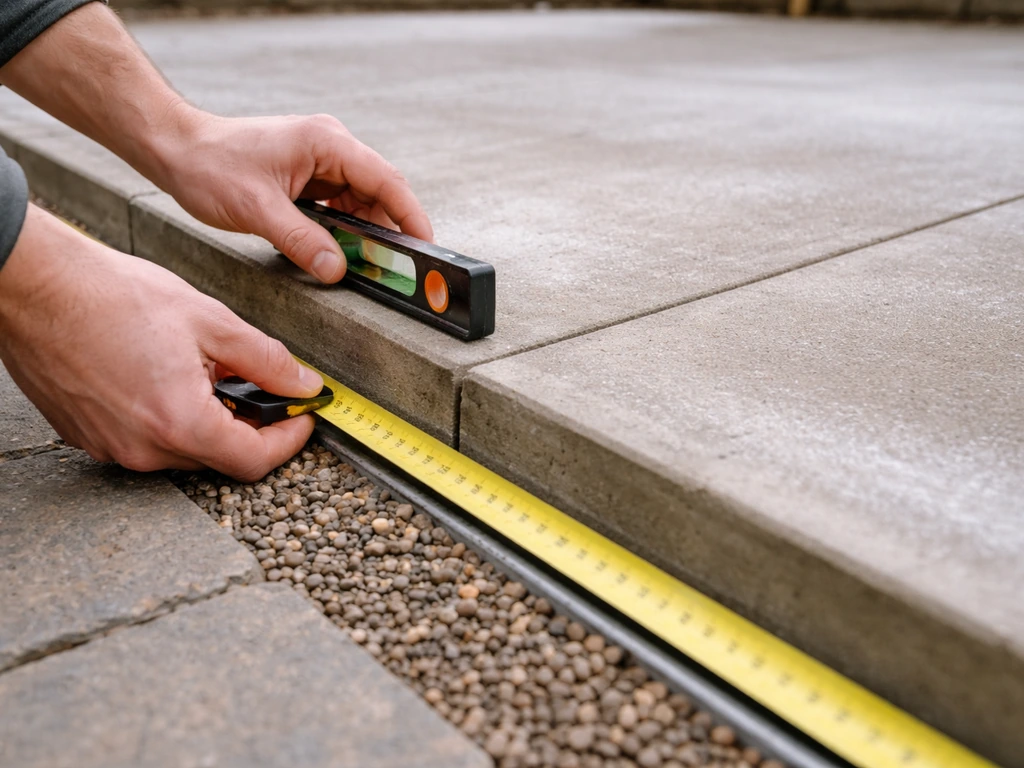
Before you pick a material, you need to be honest about your site conditions. If you're still deciding on the best patio floor covering for your space, focus on climate, drainage, slip resistance, and maintenance first. A lot of homeowners skip this step and end up with beautiful flooring that cracks by year two or turns into a slip hazard every time it rains. Ask yourself these questions first.
- Climate: Does your area get hard freezes? Freeze-thaw cycling is one of the biggest killers of outdoor flooring. Materials that absorb water and then freeze crack from the inside out. If you're in Minnesota, Colorado, or anywhere with real winters, this has to be your top filter.
- Drainage and subbase: Does water pool on your patio or drain away quickly? Poor drainage destroys nearly every flooring type over time. Your soil type (clay vs. sandy) and whether you have a concrete slab vs. compacted gravel base also dictates which materials are even viable.
- Sun exposure: A south-facing patio in Arizona baking in direct sun all day needs a light-colored, low-heat-absorbing material. Dark porcelain or black composite decking in that environment gets too hot to walk on barefoot.
- How you use the space: Heavy furniture, grills, kids, dogs, and frequent barefoot use all matter. Some materials scratch or stain easily; others are basically indestructible.
- Budget: Materials cost is only part of the equation. Base prep and labor often cost as much as the surface itself. Know your total budget, not just what you're willing to spend at the tile store.
Once you've answered those questions, the rest of this guide will make a lot more sense. You're not just picking a pretty surface, you're matching a system to a set of real conditions.
Top outdoor patio flooring materials: what each one is actually like
Here's an honest breakdown of the main materials people use for outdoor patio flooring. I've tried to cut through the marketing and focus on what actually matters for longevity, comfort, and realistic maintenance.
Porcelain tile and pavers
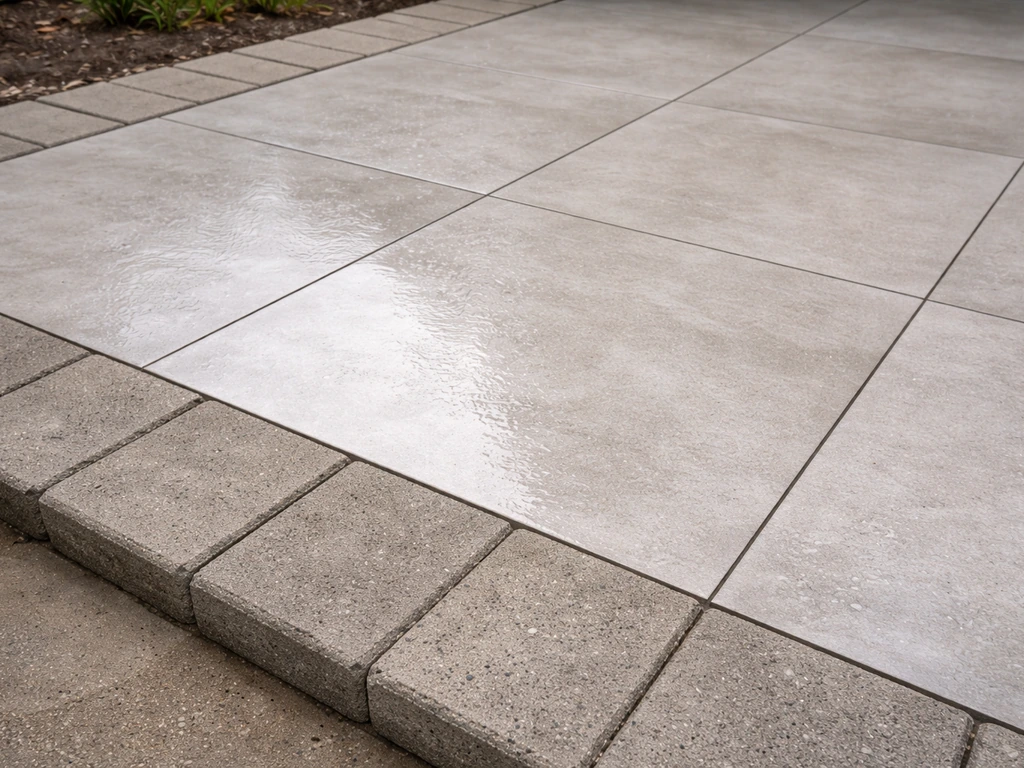
Porcelain is the gold standard for outdoor flooring right now, and for good reason. It has a water absorption rate below 0. 5% (verified by ISO 10545-3 standards), which is what makes it so resistant to freeze-thaw damage. When water can't get into the tile body, it can't freeze and crack the material from within.
Outdoor porcelain pavers are typically 20mm thick, which adds structural stability for direct-set or pedestal installations. They're available in wood-look, stone-look, and modern large-format styles, and they genuinely look premium. Scratch and stain resistance is excellent. The downsides: they're expensive, heavy, slippery when wet unless you specifically choose a textured/anti-slip finish, and installation requires a properly waterproofed and leveled substrate with [expansion joints (per TCNA EJ171 guidelines)](https://www.
reddit. com/r/Tile/comments/1ry2lea/advice_needed/) to prevent cracking at grout lines. This isn't a great DIY-first material unless you have tile experience.
Concrete pavers
Concrete pavers are the workhorse of outdoor patio flooring. They're sold in a huge range of shapes, textures, and colors, they're relatively affordable, and if one cracks or stains, you can pull it up and replace it without redoing the whole patio. They handle foot traffic, furniture, and grilling proximity well.
The main downsides are that they can fade over time in intense UV, they absorb more water than porcelain (which means more freeze-thaw vulnerability in harsh climates unless you seal them), and the cheaper end of the market can look a bit plain. Sealing every two to three years dramatically extends their life and keeps colors vibrant. For most homeowners balancing budget and durability, concrete pavers are the practical sweet spot.
Natural stone (flagstone, bluestone, travertine, slate)
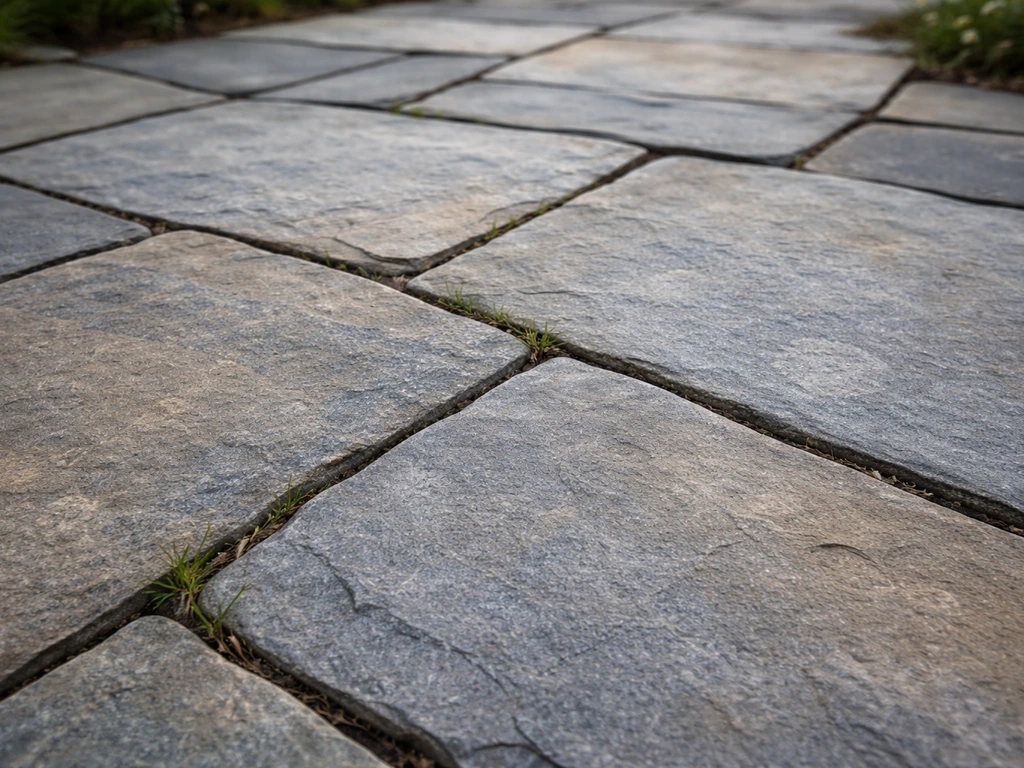
Natural stone is beautiful and genuinely unique. Flagstone and bluestone are popular in the northeast and mid-Atlantic for that reason. But natural stone is porous, which means it needs regular sealing to resist staining, and its freeze-thaw performance varies significantly by stone type. Dense bluestone and slate fare reasonably well. Travertine is stunning but notoriously porous, and the natural holes can trap debris. Slate can be slippery when wet. Stone is also expensive and heavy, and installation requires more skill than pavers. If you love the look, it's worth it, but go in knowing the maintenance commitment is real.
Composite decking (used as patio flooring)
Composite decking boards are sometimes used as a ground-level patio surface laid on sleepers or a frame, especially when homeowners want a warmer, softer feel underfoot than stone or tile. Modern composite materials have come a long way, they resist rot, fading, and splintering far better than wood. The downside is heat retention. Dark composite in a sunny climate gets extremely hot in summer. Lighter colors help, but even those can be uncomfortable barefoot on a hot July afternoon. Composite is also not ideal for areas with standing water unless it's specifically designed for ground-level drainage. Best use case: shaded patios, or where you genuinely prefer the feel of a wood-like surface over stone.
Stamped concrete
Stamped concrete is popular because you get a single poured slab with a decorative surface that can mimic stone, brick, or tile at a lower per-square-foot cost than the real thing. It looks great when it's new. The problem is that concrete cracks over time, especially in freeze-thaw climates, and once a stamped surface cracks the repair is visible and difficult to match. It also requires sealing every one to three years to maintain its appearance and slip resistance. If you're on a concrete slab already and want to upgrade the look, consider whether overlay or refinishing (or even porcelain tile on top) is a better long-term play than a full stamped pour.
Gravel, decomposed granite, and loose-fill materials
Gravel and decomposed granite (DG) are the most affordable patio flooring options and have excellent drainage. They work well in dry climates and naturalistic garden settings. They're not comfortable for furniture arrangements (chairs sink in), not great for barefoot use, and require periodic raking and replenishment. Decomposed granite compacts better than loose gravel and is more stable underfoot. In wet climates, gravel can shift and get muddy. These materials are best viewed as budget fillers or accent zones rather than primary seating area flooring.
Rubber and interlocking tiles
Rubber tiles and interlocking foam or plastic deck tiles are often marketed as easy DIY patio flooring. They're comfortable underfoot and provide good slip resistance. The honest reality: most aren't designed for permanent outdoor exposure to UV, temperature extremes, and wet conditions. They fade, warp, and degrade faster than hard materials. The best applications are covered patios, gym-style outdoor areas, or temporary setups. For a permanent patio you want to last decades, these are rarely the right primary surface.
| Material | Freeze-Thaw Suitability | Slip Resistance (wet) | Heat Retention | Maintenance Level | Relative Cost | Best For |
|---|---|---|---|---|---|---|
| Porcelain pavers | Excellent (< 0.5% water absorption) | Good with textured finish | Moderate to high (light colors help) | Low | $$$$ | Premium patios, all climates |
| Concrete pavers | Good (seal regularly) | Good with textured surface | Moderate | Low-Medium | $$ | Most homeowners, budget-conscious |
| Natural stone | Varies by type | Varies (slate can be slippery) | Moderate | Medium-High | $$$–$$$$ | Aesthetic-first buyers, moderate climates |
| Stamped concrete | Moderate (cracks over time) | Fair (degrades if not sealed) | Moderate to high | Medium | $$–$$$ | Slab replacements, mild climates |
| Composite decking | Good | Good (grooved boards) | High in sun | Low | $$$ | Shaded patios, deck-feel preference |
| Gravel / DG | Excellent (drains freely) | Poor for furniture | Low | Low (raking) | $ | Dry climates, garden paths, budget zones |
Best picks by climate
Climate is probably the single biggest factor in whether a patio floor holds up or fails within a few years. Here's how to think about it by region.
Hot and dry climates (Phoenix, Las Vegas, inland California)
Heat retention is the enemy here. Dark materials absorb solar radiation and can reach surface temperatures of 150°F or higher on a summer afternoon. Research on cool pavements shows that lighter colors and high-albedo (reflective) surfaces significantly reduce peak surface temperatures and reduce radiant heat exposure at the pedestrian level. For these climates, choose light-colored porcelain, light concrete pavers, or travertine. Travertine is actually a traditional choice in hot climates specifically because it stays relatively cool underfoot. Avoid dark stone, dark composite, or anything that soaks up heat. If you love a darker look, consider using it only in shaded areas.
Freeze-thaw climates (Midwest, Mountain West, Northeast)
If your area cycles between freezing and thawing through the winter, water absorption is your primary material filter. Any material that absorbs water and freezes will eventually crack or flake. For tile and stone specifically, ASTM C1026 is the U. Example manufacturer test data PDFs like this one can explicitly reference ASTM C1026 freeze-thaw resistance testing to demonstrate freeze-thaw performance [Test Data / ASTM C1026 freeze](https://www.
arto. com/site/downloads/Test%20Data/TESTING%20CLAY%202015/ARTO%20Monrovia%20Red%20ASTM%20C1026%20Freeze%20Thaw%20Resistance. pdf). S.
standard test for freeze-thaw resistance, and porcelain passes it comfortably because of its sub-0. 5% water absorption. For concrete pavers, choose denser, higher-quality units and seal them annually. Stamped concrete can work but needs proper control joints and is more vulnerable to cracking as the slab heats and cools.
Expansion joints in tile assemblies (per TCNA EJ171 standards) are critical here, without them, the tile system will crack from thermal movement. Natural stone choices like dense bluestone or slate perform better than softer or more porous options.
Wet and humid climates (Southeast, Pacific Northwest, Gulf Coast)
In constantly wet conditions, slip resistance and drainage are your top priorities. Smooth tile becomes a genuine hazard when wet. ANSI/NFSI B101.3 sets the wet dynamic coefficient of friction (DCOF) threshold for slip-resistant surfaces at above 0.42, and in wet climates you want to specifically confirm that any tile you buy meets or exceeds that. Textured porcelain, brushed natural stone, and broom-finished concrete all perform well. You also need excellent drainage, either permeable materials like gravel borders, or proper surface slope (minimum 1/8 inch per foot away from the house). Mold and mildew are ongoing concerns in humid environments, so materials that don't harbor organic growth (porcelain, sealed concrete) are preferred over untreated wood or natural fiber products.
Mild, temperate climates (coastal California, Pacific Northwest summers, mid-South)
You have the most flexibility here. Almost any material will perform well without the extremes of freeze-thaw cycling or brutal summer heat. This is where natural stone, stamped concrete, and composite decking shine because you don't need to worry as much about their respective climate vulnerabilities. Focus your decision on aesthetics, maintenance preferences, and budget.
Surface and design considerations: slip resistance, drainage, comfort, and style
Slip resistance
Slip resistance is non-negotiable for outdoor patio flooring, and it's something a lot of homeowners don't think about until someone falls. The wet DCOF threshold of 0.42 (per ANSI/NFSI B101.3-2022) is the industry standard for hard walking surfaces. When shopping for tile or pavers, ask for the DCOF rating. Smooth, polished tile almost always fails this threshold when wet. Textured, matte, or anti-slip surfaces are what you want for outdoors. For natural stone, honed and flamed finishes are safer than polished. Stamped concrete is reasonably slip-resistant when the sealer is fresh but can get slick once the sealer wears and the surface smooths out.
Drainage
Every patio surface needs to drain. The standard recommendation is a slope of at least 1/8 inch per linear foot away from your home's foundation. For impermeable surfaces like tile and concrete, this slope is the only drainage mechanism, so getting it right during installation is critical. For permeable options like pavers with open joints filled with gravel or sand, water drains through the gaps, which is a real advantage in wet climates and helps reduce pooling. If your site has drainage problems already, installing impermeable flooring without addressing the underlying issue will make things worse, not better.
Barefoot comfort and heat
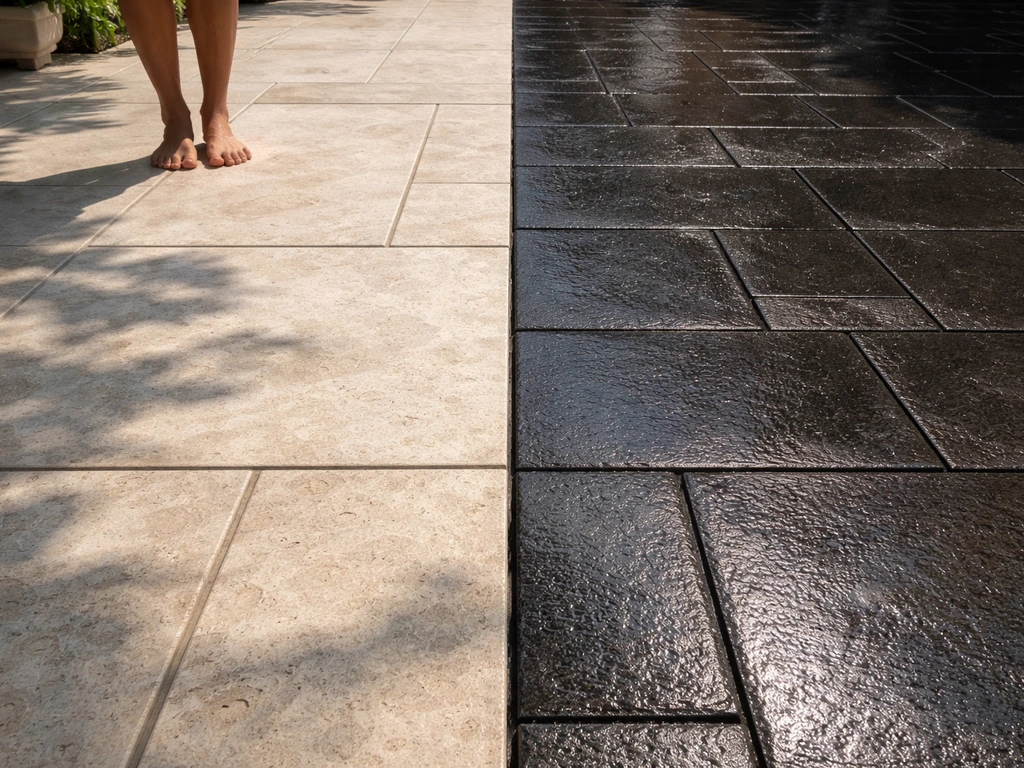
If you use your patio barefoot, surface temperature matters a lot. Light-colored materials with higher solar reflectance stay significantly cooler than dark ones. Travertine, light-gray concrete pavers, and light porcelain are consistently cited as comfortable barefoot surfaces in warm climates. Composite decking and wood have lower thermal conductivity than stone, so they feel warmer underfoot on cool mornings and cooler on hot days. Dark slate or dark porcelain in full sun can be genuinely uncomfortable.
Style and scale
Large-format tiles (24x24 or 24x48) read as more contemporary and make smaller patios feel larger. Traditional running-bond or herringbone patterns with standard-size pavers have a classic look. For a cohesive design, try to match or complement your home's exterior materials. If your house has warm-toned brick, cool-toned gray porcelain can feel disconnected. Color and texture consistency between the patio floor and surrounding elements like walls, pergola posts, and planters always looks more intentional. If you're also considering outdoor flooring around a pool specifically, the slip-resistance and heat-retention factors discussed here apply even more directly to that context.
Installation: what's involved and when to hire a pro
The surface material is only half the job. Proper base preparation is what determines whether your patio lasts 5 years or 25 years, and it's where most DIY installations go wrong.
Base preparation
For concrete pavers laid in sand, the standard approach is 4 to 6 inches of compacted gravel base, plus 1 inch of bedding sand, with plastic or aluminum edging to keep the pavers contained. The gravel base needs to be sloped correctly and compacted in lifts. For tile set in mortar on a concrete slab, the slab needs to be level, structurally sound, and properly waterproofed before tile goes down. MAPEI's technical guidance is clear: tile and grout are not waterproof, and when the substrate can be damaged by moisture, a dedicated waterproofing membrane must go down first. This is especially important on elevated decks or balconies, but it's good practice anywhere.
Expansion joints matter more than most people realize
If you're installing tile or large-format porcelain, expansion joints are not optional. Thermal expansion and contraction will crack a tile field without them, especially in climates with temperature swings. TCNA EJ171 detailing specifies where and how these movement joints should be placed (typically at perimeter edges, at transitions, and within large fields). Noble’s 2025 Exterior Deck Systems design guide also provides exterior tile movement joint width guidance, including a minimum 3/8-inch joint for 8-foot on-center joints and a minimum 1/2-inch joint for 12-foot on-center joints, referencing TCNA EJ171 blank" rel="noopener noreferrer">movement joints should be placed. The joints are filled with a flexible sealant, not grout. Skipping this step is the number-one reason DIY tile patios crack within a few years.
DIY vs. hiring a professional
Concrete paver patios on a straightforward flat grade are the most DIY-accessible option. If you're comfortable renting a plate compactor, can do basic grading, and have a weekend to commit, it's doable. Stamped concrete should almost always be a professional job, the timing, tools, and technique required for a quality result are difficult for a first-time installer to replicate.
Porcelain tile on a concrete slab is intermediate: a skilled DIYer with tile experience can do it, but waterproofing, substrate prep, expansion joint placement, and lippage control (getting adjacent tiles level) all require attention to detail. For any installation involving significant grading changes, drainage corrections, or tearing out existing concrete (which adds cost and complexity), hire a pro. The base prep is where long-term performance is won or lost.
Maintenance, cleaning, and how long each material lasts
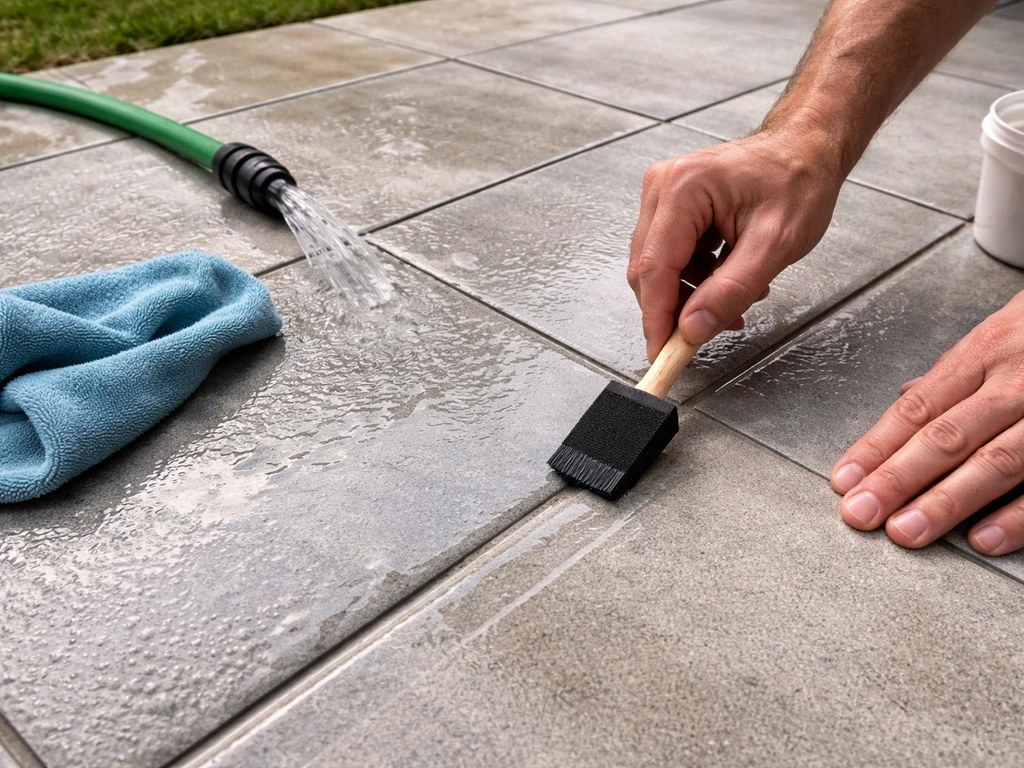
Every patio material needs some maintenance. The question is how much, how often, and what happens if you skip it.
| Material | Routine Cleaning | Sealing Required | Resealing Frequency | Expected Lifespan | Repairability |
|---|---|---|---|---|---|
| Porcelain pavers | Hose/mop; mild detergent for stains | No (optional enhancer sealer) | N/A | 30+ years | Individual pavers replaceable |
| Concrete pavers | Hose/pressure wash; weed joint sand | Yes | Every 2–3 years | 25–30 years | Individual units replaceable |
| Natural stone | Gentle soap and water; avoid acidic cleaners | Yes (critical) | Annually | 25–50+ years (with care) | Moderate; patches visible |
| Stamped concrete | Hose/pressure wash | Yes (preserves color/texture) | Every 1–3 years | 15–25 years | Difficult to match repairs |
| Composite decking | Soap and water; occasional deck cleaner | No | N/A | 25–30 years | Board-by-board replacement |
| Gravel / DG | Rake and replenish | No | N/A | Indefinite (replenish as needed) | Excellent (just add material) |
Porcelain is genuinely the lowest-maintenance hard surface on this list. Its near-zero water absorption means stains sit on the surface rather than soaking in, and you don't need to seal it. Concrete pavers and natural stone both need periodic sealing to maintain their appearance and protect against freeze-thaw and staining. If you skip sealing concrete pavers for five or six years, they'll still be functional but will look faded and become harder to clean. Stamped concrete that loses its sealer starts to look chalky, and the surface becomes more slippery. Budget for maintenance when you budget for the material, it's part of the real cost.
What to budget and how to think about upgrades
Cost ranges vary a lot by region, material quality, and site complexity, but here's a realistic framework to work with as of 2026. These are typical installed costs (materials plus labor) per square foot.
| Material | Typical Installed Cost (per sq ft) | Key Cost Drivers | Budget-Friendly Alternative |
|---|---|---|---|
| Porcelain pavers | $15–$35+ | Tile cost, substrate prep, waterproofing, labor | Concrete pavers |
| Concrete pavers | $8–$20 | Base prep, paver style, edging, labor | DIY with rented compactor |
| Natural stone | $15–$40+ | Stone type, thickness, finish, installation complexity | Concrete paver in stone look |
| Stamped concrete | $10–$20 | Pattern complexity, colorants, labor | Broom-finish concrete slab |
| Composite decking (ground level) | $12–$25 | Brand/product line, framing system, labor | Pressure-treated wood frame with composite |
| Gravel / DG | $1–$4 | Material, edging, weed barrier | Same — already the budget option |
One thing worth repeating: base preparation and tear-out of existing surfaces are major cost drivers that don't show up in materials-only estimates. Removing an old concrete slab can add $2 to $6 per square foot to your project before a single paver goes down. If you're working with a tight budget, prioritize a well-prepared base over premium surface materials. A $12-per-square-foot concrete paver patio on a properly compacted and graded base will outlast a $25-per-square-foot porcelain installation on a poorly prepped substrate.
If your ideal material is out of budget right now
Start with the best base you can afford. A properly installed concrete paver patio now can be a staging ground for adding tile on top later (if done correctly on a concrete slab), or you can always upgrade individual zones over time. If you're considering a full premium porcelain installation but the budget isn't there yet, concrete pavers in a stone-look or large-format style bridge the gap well and give you a surface that's genuinely functional and attractive for years. What you don't want to do is cut corners on the base to afford a premium surface material, that's the combination that fails.
If you're comparing options around a pool, the slip-resistance and heat-retention considerations discussed here are even more critical in that specific context, and dedicated pool-surround materials are worth exploring as a separate decision. Similarly, if you're weighing alternative or non-standard patio flooring approaches for specific situations, there are creative options beyond these standard categories that might fit unique site constraints.
If you're considering alternative patio flooring for specific situations, there are creative options beyond these standard categories that might fit unique site constraints. For most homeowners, though, porcelain pavers or concrete pavers installed on a properly prepared base, matched to your climate, will be the decision you're happy with five and ten years from now.
If you are narrowing down the best pool patio surfaces, focus on slip resistance when wet and heat retention in full sun porcelain pavers or concrete pavers. If you're comparing materials and want the best outdoor patio floor tiles option, review how porcelain pavers or concrete pavers hold up in your climate.
FAQ
Can I install the best outdoor patio flooring over an existing concrete slab or patio?
Yes, but only if the outdoor tile or paver system is built for it. Porcelain requires the right substrate flatness, waterproofing where needed, and movement joints, otherwise cracks show up at transitions and grout lines. For any “tile over existing concrete” plan, confirm the slab is stable, level, and not shedding moisture, then plan the proper waterproofing membrane and perimeter movement space before you set anything.
Which of the best outdoor patio flooring options is most realistic for a beginner to install?
For a permanent patio, the most reliable DIY choice is usually concrete pavers laid on a compacted gravel base with bedding sand and proper edging. Porcelain tile is more demanding because you must control lippage, create expansion joints, and use a correctly waterproofed and leveled substrate. Stamped concrete is typically the least DIY-friendly because the finishing and crack control details are hard to replicate.
How do I choose slip-resistant outdoor patio flooring if my pavers or tiles are already on the showroom floor?
Match the finish to wet conditions, not just the look. If you are in a rainy or humid area, ask for a wet DCOF rating that meets or exceeds the outdoor slip threshold, and avoid polished tiles. For porcelain, choose textured or anti-slip finishes, and for natural stone, pick honed or flamed surfaces rather than smooth/polished.
What should I do if my patio area has standing water now?
Yes, but plan drainage first or you will end up with algae, staining, or recurring slippery spots. Impermeable surfaces rely on slope (at least 1/8 inch per linear foot away from the home), while pavers can also drain through joints. If you already have standing water, installing tile or concrete over it without fixing the underlying drainage will usually make the problem worse.
Which patio flooring is safest and most comfortable for barefoot use in full sun?
If you want to keep bare-foot comfort, prioritize light colors and materials with lower heat buildup, and use a cooler zone strategy. Place seating areas where you walk without shoes (under shade, near the pool deck away from sun exposure) and reserve darker materials for shaded edges. Even “cool” materials can get hot in direct full-sun, so shade and layout matter as much as the surface.
How often do I really need to reseal outdoor patio flooring?
It depends on your climate and maintenance habits, but sealing schedules usually don’t mean “set it and forget it.” Concrete pavers and natural stone typically need periodic sealing to resist staining and maintain performance, and skipping for multiple years often leads to fading and harder-to-clean surfaces. If you live in freeze-thaw zones, prioritize sealing frequency to reduce water intrusion.
Can I use the same best outdoor patio flooring around a pool, or should I choose differently?
Poolside patio flooring is more sensitive because you need both high slip resistance when wet and controlled heat buildup. Use surfaces designed to meet outdoor wet slip criteria, and avoid finishes that become smooth when the sealer wears. It’s also smart to separate the pool deck zone from general patio zones with different materials if your layout gets heavy wet traffic.
If my patio starts cracking, what does it usually mean for the underlying installation?
You generally should treat cracks as a system warning, not just a cosmetic issue. For pavers, a few broken units can be replaced, but widespread movement usually signals base failure, poor compaction, or drainage problems. For tile or porcelain on a slab, cracking often points to missing movement joints, inadequate waterproofing, or substrate movement.
What’s the best outdoor patio flooring for freeze-thaw climates, and what common mistake ruins it?
Porcelain pavers are commonly chosen in freeze-thaw climates because very low water absorption helps prevent freeze-thaw cracking, but installation still matters. Make sure the substrate is properly prepared, and include expansion joints at required locations. For concrete pavers, choose denser, higher-quality units and plan annual sealing in severe freeze-thaw areas.
Why do patio flooring quotes vary so much, even when the material looks similar?
Budget surprises often come from tear-out, base repair, and rework, not from the pavers or tile themselves. If you have an old slab to remove or grading to correct, those costs can change the total significantly. When comparing bids, ask for line-item breakdowns for demolition, base layers, edging, drainage corrections, and disposal fees.