
If your patio is cracked, uneven, slippery when wet, or just ugly, you have more replacement options than you might think. Concrete pavers, porcelain tile, composite decking, rubber paver tiles, gravel, decomposed granite, and even artificial turf are all legitimate patio surfaces that outperform a basic concrete slab in specific situations. If you want the best surface for outdoor patio in a specific situation, options like concrete pavers, porcelain tile, composite decking, rubber paver tiles, gravel, decomposed granite, and artificial turf can all outperform basic concrete in the right conditions. The right pick depends on your climate, how much prep work your existing surface needs, your budget, and how much ongoing maintenance you're willing to do.
Alternative Patio Flooring: Best Options by Climate and Budget

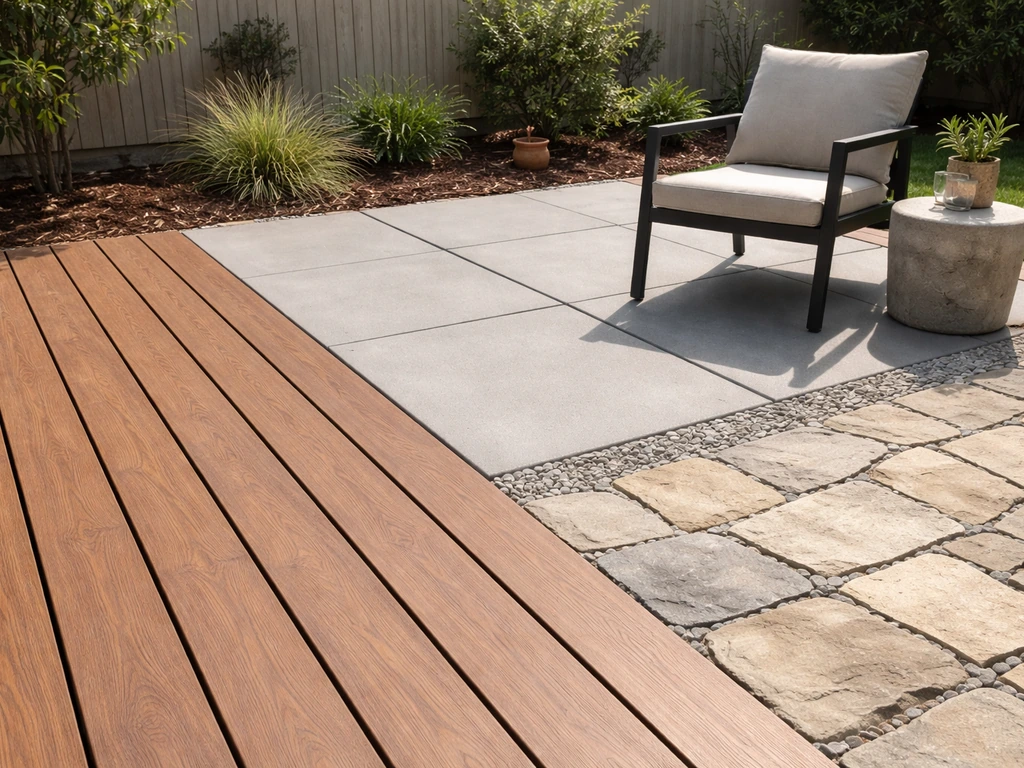
Why people start looking for something different
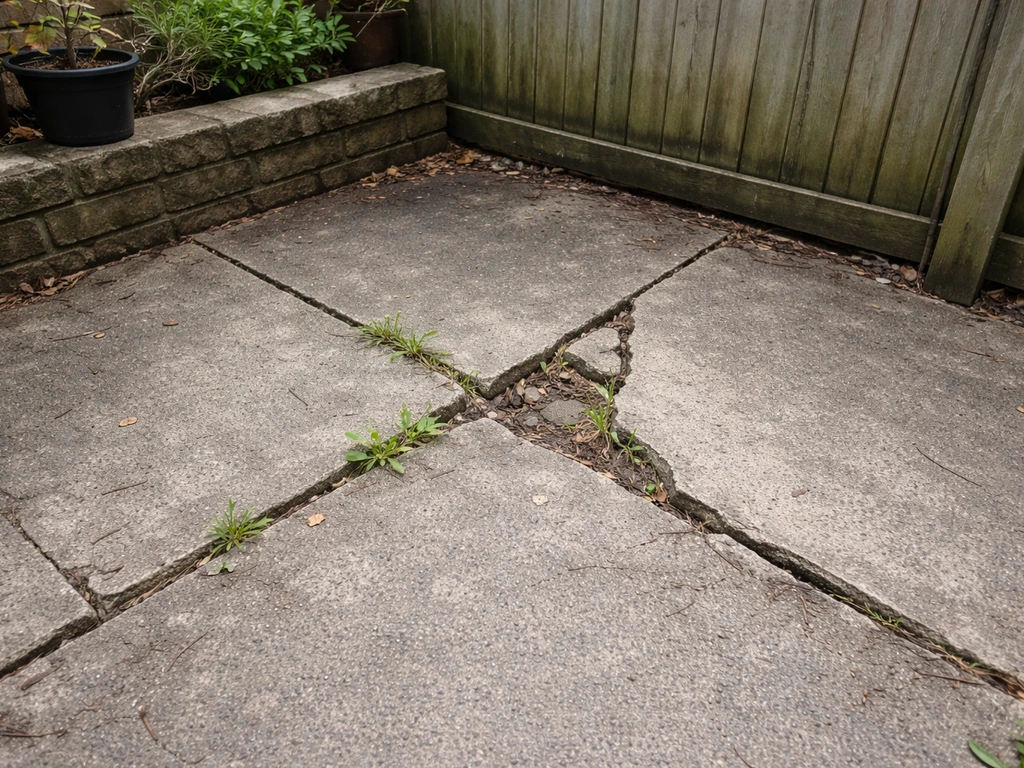
Most homeowners don't start researching alternative patio flooring because they woke up one morning feeling creative. They start because something broke, annoyed them, or became a safety issue. The most common triggers are cracked or heaved concrete, pooling water after rain, a surface that turns into a slip-and-fall hazard when wet, unbearable heat radiating up from a dark slab in summer, and staining that never fully comes clean. Sometimes it's purely aesthetic: the builder-grade brushed concrete just doesn't match the backyard upgrade happening around it.
A lot of the failures people see aren't actually a flooring problem at the surface level. They're a base problem. If the compacted gravel base under a patio doesn't drain freely, freeze-thaw cycles push material out of place and create uneven settling. Poor yard drainage causes repeated wet-dry cycles that weaken the supporting soil until the surface above it cracks and shifts. When you see grout cracking in outdoor tile, it's usually not bad grout mix. It's movement from below that the surface can't absorb. Fixing the surface material without addressing the base or drainage just means repeating the problem in a few years.
Compare popular alternative patio flooring materials
Here's a straightforward look at the most practical options available to homeowners right now, including what each one is actually best for and where it falls short.
| Material | Best For | Typical Lifespan | Avg. Installed Cost (per sq ft) | Key Tradeoffs |
|---|---|---|---|---|
| Concrete Pavers | High-traffic patios, freeze-thaw climates | 25-50 years | $10-$20 | Heavy, requires solid compacted base, weeds in joints |
| Porcelain Tile | Wet or coastal areas, high-end aesthetics | 20-30+ years | $15-$30 | Slippery when wet unless textured, needs proper membrane |
| Composite/Wood Decking | Elevated or ground-level deck patios, comfort underfoot | 25-30 years | $15-$35 | Adds height, drainage gaps needed, higher upfront cost |
| Rubber Paver Tiles | Pool surrounds, play areas, low-budget refresh | 10-20 years | $3-$8 | Can shift without adhesive, fades in intense UV |
| Decomposed Granite (DG) | Desert/dry climates, informal or naturalistic designs | 5-10 years (stabilized) | $1-$4 | Tracks into house, poor in heavy rain, needs edging |
| Gravel/Pea Gravel | Budget patios, drainage-first situations | Indefinite with topping | $1-$3 | Uncomfortable barefoot, shifts underfoot, not ADA-friendly |
| Porcelain or Stone Pavers | Premium look with paver-style flexibility | 30-50 years | $20-$40 | Heavy, expensive, professional install strongly recommended |
| Artificial Turf | Family/pet areas, no-maintenance green look | 10-15 years | $8-$20 | Gets hot in direct sun, seams visible close-up, not for cooking/fire zones |
Concrete pavers remain the most versatile all-around choice because individual units can be lifted and reset if settling occurs, which is a big deal in climates with hard winters or clay-heavy soil. If you're trying to narrow it down to the best outdoor patio flooring for your conditions, start by matching the material to your climate and how much maintenance you want to handle. Porcelain tile offers the most upscale look and is essentially maintenance-free once installed correctly, but it demands a stable, well-waterproofed substrate or you'll be dealing with water coming through the tile from below. Composite decking is worth considering if you want warmth and comfort underfoot and don't mind the added height. Rubber tiles and DG are the easiest DIY-friendly entry points but come with real durability limitations.
Cost, durability, and maintenance by climate
Climate is probably the single biggest filter for narrowing down your material choice. What performs well in Phoenix will crack, shift, or grow mold in Minneapolis or Miami.
Freeze-thaw climates (Midwest, Northeast, Mountain West)
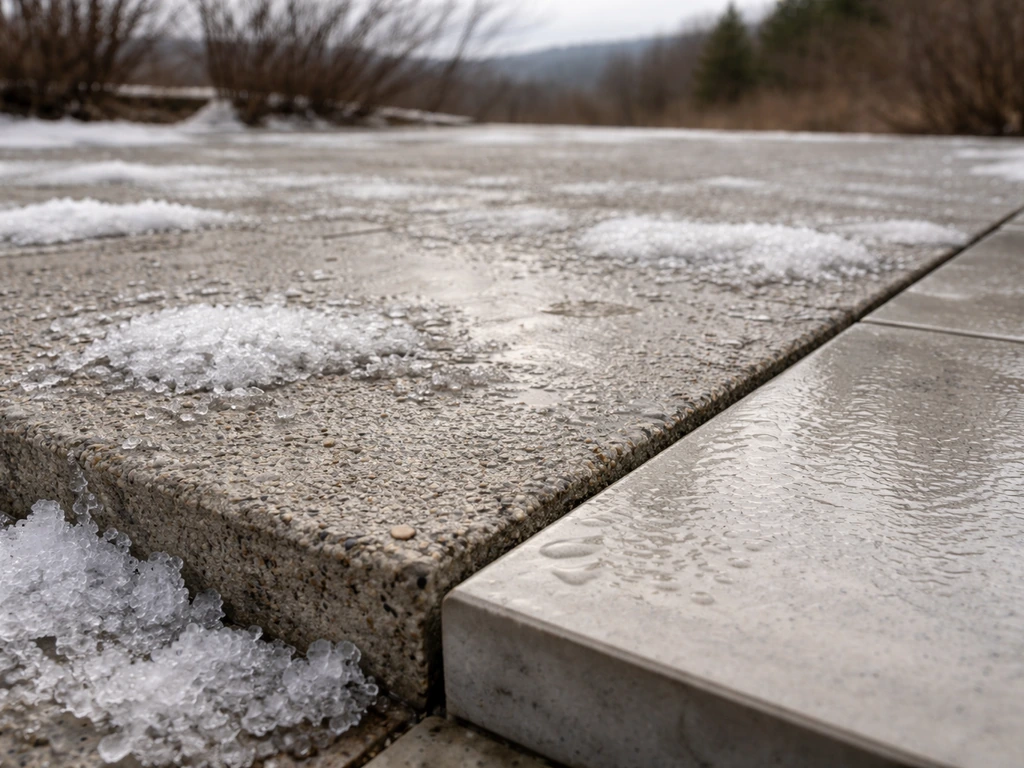
In climates where the ground freezes and thaws repeatedly, your base layer is everything. Porcelain tile over a concrete slab is risky unless the slab is reinforced and the tile is rated for freeze-thaw cycles (look for tiles with water absorption below 0.5%). Concrete pavers are the go-to here precisely because they can flex and be reset individually when frost heave moves them. Avoid decomposed granite in these climates entirely since it becomes a mud pit in spring. Budget an extra $2-$4 per square foot for proper base prep, including 4-6 inches of compacted crushed stone and adequate drainage.
Hot, dry, and high-UV climates (Southwest, Texas, Southern California)
Heat retention is the main enemy here. Dark concrete and most natural stone surfaces can reach 150°F or more in direct Arizona or Texas sun, making them unusable barefoot in summer. Light-colored concrete pavers, porcelain tile in lighter tones, and composite decking with a light finish all stay meaningfully cooler. Decomposed granite is popular in the Southwest and works well in dry conditions when stabilized with a binder, though it still tracks indoors. UV-fade resistance matters for composite decking and rubber tiles. Budget-wise, DG is hard to beat at $1-$4 per square foot installed for an informal zone.
Humid, rainy, and coastal climates (Southeast, Gulf Coast, Pacific Northwest)
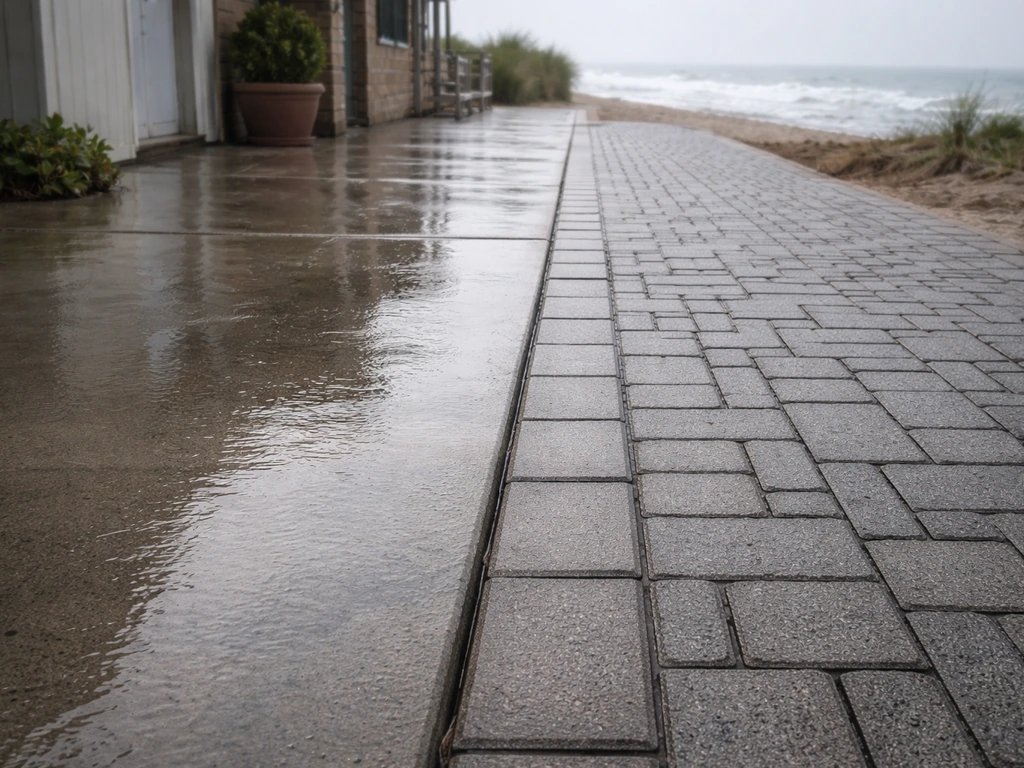
Drainage and slip resistance are the priorities. Any surface that pools water becomes a slip hazard and a mold/mildew problem. Textured porcelain tile and concrete pavers with permeable joints handle standing water best. Avoid smooth sealed surfaces. In coastal areas, salt air degrades metal fasteners and some composite decking cores faster than advertised, so verify your composite product's salt-air suitability. Rubber tiles hold up in humidity but can get slimy if not cleaned regularly. Composite decking is popular in the Pacific Northwest specifically because it resists the moisture cycling that rots wood decking.
Wildfire smoke and high-heat zones (Mountain West, parts of California)
Composite decking and artificial turf both have fire resistance ratings that matter if you're in a wildland-urban interface zone. Check the specific product's Class A, B, or C fire rating. Porcelain tile and concrete pavers are non-combustible and the safest bet in these areas. Artificial turf should be avoided near fire pits or outdoor kitchens regardless of climate.
Installation options: DIY vs hiring a pro
This is where I want to be honest with you rather than just tell you everything is a DIY project. Some of these materials genuinely are accessible to a competent homeowner on a weekend. Others look simple but have failure points that show up 12-18 months later and cost more to fix than hiring a pro upfront would have.
Good DIY candidates
- Rubber paver tiles over an existing flat surface: These snap or lay together without adhesive for small areas, though adhesive or sand-set base is better for larger zones.
- Decomposed granite with edging: Doable in a weekend if drainage is simple. Rent a plate compactor for the base layer.
- Gravel patios with landscape fabric and edging: Very achievable DIY, though getting the grade right for drainage takes attention.
- Concrete pavers on a small, well-drained flat area: Manageable for an experienced DIYer who rents a plate compactor and takes time on base prep.
Where a pro is usually worth it
- Porcelain tile over any substrate: Waterproofing membrane installation, proper slope, and grout selection are all failure points. Water coming through tile from below is expensive to repair.
- Large paver installations with drainage issues: If your yard already has drainage problems, a contractor can install a proper drainage solution during the base prep phase.
- Composite decking structures: Framing, ledger board attachment, and structural calculations are involved. Not a casual weekend project.
- Any installation where you're also regrading: Changing the slope of a patio surface for better drainage is skilled work. DIY grading errors can redirect water toward your foundation.
The standard base prep sequence for most hard surface installations is: excavate 6-8 inches, lay a weed barrier, compact 4-6 inches of crushed stone base, add 1 inch of sand or bedding material, then set the surface layer. Skipping or rushing any of those steps is the primary reason patios fail. If you're going DIY, rent a plate compactor. Tamping by hand does not achieve the same compaction density.
Surface comfort, safety, and slip resistance
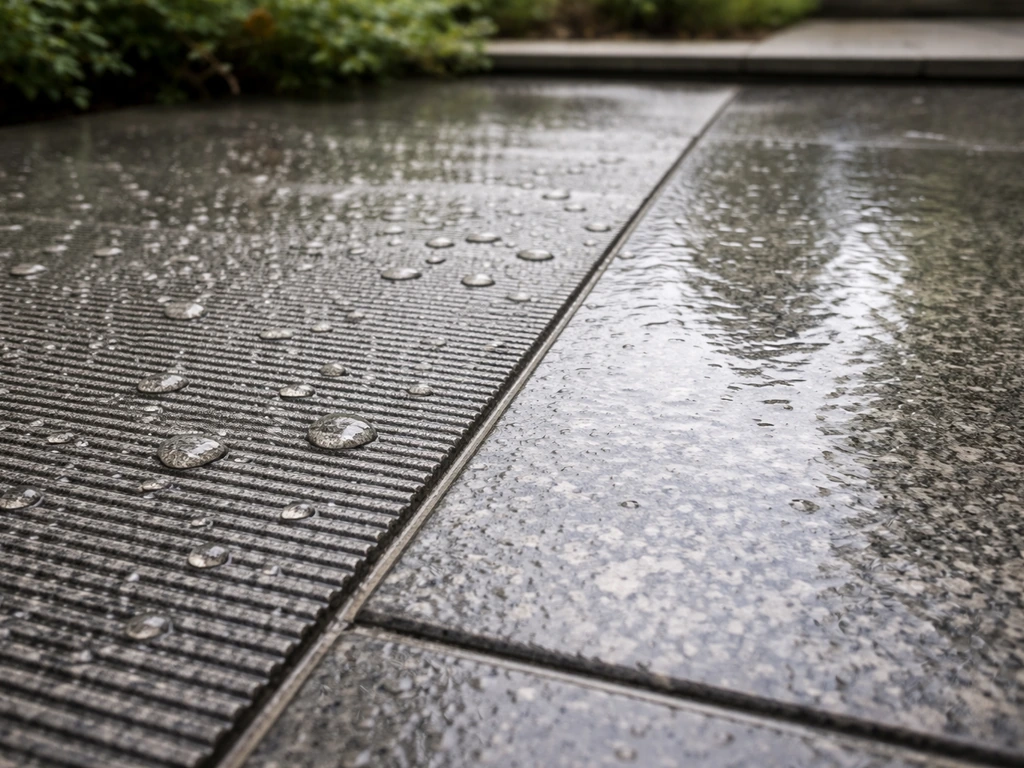
Slip resistance is measured by a coefficient of friction (COF) rating. For outdoor surfaces, you want a COF of at least 0. For wet conditions, slip resistance is commonly assessed using dynamic coefficient of friction (DCOF) with minimum criteria often cited around 0.42 or 0.60 blank" rel="noopener noreferrer">For outdoor surfaces, you want a COF of at least 0.. 60 when wet. Smooth, polished porcelain and natural stone typically fall below this when wet unless they have a surface texture. If you're buying tile, look for products labeled as having a blank" rel="noopener noreferrer">DCOF (dynamic coefficient of friction) of 0.42 or higher for wet areas, which is the current ANSI standard for commercial wet zones and a safe minimum for outdoor use.
| Material | Slip Resistance (Wet) | Heat Retention | Barefoot Comfort | Notes |
|---|---|---|---|---|
| Textured Concrete Pavers | Good | Moderate-High (varies by color) | Moderate | Lighter colors significantly cooler |
| Textured Porcelain Tile | Good (if rated) | High if dark | Hard underfoot | Must verify DCOF rating before buying |
| Smooth Porcelain/Stone | Poor | High | Hard underfoot | Avoid for pool surrounds or rain-prone areas |
| Composite Decking | Good (grooved surface) | Low-Moderate | Comfortable | Grooved surface helps drain and grip |
| Rubber Pavers | Excellent | Moderate | Cushioned | Best barefoot comfort of all options |
| Decomposed Granite (stabilized) | Moderate | Low | Gritty but not hard | Soft enough for bare feet, not great for heels |
| Gravel | Variable | Low | Poor barefoot | Sharp edges; use pea gravel minimum for comfort |
| Artificial Turf | Good | Very High in sun | Soft | Can reach 180°F+ in direct sun; not for bare feet in summer |
Rubber pavers deserve more attention than they get. They're the most comfortable surface underfoot, excellent for slip resistance, and genuinely forgiving for kids and older adults. The limitations are UV fading over time and the fact that they look distinctly utilitarian, which doesn't work for every design vision. For pool surrounds and play zones, though, they're hard to beat.
Design ideas: color, texture, and layout choices
The good news is that alternative patio flooring gives you more design flexibility than a poured concrete slab ever could. The key is matching your material choice to your design intent, not the other way around.
Color and finish choices
Light colors are both a practical and aesthetic win in sunny climates. A light gray or tan porcelain or concrete paver reflects heat and keeps the surface usable. Warm terracotta and earthy tones work well in desert and Mediterranean-style yards. Cool blues and grays suit contemporary and coastal aesthetics. For composite decking, the wood-tone options have gotten remarkably good in the past few years. Matte finishes hide dirt and footprints better than glossy ones outdoors.
Texture and pattern ideas
Running bond (brick-style offset rows) is the most common paver layout and works for almost any setting. Herringbone patterns add visual interest and actually increase structural stability for high-traffic zones. A basket-weave pattern is classic for formal gardens. For porcelain tile, large-format tiles (24x24 inches or larger) with minimal grout lines read as more upscale and are easier to clean. Mixing materials adds depth: a central zone of porcelain tile with a border of concrete pavers, or composite decking with a gravel pathway alongside it, creates defined outdoor rooms.
Layout for outdoor entertaining
Think in zones. A dining area needs a firm, level surface. A lounge or conversation area can tolerate a slightly softer material like composite decking or even artificial turf. A transition zone between the patio and lawn works well with stepping stones, DG, or gravel. Allow at least a 12x16 foot area for a dining table with six chairs, and 10x10 feet minimum for a seating group. Slopes for drainage should be 1/8 to 1/4 inch per foot away from the house, which is barely noticeable visually but critical for water management.
How to choose the right option for your patio
Here's the decision framework I'd walk through if this were my own backyard project.
- Start with your climate. Freeze-thaw zone: concrete pavers are your safest bet. Hot and sunny: go light-colored pavers or porcelain. Wet and rainy: textured porcelain or composite decking with drainage gaps. Dry and informal: DG or gravel can be completely appropriate.
- Check your drainage situation before choosing a material. If water already pools on your existing patio, no surface material fixes that. You need to address base drainage first. This is where a contractor consultation is worth $200-$500 before you spend thousands on a new surface.
- Measure your space and get a real budget number. Multiply your square footage by the installed cost range for your shortlisted materials. Add 15% for waste, cuts, and edge pieces. For a 300 square foot patio, the difference between DG at $3/sq ft ($900 + 15%) and porcelain tile at $22/sq ft ($6,600 + 15%) is a real budget conversation to have upfront.
- Decide honestly on your maintenance tolerance. Pavers need occasional joint sand refilling and weed control. Porcelain tile needs very little maintenance but grout can crack if the base moves. Composite decking needs annual cleaning. DG needs periodic regrading. Rubber tiles need cleaning to prevent algae.
- If hiring a pro, ask these questions: What base prep is included in your quote? How do you handle drainage at the house foundation? What is your warranty on labor vs. materials? Can you show me a completed project I can visit? Do you pull permits for this work?
- If going DIY, rent a plate compactor, buy 10% more material than your measurements require, and watch the base prep step on YouTube three times before starting. The surface layer is the easy part. The base is where DIY projects fail.
Your shortlist recommendation by situation: for most homeowners in mixed or cold climates with a moderate budget, concrete pavers are the most practical and repairable choice. For help narrowing down your options, see how to choose the best patio floor covering for your specific needs and conditions. For a premium look in a stable, warm climate, porcelain tile or large-format stone pavers are worth the investment. For a pool area or household with young kids, rubber pavers are underrated. For most homeowners asking for the best pool patio surfaces, rubber pavers are a practical choice when you want comfort and reliable slip resistance pool surrounds. For a dry, informal backyard on a tight budget, stabilized decomposed granite delivers a lot of visual character for very little money.
If you're also weighing how these options compare for pool surrounds specifically, the surface comfort and slip resistance tradeoffs look a bit different in that context. And if your project is more about an elevated deck-style platform than a ground-level surface, the material comparison shifts meaningfully toward composite and wood options. But for a standard ground-level patio refresh, the framework above covers the vast majority of situations homeowners run into.
FAQ
Can I install alternative patio flooring over my existing concrete slab?
Start by measuring existing slope and drainage. If water flows toward the house, you must correct grading and base drainage first, otherwise any “new” alternative patio flooring can still settle or heave. A simple check is to observe where runoff collects after a heavy rain and confirm water does not stay on the patio for more than 10 to 15 minutes.
What is the safest alternative patio flooring for cold climates if my slab is staying in place?
In most freeze-thaw regions, you generally should not tile directly over an unmodified slab unless it is reinforced and specifically matched to freeze-thaw rated tile and waterproofing systems. The safer retrofit approach is either remove to rebuild the base for pavers, or use a separation and waterproofing system designed for exterior freeze conditions (and follow the manufacturer’s assembly, not just the tile).
Why do paver patios sometimes shift or sink even after installation?
With pavers, the typical “failure” is usually inadequate base compaction or insufficient jointing material, not the pavers themselves. Plan for a full perimeter restraint (edge restraints) and re-sand or re-screen joints after installation, especially if you get heavy rain or freeze-thaw cycles that can pump fines out of the joints.
Which alternative patio flooring stays coolest in summer heat?
If you want a patio surface that stays comfortable for bare feet, prioritize light colors and materials that do not store as much heat. Composite decking with a light finish and lighter-toned porcelain or pavers will generally feel cooler than dark concrete or dark stone in peak sun, but you should still expect midday heat in hot climates.
Is rubber paver flooring a good option for pool surrounds?
For pool areas, focus on wet traction and splash-zone durability. Rubber pavers can be very forgiving for slip resistance and comfort, but you still need regular cleaning to prevent mildew buildup and you must ensure the pool deck slope drains away from the waterline. Also confirm the rubber product tolerates chlorine splash and sun exposure.
How do I choose between porcelain tile, decomposed granite, and rubber pavers for family use?
Choose the surface based on how the homeowner will live on it. If the priority is easy cleaning and fewer organic issues, porcelain tile with a higher wet COF surface texture can be preferable to decomposed granite, which can track grit and retain moisture when it gets wet. If you have kids or want impact comfort, rubber pavers usually win despite higher cleaning needs.
What alternative patio flooring handles heavy rain better?
No single material is best for every storm, but long-term performance improves when you design for drainage and maintenance access. For example, permeable joint design and textured surfaces reduce standing water, while smooth sealed finishes often create slick films after rain. If your area has frequent storms, prioritize water egress, then slip resistance.
How do I verify slip resistance when shopping for outdoor tile?
Yes, but you need to match the tile to wet-area requirements. Look for outdoor-rated porcelain with a DCOF (wet) at or above the common commercial threshold used for wet zones, and avoid glossy or polished surfaces unless they are specifically formulated and tested for exterior wet traction.
Is artificial turf a practical alternative patio flooring in all climates?
Artificial turf can work in dry climates and lounge zones, but it usually requires occasional brushing and rinsing, especially in hot weather, and it is not ideal near fire pits or outdoor cooking surfaces. Also check local heat and drainage realities, because turf can become a heat absorber if you do not design it with proper base drainage.
What should I consider for fire safety with alternative patio flooring?
For fire-risk areas, the key is using products with known fire classifications and avoiding installations that increase ignition risk. In wildland-urban interface zones, non-combustible options like porcelain tile and concrete pavers generally reduce risk, while turf near heat sources should be avoided regardless of climate.
What hidden costs should I budget for beyond the patio surface material?
Plan for extra material and labor if your yard base is compromised. If the soil is clay-heavy, poorly compacted, or chronically wet, budgeting only for the surface can lead to repeat failures. Include drainage corrections and base prep in your cost plan, and consider professional assessment if you see ongoing settlement in other parts of the yard.