
For most patios, a 24-inch push broom with stiff flagged polypropylene bristles and a 60-inch metal handle is the best all-around choice. It handles leaves, grit, and grass clippings on concrete, pavers, and tile without falling apart after a season outdoors. If you have a wood deck or composite surface, step down to a softer flagged nylon bristle so you're not scratching the surface. Gravel patios are the outlier: a broom isn't really the right tool there, and you're better off with a leaf blower or outdoor vacuum.
Best Outdoor Broom for Patio: Buying Guide by Surface

Elise Prescott
27 May 2026
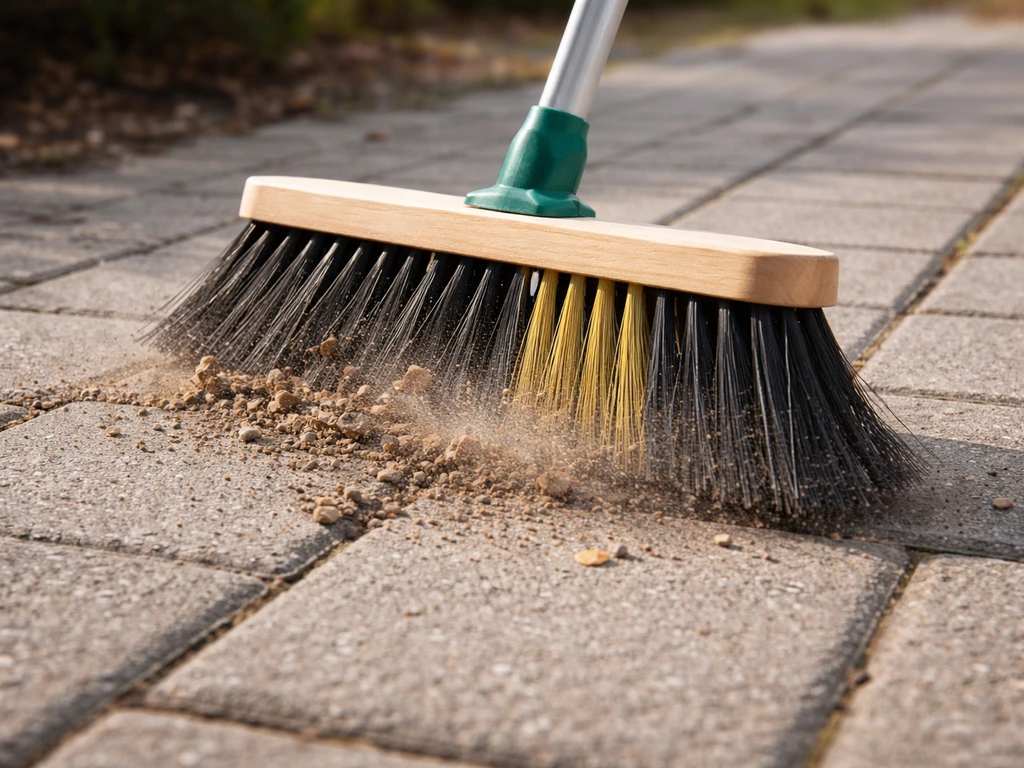
Quick recommendations by mess type
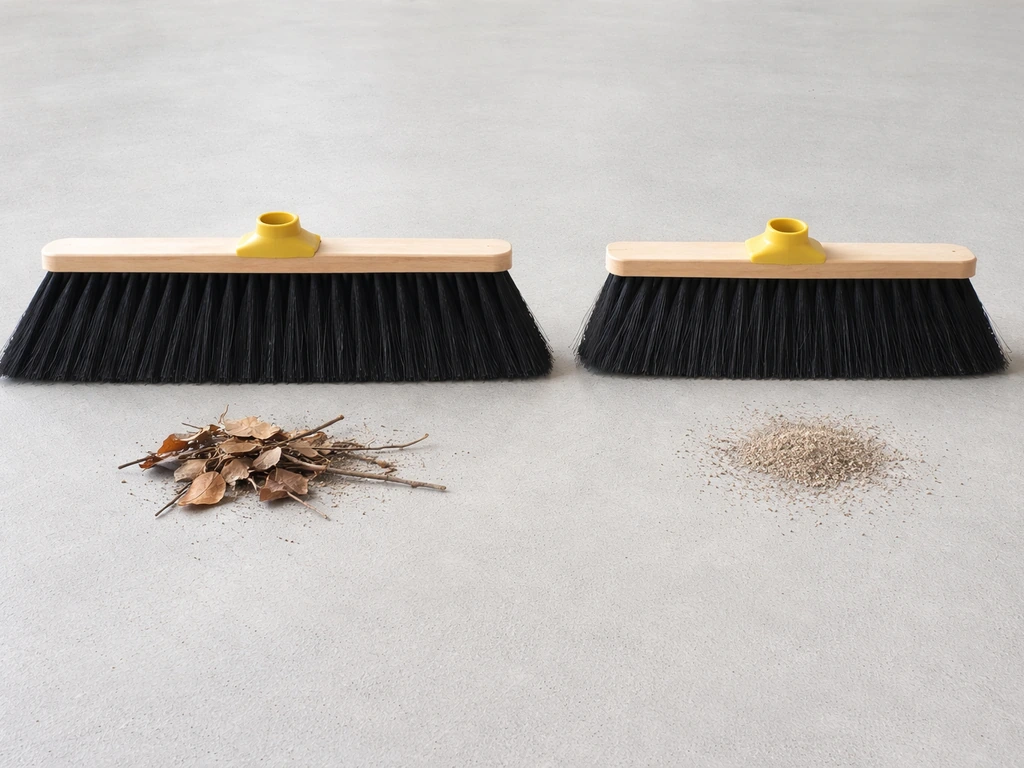
Different messes genuinely call for different bristle stiffness and head width. Here's how to match your broom to what you're actually sweeping up.
| Mess Type | Best Bristle Style | Head Width | Notes |
|---|---|---|---|
| Leaves and large debris | Unflagged polypropylene (stiff) | 24 in. | Stiff bristles push bulk debris without it slipping underneath |
| Fine grit and sand | Flagged polypropylene or flagged nylon | 24 in. | Flagged tips split into fine ends that trap small particles |
| Grass clippings | Flagged polypropylene | 24 in. | Clippings mat together; flagged bristles grab them without leaving streaks |
| Mixed debris (leaves + grit) | Flagged polypropylene | 24–25 in. | The Libman #805 or Lavex 24 in. flagged broom handles this combo well |
| Wet mud or debris | Avoid sweeping; sweep dry first | Any | Wet mud dragged across tile packs into grout joints; let it dry first |
The mixed-debris scenario is what most patio owners actually deal with, which is why a 24-inch flagged polypropylene push broom shows up in so many recommendations. It genuinely is the right tool for the majority of situations. Just keep in mind that LibmanPro explicitly notes their multi-surface push brooms are not intended for very rough outdoor surfaces, so if your patio has an extremely coarse aggregate finish, go with a stiffer unflagged polypropylene option instead.
What actually makes a broom 'outdoor-grade'
A lot of brooms look similar on a shelf but fall apart completely once they live outside. The difference comes down to a few specific material choices that most product listings gloss over.
Bristle material
Stiff synthetic bristles, specifically nylon or polypropylene, are the right call outdoors because they resist moisture and don't degrade the way natural fibers do. Natural fiber brooms like bassine (a palm fiber used in products like the Iris Hantverk outdoor broom) can work fine on front steps and light-duty patios, but they absorb water, can develop mildew, and soften with prolonged outdoor exposure. For a broom that lives on your patio year-round, polypropylene wins on durability.
Handle material
Wooden handles look nice but swell, crack, and splinter when left outside in rain or humidity. A vinyl-coated metal handle or a fiberglass handle is the better pick for a patio broom. Rubbermaid Commercial's push broom line pairs vinyl-coated metal handles with their flagged polypropylene heads for exactly this reason. If you're in a high-humidity region like the Gulf Coast or Pacific Northwest, this matters more than it might seem after just one wet winter.
Block and fill attachment
Look for staple-set fill rather than glued fill. Staple-set bristles stay in place longer when the broom gets wet and dried repeatedly. The Libman #805 FiberForce uses 3-inch long staple-set flagged fibers for this reason. Also check that the broom block itself is made from a weather-resistant material like plastic or resin, not raw wood, which will eventually crack and let bristles loosen.
Best bristle type for your patio surface
Surface type is probably the single most important factor in picking the right broom, and it's the one most people skip when buying. Here's a practical breakdown.
| Patio Surface | Recommended Bristle Type | Stiffness Level | Why It Works |
|---|---|---|---|
| Concrete (standard broom finish) | Unflagged or flagged polypropylene | Stiff | Rough texture needs firm bristles to move debris without bending bristles flat |
| Concrete (smooth/troweled) | Flagged polypropylene or flagged nylon | Medium-stiff | Smoother surface lets flagged tips do fine-particle cleanup without scratching |
| Pavers (brick or concrete) | Flagged polypropylene | Medium-stiff | Gets debris out of gaps; avoid ultra-stiff wire that displaces joint sand |
| Tile (porcelain or ceramic) | Flagged nylon | Medium | Softer flagged nylon picks up fine grit without scratching glaze |
| Natural wood or composite deck | Flagged nylon or soft flagged poly | Soft-medium | Stiff bristles can scratch or raise grain on wood; go softer here |
| Gravel or decomposed granite | Not recommended | N/A | Brooms are ineffective; use a leaf blower or outdoor vacuum instead |
Tile is the surface where people most often grab the wrong broom. A stiff polypropylene broom on polished porcelain will scratch the surface over time. If your patio is tiled, flagged nylon is the safer call, and always sweep dry since wet mud dragged across tile grout is a pain to clean out later.
Getting the size and handle right
Head width
For most patios, 24 inches is the sweet spot. It's wide enough to cover ground quickly without being so wide that it's awkward to maneuver around furniture legs or into corners. The Libman #805 runs about 24.75 inches wide, and the Lavex and O-Cedar multi-surface outdoor brooms both hit 24 inches. If your patio is very small (think a narrow townhouse stoop) or has a lot of built-in furniture, a 10 to 12-inch hand broom or a narrower angle broom might be more useful for the tight spots, used alongside a push broom for the open areas.
Handle length and ergonomics
A 60-inch (5-foot) handle is the standard for push brooms, and it works well for most adults without the back-hunching that comes from shorter handles. Rubbermaid Commercial lists 60-inch threaded handles as standard in their push broom catalog. If you're taller than 6 feet, look for adjustable-handle options that extend to 72 inches. The Iris Hantverk bassine broom comes in at about 45.5 inches total length, which is fine for a compact deck broom but would get tiring fast on a large patio.
Storage
If the broom will live outdoors, look for a model with a hanging hole in the handle so it can hang off a wall hook rather than standing in a corner where it bends the bristles. Bent bristles permanently reduce sweep quality. Storing it under a covered patio or in a patio storage box protects the bristles and handle from UV degradation over time, which is worth thinking about if you're in a hot, sunny climate like Arizona or Southern California. Using the best patio storage helps keep the right tools protected between cleanings.
Your buying checklist before you order
- Bristle material: polypropylene or nylon only for outdoor use; skip natural fiber for year-round outdoor storage
- Flagged vs. unflagged: flagged for fine grit and mixed debris, unflagged for heavy leaf/large debris on rough concrete
- Head width: 24 inches for most patios; narrower (10–12 in.) for tight spaces or edges
- Handle: vinyl-coated metal or fiberglass at 60 inches; avoid raw wood handles for outdoor use
- Fill attachment: staple-set bristles outlast glued fill when exposed to repeated wetting and drying
- Block material: plastic or resin broom block, not wood
- Cleaning: rinse bristles with a hose after heavy use; shake out or tap handle on pavement to dislodge packed debris
- Storage: hang by the handle hole; don't store bristle-down outdoors long-term
- UV resistance: if the broom lives in direct sun, choose a broom with UV-stabilized polypropylene bristles
How to actually sweep a patio well
Sweep direction and technique
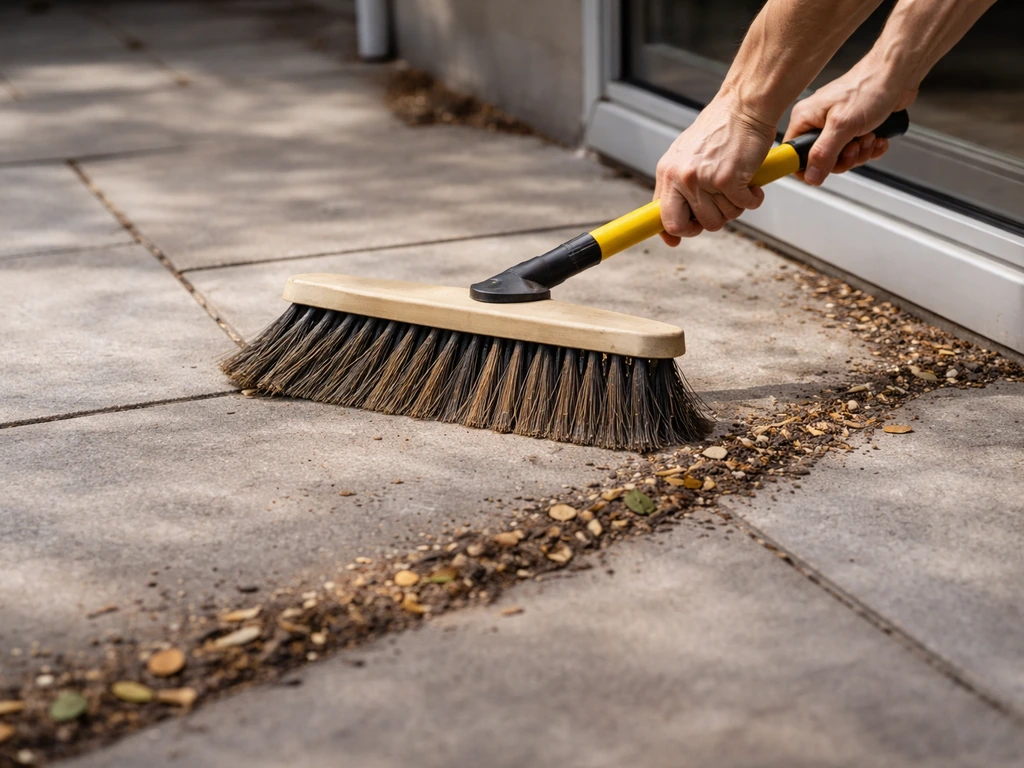
Always sweep toward one exit point rather than pushing debris around in circles. Work from the far corners of the patio toward the edge where you'll collect and bag. Short, firm strokes work better than long dragging strokes because long strokes let debris scatter off the sides of the broom head. For grass clippings especially, short overlapping strokes keep everything moving in one direction.
Edge work and corners
Push brooms are hopeless in tight corners and along the wall edge of a patio. Keep a stiff-bristle hand brush nearby for those spots. A stiff hand brush dragged along the edge where the patio meets the house foundation, planters, or steps pulls out debris that a push broom just skips over. This is part of a good maintenance workflow that paving guides consistently recommend, alongside the main sweeping pass.
Sweep dry, not wet
This is worth repeating: sweep when the surface is dry. Sweeping wet debris on tile or pavers pushes mud into grout joints and joint sand, making the cleanup harder than if you had just waited an hour for things to dry out. If you're dealing with a wet patio after rain, a quick rinse with a garden hose to push debris off the edge is often faster than trying to sweep it.
When sweeping isn't enough
Regular sweeping handles day-to-day maintenance, but it won't touch algae, staining, or embedded grime. That's when you need a deeper clean. [For concrete, pressure washing at 2,500 to 3,000 PSI with a 25-degree fan nozzle (green tip) is safe and effective. ](https://www.
localconcretecontractor. com/blog/pressure-washing-tips) For pavers, stay in the 1,000 to 1,800 PSI range with a wide fan tip to avoid eroding the joint sand. For some specialty pavers, pressure washing isn't recommended at all, so check manufacturer guidance before you rent a machine. Porcelain tile and natural stone are best handled with a 40-degree (white) nozzle at low pressure or a dedicated patio cleaner to avoid surface damage.
A nozzle-tip explainer from MasterFinder notes that wider 40° fan tips produce a softer rinsing pattern, which helps reduce the risk of surface damage during patio cleaning 40-degree nozzle at low pressure. Think of sweeping as your weekly habit and pressure washing as your seasonal reset, not a replacement for the broom.
Pairing your broom with the right tools
A good outdoor broom covers most of your routine patio maintenance, but it works best as part of a small toolkit. If you want the best patio weeding tool, pair your sweeping setup with a weeder designed for cracks and edges so weeds do not bounce back A good outdoor broom covers most of your routine patio maintenance. A patio brush handles edge and corner work that a push broom can't reach.
If you're shopping for the best patio brush, focus on bristle stiffness and a head design that matches your surface type. An outdoor vacuum is genuinely useful for patios with gravel borders, tight spaces, or if you want to avoid the dust cloud that sweeping creates (especially relevant for patio owners with allergies). For debris that piles up fast, a patio garden hose with a good nozzle lets you rinse everything toward a drain quickly after sweeping.
None of these replace the broom, but they each fill a gap it leaves.
FAQ
Can I use the best outdoor broom for patio on a composite deck or wood porch without damaging it?
Yes, but the broom type matters. Use a softer flagged nylon head for most wood and composite decks to reduce scuffing, and do a quick dry sweep first. If you have stuck-on grit, loosen it with a light garden hose rinse and come back after it dries, since scrubbing debris into the grain is what causes long-term wear.
Will sweeping paver joints with a stiff outdoor broom make the sand disappear faster?
Not usually. A 24-inch push broom works best on broad, flat areas, but for pavers with narrow joints, you risk driving sand deeper if you brush aggressively. For joint-focused cleanup, use a broom with appropriate stiffness and make short, light strokes, or consider rinsing and letting joint sand re-level instead of power-scrubbing.
What is the best way to store an outdoor broom so the bristles do not get ruined?
Choose storage based on sun exposure. Even with weather-resistant materials, UV breaks down bristles over time, so aim to hang the broom on a hook (using the hanging hole) or keep it in a covered patio box or shed during peak sun months. If you store it upright in a corner, bristles can stay bent and lose performance.
How do I get algae off my patio if sweeping does not work?
Do not rely on broom sweeping for algae. If you see dark green or slippery patches, sweep when dry, then switch to a targeted patio cleaner or an appropriate pressure-wash method for your surface. For wet climates, also prioritize better drainage and avoid leaving standing debris that keeps moisture against the same spots.
How can I tell if a patio broom will fall apart after one wet season?
If a broom sheds or bristles loosen quickly, it is usually a sign of glued fill or a wood block that cracked from weather. Look for staple-set bristles and a weather-resistant head block (plastic or resin), then check the bristle-to-block seam for gaps before buying or after the first few uses.
What should I do if my patio is wet after rain and I need to clean it quickly?
For most patios, sweeping wet is a mistake because it spreads mud into grout joints and joint sand, then dries into a harder mess. If the surface is already wet, push debris off the edge with a short hose rinse and wait until it dries enough to sweep cleanly.
What is the best tool for cleaning debris in corners and along patio walls?
For corners and along the wall edge, use a stiff hand brush in addition to the push broom. A push broom typically rides over edges and misses debris lodged at the foundation line, planter seams, and step risers, where hand-brushing pulls material out instead of leaving it to regrow.
Is daily or weekly sweeping enough, or should I pressure wash on a schedule?
Yes for light, everyday clearing, but it depends on the surface. If you have tile, always sweep dry to protect grout and avoid dragging mud. If you have concrete or pavers, regular dry sweeping is a good habit, but you still need seasonal deep cleaning when stains or embedded grime build up.
Which is better for people with allergies, sweeping or using an outdoor vacuum?
For allergies or dust sensitivity, an outdoor vacuum is often the cleaner choice, especially if you sweep dry leaves or grass clippings. If you still sweep, use short overlapping strokes and consider sweeping toward a bag or bin quickly to reduce airborne particles.
How do I choose the right handle length so I am not bending over while sweeping?
If you are taller than average, measure your comfort range before buying. A standard 60-inch handle can still cause back hunching for people over about 6 feet, so look for adjustable handles that extend to around 72 inches, or choose a handle length that lets you keep a neutral posture while using firm, short strokes.