
The best place to buy patio materials depends entirely on what you mean by 'patio.' If you need pavers or stone, start at a local landscape supply yard or big-box store. If you want furniture, Wayfair, Home Depot, or a local patio showroom will serve you well. If you're buying a patio cover, enclosure, or climate-control add-ons like fans or misting systems, you'll get the best results going directly to a specialty installer or manufacturer. Each of those paths has a different seller, different specs to verify, and a very different price tag.
Where to Buy Patio Materials and Patio Covers Today

Elise Prescott
20 Jun 2026
First: what kind of patio are you actually buying?
The word 'patio' gets used loosely, and it causes a lot of confusion when people start shopping. Before you open a browser or drive to a store, be honest about which category fits your project. Getting this wrong means you end up at the wrong type of seller, wasting time and sometimes money on the wrong specs entirely.
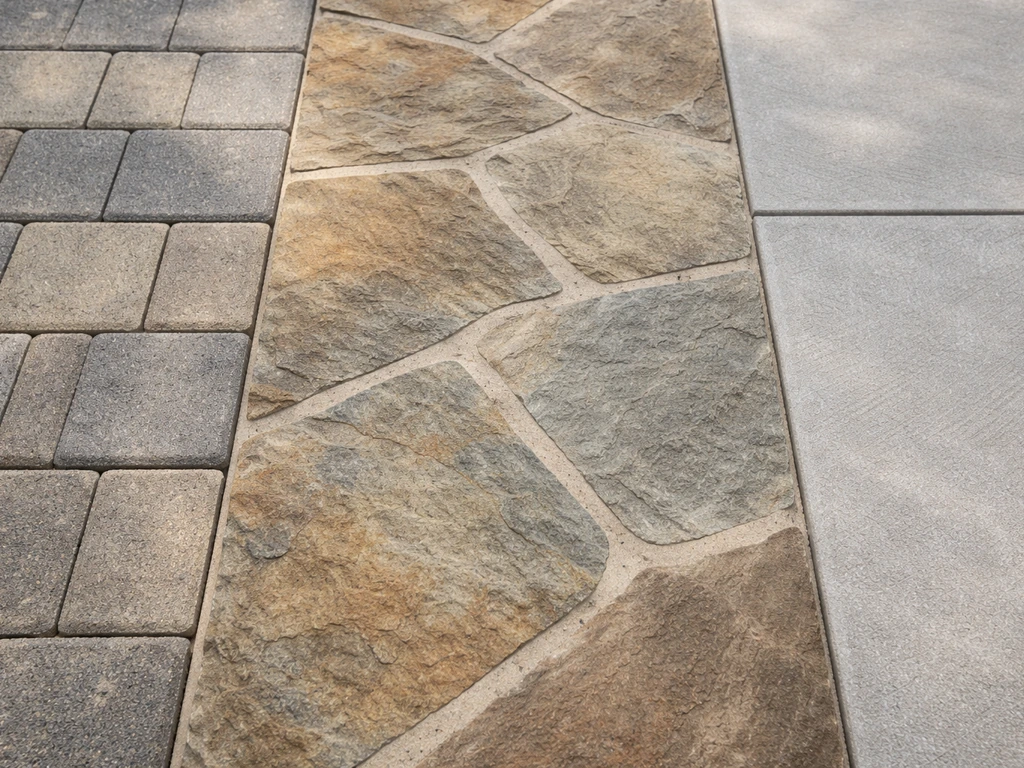
- Patio surface: pavers, flagstone, concrete slabs, patio kits with pre-cut stone or paver systems. This is the ground itself.
- Patio furniture: chairs, tables, sofas, dining sets, cushions, umbrellas. The stuff you sit on.
- Patio cover or enclosure: aluminum or wood pergolas, lattice covers, solid patio roofs, screen rooms, retractable awnings. These go over you.
- Patio systems and add-ons: misting systems, outdoor ceiling fans, outdoor speakers, heaters, lighting. These make the space livable in your climate.
Most people searching 'where to buy patio' have one of the first three in mind. The add-ons category is where homeowners often get surprised, because those products are sold in completely different places than the surface or furniture. If your project involves fake grass or dog-friendly turf on your patio surface, that is its own category with dedicated suppliers too.
Where to buy each type of patio product
Pavers, stone, and patio surface kits
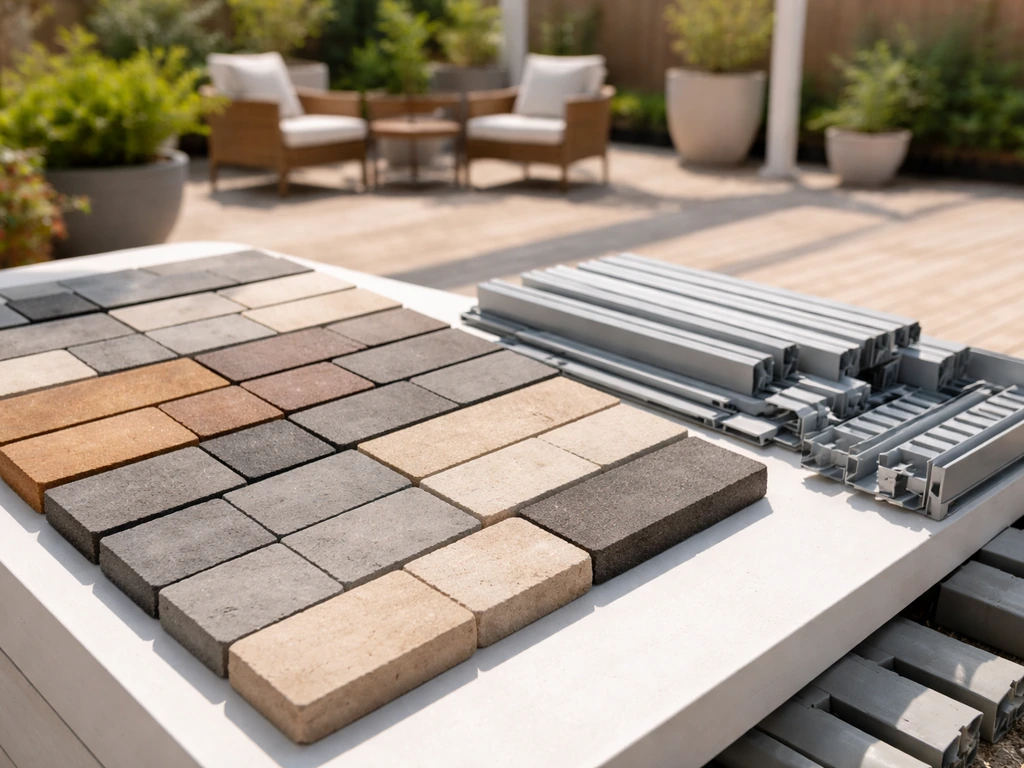
For pavers and stone, your two best options are a local landscape supply yard and a big-box store like Home Depot or Lowe's. Landscape supply yards (sometimes called masonry suppliers or hardscape suppliers) carry a wider selection, better quality brands like Belgard and Barkman, and staff who actually know paver installation. They can also sell you the full layered system: compacted aggregate base material, bedding sand, the pavers themselves, and polymeric sand for the joints. That matters because a proper paver installation requires all of those components, not just the pavers.
The big-box stores are fine for smaller projects and are convenient when you want to grab everything in one trip. Their paver selection is more limited and tends to lean toward standard concrete pavers, but for a basic backyard project they work. If you are doing a larger install (500 square feet or more), calling a landscape supply yard for bulk delivery almost always saves money and gives you better material options.
Patio kits (pre-packaged paver or slab systems sold as a complete surface solution) are available at Home Depot, Lowe's, and online at Wayfair and Amazon. If you are creating a pet-friendly patio, it also helps to choose the best patio dog potty setup for your layout and drainage needs. They are great for defined areas like a 10x10 dining space. Just verify that the kit includes base prep guidance and that the pavers are the right thickness for your climate. Standard concrete pavers run about 2 3/8 inches thick, which works for most residential installs when paired with a proper compacted gravel base and a 1-inch bedding sand layer.
Patio furniture
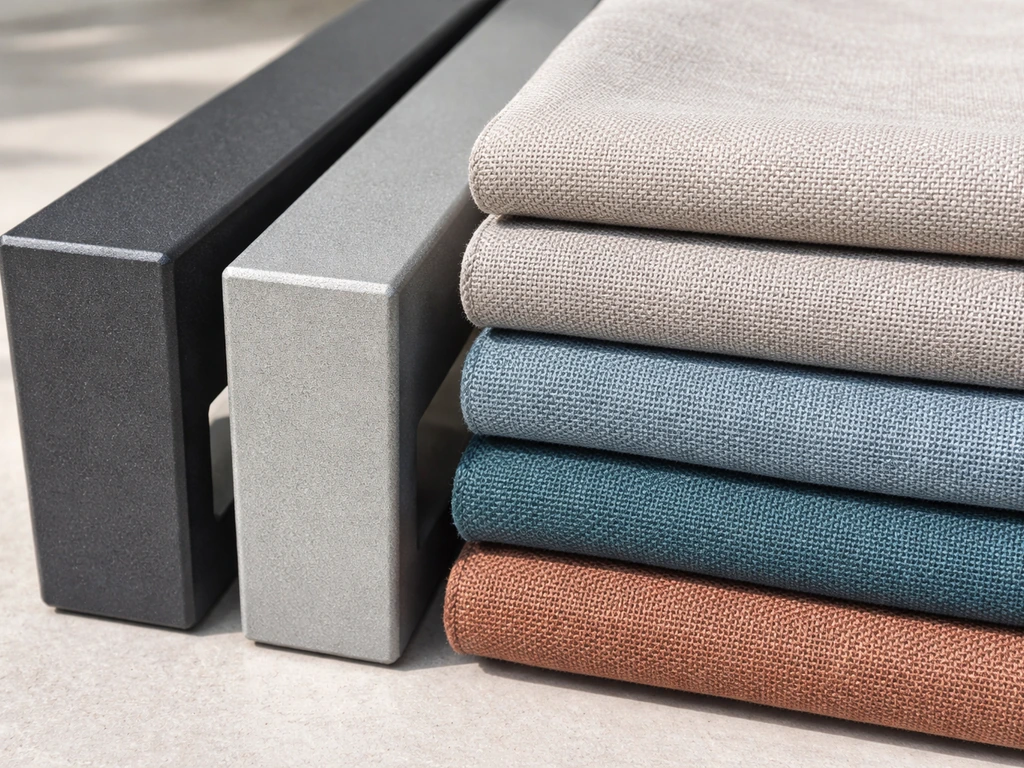
For furniture, you have more options than almost any other patio category. Home Depot and Lowe's both have decent seasonal sections, but their in-store selection is limited to what is popular and in-season right now (June is actually a good time to find deals as retailers start moving summer inventory). Wayfair has the largest online selection with strong material filtering. If you want a premium set with a meaningful warranty, go directly to a manufacturer like Tropitone, which offers a 15-year warranty on aluminum frames for residential use, or look at specialty outdoor furniture retailers in your area.
Local patio showrooms are worth visiting at least once if you are spending over $2,000. You can feel the frame weight, check cushion density, and see the actual fabric colors in person. Sunbrella fabrics, which carry a 5-year limited warranty and are made from solution-dyed acrylic for long-term fade resistance, are the standard to look for in cushion fabric. When shopping online, filter for 'UV resistant' cushions at minimum.
Patio covers, pergolas, and enclosures
This is where the buying process gets more involved. Basic pergola kits are sold at Home Depot, Lowe's, and Costco, and some of them are genuinely good. But if you want an aluminum frame patio cover (solid roof, louvered, or lattice) that can handle real weather, you are better off going through a specialty installer or buying direct from a manufacturer. Lowe's does carry some solid options, like the Four Seasons Contempra aluminum cover, which includes wind load specs right on the product page. Always check those.
For more substantial installs, reach out to a local patio cover contractor. They source from manufacturers directly, handle permitting, and can match a cover to your home's load requirements. The 2018 IRC Appendix H requires patio covers to handle a minimum 10 psf live load, and snow loads in your region may push that requirement higher. A kit showing '20 lbs. snow load' is fine in most of the South but would not meet code in many Colorado or Minnesota locations. Local installers know your jurisdiction's rules.
Fans, misting systems, outdoor speakers, and add-ons
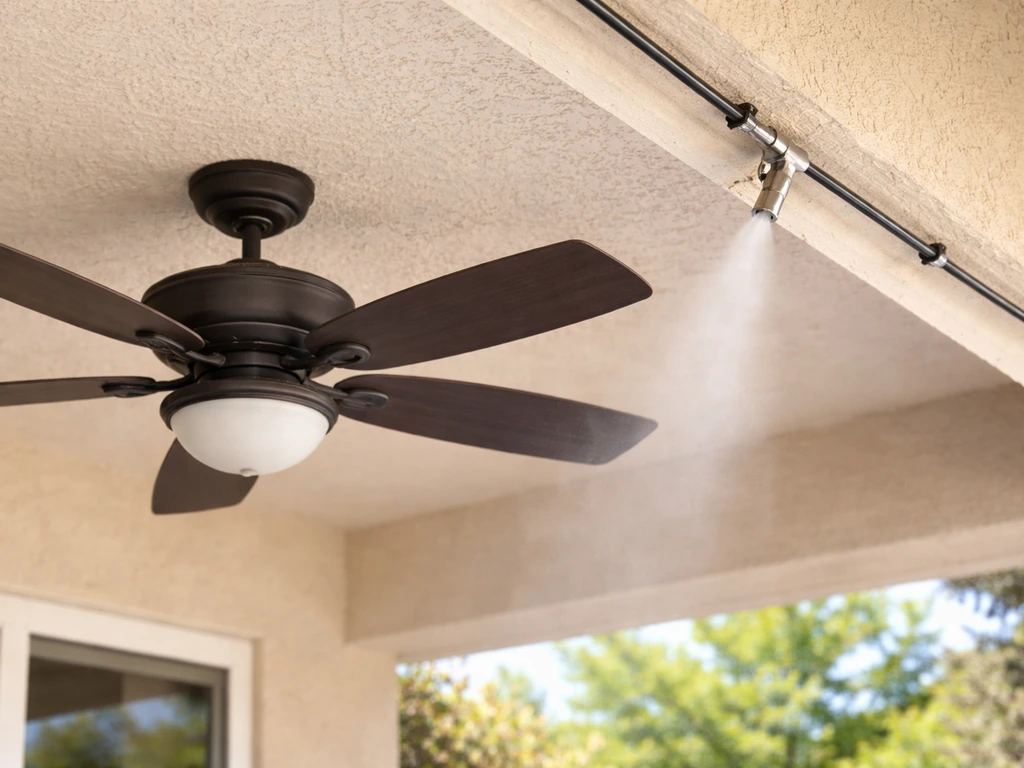
These are sold at a mix of home improvement stores, specialty retailers, and direct from manufacturers online. Home Depot and Lowe's carry outdoor-rated ceiling fans and basic misting kits. For high-performance misting systems, you will get better equipment and support from a specialty misting retailer or a local HVAC/outdoor comfort contractor. Outdoor speakers and audio systems are best sourced from AV dealers or brands like Sonos and Polk Audio's outdoor line sold through authorized dealers. These are not impulse buys: the installation requirements matter as much as the product itself.
How to pick the right seller for your project
Your climate, your timeline, and your style should all drive where you buy. If you are looking for fake grass for a patio, you will want to shop with the right surface and installation guidance, not just any supplier where you buy. Here is how to think through it.
| Your situation | Best seller type | Why |
|---|---|---|
| Hot/dry climate (AZ, TX, NV) | Specialty patio cover installer or misting retailer | Shade and misting are critical; local contractors know local requirements |
| Wet/freeze-thaw climate (MN, CO, WI) | Landscape supply yard + local patio contractor | Base depth, drainage, and snow-load specs need local expertise |
| Coastal/humid climate (FL, SC, GA) | Manufacturer direct or specialty marine-grade retailer | Corrosion resistance is a must; not all big-box options cut it |
| Tight timeline (need it this summer) | Big-box store or in-stock local supplier | Local stock ships or is ready now; custom orders have 4–12 week lead times |
| Large project over 500 sq ft | Landscape supply yard + contractor quotes | Bulk pricing and professional install quality outweigh big-box convenience |
| Budget project under $1,500 | Home Depot, Lowe's, or Wayfair | Wide selection, return policies, and competitive pricing for standard sizes |
One thing that catches people off guard: if you are in a hot climate and want fake grass or artificial turf as part of your patio surface, that is a distinct product category with its own sellers and sizing considerations. For quality and comfort, it helps to compare the best fake grass for patio options before you choose a seller. The same applies if you want a dog-friendly patio surface. Those products are worth researching separately before you commit to a surface solution.
What to verify before you hand over any money
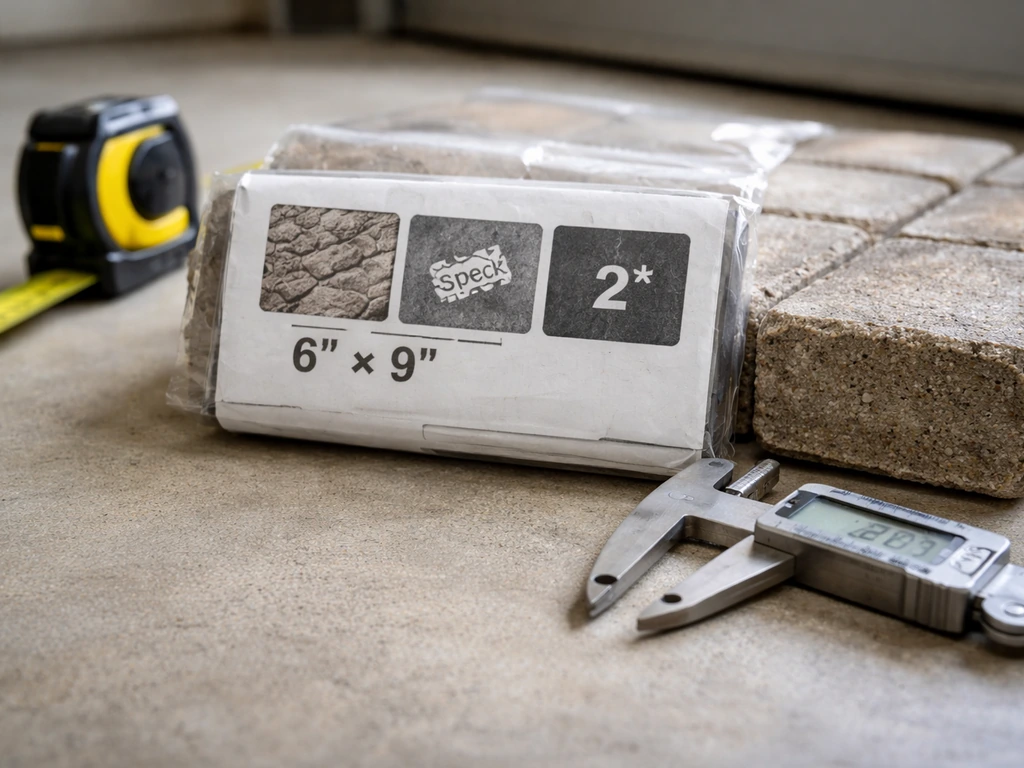
This is where most buying mistakes happen. People get excited about a product, skip the spec sheet, and then realize it does not fit, will not hold up to their weather, or requires a permit they did not know about. Check these things with every seller, regardless of category.
For pavers and surface materials
- Paver thickness: standard residential concrete pavers are around 2 3/8 inches; driveways and heavy-traffic areas need thicker options
- Does the price include base materials (compacted gravel, bedding sand, polymeric sand) or just the pavers?
- Slip resistance rating, especially for pool decks or areas that get wet
- Freeze-thaw rating if you are in a climate with hard winters (not all pavers handle that well)
- Delivery timeline and minimum order quantities for bulk stone
- Return policy: can you return unopened pallets if you over-order?
For patio furniture
- Frame material and finish: powder-coated aluminum is the most durable and low-maintenance option for most climates
- Cushion fabric: look for solution-dyed acrylic like Sunbrella (5-year limited warranty) or equivalent performance fabric
- UV and mold resistance ratings on cushions, especially in humid climates
- Warranty length: 15 years on aluminum frames from premium brands is the benchmark; cheap sets may offer none
- Dimensions vs your space: measure your patio before ordering; oversized furniture is the number one return reason
- Assembly required and estimated time: factor this into your timeline
For patio covers and enclosures
- Snow load rating in pounds per square foot: must meet or exceed your local code (minimum 10 psf per IRC Appendix H, but many regions require more)
- Wind load rating in MPH: check your region's design wind speed
- Attachment method: is it freestanding or attached to your home? Attached covers usually require a permit
- Post spacing and count: more posts mean more support but also more anchor points to plan for
- Lead time: custom covers can take 4–12 weeks; kits from big-box stores ship in days
- Installation included or separate? Get that cost in writing before comparing prices
DIY vs hiring a pro: what it actually costs
Budget is the real deciding factor for most homeowners. Here is a realistic breakdown of what you can expect across the main categories in 2026. BobVila provides installed cost ranges by paver type and material-type examples, which can help frame patio budget expectations.
| Project type | DIY materials cost (approx.) | Professionally installed (approx.) | When to hire a pro |
|---|---|---|---|
| Paver patio (200 sq ft) | $600–$1,200 | $2,400–$4,000+ | When base prep is complex or you have drainage issues |
| Patio furniture set (4–6 piece) | $400–$2,500 | N/A (assembly only) | Assembly services sometimes available from retailers for $100–$200 |
| Aluminum patio cover (12x20 ft kit) | $800–$2,000 for kit | $3,500–$7,000+ installed | Attached covers, permits, or structural connections to roof/fascia |
| Pergola kit (wood or aluminum) | $500–$3,000 | $2,500–$6,000+ | Larger footprints, electrical for fans/lights, or HOA requirements |
| Misting system (basic) | $150–$500 | $500–$2,000+ | High-pressure systems requiring pump installation |
Pavers are the category where DIY savings look biggest but hidden costs bite the hardest. The paver stones are just one part of the bill. A proper base requires excavating 5 to 11 inches of depth (paver thickness plus at least 4 to 8 inches of compacted gravel base plus 1 inch of bedding sand), renting a plate compactor, buying polymeric sand for the joints, and getting the grading right for drainage. If you skip or shortcut the base, pavers will shift and settle within a couple of years. For freeze-thaw climates especially, that base layer is non-negotiable.
Patio covers that attach to your home almost always need a permit and a licensed contractor. Even if you buy the kit yourself, having a pro handle the attachment and any structural connections protects your home and keeps your homeowner's insurance intact. Freestanding pergola kits in most jurisdictions can be a DIY project if you are comfortable with post anchoring and basic framing.
Your buying checklist and next steps
Before you buy anything, run through this process. It takes maybe 30 minutes and will save you from the most common (and expensive) mistakes.
- Measure your patio space: length, width, and note any obstacles like doors, windows, downspouts, or utility boxes. Do this before looking at a single product.
- Decide your category: surface, furniture, cover, or add-ons. If it is more than one, prioritize and handle them separately.
- Check your local climate requirements: look up your region's design wind speed and ground snow load. For covers, this determines the minimum product specs you can legally install.
- Build your materials list: for pavers, include base gravel, bedding sand, and polymeric sand in addition to the pavers themselves. For covers, list posts, anchors, and any electrical needs for fans or lighting.
- Get at least two quotes if hiring a contractor: one from a big-box store's installation service and one from a local specialty contractor. The difference in scope and quality is often eye-opening.
- Verify lead times before you commit: if you want this done by Labor Day, work backward from today and confirm in-stock availability or custom order timelines.
- Check return policies and warranty terms in writing: especially for online purchases of furniture and cover kits where you cannot inspect before buying.
- Confirm permit requirements with your local building department: one phone call can prevent a costly teardown later.
The stores and suppliers covered here will each give you a different experience depending on what you are buying. For most homeowners in June, the fastest path to a great patio is: buy furniture from Wayfair or a local showroom, source pavers from a landscape supply yard with delivery, and get two or three quotes from local patio cover installers before committing to a kit. That combination gets you competitive pricing, the right specs for your climate, and a clear picture of your total project cost before you spend a dollar.
FAQ
How do I choose the right type of “patio” store when my project includes multiple parts (surface, cover, and furniture)?
Split your shopping into categories, then match each category to the type of seller that provides installation-ready specs. For example, buy the surface (pavers, slabs, or turf) from a hardscape or turf supplier who can confirm base requirements, then handle the cover with a contractor or manufacturer that can provide load and attachment details, and finally buy furniture from a retailer that offers full material and warranty information.
What should I ask a landscape supply yard before buying pavers so I do not miss required materials?
Ask whether they recommend the full layered build, including compacted base depth, bedding sand type and depth, and the specific jointing sand product (often polymeric). Also ask for guidance on edge restraints and drainage direction, because those items control long-term stability even when you already know the paver thickness.
Is it better to buy pavers in-store or online if I am ordering in bulk?
In many cases bulk delivery from a landscape supply yard costs less and gives better selection for higher-quantity projects, especially when you need the right base and jointing materials. If you buy online, confirm paver lot numbers, actual thickness tolerances, and whether the retailer can supply matching polymeric sand and edging in the same shipment.
How can I estimate how many pavers I need so I do not run short?
Plan for waste and cutting by ordering extra beyond your measured patio square footage. A common approach is to add an overage for cuts and breakage, then verify the joint width your layout uses because different joint patterns change how many units you need.
What is the biggest mistake people make when installing pavers they bought from a big-box store?
They buy only the pavers and underestimate base prep, compaction, and jointing sand requirements. Even with correct paver material, shortcuts like insufficient excavation depth, poor grading, or skipping polymeric sand can lead to movement, settlement, and weed growth.
Do patio cover kits from home improvement stores meet local weather and code requirements everywhere?
Not automatically. Kit listings may show wind or snow information, but you still must verify it matches your location and permitting requirements. If the kit page does not clearly state relevant load values and mounting details for your roof or wall connection method, it is safer to involve a local installer before purchasing.
When do I need a licensed contractor for a patio cover or enclosure even if I buy the kit myself?
If the cover attaches to your home, if it requires structural connections, or if your jurisdiction requires permits for patio structures, plan on using a licensed contractor. A pro also helps ensure the attachment method and load assumptions align with local inspection expectations.
For climate-controlled add-ons like misting systems, what should I verify before buying hardware?
Confirm water source compatibility, pressure requirements, recommended nozzle spacing, and where the system requires drainage or power. Also check whether you need freeze protection in winter, because many “summer-ready” misting setups fail if they are not winterized or designed for your climate.
What should I look for in outdoor furniture warranties if I buy online?
Look for warranty terms that match the materials that actually matter, such as frame corrosion coverage and cushion fade or workmanship coverage. If the listing only shows a short bumper warranty without specifying frame material or fabric type, consider contacting the manufacturer or choosing a retailer with clearer documentation.
Is it worth visiting a local patio showroom if I will likely buy online?
Yes, particularly for furniture. Seeing cushion density and fabric color in natural light helps avoid “color disappointment” online, and you can confirm construction quality (stitching, frame feel, and hardware) so you can buy the same style with higher confidence later.
If I want fake grass for a patio, what should I confirm beyond the roll or turf brand?
Confirm drainage and installation requirements for your patio area (slope, base prep, and how seams are handled). Also check that the product is designed for your climate heat and expected wear, since some turf performs worse under high temperatures if it is not rated for patio exposure.
Do fake grass and dog-friendly turf belong in the same shopping category as regular paver patios?
No. Dog-friendly turf typically requires different backing and drainage or odor management considerations, so it helps to shop those products as their own category rather than assuming a standard turf supplier will also provide pet-specific guidance.
How do I avoid buying the wrong load-rated cover for a snowy or high-wind area?
Do not rely on a generic kit description. Verify the cover’s stated live load and wind performance, then compare it to your region’s typical snow loading assumptions. When in doubt, request local installation or a quote that includes engineering or code-relevant documentation for your exact setup.
What is a practical way to get apples-to-apples quotes for patio cover installers?
Ask each installer to quote the same scope and details, including roof/wall attachment method, cover type (louvered, solid, or lattice), finish materials, and whether they include permitting. Also ask for the schedule and who handles structural review or any required documentation for inspection.
How should I time my purchases to avoid missing good deals?
Furniture deals often improve when retailers shift seasonal inventory, while hardscape materials are more sensitive to availability and delivery scheduling. If you are doing a cover installation, secure quotes early because installers and permitting lead times can push your start date, especially during peak season.