
The best patio dog potty setup depends on three things: your patio surface, your dog's size, and how committed you are to a real cleaning routine. For most homeowners on a hard patio with no yard access, a self-draining synthetic grass tray system (like the Porch Potty Standard or PetSafe Pet Loo) is the most practical choice. It keeps urine off the surface, controls odor when cleaned consistently, and gives your dog a surface it actually wants to use. If you have occasional lawn access but need a designated spot, a larger drainage-underlayment turf setup like Pup-Grass with Pup-Drain is worth the investment. Pick the wrong system for your setup, though, and you'll be fighting odor, standing urine, and a dog that ignores the whole thing.
Best Patio Dog Potty: How to Choose and Set Up

Elise Prescott
2 Jun 2026
How to figure out what you actually need first
Before you buy anything, answer these four questions honestly. First, how big is your dog? A 12-pound Shih Tzu and a 90-pound Lab produce completely different urine volumes, and a small tray system will be overwhelmed by a large breed within days. Second, does your patio drain naturally, or does water pool? Flat concrete balconies, sealed decks, and pavers without slope all need a system with a built-in catch basin or drain hose, or you're just moving the problem around. Third, how often are you realistically going to clean this? Daily rinsing is non-negotiable with any patio potty. If that's not happening, odor will win. Fourth, is your dog already house-trained, or is this a new puppy situation? A trained dog adapts faster, but even a trained adult dog needs a few weeks of consistent reinforcement to reliably use a new designated spot.
Once you've answered those, you can match your situation to the right system. The goals are simple: urine needs to move away from the surface immediately, solids need to be removed quickly, the surface needs to be cleanable without destroying it, and the whole setup needs to survive your specific weather. That last point matters more than most product listings admit.
Best options by patio type
Balconies and hard patios with no yard access
This is the most challenging setup and also the most common reason people search for a patio potty in the first place. If you're wondering where to buy patio potty setups, the easiest starting point is shopping for a tray system or drainage underlayment based on your patio type and layout. You have concrete, tile, or composite decking, no grass nearby, and a dog that needs somewhere to go. A contained tray system with synthetic grass and drainage is your best solution here.
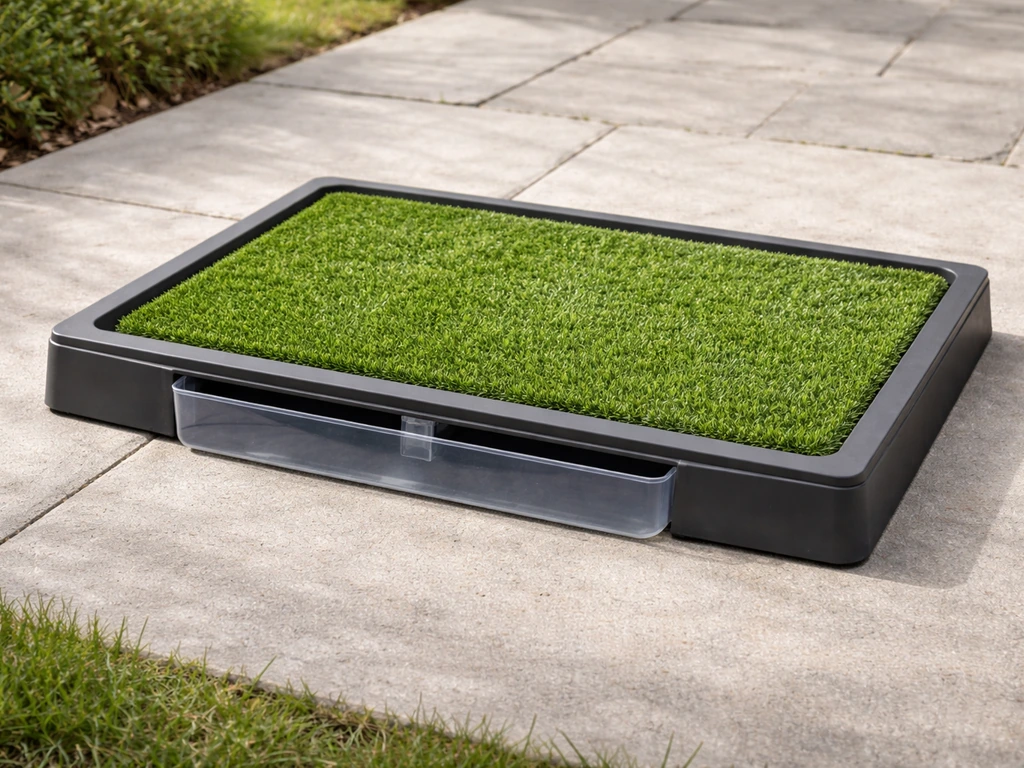
The Porch Potty Standard is a solid pick for small to medium dogs. It routes urine through a perforated synthetic grass backing and into either a 14-foot drain hose (if you can run it to a floor drain) or a removable catch basin. The key advantage is that urine is physically separated from the grass surface, which is what actually controls odor. Leaving urine sitting under or on the grass is the number one mistake people make, and this system mechanically prevents it. For larger dogs or high-traffic use, size up or plan to empty and rinse the basin daily.
The PetSafe Pet Loo works on a similar principle: a synthetic grass layer sits on a grate above a holding tray. The grass stays elevated and dry, the liquid drops into the tray below. It's compact and portable, which is useful if you need to move it inside during extreme weather. One important note: PetSafe specifically says not to use bleach or citrus-based cleaners on this unit, so skip those and stick to a diluted white vinegar solution for deep cleaning. The Petco Potty Patch is a budget-friendly version of the same concept, using woven synthetic grass over a grate and tray. It's fine for small dogs, but the tray volume is limited and it will need daily emptying for any dog over 20 pounds.
Patios with occasional yard access or larger outdoor spaces
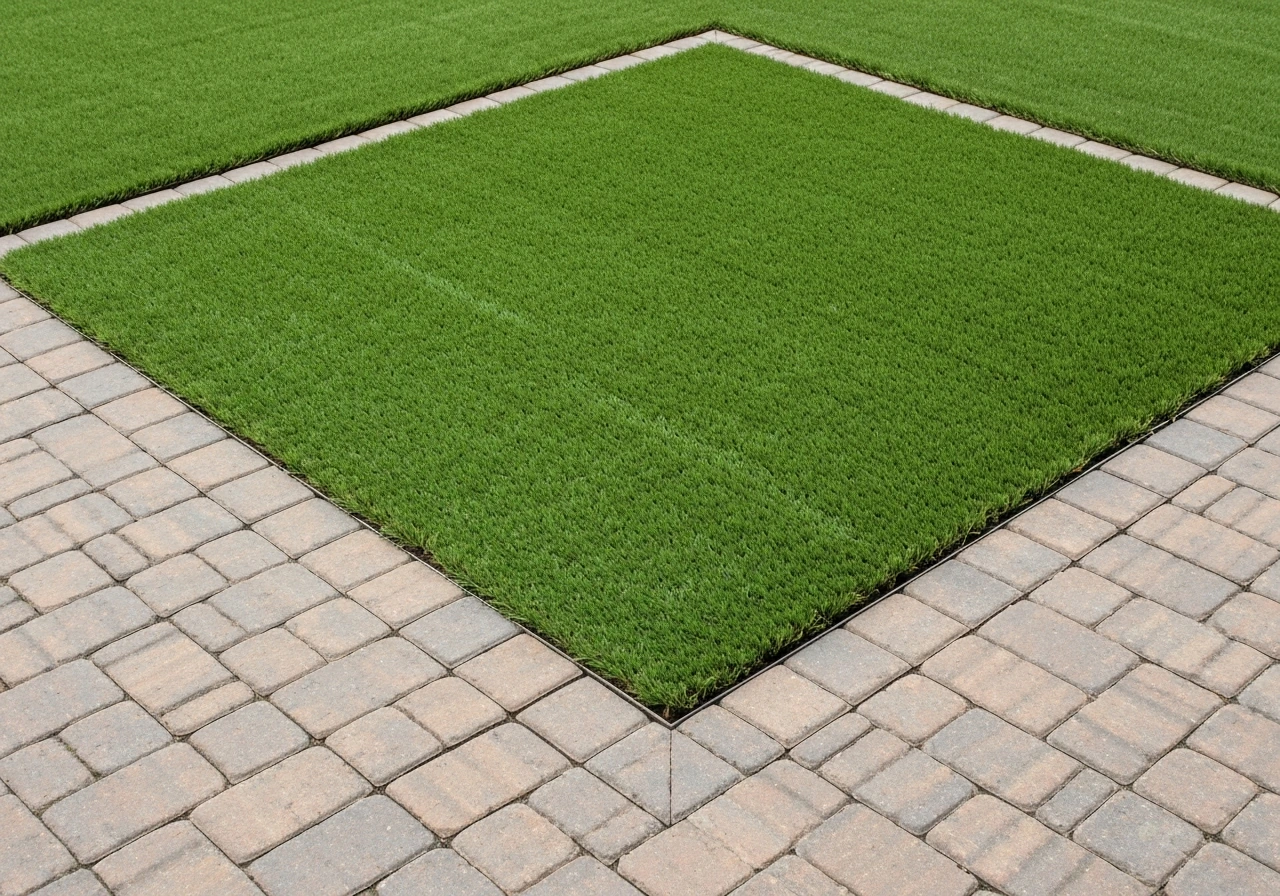
If you have a ground-level patio adjacent to a yard, or a large covered patio with actual space to work with, you have more flexibility. A dedicated corner of artificial turf with a proper drainage underlayment is a more permanent, higher-capacity solution. Pup-Grass with the Pup-Drain underlayment is designed specifically for this. The Pup-Drain sits beneath the turf and blank" rel="noopener noreferrer">creates continuous drainage channels that move liquid away from the surface, protecting the turf backing from contact with hard or uneven substrates. This matters on pavers or concrete where pooling can otherwise happen between the turf and the ground. This approach works well for larger breeds or multi-dog households where a small tray just won't cut it. It also looks more integrated with your patio than a freestanding tray system. If you're already thinking about artificial grass for your patio in general, combining a dedicated potty zone with an aesthetic turf installation is worth considering. Once you decide between a tray or a drainage-underlayment setup, you can find the right artificial grass and accessories by searching for where to buy fake grass for patio.
Surface and drainage: the two things that control odor
Odor is almost always a drainage failure. When urine sits on or under a surface instead of draining through it, bacteria break it down and produce ammonia. The fix is straightforward: the surface must let liquid pass through quickly, and that liquid must go somewhere it can be rinsed or replaced regularly.
For tray-based systems, make sure the grass or grate is elevated enough that the surface never sits in pooled urine. The Potty Patch design specifically uses a grate to keep the grass elevated above the liquid tray for this reason. For turf-on-hardscape setups, a drainage underlayment like Pup-Drain prevents the turf backing from sitting flat on concrete, which would seal off drainage and trap moisture underneath. Pup-Grass explicitly warns that accumulated debris blocking drainage is one of the main drivers of persistent odor, so the drainage layer isn't optional if you're doing a permanent installation.
For cleaning, enzyme cleaners are the right tool. Enzymes break down uric acid at the molecular level rather than just masking the smell. Pup-Grass recommends using an enzyme cleaner like Pup-Zymes once a month or as needed. Porch Potty recommends flushing the drain tray monthly with water and an enzymatic cleaner to prevent buildup. For the Porch Potty Standard's plastic tray, you can wipe it down or soak it in a water-and-vinegar or water-and-mild-bleach solution. For the Pet Loo, skip the bleach entirely and use a 50/50 vinegar-and-water soak instead.
Training your dog to actually use it
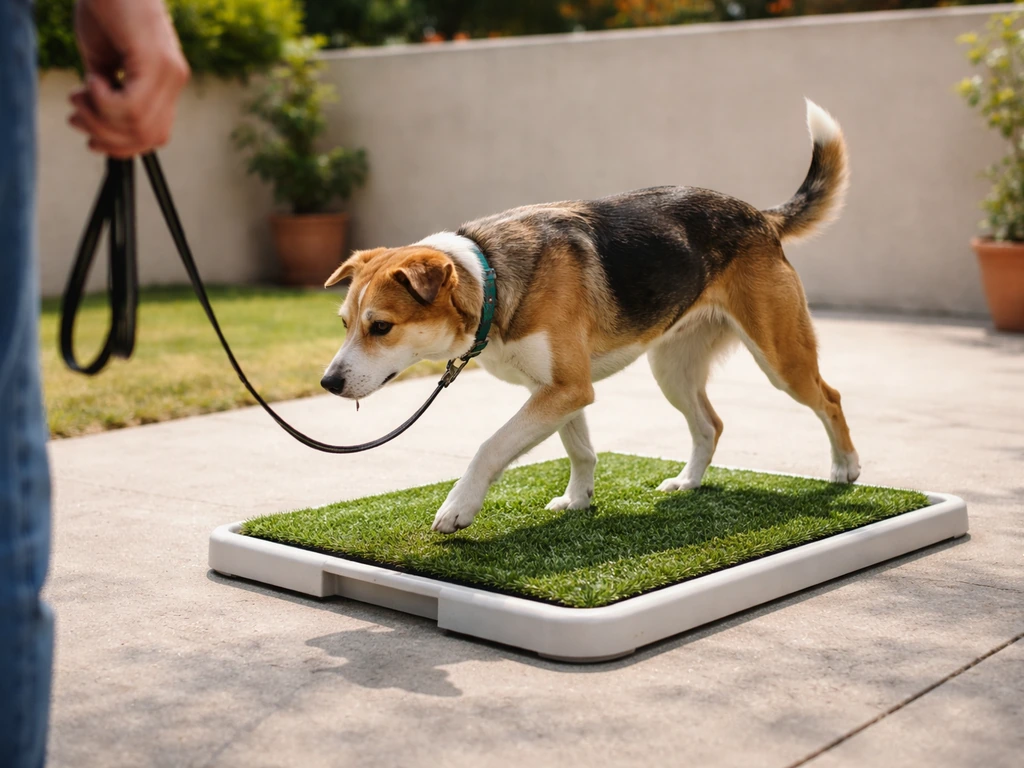
The best potty system in the world is useless if your dog refuses to use it. Most dogs adapt within one to three weeks if you're consistent. Here's the approach that actually works.
- Pick a consistent elimination schedule and stick to it. First thing in the morning, after meals, after naps, and before bed are the core windows. The more predictable the schedule, the faster the dog learns where to go.
- Use a single, consistent verbal cue every time you bring the dog to the potty. A word like 'potty' or 'bathroom' said calmly when the dog is sniffing or starting to go creates an association. PetMD recommends this as a foundational part of potty training because the cue becomes a trigger over time.
- Reward immediately after elimination, not after returning inside. Timing matters. A treat or verbal praise within two to three seconds of them finishing is far more effective than a delayed reward.
- Limit freedom until the pattern is established. Keeping the dog in a smaller area of your patio or using a crate when you can't supervise helps prevent accidents. Crate training supports potty training by giving the dog a safe home base and reducing the chance of unsupervised elimination elsewhere.
- If your dog seems hesitant about the synthetic grass surface, let them sniff it freely before expecting them to use it. Some dogs need a few days just to get comfortable with the texture.
Placement matters too. Put the potty in a spot that feels slightly separate from the dog's main lounging area. Dogs naturally prefer to eliminate away from where they sleep and eat, so a corner or edge of the patio works better than the center.
The maintenance routine that keeps odor from taking over
There's no way around this: a patio potty requires a real cleaning habit. The good news is that if you stay on top of the daily and weekly tasks, the deep clean stays manageable. Skip days, and you're dealing with a much bigger problem.
| Frequency | Task |
|---|---|
| Daily | Remove solid waste immediately after each use. Rinse the grass surface and/or empty the tray with fresh water. |
| Every 2-3 days | Rinse the underside of the grass layer and the grate or tray with water. Check for debris blocking drainage holes. |
| Weekly | Remove the grass and wash the tray or basin with mild soap and water. Rinse thoroughly and let dry before reassembling. |
| Monthly | Apply an enzyme cleaner to the full system (turf surface, backing, tray, and drain hose if applicable). Flush the drain line with water. |
| Seasonally | Inspect the turf backing for wear or cracking, check drainage underlayment for accumulated debris, and replace or deep-clean as needed. |
One habit that makes the daily routine easier: keep a small spray bottle with diluted enzyme cleaner and a hose nearby. A 30-second rinse after each use is all you need most days. The monthly enzyme treatment is what prevents the long-term odor buildup that becomes difficult to reverse.
Weather, climate, and durability: what holds up outside
This is where a lot of product reviews fall short. Most patio potty products are tested in mild conditions, but your patio might be in Phoenix, Minneapolis, or coastal Florida, and that changes everything.
Heat and sun (Southwest, Southeast, and Texas summers)
High heat accelerates bacterial breakdown of urine, which means odor builds faster. On a south-facing concrete patio in July, you may need to rinse twice a day instead of once. Plastic trays can warp or crack under sustained UV exposure, so look for UV-stabilized plastics or consider positioning the system in a shaded area. Synthetic grass with a polyethylene blade tends to hold up better in heat than polypropylene, which can get brittle over time.
Rain and humidity (Pacific Northwest, Southeast coast, Gulf states)
Rain is actually helpful for rinsing, but sustained humidity means the surface never fully dries between uses, which encourages mold and bacterial growth in the turf backing. Drainage becomes even more critical here. A system without a proper drainage layer will stay damp and start smelling even without urine. Make sure your setup has enough slope or drainage capacity that water doesn't pool, and increase your enzyme cleaner frequency to every two to three weeks instead of monthly.
Freezing temperatures (Midwest, Mountain West, New England)
Plastic trays can crack in hard freezes. If you're in a climate with sustained sub-freezing winters, either bring the unit inside or choose a system with a more durable housing. Drain hoses can freeze and crack if water is left standing in them. The portable nature of tray systems like the Pet Loo is actually an advantage here since you can move the whole thing inside during cold snaps. For permanent turf installations, frozen urine can crystallize in the backing and cause a strong odor burst when it thaws in spring, which is why the seasonal deep clean is especially important in cold-climate regions.
Budget vs premium options, and when to call a pro
You don't have to spend a lot to get a functional setup, but budget systems have real limitations. Here's an honest breakdown.
| Option | Best For | Approx. Cost | Main Trade-off |
|---|---|---|---|
| Petco Potty Patch or similar tray system | Small dogs, renters, balconies | $25-$50 | Small tray volume, needs daily emptying, not built for large dogs |
| PetSafe Pet Loo | Small to medium dogs, portability needed | $60-$100 | Mid-size tray, no bleach compatible, plastic durability varies by climate |
| Porch Potty Standard | Small to large dogs, covered patios | $100-$180 | Requires drain hose routing or regular basin emptying |
| DIY turf with Pup-Drain underlayment | Large dogs, permanent installations, multi-dog homes | $200-$500+ depending on size | Requires planning, cutting, and some installation effort |
| Professional turf installation with integrated drainage | Homeowners wanting a finished, low-maintenance permanent solution | $500-$2,000+ | Higher upfront cost, but cleanest long-term result |
DIY is completely realistic for tray-based systems and even for a small turf section with an underlayment. If you're comfortable cutting turf to size, laying it over a drainage mat, and securing the edges, you can do a solid installation in an afternoon. Where professional help makes sense is when your patio drainage situation is genuinely complicated: if you need to cut into a concrete surface to add a drain, route a drain line through a wall, or install a larger system on an upper-floor balcony where water management is a safety and building-code concern. In those cases, hiring a landscape contractor or handyman who has done similar outdoor drainage work is worth the expense. Getting drainage wrong on a balcony or second-story deck can cause water intrusion problems that cost far more to fix later.
If you're already thinking about adding artificial grass to your patio for aesthetic or pet-friendly reasons, combining a dedicated dog potty zone within a larger turf installation is a smart way to get both done at once. When you compare the best fake grass for patio use, prioritize drainage underlayment and a surface that rinses cleanly after each use artificial grass for your patio. A contractor can integrate the drainage properly from the start, which is much cleaner than retrofitting it later. The same conversation applies if you're researching the best patio grass for dogs or comparing real fake grass options for your outdoor space. The right drainage design is the common thread across all of those choices, and it's worth getting right the first time.
Your next steps
Start by checking your patio's existing drainage situation before buying anything. If water pools on your patio after rain, you need a system with a self-contained catch basin or drain hose, and you may want to address the underlying drainage issue before installing anything permanent. If your patio drains decently, a tray system like the Porch Potty or Pet Loo is a fast, affordable way to get started and see how your dog responds. Give training at least two full weeks of consistency before deciding whether the system is working. If you have a large dog, a multi-dog household, or you want a permanent solution that blends into your patio design, budget for a turf-plus-underlayment setup and consider getting a contractor quote. The maintenance routine is non-negotiable regardless of which system you choose, and the monthly enzyme treatment is the single habit that makes the biggest difference in long-term odor control.
FAQ
How do I know if my patio will actually drain enough for a tray or turf potty?
Do a simple water test: pour a few buckets of water in the exact spot you plan to place the potty and watch where it goes for 30 to 60 minutes. If water puddles, crawls slowly, or stays damp overnight, you will likely need a contained catch basin or a drainage-underlayment setup, otherwise the system becomes an odor trap even with daily rinsing.
Can I use regular household disinfectants or deodorizing sprays on the patio dog potty?
Avoid anything that can leave residue or harm the turf backing. The article already flags skipping bleach and citrus for the Pet Loo, and for cleaning you generally want enzyme-based products plus rinsing. If you use a cleaner and your dog reacts by avoiding the area, stop and switch to enzyme cleaner only (diluted per label) to prevent scent-based refusal.
What if my dog pees on the patio instead of using the potty zone?
Treat it like a relocation training task. Keep the dog on a leash or tether when indoors/outdoors during toilet windows for the first 1 to 2 weeks, take them directly to the potty, and clean any missed spots thoroughly with an enzyme cleaner. Repeated misses often mean the potty is too close to the lounge area, or the surface is still damp or smells faintly of prior urine.
How long should I wait before deciding the system is not working?
Plan on at least two full weeks of consistent reinforcement, even if your dog is already house-trained. If there is consistent use but odor builds, the issue is usually drainage or missed rinsing. If there is near-zero use from day one onward, focus on placement separation, surface preference (tray grate vs elevated turf), and making sure the potty area is never left sitting wet.
Is it better to choose a tray system or a drainage-underlayment turf setup for a multi-dog household?
For multiple dogs, capacity and recovery time matter more. A tray can fill quickly, and you may need more frequent emptying and rinsing than you expect. A drainage-underlayment setup tends to handle higher traffic better because urine moves away from the surface and dries faster, but it still depends on slope and debris control.
Will urine odor still come back if I clean daily but skip the monthly enzyme treatment?
Yes. Daily rinsing helps remove fresh urine, but uric acid residues can remain in the surface layers and keep breaking down over time. The monthly enzyme step is what targets leftover uric acid at a molecular level, reducing the ammonia-like smell that often returns after a few weeks even when you rinse regularly.
What’s the safest way to deepen-clean a plastic tray without damaging it?
For plastic trays, a vinegar-and-water or water-and-mild-cleaner approach is safer than harsh disinfectants. The article notes you can wipe or soak the plastic tray with water and vinegar, and it also mentions a mild-bleach option for that particular tray type. If you notice clouding, brittleness, or sticky residue, switch to vinegar-based soaking and rinse thoroughly before letting your dog use it again.
What should I do before winter if my patio potty sits outside?
If temperatures regularly drop below freezing, remove portable tray units indoors during cold snaps to prevent cracking. For systems with hoses, make sure there is no standing water in lines, because frozen water can expand and split components. For permanent turf, schedule the seasonal deep clean before thaw-season starts to reduce the “odor burst” effect when trapped moisture warms up.
Can I install a patio potty on pavers or over uneven concrete?
Yes, but you need to compensate for irregular surfaces. The biggest risk is creating low spots that trap urine between the potty base and the ground. Use a drainage-aware underlayment if installing turf on hardscape, and confirm there is a path for liquid removal rather than relying on the turf to “absorb” or hide moisture.
How do I prevent debris from blocking drainage in a turf-underlayment system?
Make debris removal part of your routine, not just “when it smells.” Leaves, grit, and yard trash can clog channels and stop urine from moving away. Do a quick visual check after storms and once weekly during peak leaf season, and rinse the drainage area when you do your monthly enzyme treatment to keep flow paths open.