
For most patio setups, a gas-powered oven like the Ooni Koda 16 is the best starting point: it heats to 950°F in about 20 minutes, handles 16-inch pizzas, and works cleanly under a covered patio without smoke concerns. But if you want that authentic wood-fired flavor and have an open-air space, a pellet oven like the Ooni Fyra 12 or a full wood-fired model gives you something special for around the same price. The real answer depends on your fuel preference, your patio's clearances, and how much of your Saturday you want to spend on setup versus cooking.
Best Patio Pizza Oven Buying Guide: Wood, Gas, Pellet, Electric

Elise Prescott
31 May 2026
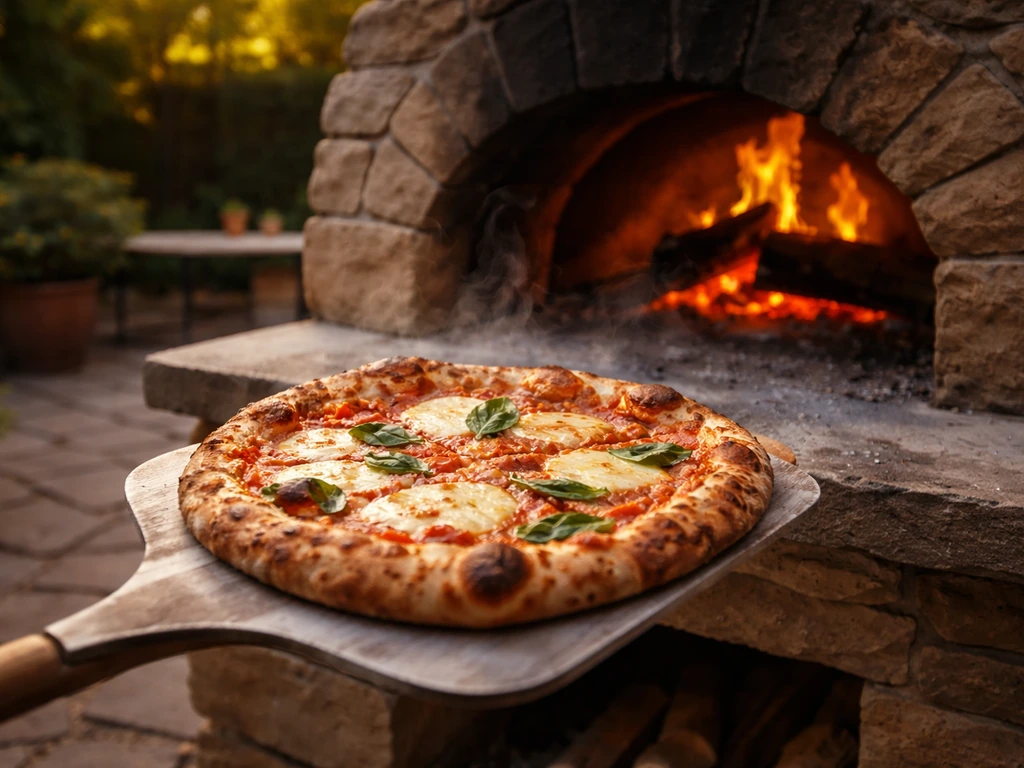
What 'Best Patio Pizza Oven' Actually Means for Your Setup
The phrase means something different depending on who's asking. A homeowner with a covered pergola in a humid Southern climate needs a different oven than someone with an exposed concrete slab in dry Arizona. Before you buy anything, nail down four things: fuel type, pizza size, performance expectations, and budget. Food Network Shopping Experts frames “best patio pizza oven” decisions around fuel type first, then pizza size (often 12- or 16-inch), and then key performance factors like quick preheat and even cooking.
Fuel type is the biggest fork in the road. Wood-fired ovens deliver the best flavor and the most theater, but they need open-air placement and more hands-on management. Gas (propane or natural gas) is the most practical choice for covered patios because there's no smoke and you can dial the heat like a regular burner. Pellet ovens split the difference: they burn real wood pellets for flavor but feed automatically, so you're not constantly stoking a fire. Electric countertop ovens (like the Breville Pizzaiolo) are the answer when local codes or HOA rules prohibit open flame outdoors, or when you want to move the oven inside in winter.
Pizza size shapes nearly everything else. Most portable outdoor ovens are built around a 12-inch cooking surface. Most outdoor pizza ovens are marketed around 12-inch pizzas, with some models supporting 16-inch pies for larger feedings and crowds. That's fine for one or two people but slow if you're feeding a group, because you're baking one pizza at a time. Step up to a 16-inch model and you can cook larger pies, which means less batching and shorter wait times for guests. If entertaining is a priority, don't compromise on size.
Budget-wise, expect to pay $300 to $500 for a solid entry-level portable oven, $500 to $800 for a high-performance portable, and $1,500 and up for a permanent built-in or large wood-fired unit. That's just the oven. Factor in a cover, pizza peel, infrared thermometer, and fuel costs, and a realistic first-year budget for a portable setup is $500 to $900 all-in.
Top Picks by Fuel Type
Best Gas Oven: Ooni Koda 16
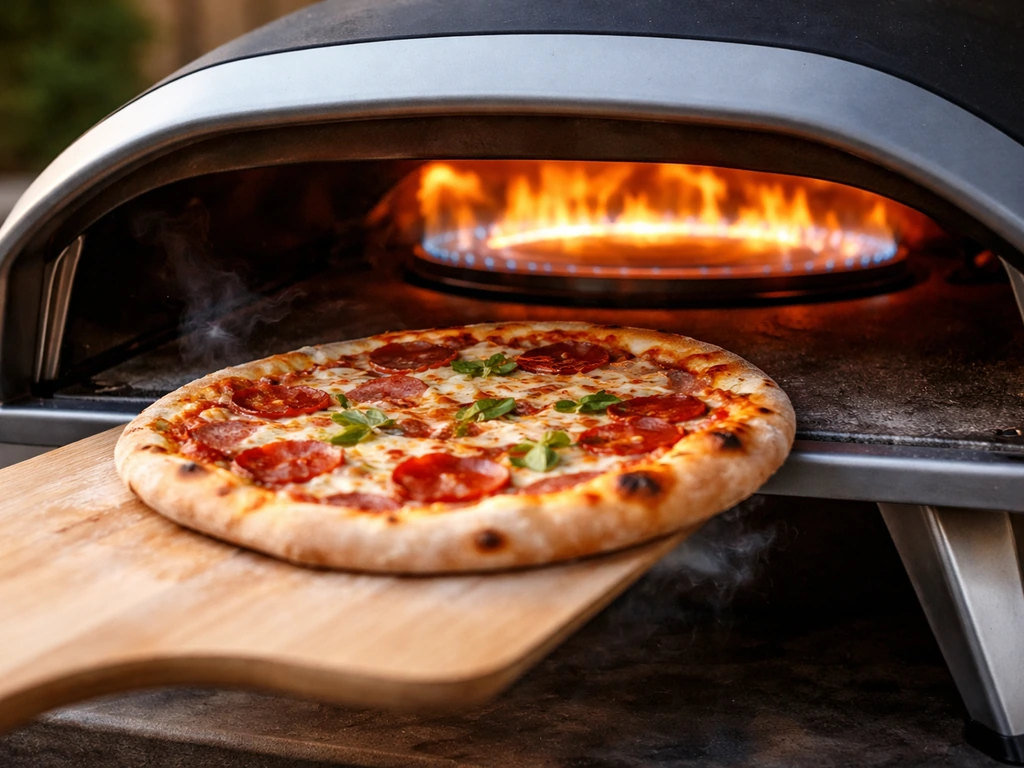
Tom's Guide named the Ooni Koda 16 the best overall outdoor pizza oven in 2026, and it's hard to argue. It runs on propane, reaches 950°F (500°C) in about 20 minutes, and has a 16-inch cooking surface that handles most homemade and store-bought dough sizes. The L-shaped burner wraps heat around the back of the stone evenly, and the adjustable control knob makes it genuinely easy to manage. Setup takes under 10 minutes, there's no assembly required beyond unfolding the legs, and cleanup is straightforward. If you have a covered patio or pergola and want to start cooking pizza tonight, this is your pick.
Best Pellet Oven: Ooni Fyra 12
The Fyra 12 uses a gravity-fed hopper that pulls in hardwood pellets automatically, so you get real wood flavor without constantly adding logs. It hits 950°F and is ready to cook in about 15 minutes. The 12-inch cooking surface is the main limitation, so it's best for households of two to four people or anyone who doesn't mind a little batching. It's lighter and more portable than most wood-fired options, which matters if you want to move it off the patio and into a garage or shed when bad weather rolls in. One honest note: pellet ovens are more sensitive to wind than gas models, so positioning matters.
Best Wood-Fired Oven: Gozney Dome
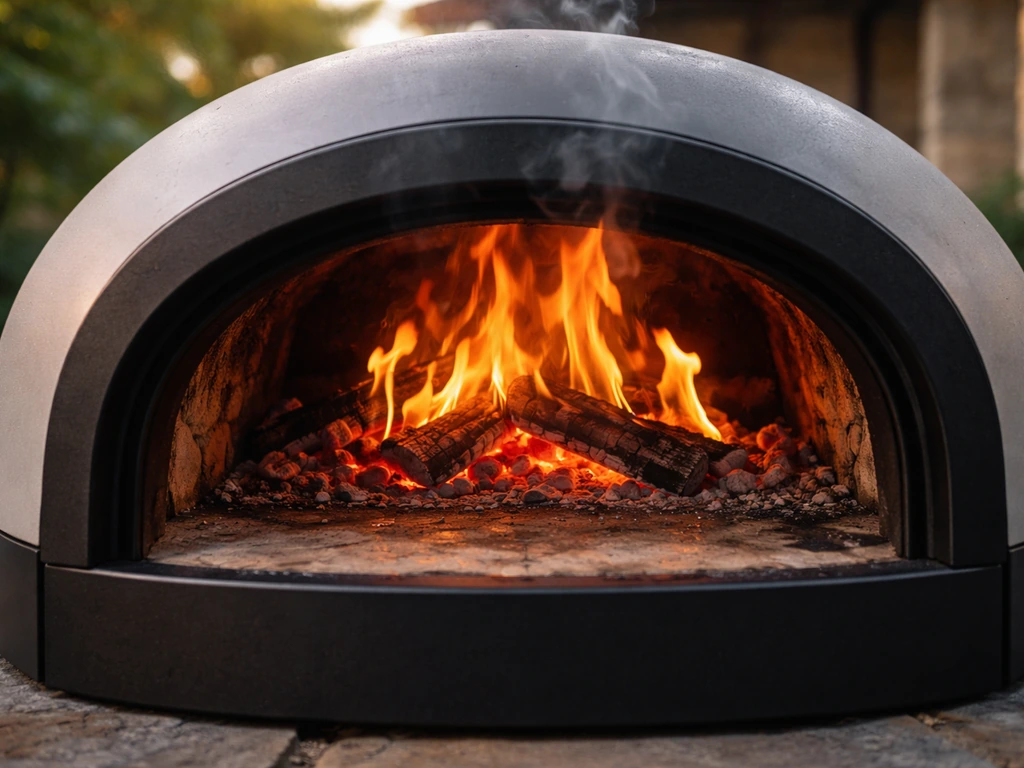
The Gozney Dome is the choice when you want the full experience: a thick stone interior, serious thermal mass, and the ability to cook pizza after pizza at high heat without the stone dropping in temperature. Gozney markets it around that "60-second Neapolitan pizza" benchmark, and the insulated dome shape genuinely delivers stable, even heat that portable ovens can't fully match. It runs on wood, with a gas burner attachment available separately.
It's heavier and pricier than the Ooni lineup, but if you're building out a permanent patio cooking station (especially if you're also considering adding a fire pit or outdoor landscaping around it), the Dome earns its place as a centerpiece. If you are planning patio structure upgrades, pair your oven choice with the best patio landscaping so pathways, plantings, and lighting work well together.
Best Electric Option: Breville Pizzaiolo
The Breville Pizzaiolo is a countertop electric oven that reaches 750°F and cooks a pizza in about 2 minutes. It won't replace a proper wood-fired oven for flavor purists, but it's genuinely excellent for patios where open flame isn't allowed, for apartment balconies, or for anyone who wants to move their pizza setup indoors during cold months. It plugs into a standard outlet and fits on any outdoor kitchen counter or side table. The 750°F ceiling is lower than gas or pellet options, but Fontana Forni's own guidance targets 700°F to 750°F as the sweet spot for consistent stone performance, so you're not missing as much as the spec sheet might suggest.
Features That Actually Matter: What to Check Before You Buy
- Heat output and max temperature: Look for a minimum of 700°F for reliable Neapolitan-style pizza. The best portable models hit 900°F to 950°F. Lower temps mean longer cook times and softer crusts.
- Cooking stone and thermal mass: A thick cordierite or ceramic stone absorbs and holds heat so back-to-back pizzas cook consistently. Thin stones drop in temperature after the first pie.
- Preheat time: Gas and pellet ovens typically preheat in 15 to 20 minutes. Wood-fired ovens take 45 minutes to an hour to bring the stone up to full temp. Factor this into your cooking schedule.
- Flame and airflow control: Gas ovens let you dial heat precisely. Wood and pellet ovens require airflow dampers and venting adjustments. Better control means less guesswork and fewer burned crusts.
- Insulation: Dome or barrel designs with thick insulation hold heat more efficiently and use less fuel. Thin-walled ovens hemorrhage heat and are harder to manage in wind.
- Cooking surface size: 12-inch suits 1 to 2 people. 16-inch handles larger pies or crowds. Check internal dimensions, not just the advertised size.
- Ease of use and controls: Beginners do better with gas. Wood and pellet ovens reward practice. If you're buying for a partner or family who won't want to manage a fire, go gas.
- Weight and portability: Portable ovens in the 20 to 30 lb range are easy to store. Ovens over 50 lbs typically need a permanent cart or dedicated patio station.
Sizing and Placing Your Oven on the Patio
Placement is where homeowners make the most costly mistakes, and I don't mean buying the wrong size oven. I mean putting it in a spot that creates a safety hazard, voids the warranty, or just makes the cooking experience miserable. Here's how to think through it.
Clearances and Safe Positioning
All outdoor pizza ovens need clearance from combustible surfaces. As a general rule, maintain at least 3 feet of horizontal clearance from walls, fences, furniture, and patio umbrellas, and at least 6 to 10 feet of vertical clearance from overhead structures for wood-fired or pellet models that produce sparks or smoke. Gas ovens are more forgiving under a covered patio, but check the manufacturer's specific requirements, because they vary. Never place an oven on a wooden deck without a non-combustible mat or stand underneath it.
Wind, Rain, and Regional Weather
Wind is the enemy of pellet and wood-fired ovens. It disrupts airflow, causes temperature swings, and can blow embers. If your patio is consistently exposed to wind (common in open Plains states or coastal areas), position the oven so the chimney or exhaust faces away from the prevailing wind direction, or add a partial windbreak using your patio structure or a freestanding screen. Gas ovens handle wind better, but heavy gusts can still affect the burner flame.
In rainy climates like the Pacific Northwest or Southeast, store the oven under cover or use a weatherproof cover after each use. Pellet and wood-fired models are especially vulnerable to moisture in the stone and hopper. The Ooni Fyra 12 manual is explicit: keep it free from heavy rain between uses.
Ventilation Under Covered Patios
If you have a covered patio, pergola, or patio room, gas is the cleanest option since it produces minimal smoke. Wood and pellet ovens under a covered structure require either a fully open design (like a shade sail rather than a solid roof) or you need to position the oven at the edge of the cover so smoke vents outdoors. Never run a wood-burning oven in an enclosed space. If your patio has walls or screens, treat it like an indoor space and stick with gas or electric. For homeowners who are planning patio structure upgrades alongside adding a pizza oven, this is worth coordinating before building anything permanent.
How to Actually Use Your Oven: Temps, Timing, and Getting Good Pizza Fast
Preheating the Right Way
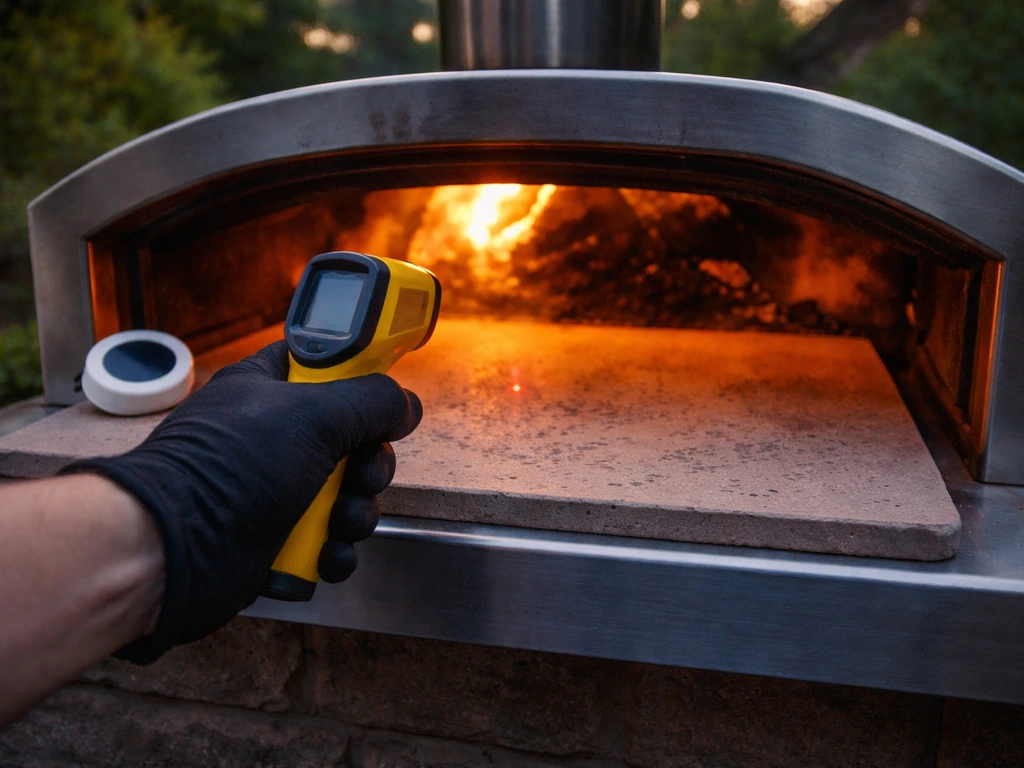
The single biggest reason for bad backyard pizza is an under-preheated stone. The stone needs to be as hot as the air in the oven, which takes longer than most people expect. For gas ovens, run at full flame for at least 15 to 20 minutes before your first launch. For pellet ovens, give it the same time or slightly longer. For wood-fired ovens, plan on 45 to 60 minutes with a sustained fire before the stone is ready. Use an infrared thermometer to check the stone surface temperature, not just the air temperature. If the stone reads 650°F but the thermometer on the dome says 900°F, wait longer.
Target Temperatures and Cook Times
| Style | Target Stone Temp | Cook Time | Notes |
|---|---|---|---|
| Neapolitan | 850°F to 950°F | 60 to 90 seconds | Small, thin, charred spots on crust |
| New York Style | 700°F to 800°F | 3 to 5 minutes | Slightly lower temp for a bigger, thicker pie |
| Grandma / Pan | 600°F to 700°F | 8 to 12 minutes | Lower heat, longer bake, use a pan |
| Electric oven style | 700°F to 750°F | 2 to 4 minutes | Best range for Breville-type electric ovens |
Starter Tips for the First Few Cooks
- Use store-bought dough for your first two or three sessions. Get comfortable with launching and turning before you experiment with homemade.
- Flour your peel generously and work fast. Dough left on a peel for more than 30 seconds starts to stick.
- Turn the pizza every 20 to 30 seconds using a turning peel or long metal peel. High-heat ovens cook unevenly if you don't rotate.
- Start with simple toppings: sauce, cheese, one or two ingredients. Overloaded pies are heavier and harder to launch cleanly.
- Let the stone reheat for 2 to 3 minutes between pizzas, especially if you're cooking multiple pies back-to-back.
Maintenance, Safety, and Making It Last
After Every Cook
Let the oven cool completely before cleaning. Brush off any char or debris from the stone using a stiff-bristle brush designed for pizza ovens. Never use water to clean the stone or to cool the oven. Thermal shock from cold water on a hot stone can crack it permanently, and this is a point the Fyra 12 manual specifically calls out. For the oven exterior, a damp cloth is fine once it's cooled. Gas burner ports can be cleared with a toothpick or thin wire if they get clogged with grease or debris.
Covers, Storage, and Rust Prevention
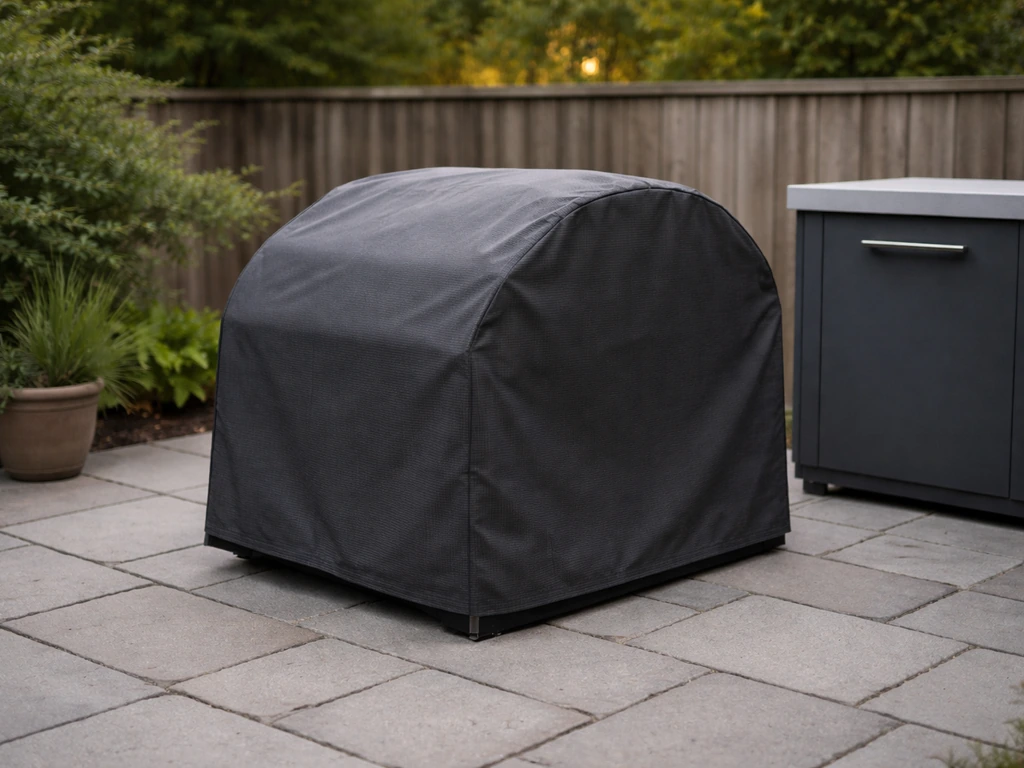
A fitted weatherproof cover is not optional in most climates, it's essential. Exposed steel and cast iron components rust quickly in humid, coastal, or wet environments. Most ovens have covers available from the manufacturer, and first-party covers are worth the extra cost because they're designed for the exact dimensions. If you live somewhere with harsh winters (think Minnesota, Colorado above 6,000 feet, or anywhere with freezing rain), plan to store the oven indoors during the off-season. The Ooni Koda 16's manual specifically recommends avoiding harsh weather and bringing the oven inside when not in use. Lightweight portables make this easy. Larger permanent units need a cover rated for UV, moisture, and temperature extremes.
Long-Term Care for Pellet and Wood Ovens
Empty the ash and pellet hopper after each use or within 24 hours. Wet ash and damp pellets corrode metal faster than almost anything else and can clog the feed mechanism on pellet ovens. For wood-fired models, let the ash cool fully, then dispose of it in a metal container, never plastic or cardboard. Inspect the cooking stone every few months for cracks, especially if the oven has been exposed to temperature swings or moisture. Small hairline cracks in the stone are common and usually fine. Cracks that go all the way through compromise cooking performance and heat retention.
What It Actually Costs: Price, Accessories, and Running Costs
| Item | Budget Range | Notes |
|---|---|---|
| Entry-level portable oven (12-inch, gas or pellet) | $299 to $499 | Ooni Fyra 12, similar competitors |
| Mid-range portable oven (16-inch, gas) | $499 to $799 | Ooni Koda 16, Gozney Roccbox |
| Premium oven (Gozney Dome, built-in, or large wood-fired) | $1,500 to $4,000+ | Permanent or semi-permanent installations |
| Fitted weatherproof cover | $30 to $80 | Buy from the manufacturer when possible |
| Pizza peel set (launch + turning peel) | $40 to $100 | Metal turning peel is worth the upgrade |
| Infrared thermometer | $20 to $50 | Essential for reading stone surface temp |
| Propane (20 lb tank, per season) | $40 to $80 | One tank lasts roughly 8 to 15 cook sessions |
| Wood pellets (20 lb bag) | $15 to $25 | Hardwood blend: apple, oak, or hickory |
| Oven cart or stand | $80 to $200 | Optional but useful for permanent patio placement |
A realistic first-year cost for a mid-range gas setup like the Ooni Koda 16 with essentials runs around $650 to $900. That includes the oven, a cover, a peel set, an infrared thermometer, and two tanks of propane. After year one, running costs drop to roughly $50 to $120 a year in fuel for regular use. Wood and pellet ovens have similar fuel costs but require slightly more in consumables (pellets or wood) depending on how often you cook.
If you're building out your patio more broadly (adding a cover structure, upgrading a pool surround, or redesigning the landscaping around your entertaining space) budget the oven as part of the larger patio project. A permanent outdoor kitchen or patio redesign is the right time to wire in dedicated outlets for an electric oven, plumb a natural gas line for a built-in model, or create a stone or masonry base for a larger wood-fired unit. Trying to retrofit those things later costs significantly more.
Which Oven Should You Actually Buy? A Quick Decision Guide
Here's how I'd work through the decision if a neighbor asked me today:
- If you have a covered patio and want the easiest experience: get the Ooni Koda 16 (gas). No smoke, fast preheat, excellent 16-inch capacity, and it's the most forgiving oven for beginners and experienced cooks alike.
- If you want wood-fired flavor but not the complexity of managing a full fire: get the Ooni Fyra 12 (pellet). It delivers real wood flavor with an automatic feed. Just keep it sheltered from wind and store it under cover.
- If you're building a patio centerpiece or want the best performance money can buy: look at the Gozney Dome. It's an investment, but the thermal mass and cooking quality are in a different league.
- If open flame isn't allowed or you want a setup that moves indoors in winter: the Breville Pizzaiolo makes excellent pizza up to 750°F and fits on any counter.
- If you're unsure whether your patio structure can support a permanent setup or needs upgrades for safety and weather protection: talk to a contractor before committing to a built-in unit. Getting clearances, ventilation, and surfaces right matters more than the oven brand.
The best patio pizza oven is the one that fits your actual outdoor space, not the one with the best spec sheet. Spend five minutes thinking through your fuel preference, your patio's coverage and clearances, and how many people you typically cook for, and the right choice becomes pretty obvious. If you're also planning around your pool area, focus on the best patio around pool that fits your layout, clearances, and entertaining needs.
Most people end up very happy with the Koda 16. If you want more from your outdoor space overall, pairing the oven with thoughtful patio landscaping or a well-designed patio structure turns a good setup into a genuinely great one. If you are also designing an entertaining area, choosing the best fire pit patio setup can complement your pizza oven for year-round nights outside.
FAQ
Can I use a wood or pellet pizza oven under a covered patio or pergola?
If your patio has any roof overlap, screens, or partial walls, prioritize gas or electric unless the oven placement is truly open-air. Even “covered” setups can trap smoke from wood or pellet units, so confirm the manufacturer’s clearance and smoke guidance rather than relying on general rules for all brands.
How do I know when my patio pizza oven is actually preheated?
No. Preheating time depends on stone mass and ambient conditions, but the best practice is to verify stone temperature with an infrared thermometer and wait until the stone reading stabilizes. Air temperature can lag, especially in cool or windy weather, leading to underbaked bottoms.
What happens if I cook a larger-than-recommended pizza in a patio oven?
Most models can handle basic doughs at their target pizza size, but the limiting factor is dome height and heat distribution. If you regularly make thicker, wetter, or stuffed crusts, choose an oven with a comfortable 12 or 16 inch deck and enough clearance for the pizza to slide in and out without stalling.
Why does my pellet oven struggle on windy days, and what can I do?
For pellet ovens, wind protection matters more than many people expect because combustion airflow changes quickly. Use a windbreak positioned to shield the chimney or exhaust side, and avoid cooking when gusts are strong rather than trying to “chase” temperature with small fuel adjustments.
Which fuel type is best if I want to cook several pizzas in a row for guests?
Choose based on how often you want to cook. If you plan to bake multiple pizzas back to back, wood ovens and pellet units can be great, but you will need to manage fuel feed and heat recovery. Gas models typically offer the easiest sustained high output with the fewest interruptions.
Can I switch a propane patio pizza oven to natural gas later?
Many portable gas ovens use either propane tanks or natural gas with a conversion kit, and not all kits are compatible across models. Before buying, check whether you need a regulator and conversion, and confirm your local fuel availability for long-term convenience.
Should I always store the oven outside with a cover, or bring it indoors in winter?
A weather cover is helpful, but it cannot replace indoor storage in freezing rain or when temperatures drop well below freezing. Moisture trapped under a cover can still cause rust and, for pellet units, can affect hopper and combustion performance.
Is a simple mat under the oven enough, or do I need a stand for safety?
Use a non-combustible stand or surface, not just a grill mat. Also make sure the stand does not block vents or airflow under the oven, and confirm the oven’s weight rating so it stays stable during pizza launching.
Why does my pizza burn on the top but stay undercooked on the bottom?
A common mistake is assuming “hot enough” means launch-ready. If your oven reaches high air temps but your stone is still low, you get pale crust and soggy centers. Always use the infrared thermometer on the stone surface, then launch promptly and monitor browning.
What is the safest way to clean and maintain the oven between uses?
After use, let everything cool fully and clean the stone dry (brush off char). Don’t hose it down. If you see grease buildup in burner areas on gas units, clear ports carefully with fine tools only when the oven is cold to avoid damaging components.
Do I really need to empty the pellet hopper every time I cook?
Yes, especially with pellet ovens, because wet pellets and damp ash can clog the feed mechanism. Make a routine to empty the hopper promptly after cooking, and avoid storing pellets in a location where humidity can soak the container.
Is an electric patio pizza oven good enough for true Neapolitan-style pizza?
Not always. Some electric countertop ovens top out lower, and outdoor airflow can reduce effective stone heating. If your household prefers Neapolitan-style results, prioritize an oven designed for high deck temperature and preheat consistency rather than chasing marketing speed alone.
How should I measure clearance around my patio pizza oven to avoid violations or safety risks?
If you’re close to any edge cases like overhead beams, tall patio furniture, or nearby fencing, you should re-check clearances with a tape measure and consider the oven’s hottest parts, including the flue or exhaust side. When in doubt, shift the oven farther back and aim for the maximum clearance rather than the minimum allowed.
What should I buy immediately versus later for the best patio pizza oven setup?
One practical approach is to buy the peel, thermometer, and cover with the oven, then treat upgrades as “add after you cook 10 to 20 pizzas.” If you plan to entertain often, consider a second peel and a dedicated infrared probe so you can keep launching without rechecking as frequently.