
For most patios, a propane fire table in the 40,000 to 60,000 BTU range hits the sweet spot: it doubles as furniture, lights in seconds, produces no ash, and works in almost any patio layout without a contractor. If you have an existing natural gas line nearby or a larger entertaining space, a dedicated gas fire pit bowl gives you more flame visibility and heat. Wood-burning fire pits are the most atmospheric option but require local code clearance, ash cleanup, and more physical space. The right choice really comes down to your patio size, your tolerance for upkeep, and how your local codes are written.
Best Fire Pit Patio Setup: Buyer Guide and Top Picks

Elise Prescott
3 May 2026
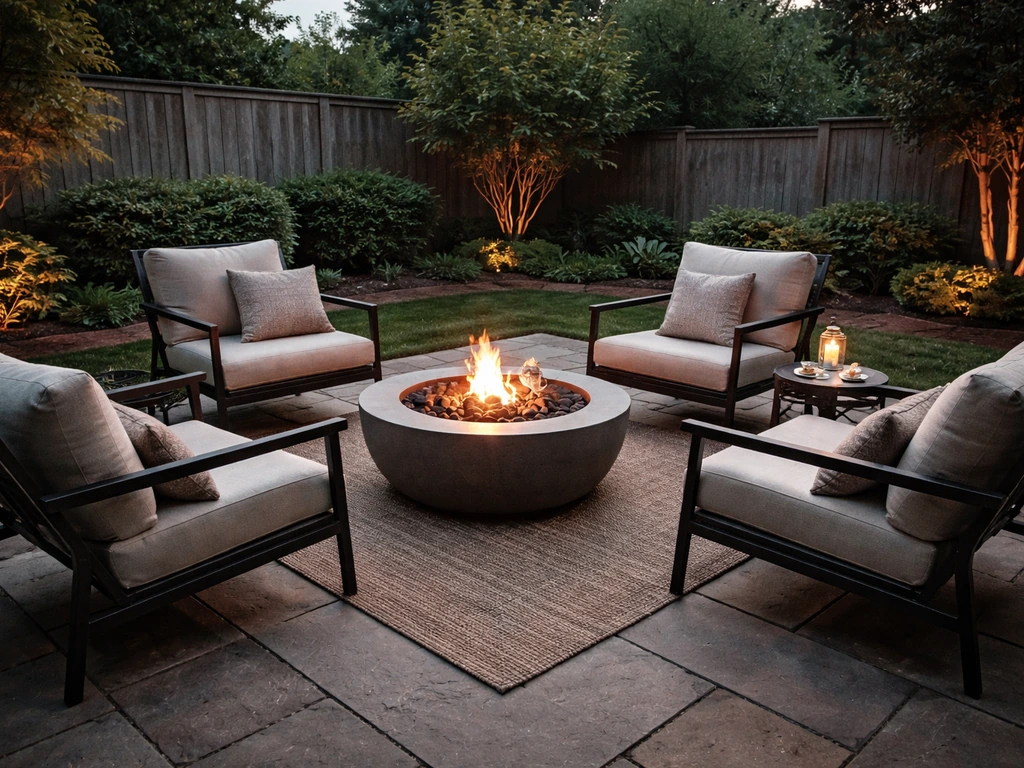
Fire Pit vs Fire Table: Which One Actually Fits Your Patio?
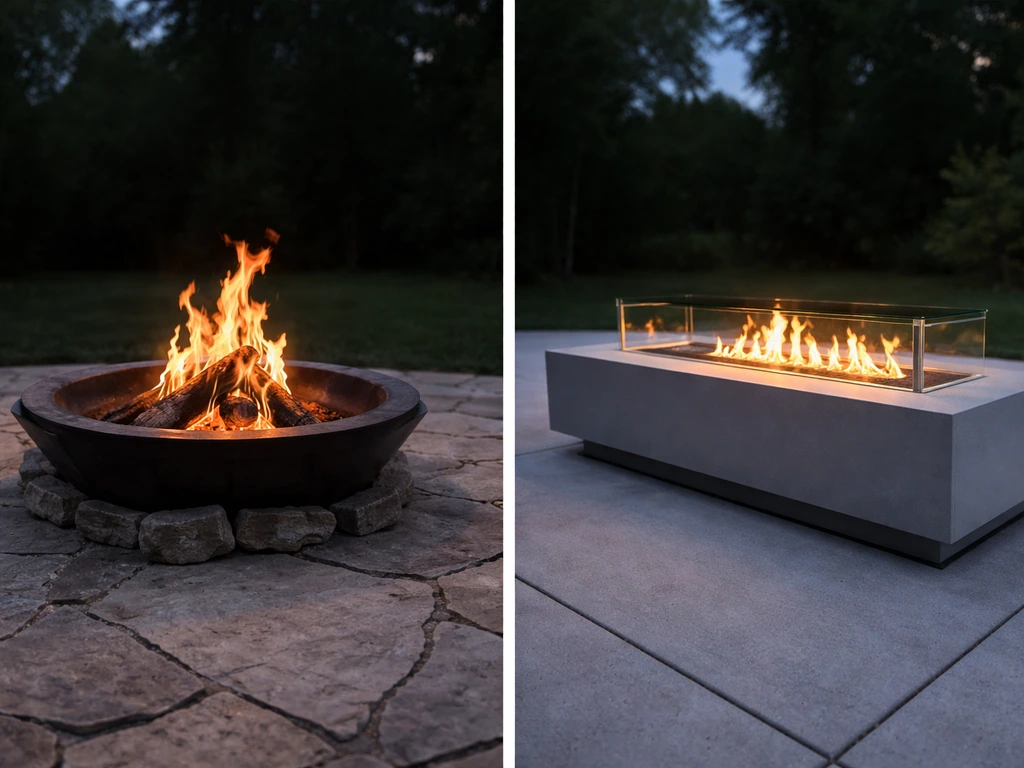
These two formats get lumped together in searches all the time, but they solve different problems. A traditional fire pit sits lower to the ground, usually on legs or a pedestal, and puts the flame at roughly campfire height. A fire table raises the burner up to dining or cocktail table level and incorporates a flat surface around the flame. Which one is best depends almost entirely on how you want to use your patio.
Fire tables work especially well on smaller or more formal patios because they do double duty: guests can set drinks on the surround, the flame is contained in a recessed burner insert, and when the season is over you can drop a cover insert into the burner hole and use it as a regular table. They feel less like camping and more like an outdoor living room. The tradeoff is that the flame sits lower relative to your eyeline when seated, and the BTU output is usually capped lower than a dedicated fire pit burner.
A standalone fire pit bowl or ring gives you a taller, more dramatic flame that is genuinely warming at greater distances, which matters a lot if you are trying to heat an open patio in a colder climate like Colorado or the upper Midwest. It also tends to be less expensive per BTU of output. The downside is that it takes up space without giving anything back functionally, and it can feel visually heavy on a small or furniture-dense patio.
| Feature | Fire Table | Fire Pit Bowl/Ring |
|---|---|---|
| Dual-purpose use | Yes (table surface) | No |
| Flame height | Lower (recessed burner) | Higher (open bowl) |
| Typical BTU range | 40,000 to 65,000 | 50,000 to 150,000+ |
| Best patio size | Small to medium | Medium to large |
| Visual weight on patio | Lower | Higher |
| Price range (gas models) | $400 to $2,500+ | $200 to $3,000+ |
| Off-season usability | Yes (with cover insert) | Limited |
My honest recommendation: if your patio is under 400 square feet or you already have a dining or lounge furniture arrangement you like, go with a fire table. If you have an open patio, a larger yard transition, or you genuinely want that campfire feel with serious warmth radius, a fire pit bowl is a better fit.
Fuel Type Tradeoffs: Wood, Propane, and Natural Gas
This is the single biggest decision that affects your daily experience. Each fuel type has real advantages and real frustrations, and the best one for your patio is not the same as your neighbor's.
Wood Burning
Wood gives you the most authentic experience: real crackling, real smoke smell, and the kind of flame that people actually gather around. Heat output can be very high with the right wood, and there is no fuel cost beyond the wood itself. But wood fires produce sparks, require a screen or spark arrestor (more on that in the safety section), create ash that needs regular disposal, and are banned or restricted in many municipalities during air quality events. You also need to store dry wood and deal with smoke direction changing with the wind. If you live somewhere with frequent wind, a wood fire on a covered patio can become a smoke nightmare quickly.
Propane
Propane is the most flexible option because the fuel source is portable. You connect a standard 20-pound tank, turn a knob, and you have a flame in under ten seconds. For renters or homeowners who move frequently, this matters. The downsides are that a 20-pound tank at 60,000 BTU will run about four to six hours, so you need to keep a spare on hand, and propane costs more per BTU than natural gas over time. Most propane fire tables and fire pits also include a regulator hose that hides the tank inside a cabinet or underneath the unit, which keeps the look clean.
Natural Gas
Natural gas is the premium convenience play. Once the line is run and the connection is made, you never think about fuel again: unlimited burn time at a lower per-BTU cost than propane. The catch is installation. Running a gas line to your patio typically costs $300 to $700 depending on distance and local labor rates, and it must be done by a licensed plumber or gas fitter in most states.
That upfront cost pays off fast if you use the fire pit regularly, but it also means the unit is permanently placed wherever the line terminates. Natural gas also burns at a lower pressure than propane, so make sure any fire pit you buy is sold in a natural gas version or has a conversion kit certified by the manufacturer.
| Fuel Type | Startup | Ash/Cleanup | Portability | Running Cost | Installation Cost |
|---|---|---|---|---|---|
| Wood | 5 to 15 min | High (ash disposal) | High (no hookup) | Low to moderate | None |
| Propane | Under 10 sec | None | High (tank swap) | Moderate | None to minimal |
| Natural Gas | Under 10 sec | None | None (fixed) | Low | $300 to $700+ |
Safety Rules, Building Codes, and Clearances You Need to Know
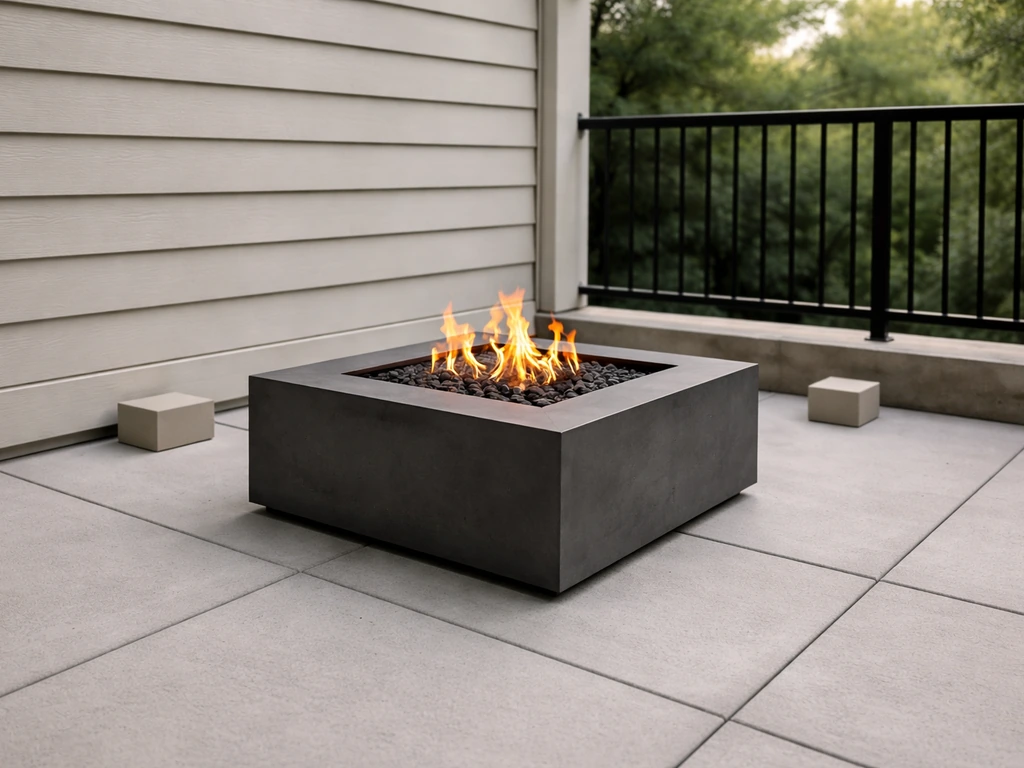
This is the part most guides skip over, and it is the part that gets homeowners into trouble. Codes vary by municipality, but several rules are nearly universal and worth knowing before you pick a spot on your patio.
For gas-burning fire pits, the standard clearance to any combustible structure (a wood-framed wall, fence, pergola, or overhead covering) is 36 inches. That 36-inch figure appears in HPC Fire's installation specs for burners up to 200,000 BTU, as well as in Crossfire Burner's own clearance guidance. If your patio has a pergola with a wood lattice overhead, the fire pit needs to sit far enough out from the posts and overhead structure that nothing is within that 36-inch radius at the sides. Clearance to noncombustible surfaces drops to 12 inches, so a concrete or masonry wall is much more forgiving.
For wood-burning fire pits, many local fire districts follow guidelines similar to Park City Fire District's recreational fire rules: fuels contained in a fire structure no larger than 3 feet in diameter and 2 feet tall, with a noncombustible ring or pit depth requirement. The NFPA reinforces that fire pits should only be used outdoors and should be placed on a noncombustible surface. Both NFPA and Consumer Reports recommend using a spark screen or spark arrestor any time a wood fire is going, and Consumer Reports specifically advises placing the screen on the pit after the fire is built to help keep embers contained.
Before you finalize a placement, check two things with your local municipality: whether open burning is permitted in your zone at all (some HOAs and city codes prohibit wood fires entirely), and whether a gas fire pit installation on your property requires a permit. In most areas propane fire tables require no permit, but a permanently plumbed natural gas unit often does. The inspection is usually simple but skipping it can create problems when you sell the house.
- 36 inches minimum clearance to combustible structures (wood fences, pergola rafters, wood siding)
- 12 inches minimum clearance to noncombustible structures (concrete block, masonry, metal)
- Place on a noncombustible surface: concrete, pavers, brick, tile, or gravel
- Never place directly on wood decking without a fire-rated pad underneath
- Always use a spark screen with wood-burning setups
- Check local ordinances for open burning permits and gas line permit requirements
- HOA rules may be more restrictive than municipal codes
Materials, Weather Durability, and How Long They Actually Last
The material question matters more than most buyers expect, especially if you live somewhere with real weather. A fire pit that looks great in a showroom can corrode, crack, or fade badly within two seasons if it is not built for your climate.
Cast Iron
Cast iron is heavy, retains heat well, and holds up to repeated high-heat cycles better than most materials. The weakness is rust: cast iron left uncovered in humid climates or rainy regions will rust noticeably. You need to season it like cast iron cookware, keep a cover on it, and touch up surface rust when it appears. For dry climates like the Southwest, it is one of the best long-term buys. For the Pacific Northwest or Gulf Coast, it requires more maintenance than most people want to give.
Steel (Powder-Coated or Corten)
Powder-coated steel fire pits are the most common mid-range option. Quality varies enormously by coating thickness and steel gauge. Thin gauge steel with a thin powder coat will bubble and peel within a season or two if exposed to direct flame plus rain. Look for at least 12-gauge steel and a high-temperature powder coat rated for outdoor use. Corten steel is a different story: it develops a stable rust-like patina that actually seals the surface and prevents deeper corrosion. Corten fire pits age beautifully and require almost no maintenance, making them a great choice for modern or industrial patio designs.
Concrete and Stone
Concrete fire tables and stone-clad fire pits are among the most durable options for permanent or semi-permanent installs. GFRC (glass fiber reinforced concrete) is lighter than poured concrete and resists cracking better through freeze-thaw cycles. If you are in Minnesota or Colorado where hard freezes are common, look for GFRC or poured concrete specifically rated for freeze-thaw resistance. Plain concrete can crack over time in climates with repeated deep freezes. Stone veneer over a steel or concrete core looks excellent and lasts well but adds significant weight, which matters if you want to move the unit.
Aluminum and Stainless Steel
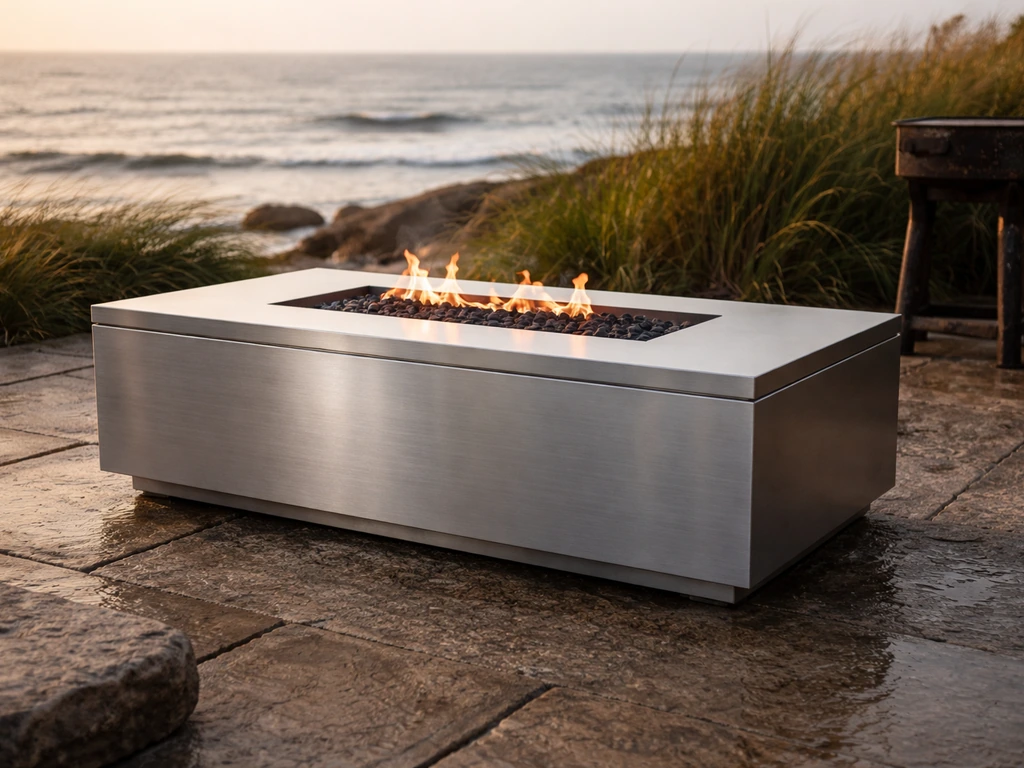
Aluminum fire tables are the best choice for coastal or high-humidity environments because they will not rust. They are lighter than steel and concrete, making repositioning easy. Stainless steel (304 or 316 grade) is similarly corrosion-resistant and handles heat well, but quality stainless fire pits command a higher price. For coastal patios or anywhere salt air is a factor, aluminum or 316-grade stainless should be at the top of your list.
Key Features to Compare Before You Buy
Once you have narrowed down the format and fuel type, these are the five practical features that separate a frustrating purchase from one you will still love three years in. A best patio pizza oven is a different kind of outdoor burner, but the same ideas like heat control, size, and weather durability still matter when you compare models.
Heat Output
BTU rating tells you the maximum heat the burner produces, not the useful warmth you will feel seated around it. For a small patio with guests seated three to four feet from the flame, 40,000 to 55,000 BTU is plenty. For a larger open patio where guests might be five to seven feet away, or if you are in a colder climate, aim for 60,000 BTU and above. When planning the best patio landscaping, coordinate your fire feature with seating, lighting, and planting so the whole outdoor area feels cohesive. Anything over 100,000 BTU is typically a large dedicated fire pit intended for commercial use or very large outdoor spaces.
Size and Footprint
Fire table sizes are usually expressed by the outer dimensions of the table, not the burner size. A 48-inch fire table has a table surface of 48 inches across with a burner insert that might be 12 to 18 inches in the center. Make sure you are measuring the right dimension when checking if a unit fits your space. Fire pits are usually measured by bowl diameter, and a 36-inch bowl is a common standard that works for groups of four to six people.
Ignition and Controls
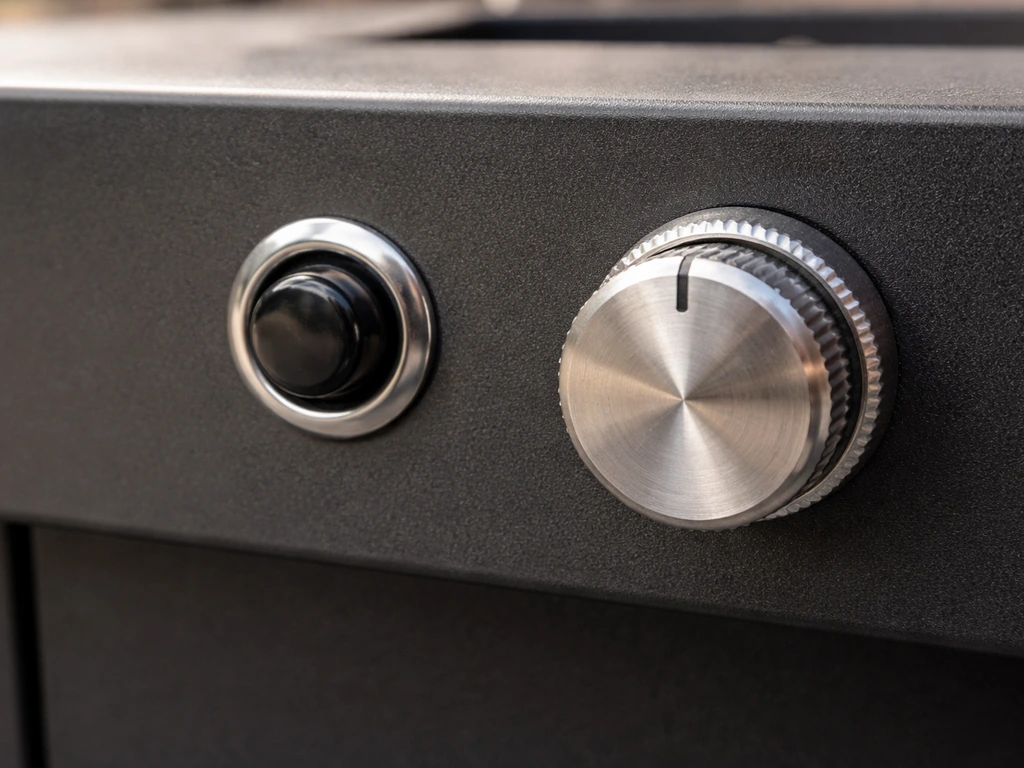
Electronic ignition (push-button or spark ignition) is worth paying for. Match-lit burners work but are mildly annoying on a breezy evening. Higher-end units include a CSA-certified electronic valve and some include a remote control or even a smart home integration. For basic use, a reliable push-button ignition with a variable flame dial is all most people need.
Flame Visibility
This is one of the most underrated factors. Some fire tables have a deep burner insert that makes the flame look like it is sitting at the bottom of a well. Look for units where the burner sits close to the top of the surrounding lip, or pair the burner with lava rock or fire glass to raise the visual fill level and get a more dramatic flame display. Fire pit bowls generally have better flame visibility because the bowl is open and the flame is fully exposed.
Wind Guards
If your patio is exposed to regular wind, a tempered glass wind guard panel set around the burner is not a luxury, it is a necessity. Wind will blow out a gas flame at lower wind speeds than most people expect, and it makes a wood fire smoky and unpredictable. Many fire tables include wind guard slots in the design. If yours does not, aftermarket glass panel kits are widely available and clip or slide into the table surround.
Maintenance and Day-to-Day Upkeep
The honest truth is that the fuel type determines about 90 percent of your ongoing maintenance burden. Here is what each actually requires on a regular basis.
Wood-Burning Fire Pits
After every use, ash accumulates in the bowl. Once the ash is fully cooled (give it at least 24 hours), it needs to be scooped out and disposed of properly. You cannot put hot or even warm ash in a plastic bag or trash can. Metal ash buckets with lids are the standard tool. The grate or fire ring should be wire-brushed periodically, and cast iron bowls should be lightly oiled before storage or when rust spots appear. Keep a cover on the bowl when not in use to prevent rain from turning ash into a messy paste that accelerates corrosion.
Propane Fire Pits and Tables
Maintenance is minimal. Wipe the burner pan and media (lava rock or fire glass) clean when debris accumulates. Inspect the regulator hose seasonally for cracks or brittleness, especially if the unit stays outside year-round. Swap the 20-pound propane tank when it runs out (a fish scale is the easiest way to weigh it and know when you are getting low). Put the cover on between uses to keep bugs, debris, and water out of the burner housing.
Natural Gas Fire Pits and Tables
Natural gas units are the lowest-maintenance option. The main annual task is inspecting the burner ports for spider webs or debris blockage (spiders love small dark gas orifices), cleaning the lava rock or fire glass if it gets dusty or discolored, and checking the ignition electrode for carbon buildup. Have a licensed technician inspect the flex line and shut-off valve every two to three years, especially in climates with temperature extremes.
How to Measure Your Patio and Build Your Shortlist
The most common buying mistake is skipping the measuring step and eyeballing it. Here is the practical process I walk through before recommending anything to someone designing a patio setup.
- Measure your usable patio area in feet. Note any permanent obstacles (posts, outdoor kitchen, doors, stairs).
- Mark a center point where the fire pit or table would sit, then measure outward 36 inches in every direction toward combustible structures (fence, pergola, wood siding). That 36-inch circle must be clear.
- Decide on seating distance. Guests typically sit 3 to 5 feet from the flame edge for comfortable warmth. Add that radius around the fire unit to understand how much patio the full seating arrangement will consume.
- Calculate the remaining clearance to walls, railings, and furniture. If you end up with less than 18 inches of walkway around the seating group, the unit is too large for the space.
- Shortlist units by footprint first, then filter by fuel type and BTU based on your usage and access to gas lines.
- Check that your shortlisted units include a tabletop cover insert (for fire tables), a wind guard option, and a manufacturer-rated weatherproof cover for off-season storage.
Accessories Worth Adding to Your Setup
Once you have the main unit picked out, a few accessories make a real difference. A fitted weatherproof cover is non-negotiable for any climate. Tempered glass wind guards are worth it on any open or partially exposed patio. Fire glass or lava rock in the burner pan improves flame aesthetics significantly over a bare burner. If you are running propane, a second tank and a quick-connect hose fitting eliminates the scramble when the first tank empties mid-evening. For wood-burning setups, a spark screen sized to the bowl diameter and a metal ash bucket with a lid are both basics you should order at the same time as the fire pit.
If you are designing the broader patio space at the same time, it is worth thinking through how the fire feature works alongside other elements. A patio garden layout or a pool patio design will each affect where a fire pit can safely go and how seating flows. If you are planning the best patio garden, think about how the fire feature will work with your planting plan, spacing, and walkway flow. If you are choosing the best patio around pool, plan the fire pit so it supports safe circulation and stays centered for viewing from the seating area. Getting the fire pit placement right early in the design process saves a lot of rework later.
Your Fire Pit Shortlist Checklist
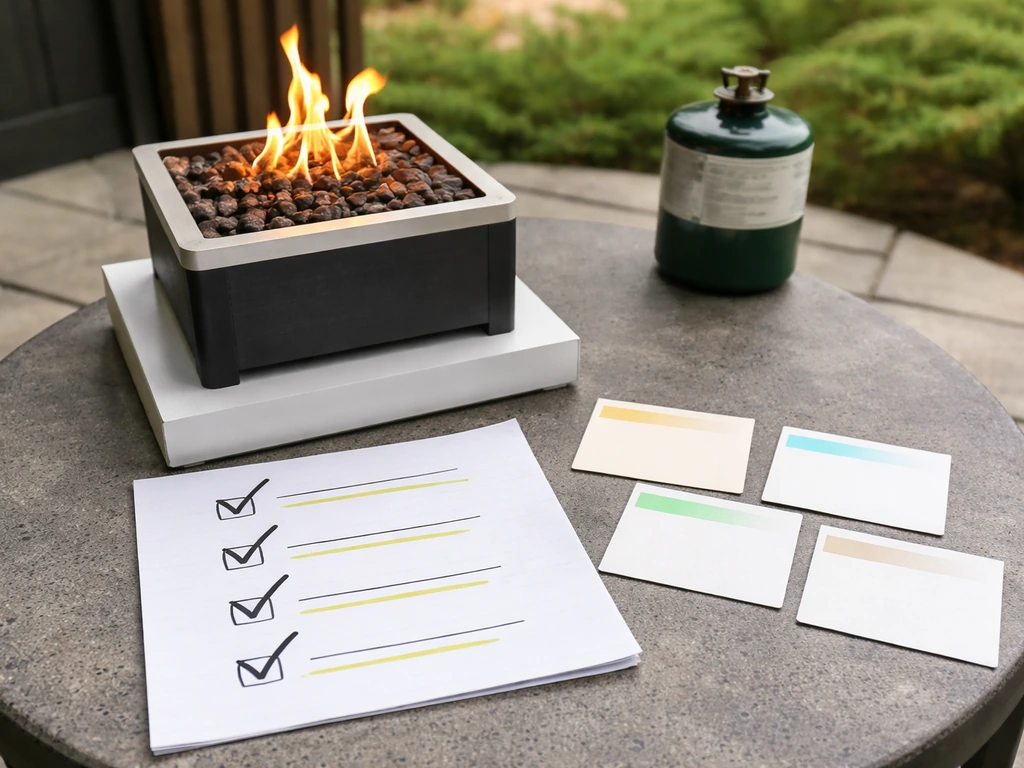
- Format confirmed: fire table (small/medium patio, dual-use priority) or fire pit bowl (larger patio, warmth and flame drama priority)
- Fuel type confirmed: propane (portable, no install), natural gas (permanent line, low ongoing cost), or wood (authentic, higher maintenance)
- Measured 36-inch clearance to all combustible structures from intended placement spot
- Confirmed placement is on a noncombustible surface (concrete, pavers, stone)
- Checked local codes and HOA rules for open burning and gas line permits
- BTU range selected based on patio size and climate (40,000 to 55,000 BTU for small/medium, 60,000+ for larger or colder settings)
- Material chosen for climate (aluminum or stainless for coastal/humid, corten or GFRC for freeze-thaw climates, cast iron for dry climates)
- Electronic ignition included or specified
- Wind guard option confirmed available for the chosen unit
- Weatherproof cover, fire media (glass or lava rock), and spark screen (wood units) added to order
FAQ
Can I use a regular outdoor grill cover on the fire pit patio setup?
Yes, but you should match the cover to the exact model and fuel type. A proper weatherproof cover should fully seal the burner housing opening (fire tables) or bowl rim (fire pits). Avoid generic covers that leave gaps, because they let water turn ash into a corrosive paste and they also trap moisture around ignition components.
How do I estimate propane tank runtime for a best fire pit patio setup?
For propane, plan for the runtime based on your table’s burner use, not just the 20-pound tank size. Many users overestimate how long they will run at higher flame settings. A practical approach is to keep a second tank sized for your typical evening use, and use the tank weight method regularly so you do not get surprised mid-gathering.
What is the safest layout for a fire table or fire pit on a patio?
If you have kids, pets, or a lot of foot traffic, prioritize raised flame containment and a physical barrier. Fire tables generally reduce accidental contact because the burner is recessed into the tabletop surround, but you still need tempered glass wind guards if the area is exposed. For any setup, consider an optional safety screen or a dedicated seating arrangement that keeps people and legs away from the burner perimeter.
Can I place a fire pit on a covered patio deck or over pavers?
Yes, but do not assume “outdoor rated” materials can handle fire heat. Verify that the surface is truly noncombustible, heat-rated, and level, especially for wood-burning pits where sparks and embers can land. If your patio is over pavers, decks, or any wood framing, you may need a dedicated noncombustible base slab before installation.
Is it okay to build a built-in enclosure around my gas fire pit patio setup?
You can, but you should plan a clear maintenance access path. Make sure the shut-off valve and regulator hose (propane) or flex line connection (natural gas) remain reachable for seasonal inspection. Also confirm that the placement still meets the clearance rules to structures, because “hidden” installations often violate side clearance once furniture or pergola elements are considered.
What happens if it’s windy on my patio, will a fire pit still be practical?
Gas and wood both can, but the risk profile differs. Gas flames can be blown out by wind and then relight unpredictably when gusts ease, while wood produces embers and sparks that may travel farther than you expect. If you experience frequent gusts, stick with a properly installed wind guard system for gas, or limit wood burning to times of low wind where local rules allow it.
Can I convert a propane fire table to natural gas later?
You should. For natural gas, the biggest mistake is buying the wrong version or skipping manufacturer-certified conversion. Check that the unit is sold for natural gas or includes a conversion kit that is certified for your exact model, then have the conversion performed according to the manufacturer instructions. Otherwise, you can end up with improper flame pattern and unsafe combustion.
My gas fire pit won’t ignite reliably, what should I check first?
If you see carbon buildup or ignition problems, do not keep trying immediately, especially after a failed start. For gas units, inspect the ignition electrode for buildup and ensure the burner ports are clear of dust or spider activity before relighting. For wood-burning units, use a spark screen correctly and stop if you notice unusual smoke or smoldering that does not respond to airflow.
Why does my flame look weak or uneven on a best fire pit patio setup?
The most common cause is airflow and flame height issues from wind or dirty media. If the flame looks low or uneven, clean the fire glass or lava rock, check for debris at the burner ports, and inspect the wind guard installation on exposed patios. Avoid changing multiple variables at once, fix one factor at a time so you can identify what actually corrected the performance.
What long-term winter or off-season storage steps should I take?
It depends on your fuel choice and climate, but you should plan a cover plus a seasonal inspection routine. Propane tanks should be stored and connected safely per the unit design, and natural gas lines should get a periodic check by a qualified technician (especially in temperature extremes). For metal materials, confirm your cover prevents trapped moisture, since rust and accelerated corrosion often come from water trapped under a loose cover.