
The best patio around a pool combines a slip-resistant, heat-tolerant surface (concrete pavers, porcelain pavers, or brushed concrete are the top picks for most homeowners), a deck sloped 1/8 to 1/4 inch per foot away from the water for drainage, at least 4 to 6 feet of clear walkway on every side, and enough shade or cooling infrastructure to make the space usable on a hot afternoon. The material you choose matters most, and it depends heavily on your climate, budget, and how much maintenance you're willing to do each season. If you want to grill pizzas outdoors, choosing the best patio pizza oven also comes down to how much upkeep you are comfortable with and where you live maintenance you're willing to do each season.
Best Patio Around Pool: Layout, Materials, and Cost Guide

Elise Prescott
30 Jun 2026
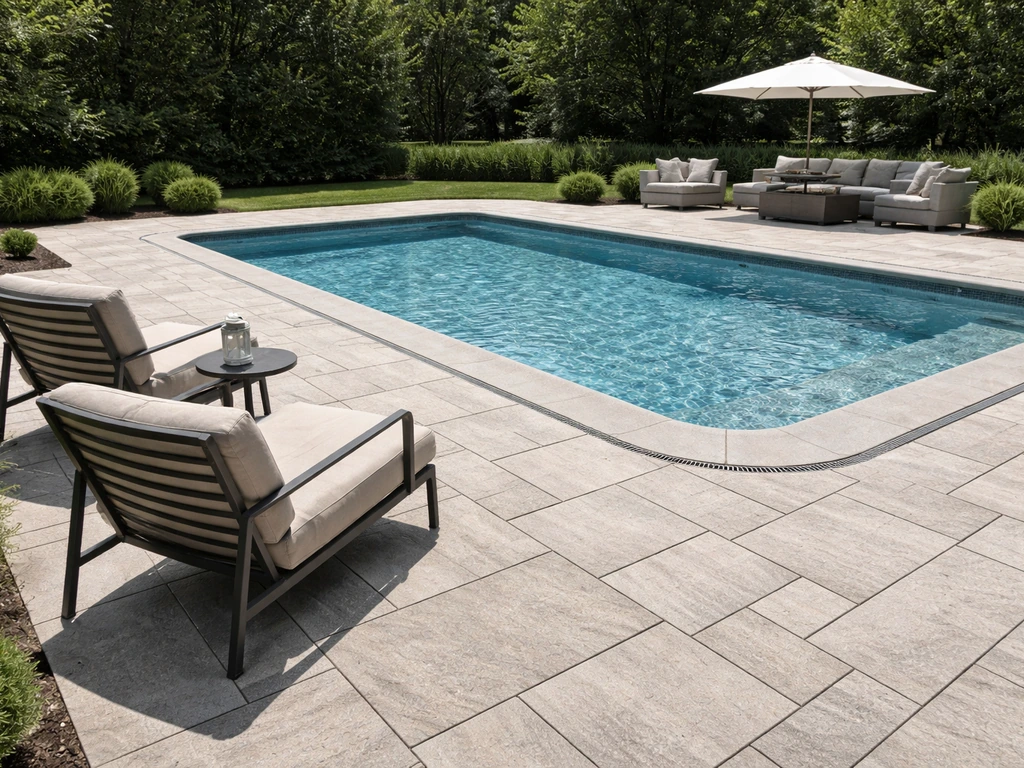
How to Choose the Best Pool Patio Layout
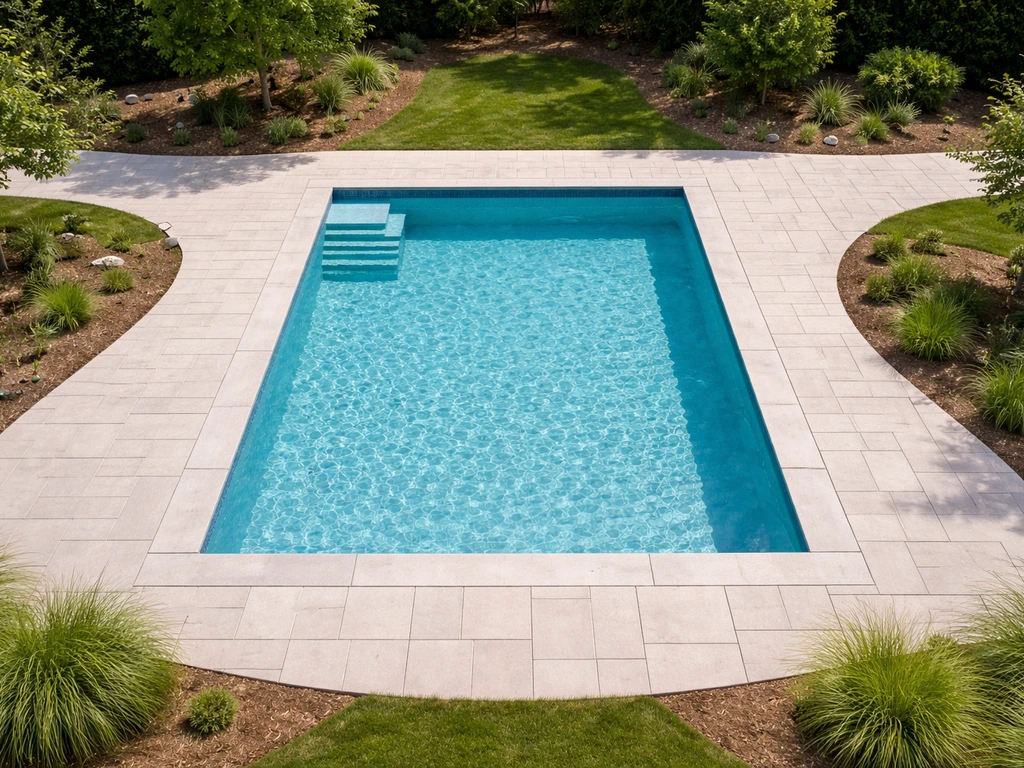
Before you pick a single paver or pour a drop of concrete, figure out how the space will actually be used. A pool patio that's mostly a walkway needs different planning than one that doubles as a dining and lounging area. Start by sketching where people enter and exit the pool most, where the sun hits hardest during peak swim hours, and where the natural gathering spots are. Those three things drive almost every layout decision.
For clearance, give yourself a minimum of 4 feet of walkable deck on the sides of the pool and 6 to 8 feet at the shallow end where most people get in and out. North Carolina's pool code, for example, requires at least five feet of clear walking space around features like diving boards and slides, and that's a reasonable baseline to apply everywhere even if your local code is less specific. Tight walkways create trip hazards and make the whole area feel cramped once you add chairs.
Think in zones: a wet zone immediately around the pool edge, a transition zone a few feet out, and a dry zone for furniture, dining, or a fire pit. Using a contrasting edge material between the wet zone and the rest of the deck is a smart design move, it visually signals the surface change and can mark the boundary where water dripping off swimmers tends to stop. Keep your furniture zone out of the main walkway path so guests aren't weaving around loungers to get to the ladder.
Also plan for equipment access. Leave a clear path to your pump, filter, and any automation controls. Burying that access behind a seating wall or built-in planter feels elegant until you need to pull the pump for winter and have to move everything.
Best Patio Materials Around a Pool
Pool decks live a hard life: constant wet-dry cycles, chemical splashout, foot traffic from bare feet, intense UV exposure, and in colder climates, freeze-thaw stress every single winter. Not every material handles all of that equally well. Here's how the main options stack up.
Brushed or Broom-Finished Concrete
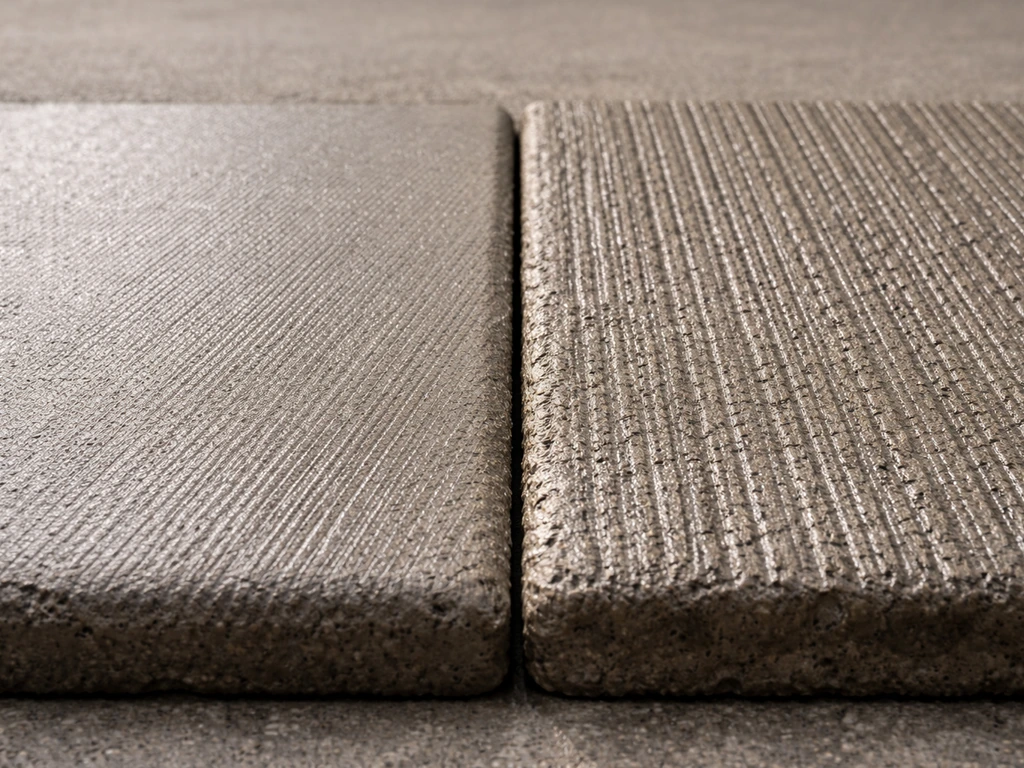
This is the most common pool deck surface for good reason: it's affordable, durable, and when properly finished, genuinely slip-resistant. A broom finish adds texture that grips wet feet well. The catch is that heavily used exit zones can smooth out over time as the broom texture wears, so the finish specification matters. Larry’s Pool also warns that broom-finished concrete can become slick in heavily used exit zones over time if the finish and specification are not appropriate. Stamped concrete looks great but can be slicker than broom-finished, and if you go that route, ask your contractor to add an anti-slip additive to the sealer. Concrete also absorbs heat, so in desert climates it can get uncomfortably hot to walk on barefoot mid-afternoon. An acrylic coating or cool-deck-style overlay helps significantly with that.
Concrete Pavers
Concrete pavers give you a lot of design flexibility and are easier to repair than poured concrete because you can pull and replace individual units instead of patching or resurfacing a slab. They install with joints filled with sand or polymeric sand, which actually helps drainage. The downside is that those joints can harbor algae and moss, especially in humid climates, so maintenance matters. Look for pavers with a textured or tumbled surface specifically rated for wet-area use.
Porcelain Pavers
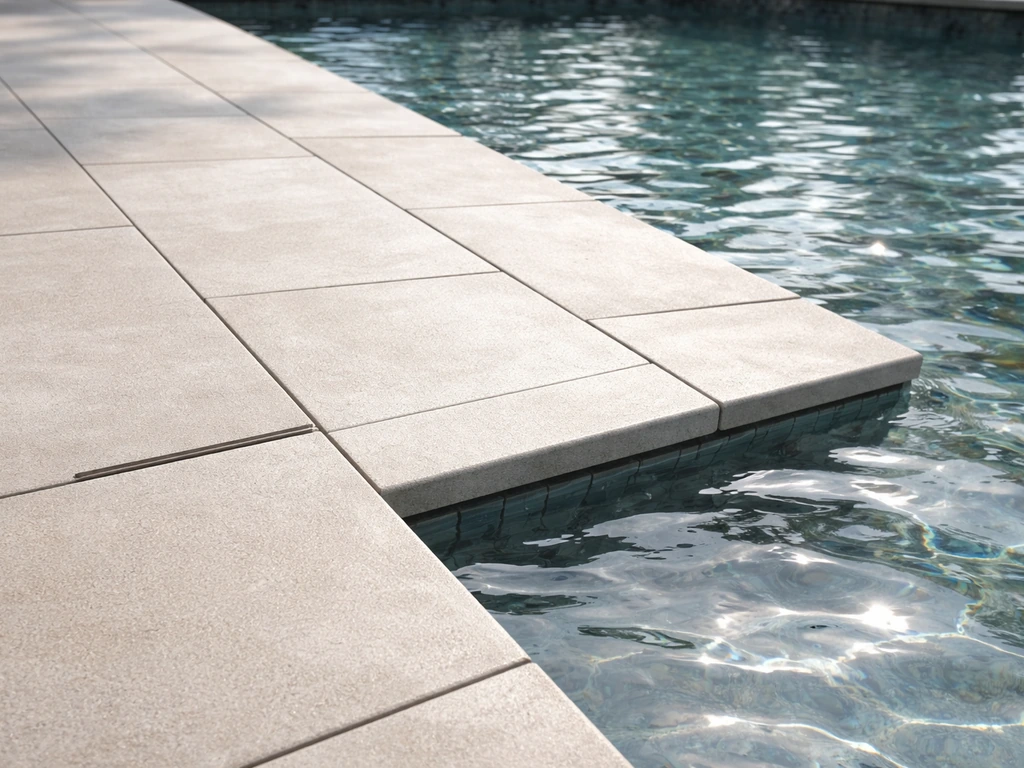
Porcelain pavers have become the premium choice for pool decks over the last several years, and honestly, the performance claims hold up. They absorb almost no water (less than 0.05% by some manufacturer specifications), which makes them highly freeze-thaw resistant and resistant to staining from pool chemicals. They don't support algae or mold growth the way more porous surfaces can. The best pool-grade porcelain products are rated for exterior wet use under ANSI A326.3 slip-resistance standards, targeting a DCOF (dynamic coefficient of friction) above the commonly cited 0.42 wet threshold. The trade-off is cost: porcelain pavers run $12 to $45 per square foot installed, sometimes more in high-labor markets. They're also harder to cut on-site than concrete pavers, so installation skill matters.
Natural Stone (Travertine, Limestone, Bluestone)
Travertine is a perennial favorite for pool decks because it stays cooler underfoot than concrete in direct sun and looks beautiful. It's also naturally slip-resistant when tumbled or brushed. The downside is that it's porous, requires sealing, and can be damaged by pool chemicals over time if not properly maintained. In freeze-thaw climates, unsealed or poorly sealed travertine can crack. Travertine in a market like Los Angeles runs $25 to $40 per square foot installed. Bluestone and limestone behave similarly and have the same maintenance requirements.
Composite Decking
Composite boards are often used for above-ground pool decks or raised pool surrounds. They resist rot, splinters, and most don't need sealing. The concern around pools is heat: dark-colored composite can get very hot in direct sun, and some boards can be slippery when wet depending on the surface profile. Look specifically for a deck board rated for wet or marine applications with a textured surface, and check the manufacturer's maximum surface temperature specs if you're in Arizona, Texas, or similar climates.
| Material | Slip Resistance | Heat Tolerance (Barefoot) | Durability / Freeze-Thaw | Maintenance | Installed Cost (Approx.) |
|---|---|---|---|---|---|
| Broom-Finish Concrete | Good (can wear over time) | Moderate (gets hot) | Good with control joints | Low to moderate | $6–$18/sq ft |
| Concrete Pavers | Good (textured) | Moderate | Good | Moderate (joints) | $12–$30/sq ft |
| Porcelain Pavers | Excellent (rated) | Good (stays cooler) | Excellent (<0.05% absorption) | Low | $12–$45/sq ft |
| Travertine / Natural Stone | Good (tumbled/brushed) | Excellent (stays cool) | Fair to Good (needs sealing) | Moderate to High | $25–$40/sq ft |
| Composite Decking | Good (textured) | Poor (can get very hot) | Good | Low | $15–$35/sq ft |
Ideal Patio Size, Shape, and Drainage Design
A practical rule of thumb is to budget for a deck area that's roughly 2 to 3 times the surface area of the pool itself. For a standard 12x24-foot pool (288 sq ft of water surface), that puts you at roughly 576 to 864 square feet of deck, which aligns well with the 600 sq ft planning example commonly used in professional pool deck budgeting. That gives you enough room for loungers, a dining set, and clear walkways without feeling like you're navigating an obstacle course. When you combine the right layout with suitable materials and drainage, you get closer to the best patio garden style for outdoor living.
Shape follows function here. A rectangular pool with a rectangular deck is the simplest to build and drain. Curved or freeform pools look stunning but add complexity to material cutting, drainage planning, and cost. If you're working with an irregular yard, consider using the pool shape as the anchor and letting the deck transition into the landscape more organically on the far edges. To get truly best patio landscaping results, plan how the deck edges blend into planting beds and walk paths so the whole outdoor space feels intentional.
Drainage is non-negotiable. The deck must slope away from the pool, not toward it, at 1/8 to 1/4 inch per foot. That might not sound like much, but over a 10-foot span that's 1.25 to 2.5 inches of pitch, which is enough to move water reliably toward drains or landscape edges. Directing water back into the pool introduces chemical imbalance and debris; directing it toward your foundation creates a whole different set of problems. Trench drains along the pool edge, French drains at the perimeter, or permeable paver systems (with a proper underdrain) are all valid solutions, and the best choice depends on your lot's grade and local stormwater requirements. Many jurisdictions require a drainage plan as part of pool/deck permitting, so don't skip this step.
Control joints in concrete decks are also part of drainage and structural planning, not just aesthetics. They guide where the slab cracks (and it will crack eventually), and when placed correctly they prevent random cracking that creates trip hazards and collects water. Your contractor should plan these before pouring, not add them as an afterthought.
Comfort and Climate-Control Add-Ons
A beautiful pool patio that's unbearable from noon to 4 PM in July doesn't get used. This is the part of pool patio planning that most homeowners underestimate, and it's also where you get the most bang for your budget in terms of actual hours of enjoyment.
Shade Structures
A pergola, shade sail, or solid patio cover over the dining or lounging zone makes an enormous difference. You don't need to cover the entire deck, just the furniture areas where people sit for extended time. In hot, sunny climates (Phoenix, Las Vegas, South Texas), a solid insulated patio cover will dramatically lower the surface temperature under it and reduce glare. In milder climates, a pergola with a retractable shade cloth or wisteria coverage might be all you need. Position shade structures on the west or southwest side of the deck to block afternoon sun, which is when pool patios get the most brutal.
Misting Systems
High-pressure misting systems can drop the perceived temperature around a pool patio by 10 to 20 degrees Fahrenheit on a dry day. They work best in low-humidity climates (desert Southwest, inland California) and are less effective in humid regions where the air is already saturated. Residential kits attach to standard hose-thread connections for low-pressure systems, though high-pressure pump-driven systems give you finer droplets that evaporate before getting you wet. Mount nozzles at around 8 to 10 feet high for best coverage, spacing them according to your system's guidelines, usually every 2 to 3 feet along a pergola beam or shade structure. Make sure your outdoor electrical outlet is properly rated for outdoor use before adding any pump-driven system.
Outdoor Ceiling Fans
If you have a covered area over any part of the pool deck, a wet-rated outdoor ceiling fan is one of the most cost-effective comfort upgrades you can make. The key word is wet-rated: look for UL wet-location rating specifically, not just damp-rated, since pool environments involve direct splash and humidity. Wet-rated fans have sealed motors and blades designed to handle that exposure. A 52- to 60-inch fan is appropriate for most covered patio areas up to about 400 square feet.
Lighting and Evening Usability
Pool patios are often used well into the evening, especially in summer. Low-voltage LED landscape lighting along the deck edge, step lights at any elevation changes, and string lights or pendant lighting over the dining area all extend usable hours and improve safety. Plan conduit runs during the hardscape installation phase, not after, so you're not chasing wires across finished concrete later.
Safety, Slip Resistance, and Code Basics
Slip resistance is the single most important performance spec for any pool deck material, and it's worth understanding how it's measured. The ANSI A326.3 standard uses dynamic coefficient of friction (DCOF) testing in wet conditions. A commonly cited minimum threshold for level surfaces walked on when wet is 0.42 DCOF. For pool decks, you want to exceed that threshold, not just meet it, especially at exit points where wet feet are concentrated. Ask your material supplier for the DCOF test results for the specific product you're buying, not just a vague claim of "slip resistant."
ADA accessibility standards add another layer: accessible routes must be stable, firm, and slip-resistant. If your pool area is designed to be accessible (and it should be, especially for aging-in-place planning), the surface must meet those criteria along the entire path from entry to the pool edge. This affects both material choice and how joints or gaps between pavers are managed.
On the structural and code side, pool deck projects almost always require permits. Requirements vary by city and county, but most jurisdictions want to see the deck type and material specifications, footer or footing dimensions, and a drainage plan. Some require engineer-stamped drawings, particularly for elevated or cantilevered decks where water weight and loading are structural concerns. The NYC Department of Buildings is explicit about this: pool-related loading and water weight must be structurally engineered by qualified professionals. Even if you're not in New York, that principle applies anywhere. Pull your permit, and if your contractor discourages you from doing so, that's a red flag.
Clearance requirements are another permitting checkpoint. Most codes set minimum distances from pool structures to property lines, fences, and utility easements. A county checklist will typically ask for dimensions from the pool and deck to all property lines. Get this information before you finalize your layout, not after, because moving a planned deck even a few feet can significantly affect the design.
What It Costs and How to Hire (or DIY)
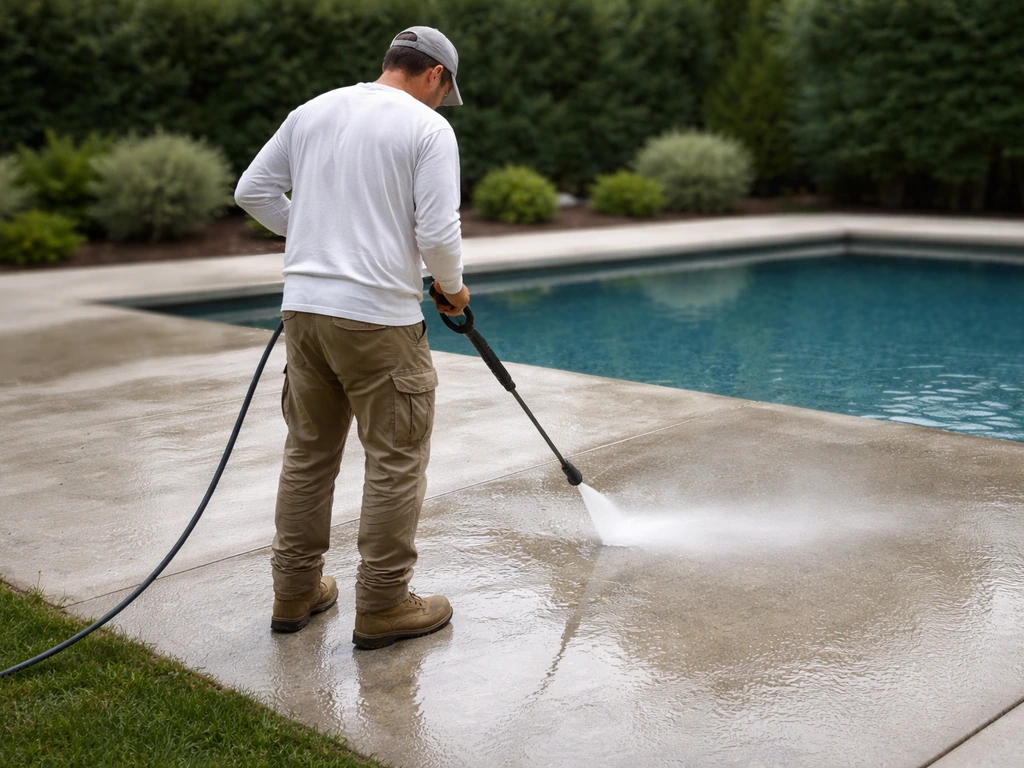
Pool deck costs vary widely based on material, region, and site prep complexity. Here's a realistic 2026 breakdown for a 600 square foot deck, which is a commonly used planning example for a 12x24 pool. blank" rel="noopener noreferrer">Concrete Network’s pool deck cost guidance includes example per-square-foot ranges, including concrete at about $6, $11 per square foot and that removal or disposal can add roughly $2, $6 per square foot.
| Surface Type | Installed Cost Range (600 sq ft) | Notes |
|---|---|---|
| Broom-finish concrete | $3,600–$10,800 | $6–$18/sq ft; lower end is basic, higher end in labor-heavy markets like LA |
| Concrete pavers | $7,200–$18,000 | $12–$30/sq ft; includes base prep and polymeric sand |
| Porcelain pavers | $7,200–$27,000+ | $12–$45/sq ft; premium for high-spec products |
| Travertine / natural stone | $15,000–$24,000+ | $25–$40/sq ft installed; higher with complex cuts |
| Existing deck removal (add-on) | $1,200–$3,600 | $2–$6/sq ft if replacing old concrete |
DIY is realistic for some parts of a pool deck project and unrealistic for others. Laying concrete pavers on an existing well-graded base is within reach for a capable DIYer with the right tools and a weekend or two. Pouring and finishing concrete is not a reasonable DIY project for most homeowners: timing, mix consistency, finishing technique, and control joint placement all require real skill. Getting it wrong shows immediately and permanently. Porcelain pavers require precise cutting equipment and careful bedding; most professionals recommend hiring a certified installer for those.
When you're interviewing contractors, ask these specific questions: What slope are you building into the deck for drainage, and where does the water go? What slip-resistance rating does this surface achieve when wet? Do you pull permits, and can I see the drainage plan? How do you handle control joints in concrete? What's your experience with pool deck installations specifically? For paver contractors, look for installers with ICPI (Interlocking Concrete Pavement Institute) certification as a quality signal, though it's not universal.
Before you call anyone, do this groundwork: measure your pool dimensions and the available deck area accurately, photograph any existing drainage issues or low spots, note which direction your yard slopes naturally, and identify where power and water sources are located for future comfort add-ons. That information will speed up every conversation you have with a contractor and help you compare bids fairly. A contractor who won't discuss slope, drainage, and permitting upfront is one to skip.
If you're building out the full outdoor living space around the pool, consider how the patio connects to other elements like a fire pit area, outdoor kitchen, or garden beds. Those zones affect traffic flow, material transitions, and where you'll want hardscape versus softscape. Getting the pool patio right is the foundation that everything else anchors to, so it's worth investing the planning time before breaking ground.
FAQ
What if my yard naturally slopes toward the pool instead of away from it?
If your yard slopes toward the house or toward the pool, you still need a deck that slopes away from the water, but you may also need perimeter drains or a designed underdrain to prevent water from backing up. Before choosing a material, confirm where runoff will go on your site, then match the deck drainage method (French drain, trench drain, or permeable paver system) to that direction.
Can I put artificial turf on the patio around a pool?
Yes, but only if the product is explicitly rated for exterior wet pool use and has an appropriate slip rating when wet. Avoid generic “outdoor” turf, because pool splashes and UV can wear it unevenly and create slick patches. Also plan for edge restraint so the turf stays level and water still sheds toward drains.
Why does water keep pooling on part of my pool deck, and how do I fix it?
Expect puddling most often where the patio meets a pool coping, a raised wall, or a step-down. The fix is usually changing elevations at those transitions, adding a drain there, or correcting a low spot in the base. If you notice consistent damp areas after rain, get the contractor to check the slope and base compaction before you commit to sealing or finishing.
Will paver joints turn into a slippery algae problem in humid climates?
For pavers with sand joints, algae growth is commonly driven by shade and moisture, not just the paver type. Choose a textured or tumbled top rated for wet areas, keep surface runoff moving (correct slope), and consider periodic joint cleaning or re-sanding. In heavy shade, plan for more maintenance frequency than you would in full sun.
How do I verify slip resistance when buying a pool deck material?
“Slip resistant” should be backed by test data for wet conditions, not just a marketing term. Ask for the specific DCOF number and whether it’s measured on the finished surface (including any sealer or overlay). Pay extra attention to stair treads and the 3 to 5 feet at the pool exit points where wet feet concentrate.
Are concrete pavers always easier and cheaper to maintain than poured concrete?
Concrete pavers can be easier to repair, but the long-term performance still depends on base preparation and correct joint fill. If the base settles, you will feel and see movement in a few seasons. The practical takeaway is to require a written base specification (thickness, compaction method, and drainage layer) before work starts.
Is porcelain paver porcelain really freeze-thaw proof in cold climates?
Porcelain is durable, but freezing conditions can still cause issues if the sub-base and drainage are wrong. Porcelain’s low absorption helps, yet water trapped under the system is what creates pressure during freeze-thaw. Ask the installer about the underlayment, underdrain (if used), and how they prevent standing water beneath the deck.
Which provides more comfort on hot days, a pergola, shade sail, or solid insulated cover?
It depends on where the cover is located and whether it blocks afternoon sun for the seating zone. A pergola or shade sail usually helps comfort, but it might not reduce surface heat as much as a solid insulated cover. If you want the biggest temperature drop, prioritize covering the lounging and dining area, then consider high-output misting only if your humidity is low enough to support evaporation.
How do I place and size a misting system so it cools without creating wet/slippery patio spots?
Higher mounting gives better distribution and fewer wet spots on furniture. For many systems, nozzles around 8 to 10 feet high are a solid starting point, but you still need spacing and pressure settings per the manufacturer kit. Also ensure overspray will drain away from walkways and electrical components, otherwise you can trade heat comfort for slippery surfaces.
What should I plan for now if I want to add an outdoor kitchen or fire pit later?
If you plan to add a fire pit, outdoor kitchen, or planters later, leaving “future access paths” matters now. Conduit and plumbing should be roughed in during hardscape installation, and any equipment pads need stable base support sized for the load and service access. A common mistake is finishing the whole surface and then routing wires or lines across joints where they can be damaged.
Where does DIY become a bad idea for the best patio around pool?
Many DIYers can lay pavers, but the hardest parts are edge restraint, base slope, and leveling, and those issues show up as trip hazards or drainage failures. DIY becomes especially risky when you have curves, multiple elevation changes, or you must tie into existing pool coping and bond beams. If you want a single decision rule, hire a pro for any work that requires cutting porcelain or reworking drainage or structural sections.
Can I install a ceiling fan under a pool patio cover, and what should I watch for?
Yes, but confirm two things: compatibility with wet environments and how the cover interacts with the drainage. A fan should be wet-rated (not just damp-rated), and if the ceiling is tight to the pool area, ensure airflow does not push moisture toward electrical connections or into areas you want to keep dry. If you have ceiling lights, plan wiring routes during the deck build so you avoid drilling into finished surfaces.