
The best patio mat for most homeowners is a rubber-backed, open-weave or drainage-style mat made from polypropylene or recycled rubber, sized to cover the high-traffic zone without hanging over edges or creating a trip hazard. It needs to drain water fast, resist UV fading, and stay grippy on wet concrete or composite decking. Which specific mat wins for your space depends on where you're placing it, what weather it faces, and how much cleaning you're willing to do.
Best Patio Mat: How to Choose, Place, and Maintain One

Elise Prescott
29 Apr 2026
What a patio mat is actually doing out there
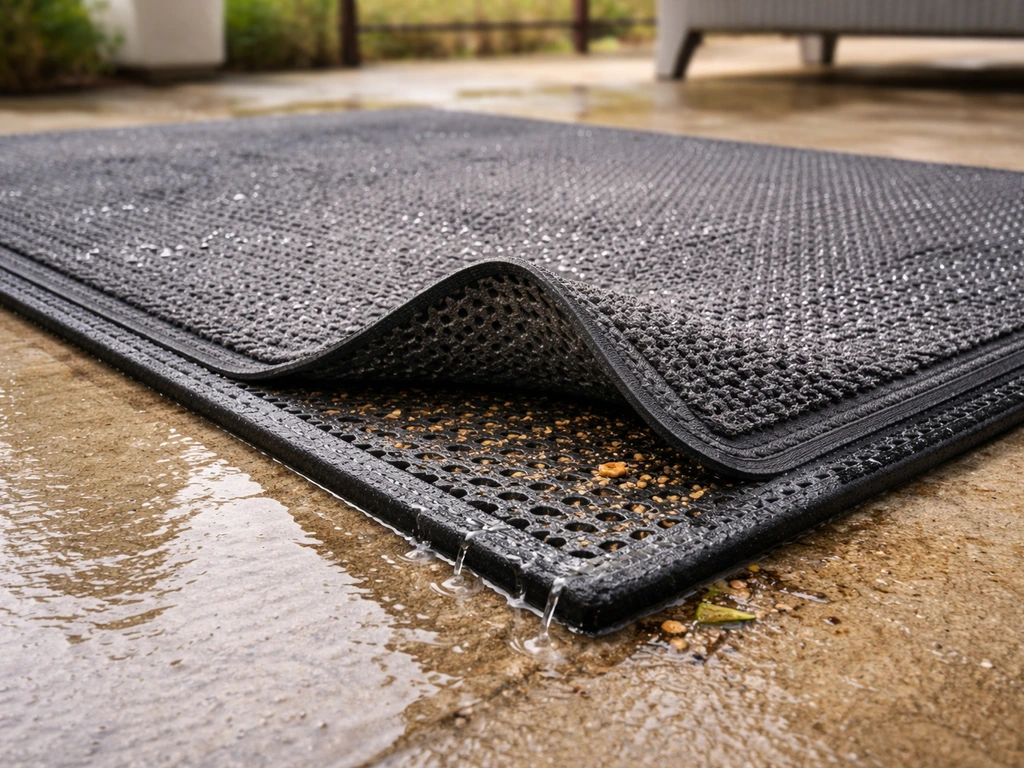
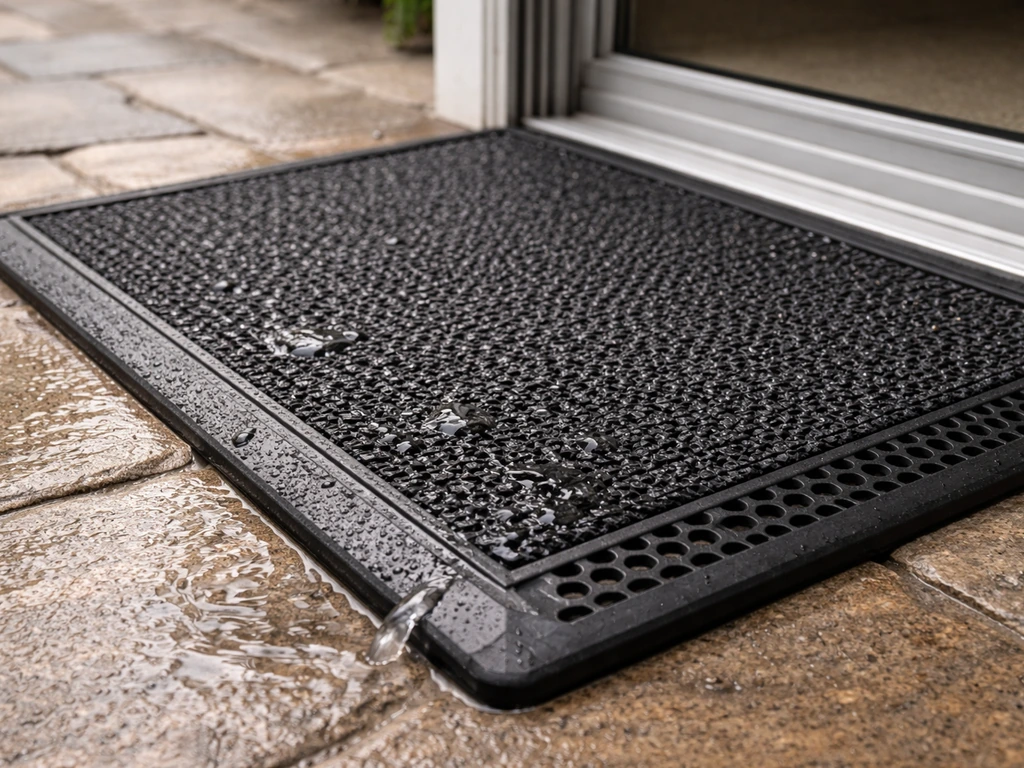
People buy patio mats thinking they're mostly decorative. They're not. The real jobs are traction, comfort, dirt control, and moisture management. A wet patio slab or wood deck gets slippery fast, especially with algae, pollen, or morning dew, and a mat with a textured, grippy surface cuts your slip risk significantly. Standing on bare concrete for an hour while grilling or chatting is genuinely fatiguing, and even a half-inch mat makes a difference. At the entry door, a mat scrapes dirt and debris off shoes before it gets tracked inside. And a well-designed mat either channels water away or elevates your foot off standing water so moisture doesn't just pool underneath, which is where the mold and deterioration problems start.
There's also a floor-protection angle. Composite decking, painted concrete, and wood decks can all be scratched by grit grinding underfoot. A mat acts as a buffer. This matters most near grill areas where grease, ash, and dropped utensils are common, and near pool ladders where people are constantly dripping.
How to choose the right mat for your specific patio
Before you pick a mat, answer four questions: What surface is it going on? Is the space covered or fully exposed? How much foot traffic does it see? And does it need to handle standing water or frequent hosing down? A mat that works perfectly on a shaded covered patio in the Pacific Northwest will rot, fade, or curl on an uncovered south-facing concrete patio in Phoenix.
- Concrete and pavers: Almost any mat works, but rough concrete can wear out mat backing quickly. Look for thicker rubber or reinforced backing.
- Wood or composite decking: Avoid rubber-backed mats that trap moisture against the wood surface. Open-weave or elevated drainage mats are safer for the deck finish.
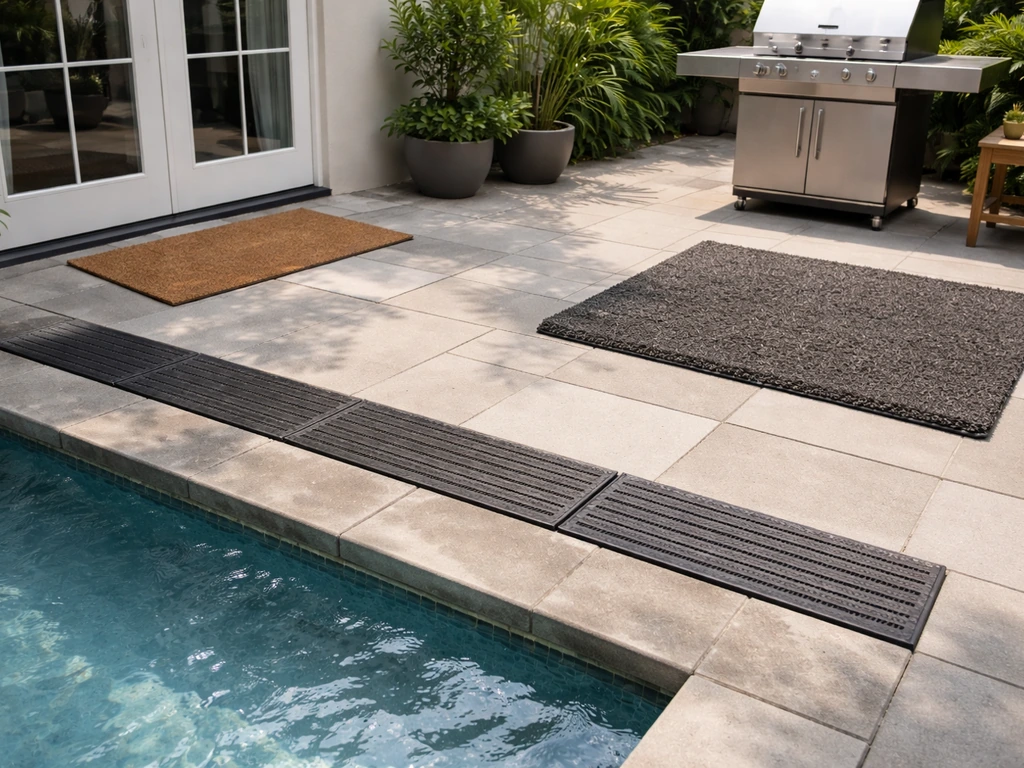
- Pool surrounds and wet zones: You need a mat with open drainage holes or a raised tile-style design that lets water flow through freely. Flat mats that sit wet for hours breed mildew.
- Covered patios: You have more material flexibility since UV exposure and rain are reduced, but humidity and condensation still matter.
- Uncovered patios: UV resistance and drainage become the top priorities. Colors will fade and flat mats will stay wet much longer.
Foot traffic matters too. A doorstep that gets 30 passes a day needs a tougher, easy-to-clean mat than a decorative mat under patio furniture that mostly just sits there. High-traffic zones wear out polypropylene faster and benefit from heavier rubber or composite tile construction.
Comparing the main mat materials and constructions
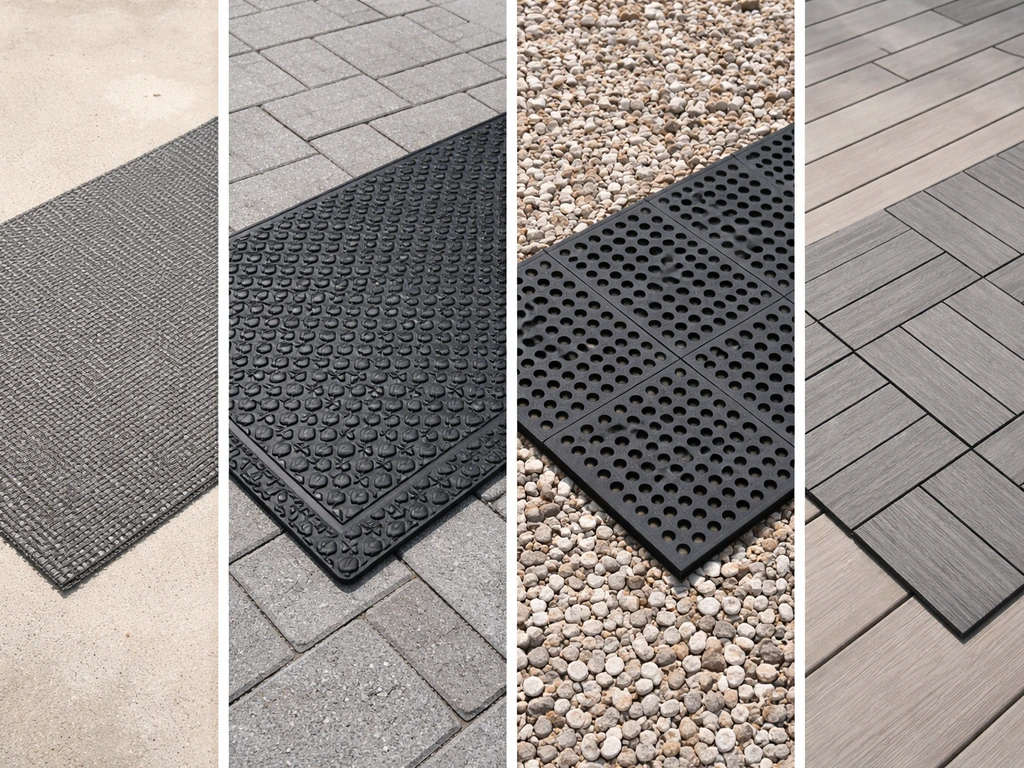
Patio mats come in four practical categories, and each makes sense in different situations. Here's how they honestly stack up.
| Material Type | Best For | Traction | Drainage | UV/Fade Resistance | Mold/Mildew Risk | Durability | Price Range |
|---|---|---|---|---|---|---|---|
| Polypropylene (woven) | Covered patios, decorative zones, moderate traffic | Moderate (non-slip backing needed) | Poor if flat, moderate if open-weave | Good with UV-treated fibers | Medium (stays wet underneath) | 3-5 years outdoors | $20-$150 |
| Rubber (solid or recycled) | Entryways, high-traffic, wet zones | Excellent | Poor if solid, excellent if perforated | Moderate (can degrade in intense sun) | Low (non-porous surface) | 5-10 years | $25-$100 |
| Outdoor carpet/carpet-style | Covered patios, screened porches, low-moisture areas | Good | Poor (absorbs and holds water) | Moderate to good | High (holds moisture) | 2-4 years | $15-$80 |
| Composite/interlocking tiles | Pool decks, wet zones, high-traffic | Excellent (raised surface) | Excellent (open grid design) | Excellent | Very low | 7-15 years | $40-$200+ |
Rubber mats are the workhorse option for most front-door and grill-area use cases. Perforated rubber lets water drain through and dries fast. The downside is that solid rubber left in direct intense sun can soften, warp, or develop an odor over time. Composite tile mats (those snap-together grid tiles you see at pool supply stores) are the best choice for pool surrounds and any spot that stays genuinely wet, but they're more expensive and require a flat, even surface to sit stably. Woven polypropylene looks the nicest and works well on a covered patio, but you have to be disciplined about drying it out or you'll find mildew underneath. Outdoor carpet mats are the riskiest in wet climates; they soak up water, dry slowly, and trap moisture against the floor. Best patio carpet options are typically outdoor-rated, tightly woven, and designed to dry quickly to avoid trapping moisture on the ground. For a true outdoor carpet for patio use, focus on outdoor-rated materials that dry quickly and resist trapping moisture Best patio carpet. If you're comparing patio mats to full outdoor rugs or outdoor carpet runners, those have their own tradeoffs worth exploring, but for high-traffic functional zones, a dedicated mat almost always outperforms a rug.
The quick recommendation
For most homeowners doing one purchase: get a perforated or open-weave rubber mat for any doorstep, grill area, or uncovered zone. Use a UV-stabilized woven polypropylene mat under furniture or in covered areas where aesthetics matter. Use composite tile for pools. Avoid flat outdoor carpet mats anywhere rain is regular.
How your climate should drive your decision
Where you live changes everything here. I've seen the same highly-rated mat perform great in a shaded Seattle patio and turn into a warped, faded mess on an uncovered patio in Dallas within one summer. Climate is not an afterthought.
- Hot sun and UV exposure (Texas, Arizona, Florida): UV degradation is your enemy. Look for UV-stabilized or UV-resistant labeling on any polypropylene mat. Rubber can soften and off-gas odors in intense heat. Light-colored mats reflect heat better and show less fading. Avoid dark rubber mats on south-facing patios where surface temps can exceed 150°F.
- Heavy rain (Pacific Northwest, Southeast, Gulf Coast): Drainage is everything. Flat mats that hold standing water will grow mold and mildew underneath within weeks. Perforated rubber and composite tile are the safest picks. Even with a good mat, flip it weekly during wet seasons to dry the floor underneath.
- Freeze/thaw cycles (Midwest, Mountain West, Northeast): Rubber and plastic mats can become brittle and crack in sustained sub-zero temps. Polypropylene woven mats tend to handle cold better but can stiffen. Composite tiles can pop apart at the joints in severe freezes. Store any mat you care about when temps drop below 20°F for extended periods.
- High humidity without rain (coastal Southeast, Mid-Atlantic summers): Moisture in the air is enough to feed mildew under a mat that doesn't breathe. Open-grid or elevated mat designs are worth the extra cost in these climates.
- Mild, dry climates (California coast, parts of the Southwest): You have the most flexibility. Almost any mat type works. UV resistance still matters in Southern California sun, but you're less worried about drainage and freezing.
Getting the size, fit, and placement right
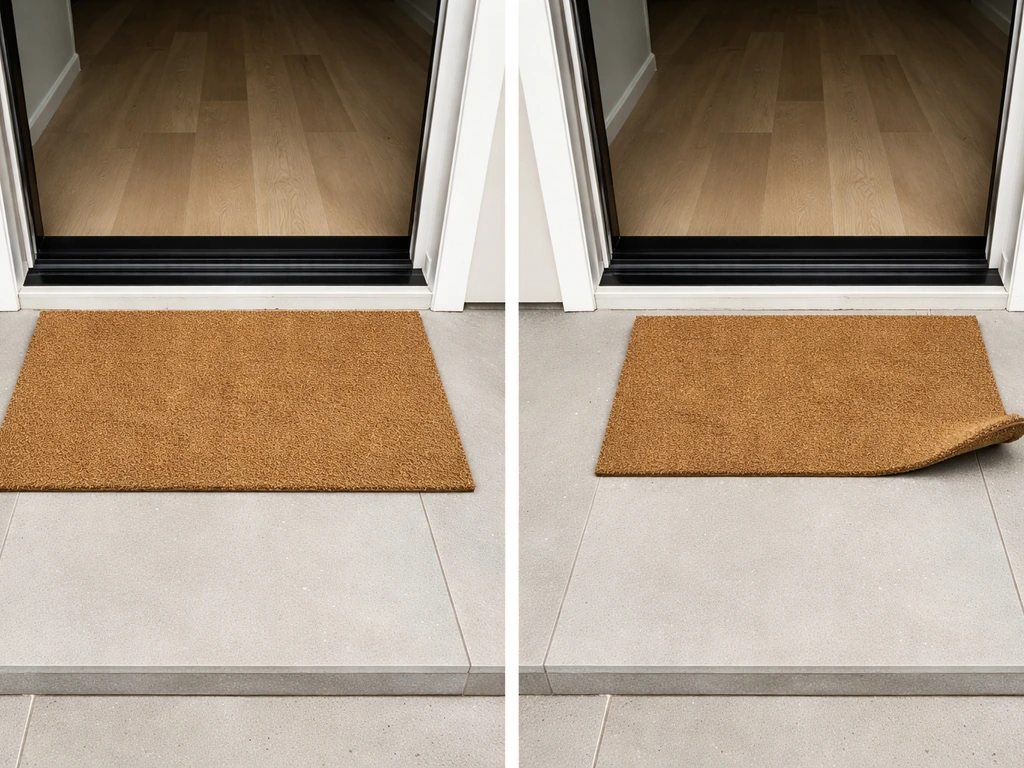
Sizing is one of the most common places people go wrong. A mat that's too small slides around, curls, and fails at its actual job. A mat that's too large overlaps thresholds and becomes a trip hazard.
For entry doors, the standard guidance is to match the mat width to the door width or go slightly wider (up to 6 inches wider on each side for a grand entry feel). Depth should be at least 18 inches so a full step lands on the mat. Most standard entry mats are 18x30 inches, but a 24x36 is more practical for a main patio door with regular traffic. For double doors, go 36x60 or larger.
For grill areas and cooking zones, the mat should extend 12-18 inches beyond the grill footprint on the front and sides where you're standing. A 3x5 foot mat is the minimum; a 4x6 gives better coverage. For poolside, measure the area around the ladder or steps and use composite tiles that can be cut or snapped to fit the exact perimeter.
Placement matters as much as size. Never let a mat hang over a step edge or deck threshold. It should sit flush with the step or set back slightly. Mats near thresholds should sit 1/4 inch below the door sweep or screen door bottom to prevent the door from catching. If you're using a mat on a slope, even a small one, add a non-slip mat pad underneath to prevent migration.
Some rubber and polypropylene mats can be trimmed with heavy scissors or a utility knife. Check the product specs before buying if you need a custom shape. Woven mats usually can't be cut cleanly without the edges fraying. Composite tiles are the easiest to customize since you can snap them to shape or trim individual tiles with a saw.
Curling edges are a major safety hazard and a sign the mat is fighting its environment. To prevent curling: make sure the mat is fully dry before laying it down, place heavy furniture legs or anchor clips at corners when available, and in sunny climates, choose mats with built-in edge weighting or thicker rubber borders that hold flat.
How to clean, dry, and store your patio mat
The number one mistake is leaving a wet mat flat on a wet surface and wondering why it smells or why there's a dark stain on the patio. Moisture trapped underneath is the problem, and cleaning doesn't fix it if you don't address drying.
For rubber and composite mats, cleaning is easy: shake off loose debris first, then rinse thoroughly with a garden hose. For grimy mats, use a stiff brush with a diluted dish soap or outdoor-safe cleaner, scrub both sides, and rinse completely. Stand the mat on its edge or hang it to dry fully before putting it back down. This matters more than most people realize. Laying a still-damp mat back on concrete traps moisture underneath and creates exactly the mold and mildew conditions you're trying to avoid.
For woven polypropylene mats, the process is the same but you need to be more thorough about getting water out of the weave. A good hose-down and then hanging the mat over a railing for a few hours works well. Avoid machine washing woven patio mats unless the manufacturer explicitly allows it; the agitation can damage the backing.
For outdoor carpet-style mats, cleaning is the hardest. They hold water in the fibers and take the longest to dry. In humid climates, they can stay damp for 24-48 hours, which is plenty of time for mildew to start. If you have one of these, clean it on a sunny, low-humidity day and make sure it's bone dry before it goes back on the patio.
- Shake or sweep off loose dirt and debris before any wet cleaning.
- Rinse the mat top and bottom with a garden hose at good pressure.
- Scrub with a diluted mild soap solution and stiff brush for stuck-on grime.
- Rinse completely until water runs clear (soap residue attracts dirt faster).
- Stand on edge or hang to dry fully, both sides, before replacing.
- Once a season, flip the mat and clean the floor underneath too.
Off-season storage is worth doing if you live somewhere with hard winters. Roll rubber mats (don't fold) and store them in a garage or shed. Folding rubber creates permanent crease cracks. Woven polypropylene mats can be rolled or folded and stored in a dry area. Composite tiles can be stacked flat. Don't store any mat while damp. A mat stored wet in a garage over winter will arrive at spring with a mildew smell that's very hard to fully remove.
Safety, durability, and things to check before you buy
Don't get burned by a mat that looks good in a photo but fails in the real world. Here's what to actually check.
- Slip resistance ratings: Look for mats that reference ASTM or OSHA slip resistance standards, especially for pool areas. The mat's bottom surface matters as much as the top. A textured top with a smooth rubber bottom will still slide on wet concrete.
- Edge thickness and trip hazard: Any mat over 3/4 inch thick creates a trip hazard for older adults or kids. A beveled edge reduces this risk. Check the thickness spec, not just the pile height.
- Odor: New rubber mats often off-gas a strong smell. It usually fades in a week of outdoor airing, but some cheaper recycled rubber mats hold the smell much longer. Read reviews specifically mentioning odor if you're buying for a covered or semi-enclosed space.
- Fade resistance: Look for 'UV stabilized' or 'solution-dyed' fibers. Solution-dyed polypropylene holds color far better than surface-dyed because the color runs through the fiber. In hot, sunny climates, this difference is visible within one season.
- Backing durability: Latex-backed mats are cheaper but the latex cracks and crumbles in UV exposure. Look for rubber or polymer backing on any mat that will see regular direct sun.
- Return and warranty policy: Outdoor mats have a wide quality range. Look for at least a 30-day return window so you can test it through real weather. Some manufacturers offer 1-2 year warranties on outdoor rugs and mats; that's a reasonable confidence signal.
Durability expectations vary a lot by category. A quality composite tile mat can last 10+ years with minimal care. A good rubber entry mat should go 5-7 years. Woven polypropylene mats typically last 3-5 years in full sun and longer in covered areas. Budget outdoor carpet-style mats often need replacement after 1-2 seasons in wet climates. Factor that into the cost comparison.
Best picks by patio type and use case
Here's where it all comes together. Use this as your decision guide based on your actual setup.
Entry door and doorstep
Go with a thick rubber mat (at least 1/2 inch) with a scraper or open-weave top surface and a flat, grippy non-slip bottom. Size up rather than down: 24x36 is better than 18x30 for most patio doors. WaterHog-style mats (the classic waffle-pattern rubber mat with a water dam border) are a reliable standard here. They drain fast, scrape dirt well, and hold up for years. Avoid carpet-style mats at the main entry unless it's fully covered and you're in a dry climate.
Poolside and wet deck zones
Composite interlocking drainage tiles are the clear winner here. They elevate your feet off the wet surface, drain through, dry fast, and resist mold almost completely. The US EPA notes that moisture control is key to preventing mold growth and that building materials should be kept dry, because mold can grow on virtually any material if moisture is present resist mold almost completely. Look for tiles rated for pool/wet use with an anti-slip surface texture. Rubber drainage mats (the ones with punched-through holes) are a cheaper alternative and work well at the pool ladder or step. Avoid any flat or woven mat in direct pool splash zones.
Grill area and cooking zone
You want a mat that handles grease, heat near the edges, and easy cleaning. Heavy-duty recycled rubber is the best pick here, at least 3/8 inch thick. Avoid woven polypropylene near a grill: it can scorch if an ember lands on it and grease soaks in and becomes nearly impossible to clean. Go with a dark or patterned rubber mat that hides grease splatter, and size it generously so your feet are on it throughout the cooking process. A 3x5 minimum, 4x6 preferred.
Covered patio or screened porch
This is where a woven polypropylene mat or an outdoor rug shines. You're protected from most UV and rain, so the material's weaknesses matter less. Focus on comfort underfoot and aesthetics. Look for a solution-dyed polypropylene woven mat with a rubber or polymer backing (not latex). A decorative mat under outdoor furniture, similar to what you'd think of as outdoor carpet for patio use, works great in a screened or covered setting. Just make sure to flip and dry it a couple times a season so humidity doesn't build up underneath.
Uncovered patio with full sun and rain exposure
Drainage and UV resistance are your top priorities. A perforated rubber mat or a composite tile setup are the most forgiving. If you want a softer, more rug-like look, choose a tightly woven, UV-stabilized polypropylene mat with a raised backing (not flat against the surface) and plan to flip and air it weekly during rainy stretches. Expect to replace a woven mat every 3-4 years in full-exposure conditions regardless of quality.
If you're still weighing whether a dedicated mat or a full outdoor rug makes more sense for your patio, that comes down to the size of the zone you're covering and how much visual impact you want. Mats solve functional problems in concentrated zones; rugs define a space. If you’re considering patio rugs instead of mats, make sure they’re waterproof or at least designed to handle standing water. For most practical needs like safety, traction, and weather performance, a well-chosen mat is the lower-maintenance, higher-durability answer.
FAQ
My patio is wet in the mornings. How do I stop a patio mat from sliding when it’s damp?
Check for an anti-slip backing that is specifically intended for wet conditions (rubber or polymerized backing, not “decorative” fabric), and avoid anything labeled only for “dry indoor use.” On polished concrete or smooth composite decking, even a grippy top can slide, so consider adding the non-slip mat pad mentioned for slopes and test it with water before leaving it unattended.
How can I tell if my patio mat placement is trapping moisture underneath?
Do a quick humidity test: lay the mat down, wait 30 to 60 minutes after it has been wet (hose or morning dew), then feel for cool trapped moisture underneath. If the surface underneath stays cool or smells musty, you need better drainage or more elevation, composite tile drainage, or a thicker rubber mat with channels/open weave.
What should I look for if my patio gets freezing temperatures or freeze-thaw cycles?
Choose “open-weave” or “perforated” for drainage, but also confirm the backing is designed to dry out, not a solid backing that seals water in. If you live in a freeze-thaw climate, prioritize mats rated for outdoor weather and avoid very thin rubber that can become brittle, and plan for more frequent rinsing in winter to remove salt or grime.
Can I use a patio mat to cover persistent puddles, or should I fix the drainage first?
Yes, but only if you’re treating it as a staging tool. Do not use a mat that is meant for water drainage as a “permanent” barrier across a puddle that never dries. If standing water is common, use a drainage-oriented mat or composite tiles, and fix the root issue by improving drainage slope where possible.
What do I do if my patio mat smells even after I cleaned it?
If the mat smells after it dries, the issue is usually trapped moisture under corners or under furniture legs. Remove the mat, scrub with an outdoor-safe cleaner, rinse thoroughly, and fully air it upright until it feels completely dry. If the mat is still porous and smells return within 1 to 2 days, replacement is often faster than repeated cleaning.
What’s the safest way to cut a patio mat to fit around a planter or irregular step?
For custom shapes, composite tiles are the easiest because you can snap or trim individual tiles. Rubber or polypropylene mats can sometimes be trimmed, but you need to confirm in the product specs first. If you trim woven polypropylene, expect fraying unless the manufacturer provides a finished-edge option.
Can I put a patio mat down over existing grit or leftover patio residue?
Avoid placing mats on top of thick debris like sand, gravel, or old adhesive residues because it creates rocking, curling, and uneven pressure. Sweep and, if needed, power-wash and let the surface fully dry before installing. Unevenness is one of the fastest drivers of edge curling.
How do I choose a patio mat that won’t fade or warp in full sun?
Don’t rely on just “outdoor” labeling. Look for UV stabilization and a non-latex polymer or rubber backing for woven polypropylene options, and prefer perforated rubber or composite tiles in full sun or near pools. If you have intense sun, assume woven polypropylene may require more frequent flipping and earlier replacement.
What’s the correct clearance between a patio mat and a door threshold to avoid catching and curling?
If your mat is at the edge of a door or step, ensure it sits flush or slightly set back, and keep it below the door sweep so the door won’t catch and lift the mat. For thresholds, a small clearance strategy (around a quarter inch below the sweep or screen bottom) prevents bunching that leads to tripping.
How far should a mat extend from a grill, and does heat damage matter?
For grill areas, keep the mat positioned so standing feet stay on the treated surface the entire time, not just at the grill footprint edge. Also consider that embers and grease splatter are localized, so choose rubber in darker or patterned finishes, and keep the mat at least a safe distance from direct heat sources per your grill manufacturer’s guidance.
What is the best cleaning routine if my mat has algae or ground-in grime?
Yes, but timing matters. Rake or shake off debris first, then rinse thoroughly. If you use a brush and cleaner, scrub both sides, rinse completely, and dry upright or hung until fully dry. Do not store or reinstall while damp, because trapped moisture is what re-creates mildew and staining.
Should I add a mat pad or underlayment on top of existing surfaces?
Use a pad or underlayment only when the mat is still meant to dry and drain. For composite tile systems, adding extra layers can trap water and reduce stability. If your surface is sloped or smooth, a non-slip pad is useful, but for wet zones you should focus on elevation and drainage rather than stacking materials.
What’s the proper way to store patio mats during winter?
Off-season storage depends on the material: roll rubber, do not fold, and store in a dry garage or shed. Composite tiles can be stacked flat. For woven polypropylene, roll or fold only when bone dry. The key rule, for all types, is never store a mat while damp, because odor and mildew removal can be difficult later.
If I only want one mat for the whole patio, what’s the safest compromise?
If your main goal is traction, the best “one-size” answer is usually a thick perforated or open-weave rubber mat for high-traffic entry and grill zones, plus composite drainage tiles for true wet areas like pool ladder/splash zones. Rugs can work visually, but for safety and moisture control, a dedicated mat category tends to be more dependable in concentrated use areas.