
The best patio carpet for most homeowners is a UV-stabilized, solution-dyed polypropylene outdoor carpet with a marine or rubber backing and built-in drainage. It handles sun, rain, and foot traffic without growing mold or falling apart in a season. For fully exposed patios, look for products marketed as marine-back grass carpet or outdoor polypropylene carpet with a breathable, waterproof backing. For covered or screened patios with light traffic, a low-pile polyester outdoor rug works just as well and often costs less. The rest comes down to your climate, your surface, and how you install it.
Best Patio Carpet: How to Choose, Install, and Maintain

Elise Prescott
29 Apr 2026
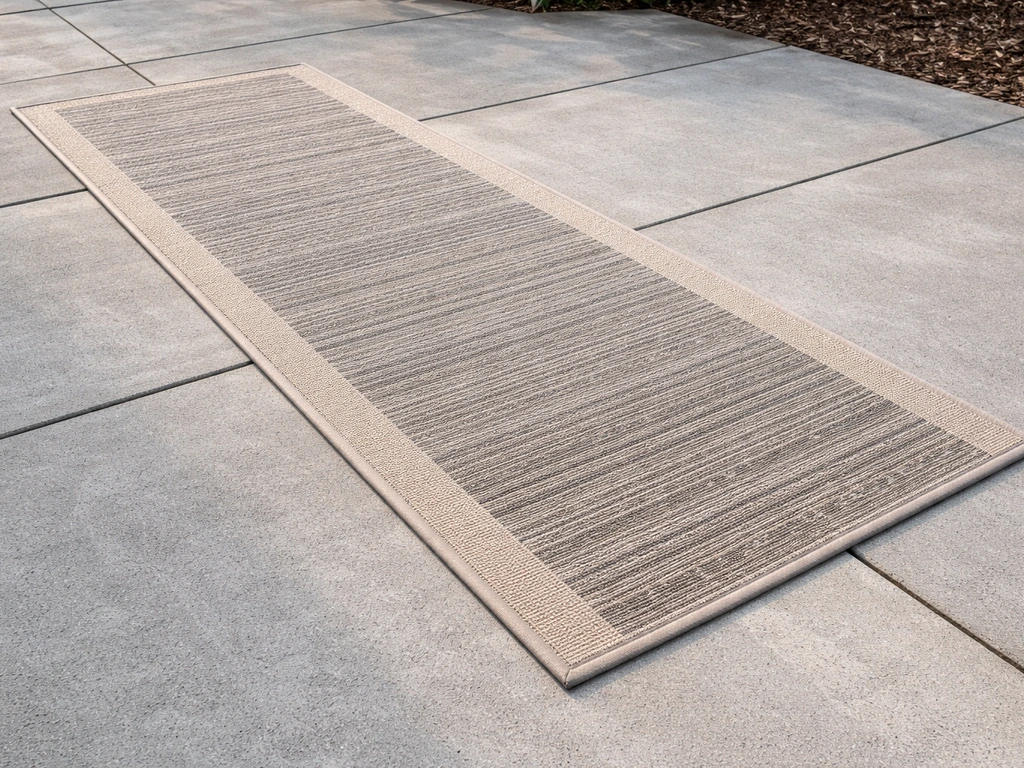
What 'patio carpet' actually means (and why it matters)
The term 'patio carpet' gets used loosely. Walk into any home improvement store and you'll see rolls of indoor-outdoor carpet next to outdoor area rugs next to artificial turf-style mats, all marketed for patios. They are not the same thing, and buying the wrong one is one of the most common (and frustrating) mistakes homeowners make.
True outdoor-rated patio carpet is engineered to handle moisture, UV exposure, mold pressure, and temperature swings. The backing is non-absorbent, typically rubber or marine-grade, so water doesn't get trapped underneath and start growing mold. The fibers are synthetic (polypropylene or polyester) and solution-dyed, meaning the color goes all the way through the fiber rather than sitting on top where sun and rain can strip it away.
Indoor carpet brought outside is a different animal entirely. It often uses jute or felt backing that soaks up water like a sponge, and the dyes aren't designed for UV exposure. You might get one season out of it before it's mildewy, faded, and falling apart. If you're shopping and the product doesn't say 'outdoor rated,' 'marine backing,' or 'indoor/outdoor,' assume it belongs inside.
Outdoor patio rugs are a close cousin to patio carpet, but there's a practical distinction worth knowing. If you are wondering are outdoor patio rugs a good idea, they can work well when you choose an outdoor-ready material and make sure the backing and edges handle moisture. If you're wondering are patio rugs waterproof, the key is choosing an outdoor-ready material and a non-absorbent backing so water does not get trapped underneath. Patio carpet is typically sold by the roll and can be cut to fit, glued down, or seamed, almost like flooring. Outdoor rugs are finished on all edges and laid down removably. Both have their place. If you want something you can roll up and store, a rug makes more sense. If you're covering an entire concrete slab or deck and want it to stay put, carpet-style roll material is the better call.
Pick based on your climate and patio exposure
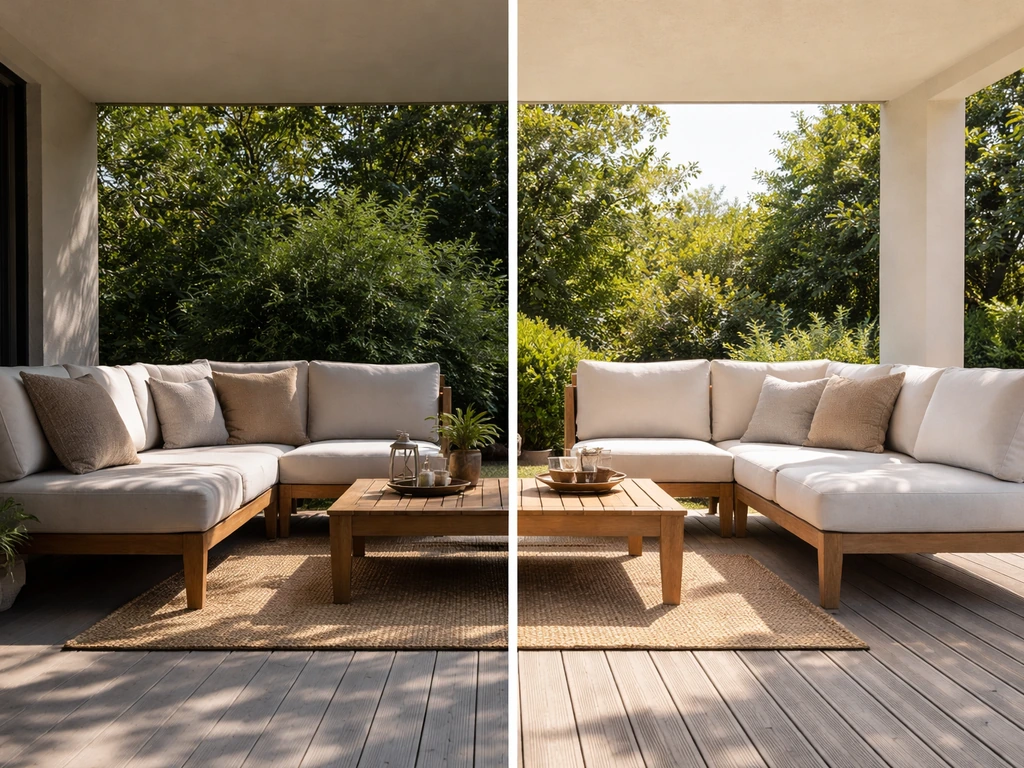
Where you live and how exposed your patio is should drive your decision more than any other factor. A shaded screened porch in Georgia has completely different demands than a south-facing concrete slab in Arizona or a deck in Minnesota that spends five months under snow.
High sun and UV exposure (Southwest, desert, or full-sun patios)
UV degradation is the primary enemy here. You need solution-dyed polypropylene or solution-dyed polyester with a verified UV stabilizer. Look for products that reference ASTM G154 testing, which is the industry standard for simulating accelerated UV and weathering exposure on nonmetallic materials. Shaw's indoor/outdoor carpets, for example, include a 5-year warranty specifically covering UV degradation that causes fiber deterioration. To be eligible for Shaw’s five-year limited warranty, the carpet must be installed according to Shaw installation guidelines and maintained according to Shaw maintenance recommendations blank" rel="noopener noreferrer">Shaw's indoor/outdoor carpets. That's the kind of language you want to see on a product label if your patio gets hammered by afternoon sun.
High rain, humidity, or poolside use (Southeast, Gulf Coast, Pacific Northwest)
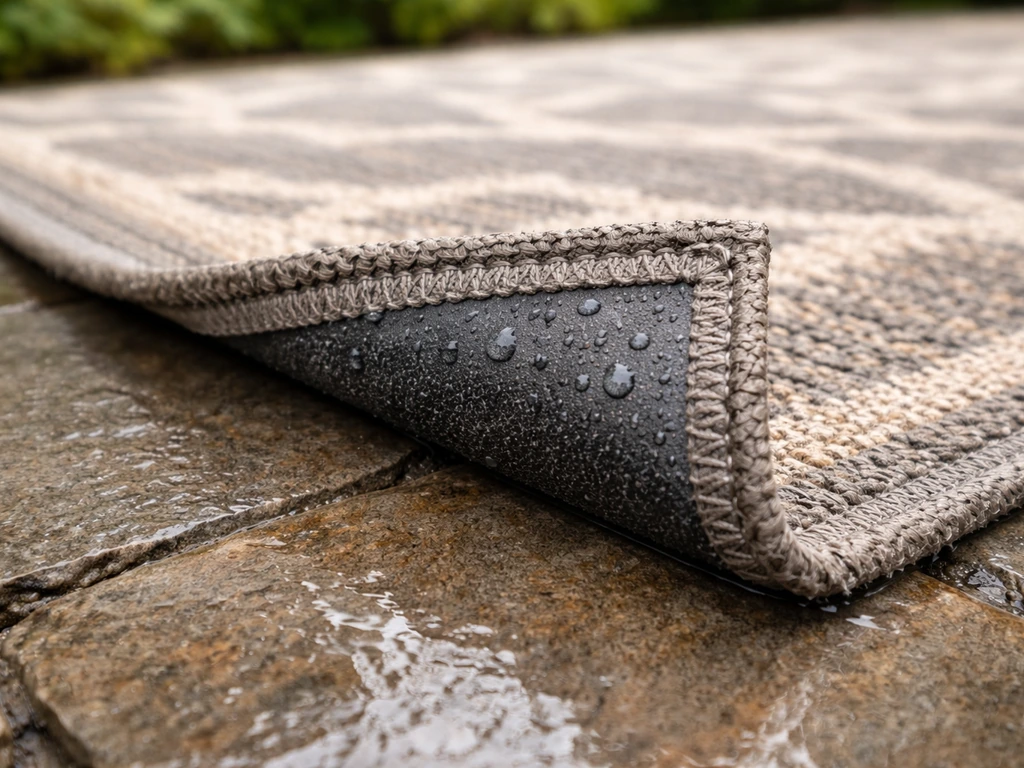
Drainage and mold resistance are everything in wet climates. You need a carpet that dries fast and doesn't hold moisture against your patio surface. Marine backing (a dense rubber or vinyl compound) is ideal because it resists moisture absorption. Be aware: even polypropylene, which naturally resists mold and mildew, can grow surface mildew if it stays damp long enough. Good drainage design, either through perforated backings or a slight grade in the patio surface, prevents standing water from doing long-term damage. For poolside areas, this is non-negotiable.
Freeze-thaw climates (Midwest, Mountain West, Northeast)
Freeze-thaw cycles are brutal on outdoor carpet that's glued down or left in place through winter. Water that soaks into the backing or gets trapped between the carpet and a concrete slab can freeze, expand, and destroy both the carpet and the concrete surface. If you're in a climate that sees hard freezes, plan from the start to either remove the carpet before winter or choose a fully removable installation method. Even a permanently installed carpet in this climate should be thoroughly dried before the first freeze. More on winterizing below.
Screened or covered patios and shaded spaces
Covered and screened patios have the most flexibility. Because direct UV and heavy rain are reduced, you can get away with a lower-grade outdoor carpet or even a well-made outdoor rug without sacrificing durability. That said, humidity and occasional moisture still matter, so don't reach for indoor carpet just because you have a roof over your patio. Stick with synthetic fibers and a non-absorbent backing.
Best materials and styles for actual outdoor use
The material determines almost everything about how the carpet performs over time. Here's what you'll actually find at the store and what each one is good for.
| Material | Best For | UV Resistance | Drainage | Comfort | Typical Lifespan |
|---|---|---|---|---|---|
| Polypropylene (Olefin) | Fully exposed patios, poolside, high-traffic areas | Excellent (solution-dyed) | Good with marine/rubber backing | Moderate (low-pile) | 5–10 years |
| Solution-dyed Polyester | Covered patios, screened porches, moderate sun | Very Good | Good | Soft underfoot | 4–8 years |
| Turf-style Synthetic Grass | Kid/pet areas, grilling zones, barefoot use | Good to Excellent (depends on brand) | Excellent if perforated or permeable backing | Very comfortable barefoot | 8–15 years with proper care |
| Low-pile Outdoor Carpet | All-purpose, easy to clean, debris management | Good with UV stabilizers | Moderate | Firm | 5–8 years |
| High-pile Outdoor Carpet | Screened/covered patios only | Variable | Poor (traps debris and moisture) | Plush | 2–4 years exposed |
Polypropylene is the gold standard for fully exposed outdoor patios. It's the same fiber used in marine carpet because it doesn't absorb water and resists fading, staining, and mildew better than almost anything else. Shaw's marine back grass carpet, for instance, is made from 100% olefin (another name for polypropylene) with a marine backing, and that combination is exactly what you want for an uncovered concrete patio. A good best patio mat can be a practical alternative if you want a more portable option for comfort and easy cleaning.
Turf-style synthetic grass has gotten genuinely good in the last few years and is worth considering if you have kids, pets, or a grilling zone where you want something cushiony underfoot. Pay close attention to the drainage system. Perforated backings (hole-punched) work but can lag in heavy rain. Fully permeable backing systems, which allow water to flow through the entire structure rather than just through holes, drain faster and stay cleaner. If the product you're looking at has no drain holes at all, it needs a slightly graded surface underneath to shed water off the edges.
Low-pile is almost always better than high-pile for an exposed patio. High-pile traps leaves, pine needles, dirt, and moisture. It looks great in the store, but after one rainy season outside, it becomes a maintenance nightmare. Low-pile is easier to sweep, hose off, and dry quickly.
What to look for before you buy: the practical checklist
- UV/fade resistance: Look for solution-dyed fibers and ASTM G154 testing references. UV stabilizers should be built into the fiber, not applied as a coating that wears off.
- Mold and mildew resistance: Marine or rubber backing is essential. Avoid jute, felt, or foam backing for any outdoor use.
- Drainage and quick-dry: Perforated or permeable backing for uncovered areas. At minimum, the carpet shouldn't hold standing water against your patio surface.
- Stain resistance: Polypropylene naturally resists most stains. For grilling areas or pet zones, this matters a lot.
- Durability/traffic rating: Manufacturers usually list light, moderate, or heavy traffic ratings. For primary patio pathways or entertaining areas, choose moderate to heavy.
- Thickness and comfort: Thicker is not always better outdoors. A 1/4 to 3/8 inch pile height is usually the sweet spot for durability and comfort.
- Cleanability: Can it be hosed off? Can you use a mild soap? Check the manufacturer's care instructions before you buy, not after.
- Warranty: A credible manufacturer will offer at least a 3 to 5 year warranty covering UV degradation and fiber loss under normal outdoor conditions.
- Size and cut options: Is it sold by the roll and cuttable, or only in standard sizes? Measure your space before shopping and account for any angles or obstacles.
How to install patio carpet (and what to put underneath)
Installation method depends on whether you want permanent, semi-permanent, or removable. Each approach has trade-offs, and your climate should influence which one you choose.
Prepare the surface first
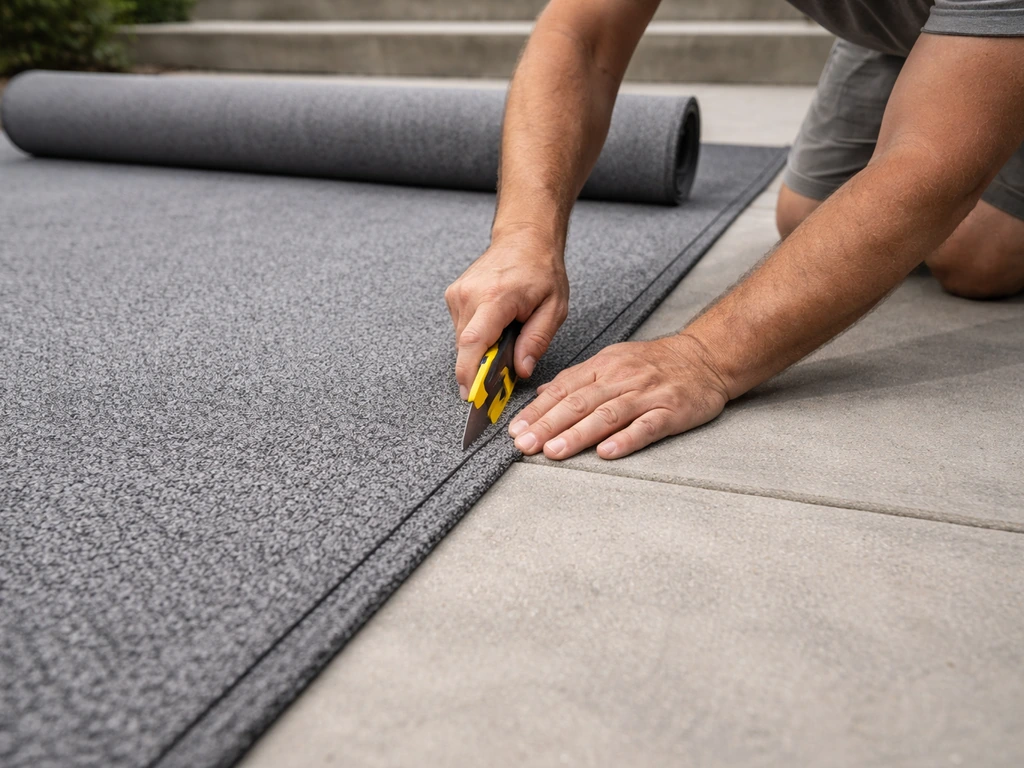
Whatever you're laying carpet on, the surface needs to be clean, dry, and relatively level. For concrete patios, check for moisture issues and any alkali buildup on the surface before you start. Moisture trapped between carpet and concrete is the fastest route to mold and adhesive failure. Sweep, wash, and let the slab dry completely. For deck boards, make sure there are no raised fasteners or rough edges that will wear through the backing over time.
Roll-out carpet (cut to fit)
This is the most common approach for concrete slabs. You buy by the roll, cut to your patio dimensions, and either glue it down with outdoor carpet adhesive or secure the edges with double-sided outdoor carpet tape. Roberts Indoor/Outdoor double-sided carpet tape (available at most home improvement stores) is designed for this exact use. For larger areas with seams, use outdoor-grade seaming tape and a seam sealer recommended by your carpet manufacturer to keep edges from lifting or unraveling. Lowe's recommends a 'double-cut seam' technique for clean, tight seams where two pieces of indoor/outdoor carpet need to meet.
Carpet tiles (modular approach)
Carpet tiles are an underrated option for patios, especially for DIYers who want flexibility. Some systems use high-friction backings (like Milliken's TractionBack approach) that rely on the weight of the tile and a textured backing to stay in place without permanent adhesive. Others use a light adhesive or connector tabs. The main advantage: if one section gets stained, damaged, or worn out, you replace individual tiles rather than the whole carpet. The main downside is that grout lines between tiles can trap debris.
Preventing shifting and edge problems
Loose carpet that shifts is a tripping hazard and looks terrible fast. For permanently installed carpet, use continuous edge strips or transition strips at all exposed edges. For removable carpet or large outdoor rugs, double-sided outdoor tape at the corners and perimeter goes a long way. In windy areas, tape the full perimeter, not just the corners. Skipping edge protection is one of the most common installation mistakes, and once the edge starts to curl or fray, the whole carpet deteriorates faster.
Do you need padding underneath?
Traditional carpet padding is not appropriate outdoors because it absorbs moisture. If you want more cushion underfoot, look for outdoor-specific foam or rubber pads designed for exterior use, or choose a thicker-pile outdoor carpet with a built-in cushioning layer. For most concrete patio installations, no padding is needed and none is recommended.
Cleaning, maintenance, and seasonal care
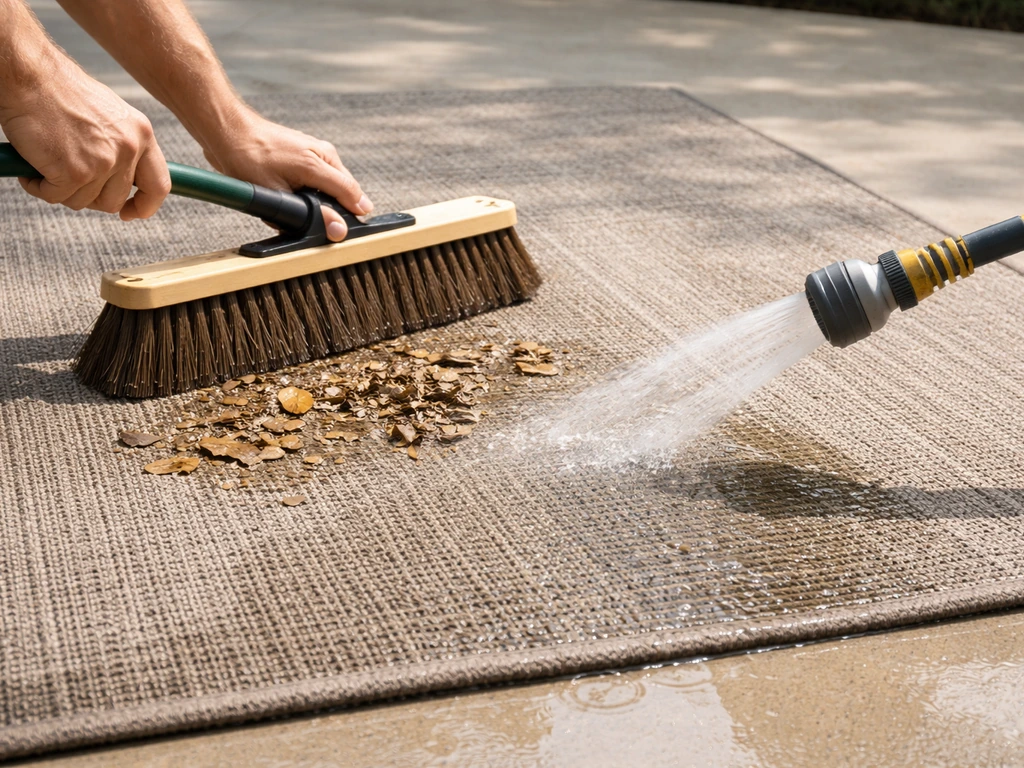
Day-to-day and routine cleaning
Good outdoor carpet is genuinely low-maintenance, but 'low maintenance' doesn't mean zero maintenance. Sweep or use a leaf blower to clear debris regularly, especially in fall. Hose it down periodically to flush out dust and pollen. For spot stains from grilling, food, or pets, a mild dish soap and water solution works on polypropylene and polyester without damaging the fibers. Rinse thoroughly and let it dry completely before replacing any furniture. Avoid bleach-heavy cleaners unless the manufacturer specifically approves them. For odors (especially from pets), a diluted white vinegar rinse works well and is safe for synthetic fibers.
Drying matters more than most people realize
Surface-dry and truly dry are different things. Even marine-backed carpet can trap moisture between the backing and the patio surface if water gets underneath via edges or seams. After heavy rain or washing, lift the edges periodically to make sure moisture isn't pooling underneath. Prop up a corner and let it air out. This is especially important in humid climates where things stay damp for days.
Winterizing in cold climates
If you're in a freeze-thaw climate (think Minnesota, Colorado, or anywhere that sees hard winters), your options are to remove the carpet before the first freeze or accept that it may not survive intact. Removable carpet should be hosed off, dried completely (this can take a couple of days in cool weather), rolled up, and stored indoors or in a dry shed. Do not store it damp. Permanently installed carpet should be swept clean and inspected for edge lifting or trapped moisture before winter sets in. An imperfect but common approach is to simply leave it and replace it every few years, which works if you chose an affordable polypropylene product in the first place.
Common mistakes to avoid (and how to size and color correctly)
Mistakes that ruin patio carpet fast
- Buying indoor carpet for an outdoor space: The backing will absorb water, mold will develop underneath, and the whole thing will need replacing in one season.
- Ignoring drainage: Even good outdoor carpet fails if water pools underneath it. If your patio doesn't drain well, address that before laying carpet.
- Skipping edge protection: Unfinished or unsecured edges lift, fray, and become a tripping hazard within months.
- Choosing high-pile for an exposed patio: Debris packs into tall pile fibers and moisture takes forever to escape. Low-pile or turf-style is always the better choice outdoors.
- Expecting carpet to handle standing water: No carpet handles standing water well. It needs to drain through or off to the side. If your patio has low spots that hold water after rain, carpet is not going to fix that.
- Installing over a dirty or wet slab: Adhesive fails, mold starts immediately, and the whole installation is compromised from day one.
- Assuming all 'outdoor' products are equal: A low-end outdoor rug might last one season while a quality polypropylene carpet with marine backing lasts a decade. Check the warranty and fiber specs.
Picking the right size
Measure your patio length and width, then add a few inches on each side for cutting and fitting. For a seating area, it generally looks better to have the carpet extend at least 12 to 18 inches beyond the furniture footprint on all sides, similar to how you'd size an indoor area rug. If you're covering an entire slab, measure the full slab and subtract a few inches from each edge so water can run off cleanly at the perimeter rather than pooling at a carpet edge against a wall or step.
Picking the right color
Dark colors absorb heat and can get uncomfortably hot underfoot in full sun, especially on south-facing patios in warm climates. Light to medium tones stay cooler but show dirt and staining more visibly. A medium green or terracotta tone is a practical middle ground: it hides dirt reasonably well, reflects more heat than dark colors, and blends with most outdoor furniture. Avoid very light colors near grilling areas or in homes with pets.
When to think beyond carpet alone
Patio carpet is one piece of the outdoor comfort puzzle. If you're already upgrading your patio surface, it's worth thinking about the full picture: a patio cover or pergola dramatically reduces UV exposure and rain impact on your carpet, extending its life and making a wider range of carpet styles viable. If you're integrating misting systems, fans, or heaters into your patio design, those affect airflow and moisture levels too. A contractor who specializes in outdoor living spaces can help you plan flooring as part of a broader upgrade rather than an afterthought. For most homeowners doing a straightforward carpet swap on an existing slab, though, this is a realistic DIY project with good results if you start with the right material.
Before you order anything, take 10 minutes to measure your patio, check which direction it faces and how much direct sun it gets, and decide whether you want something removable or permanent. Those three answers narrow the field considerably, and you'll end up with something that actually lasts.
FAQ
Can I use regular indoor carpet tape or adhesives for the best patio carpet installation?
No. Use outdoor-rated carpet adhesive or outdoor-specific double-sided tape designed for exterior use, because indoor products often fail from UV exposure and constant moisture. Also confirm the carpet manufacturer allows the adhesive type, especially if the backing is marine or rubber.
Is it better to glue down patio carpet or use tape for a semi-permanent setup?
Tape is usually safer for changing seasons, repairs, and freeze-thaw regions because it is easier to lift and dry. Gluing can create a tighter bond on concrete, but it traps moisture if water gets under edges, and it is harder to remove without damaging the slab or backing.
How do I prevent edges from curling and fraying on patio carpet?
Plan edge protection at every exposed perimeter, using continuous edge strips, transition strips, or properly sealed seams. Curling often starts where water collects, so combine edge strips with good drainage (or a slight patio grade) to avoid recurring damp spots.
What should I do if my patio carpet smells mildewy even though it’s outdoor-rated?
First, dry it completely and check for trapped moisture under seams or edges. Lift corners periodically after rain to let air reach the underside. For odor, a diluted white vinegar rinse can help with synthetic fibers, but avoid bleach unless the product specifically approves it.
Can I power wash patio carpet to clean it?
Use caution. High-pressure cleaning can force water into seams, under the backing, or damage low-pile fibers. If you hose it down, rinse thoroughly and let it dry fully before moving furniture back, and avoid blasting along seams and edges.
Will patio carpet hold up next to a pool or hot tub?
It can, but poolside is high-risk for prolonged dampness, chlorine overspray, and puddling. Prioritize marine backing or a fully non-absorbent, fast-draining construction, and make sure water does not collect at carpet edges. After splashes, rinse and dry promptly to reduce surface mildew.
How often should I lift the carpet to check for moisture underneath?
After any heavy rain, and at least during the first few weeks after installation, lift corners or inspect seam areas to confirm the underside is not staying wet. In humid climates, repeat after periodic wet weather, because surface-dry can still mean moisture is trapped under the backing.
What’s the safest way to trim and fit patio carpet without damaging the backing?
Use a sharp utility knife or carpet blade and cut with a steady guide, then seal seams if your system requires it. Avoid nicking marine or rubber backings, because small cuts can become water entry points that feed mildew and freeze-thaw damage.
Is a patio rug always better than the best patio carpet roll for outdoor use?
Not always. Rugs are great when you want to roll up and store them, and they typically have finished edges. Carpet-by-the-roll is better for larger fixed coverage areas where you want fewer seams, more uniform look, and options like glued-down or taped placement on concrete decks.
Which is more forgiving for pet messes and grilling spills, polypropylene or polyester patio carpet?
Both can work, but solution-dyed polypropylene is often the more stain-resistant choice for fully exposed patios. For either material, blot first, then use a mild dish soap and water solution, rinse thoroughly, and dry completely to prevent lingering odors.
How should I winterize a permanently installed patio carpet in a hard-freeze climate?
Before the first freeze, inspect seams and edges for trapped moisture or lifting. Sweep clean, then ensure no wet areas remain under the backing. If you cannot guarantee full drying and no water entry, plan to remove the carpet before winter or switch to a fully removable installation method.
What’s the right way to size patio carpet so water doesn’t pool at the perimeter?
If covering a slab, subtract a little from the slab’s full dimensions so water can run off the perimeter rather than hitting a carpet edge against a wall or step. For seating zones, extend beyond the furniture footprint (often 12 to 18 inches) so the transition stays comfortable, but still maintain drainage clearance at borders.