
Valspar's porch, floor, and patio paint line is a solid mid-range choice for most homeowners painting concrete or wood porch floors, but whether it's worth buying depends heavily on which product you pick, how well you prep the surface, and what your climate throws at it. The standard latex satin/gloss version covers up to 400 sq. ft. per gallon, has a 24-hour recoat time, and works in temperatures between 50 and 90°F.
Valspar Porch Floor and Patio Paint Reviews and Picks

Elise Prescott
27 May 2026
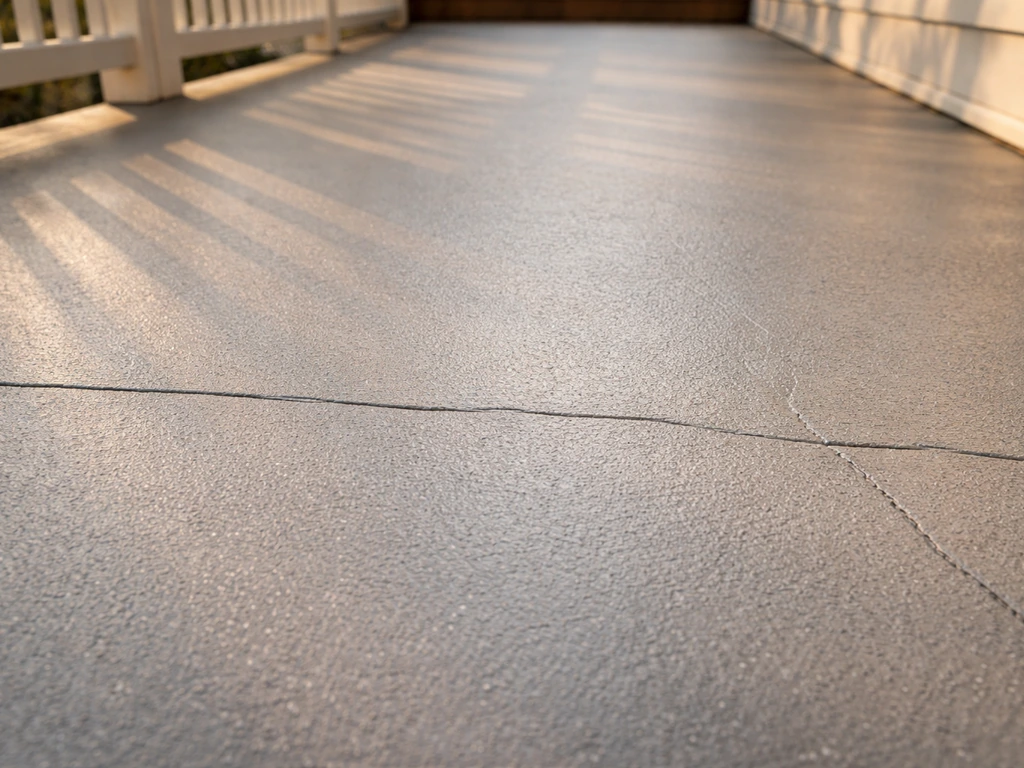
The anti-skid variants (including the Heat Relief Anti-Skid Enamel) add real traction texture and UV protection, making them the smarter choice for steps, ramps, pool decks, and any surface that gets wet. If you skip proper prep, though, every version in the lineup will peel. That's the honest summary before we get into the details.
What Valspar porch and patio paint is actually designed for

The Valspar porch, floor, and patio paint family is built for outdoor horizontal surfaces that take foot traffic: wood porch floors, concrete patios, brick, steps, walkways, and primed metal railings. It's not a deck stain and it's not a sealer. Think of it as a durable floor enamel that gives you color plus a protective surface layer.
The lineup breaks down into a few distinct products. The standard Interior/Exterior Latex Porch, Floor & Patio Enamel is the entry point, available in satin and gloss. The Anti-Skid Latex Paint adds inert traction material (similar to sand or fine aggregate) and is specifically designed for concrete, asphalt, walkways, tennis courts, pool decks, and steps. The top of the line is the Porch, Floor & Patio Anti-Skid Enamel with Heat Relief Technology, which adds UV-resistant protection engineered to reflect heat and keep the surface cooler underfoot. That last one is the one I'd steer most people toward if they're in a hot southern or western climate.
On the surface type question: concrete and wood both work, but they require different prep. Concrete needs cleaning, degreasing, and etching before paint. Old or badly worn wood needs spot priming first. If you're painting over an existing coating, that coating needs to be clean, dull, and fully adhered or the new paint will fail, no matter how good the product is.
Climate matters too. In humid southeastern states, moisture from below concrete slabs causes more peeling failures than anything else. In Texas or Arizona, UV degradation and surface heat are the bigger enemies, which is where that Heat Relief version earns its keep. In northern climates with freeze-thaw cycles, the flexibility of a 100% acrylic formula (which Valspar's anti-skid line uses) holds up better than oil-based enamels under repeated expansion and contraction.
What reviewers actually like about Valspar porch paint
Durability gets mentioned consistently in positive reviews, especially when people followed the prep instructions. The latex formulas hold up well to normal foot traffic for multiple seasons when applied correctly over clean, dry surfaces. Coverage is generally good: the stated 400 sq. ft. per gallon is realistic on smooth concrete, though rougher or more porous surfaces will eat more paint.
The anti-skid version gets specific praise for traction. People report walking on it in damp conditions and not slipping, which matters a lot on front porch steps or pool-adjacent concrete. The texture feels intentional rather than gritty and unpleasant, and it doesn't obscure the color.
Appearance is another positive. The color selection is broad since Valspar allows tinting into most of its color library, and the satin and gloss finishes both look clean and finished on concrete and wood. The gloss holds up to cleaning better; the satin is more forgiving of surface imperfections.
- Solid coverage at up to 400 sq. ft. per gallon on smooth surfaces
- Good traction on the anti-skid variants, noticeable even when the surface is wet
- Color options are wide since it can be tinted across Valspar's regular palette
- Low VOC (under 50 g/L for latex) makes it easier to work with and less smelly
- Heat Relief version specifically praised in hot climates for keeping surfaces cooler
- Holds up well to foot traffic when surface was properly prepped before application
The complaints worth taking seriously
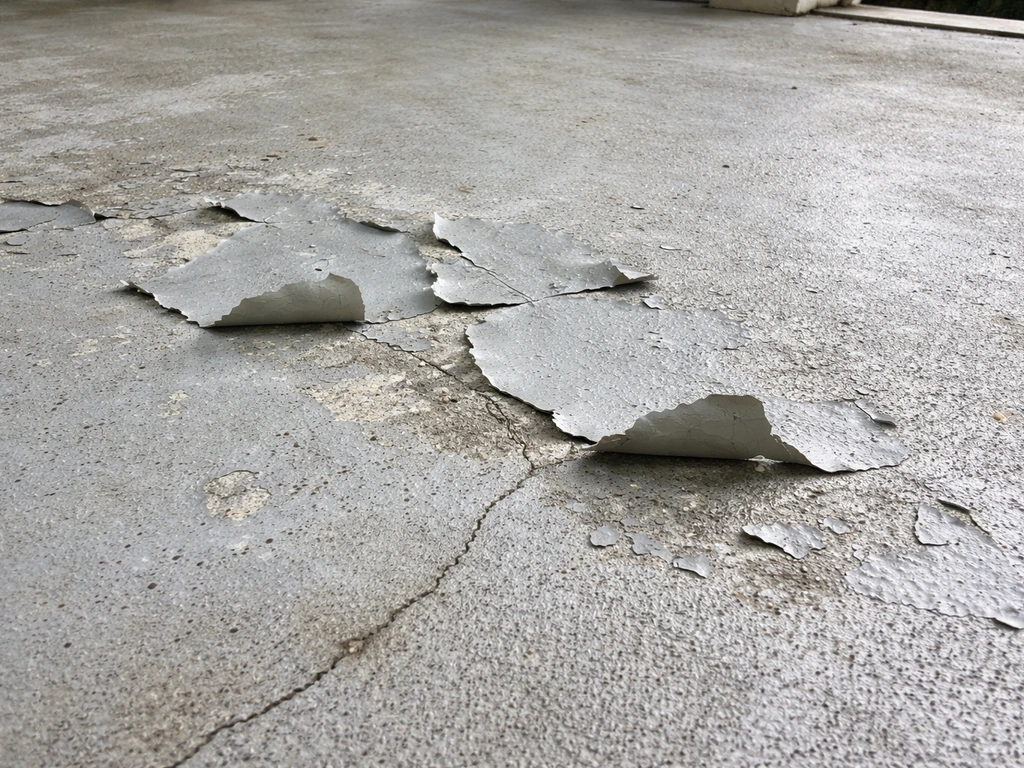
Peeling is the most common complaint, and in almost every case it traces back to prep. Concrete that wasn't etched, surfaces that had moisture coming up from below, or painting over a previous coating that wasn't fully adhered, those are the root causes. One Reddit user described going through multiple layers of Valspar porch paint and still ending up with cracking, peeling, and smearing when wet. The paint didn't fail because of the formula. It failed because the substrate wasn't ready.
Slipperiness on the standard (non-anti-skid) gloss finish is a real concern. The regular gloss version gets slippery when wet, especially on smooth concrete. If your porch is exposed to rain or you live somewhere with morning dew, skip the standard gloss and go straight to an anti-skid formula. For more buying guidance and performance expectations, see our home porch and patio kits reviews for what to choose based on your surface and climate.
Uneven texture on the anti-skid paint is another documented issue. After two coats, some users report patchy aggregate distribution, where the texture looks lumpy or inconsistent in spots. This usually happens when the paint is applied too thick in one pass or the roller isn't kept moving at a consistent pace.
Fading over time is mentioned in humid or high-UV climates. The standard latex version fades faster than the Heat Relief formula. If your patio gets direct afternoon sun all summer, the premium anti-skid enamel with UV protection is worth the extra cost.
Moisture is the biggest wildcard. Concrete slabs that sit on grade can wick moisture from the soil beneath them, and no paint will stick long-term to concrete with active moisture transmission. A simple test: tape a piece of plastic sheeting flat to the bare concrete for 24 hours. If moisture condenses under it, you have a vapor transmission issue that needs to be addressed before you paint anything.
Prep is where most projects succeed or fail
I can't say this enough: for porch and patio floor paint, 80% of the outcome is in the prep. The paint itself is only as good as what it's sticking to.
- Test for moisture transmission first by taping a 12x12 inch plastic sheet to the bare surface for 24 hours. Moisture under the plastic means you need to address drainage or use a moisture-tolerant primer before proceeding.
- Clean the surface thoroughly. For concrete, degrease with a TSP substitute or dedicated concrete cleaner. For wood, sweep and scrub off any mold, mildew, or dirt. Valspar specifically calls for cleaning and degreasing before application.
- Etch bare concrete with a diluted muriatic acid solution or a commercial concrete etcher. This opens the surface pores so the paint can bond. Rinse thoroughly and let it dry completely, typically 24 to 48 hours depending on temperature and humidity.
- Spot-prime badly worn, bare wood or any areas that are raw and uncoated. Valspar's own instructions call for priming these spots before applying finish coats.
- If you're painting over existing paint, it must be in good condition, firmly adhered, and dull. Lightly sand or scuff-sand glossy areas so the new coat can grip. Scrape off anything that's flaking.
- Check the weather forecast. You need a 3 to 4 day window with no rain and temperatures staying between 50 and 90°F (10 to 32°C) during application and curing.
How to apply Valspar porch paint and get a good result
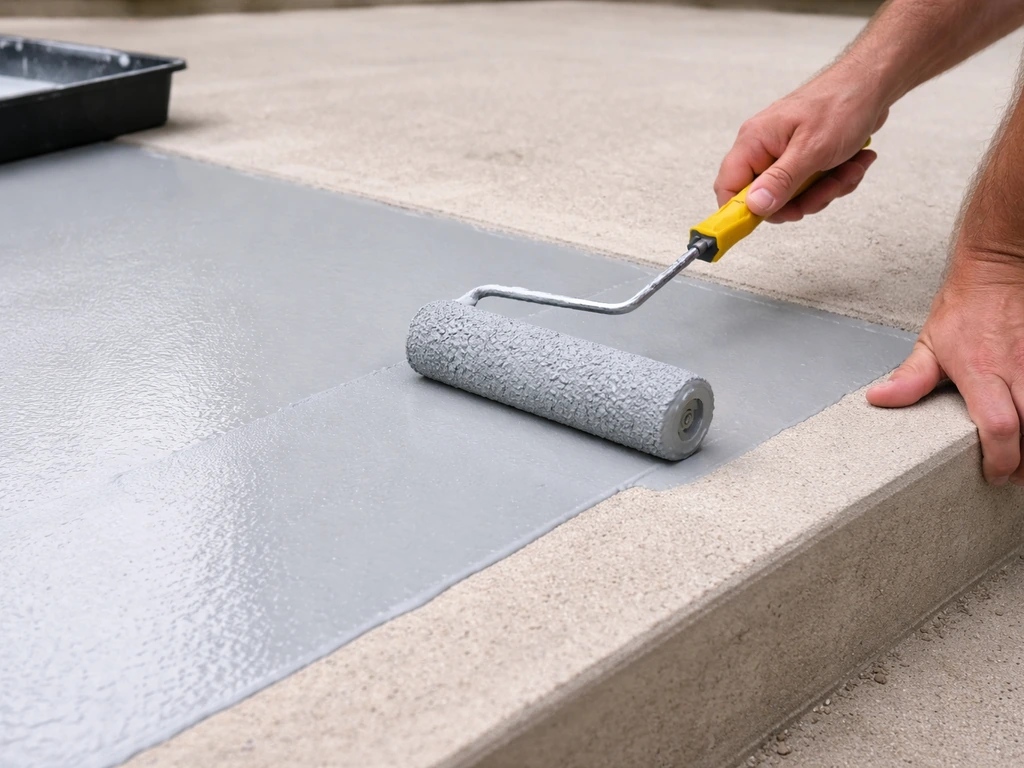
For the standard latex version, Valspar actually recommends thinning the first coat: add 1 pint of water per gallon for the first application on bare concrete. This helps the paint penetrate the surface rather than just sitting on top. The second coat goes on full-strength. Recoat time on this thinned-first-coat version is 4 to 6 hours, which is faster than the standard 24-hour recoat on the other products, so plan your day accordingly.
For the anti-skid and Heat Relief versions, the recoat window is 24 hours, and you want to give each coat that full time before adding the next. Valspar’s Porch, Floor & Patio Paint , Oil Gloss PDS lists recoat time of 24 hours, specifies an application temperature range of 50 to 90°F (10 to 32°C), and shows substantially higher VOC than latex, with VOC under 400 g/L recoat window is 24 hours. Two coats is the standard recommendation. Don't rush it in cooler weather; low temperatures extend dry time, and applying a second coat too soon traps moisture.
Tools that make a difference
- Use a 3/8-inch nap roller for smooth concrete and a 1/2-inch nap for rougher or textured surfaces
- A long-handled roller frame is worth it for any area larger than a bathroom, your back will thank you
- Cut in edges and corners with a 3 to 4 inch brush before rolling the main field
- For the anti-skid versions, keep the roller moving at a consistent speed to avoid piling texture in one area; this is what causes the uneven-aggregate look people complain about
- Valspar also sells an Anti-Skid Floor Texture Additive that you can mix into standard porch paint if you want traction without buying the dedicated anti-skid formula
Sheen and finish: what to choose
Gloss looks sharp and cleans up easily, but it's the most unforgiving of surface imperfections and gets slippery when wet. Satin is the better all-around choice for most porch floors because it hides minor surface flaws, still looks clean and painted, and is less slick. If slip resistance is a priority (steps, ramp areas, anywhere that gets wet), go directly to the anti-skid formulas rather than trying to add traction to a gloss finish.
Picking the right Valspar product and how it stacks up against competitors
Here's how the main Valspar options compare to each other and to the competition on the factors that matter most for a porch or patio floor project.
| Product | Best For | Traction | VOC | Key Note |
|---|---|---|---|---|
| Valspar Latex Porch, Floor & Patio (Satin/Gloss) | Wood and concrete porches, basic finishing | Low (gloss is slippery when wet) | <50 g/L | First coat thinned 1pt/gal; 4-6hr recoat |
| Valspar Porch, Floor & Patio Oil Gloss | High-gloss decorative finish on wood | Low | <400 g/L | High VOC; 24hr recoat; avoid if you want low fumes |
| Valspar Anti-Skid Latex Paint | Steps, ramps, pool decks, walkways | High (sand/aggregate texture) | Low acrylic | 100% acrylic; works on concrete and asphalt |
| Valspar Anti-Skid Enamel with Heat Relief | Hot climates, sun-exposed patios, steps | High (textured) + UV shield | Low acrylic | Best for TX/AZ/FL; keeps surface cooler |
| Behr Premium Porch & Patio Floor Paint | Broad surface compatibility | Moderate | Low | Comparable coverage and recoat times; worth comparing |
| Sherwin-Williams ResuGrip 075 | Commercial/high-traffic anti-slip floors | Very high | Varies | Overkill for most residential patios; higher price |
My recommendation for most homeowners: if you're in a hot or humid climate, get the Heat Relief Anti-Skid Enamel. It handles UV degradation, gives you traction, and the price difference over the standard latex is modest. If you're in a cooler climate with covered porches and you just want a clean, durable painted floor, the standard latex satin version at 400 sq. ft. per gallon is a good, practical choice. Skip the oil gloss for outdoor use unless you specifically need that very high sheen; the VOC is significantly higher and the cleanup is more involved.
It's also worth looking at what Behr offers in the porch and patio paint category before you commit, since coverage specs and recoat times are comparable and pricing at the big box stores often favors one brand over the other depending on current promotions. If you want another brand to compare side-by-side, check Behr porch and patio paint reviews for coverage, recoat timing, and durability. Other options in the anti-slip coating space, including products from Olympic, are worth a look if your climate throws particularly harsh conditions at your patio year-round. If you are comparing brands for traction, Olympic patio coatings are often included in deck and patio coating reviews.
DIY vs. hiring a pro: how to decide
Painting a porch or patio floor is one of the more DIY-friendly projects in outdoor home improvement, but there are real situations where hiring a pro makes sense.
When DIY makes total sense
If your surface is in decent shape, it's just faded or you want a fresh color, and you have a free weekend with good weather in the forecast, this is a solid DIY project. A gallon of Valspar porch paint runs roughly $30 to $45 depending on the product line. A standard 200 sq. ft. porch takes one gallon comfortably. Add a roller, a brush, some concrete cleaner, and a concrete etcher, and you're looking at around $60 to $90 all-in for materials. That same job would run $200 to $400 hired out in most markets. The labor savings are real, and the skill required is low.
When a pro is worth it
If you have active moisture coming up through the concrete slab, significant cracking, or a previous coating that's failing in multiple spots, a pro can diagnose and address those substrate issues properly. If you've already had a porch floor paint peel once, it's almost always a prep or substrate problem, not a product problem, and a pro will spend more time and attention on those steps than most DIYers do. Large areas (400+ sq. ft.
), multi-story porches with lots of rail and trim work to cut around, and projects in homes with older lead-paint history are also good candidates for professional help. Expect to pay $1. 50 to $3. 00 per sq.
ft. for a porch floor painting project with proper prep in most regions.
Your next steps today
- Do the plastic sheet moisture test on your bare concrete today before buying anything. It takes 24 hours and costs nothing, and it tells you whether you have a problem that paint alone can't solve.
- Measure your porch or patio and note whether it's wood or concrete, covered or exposed, and whether it gets direct sun in the afternoon. That combination tells you which Valspar product to buy.
- Pick up the Heat Relief Anti-Skid version if you're in a hot, sun-heavy climate or if the surface is used for steps or areas that get wet. Get the standard latex satin if it's a covered porch in a mild climate and traction isn't a concern.
- Check Lowe's and your local hardware store for current pricing. Lowe's carries the Heat Relief version; regional stores often stock the standard latex.
- Set a realistic weather window: three to four days with no rain, temps staying between 50 and 90°F, ideally with low humidity if you can manage it.
- If your surface has active peeling, cracking, or you've repainted it before and had it fail, get a local contractor estimate before you do another coat. One pro prep job is worth more than three rounds of DIY repainting.
FAQ
Can I use Valspar porch floor and patio paint over an existing painted surface?
Yes, but only if the surface is properly conditioned first. Valspar porch, floor, and patio enamel is a coating, not a stain or sealer, so you should remove loose paint and contaminants, dull glossy coatings, and address any active moisture before painting. If you can’t confirm the old layer is fully adhered, expect a higher chance of peeling even with the anti-skid options.
What should I do if my porch gets slippery when it rains?
For best traction, don’t try to “fix” slip resistance by adding an extra coat of standard gloss. If wet footing is your main concern, buy the anti-skid (or Heat Relief anti-skid) from the start, because traction additives are built into the formulation and texture. Also keep the finish thickness consistent, too-thick application can cause lumpy aggregate distribution.
If I do the plastic sheeting test and it shows moisture under the concrete, should I still paint?
The plastic sheet test described (24 hours of sealed plastic on bare concrete) is the right first step. If you see condensation or moisture buildup, you likely have vapor transmission and painting will fail sooner. In that case, you need to stop the moisture source or use a system designed for wet concrete, not just a different topcoat.
Can I paint in cool weather and still get good results?
Yes, but temperatures matter for drying and adhesion. Apply only within the label temperature range (the standard line is designed for about 50 to 90°F), and don’t rush coats in cooler weather. Low temps can extend dry time and increase the risk of trapping moisture between coats, which then shows up as soft spots, bubbling, or later peeling.
Will tinted colors fade the same as the factory colors?
Tinting is generally fine, but expect color to influence perceived heat and fading. Lighter colors tend to show less visually noticeable wear, and the Heat Relief anti-skid is specifically helpful in high sun exposure. If you’re already worried about UV and sun load, prioritize the UV-focused product rather than assuming any tint will hold up the same.
Do I really need two coats of Valspar porch floor paint?
You’ll usually need two coats, even if coverage looks good after one, because porch floors take abrasion and standing water exposure. The article also notes a special “thinned first coat” approach for the standard version on bare concrete, then full-strength for the second coat, which helps penetration and reduces early failure.
How long should I wait before walking on it or letting rain hit the surface?
After application, allow a full cure period before heavy foot traffic, moving furniture, or wet exposure. Recoat timing tells you when to apply the next layer, but it doesn’t mean the coating has reached full hardness. A practical rule is to treat the floor gently after recoating and avoid washing or exposing it to rain until it’s fully cured.
Why does the anti-skid texture sometimes look patchy or lumpy?
If aggregate texture looks uneven, check application technique first: keep a consistent roller pace, avoid overloading the roller, and don’t back-roll the same area repeatedly. Applying too thick in one pass is a common cause of patchy or lumpy traction. If you notice it after drying, correct by following the product’s recoat approach, not by trying to “spot fix” texture mid-coat.
Does the 400 sq. ft. per gallon coverage apply to brick and other porous surfaces?
You can paint brick, but porous surfaces commonly require extra cleaning and possibly more coverage than the stated rate. Expect higher paint consumption on rough or absorbent brick and consider sealing issues if the surface is dusty or contaminated. If coverage seems low at first, it often isn’t a formula problem, it’s the substrate absorbing product.
When is hiring a pro for porch floor painting actually worth it?
A pro is especially worth it if you have active cracking, visible moisture coming through, or a prior coating failing in multiple locations. These conditions are substrate and moisture problems, not just cosmetic ones. Large areas, multi-story setups with lots of cutting in, or homes with older lead-paint history are also common triggers for hiring help.