
Smart Seal Patio Perfect is a water-based acrylic non-slip coating designed to protect, refresh, and add color to concrete patios and pool decks. It works on sprayed, patterned, or bare concrete surfaces, goes on in two coats, covers roughly 80 to 125 square feet per gallon depending on how porous your surface is, and the manufacturer says it lasts up to four years. If your concrete patio is looking faded, worn, or slippery, it is a legitimate product that can do what it claims. Whether it is worth buying for your specific situation depends on your climate, your surface condition, and how realistic your expectations are going in. If you are comparing options, looking at the best patio coating for your surface and climate will help you choose one that lasts.
Smart Seal Patio Perfect Reviews: Worth It? Pros, Cons, Fit

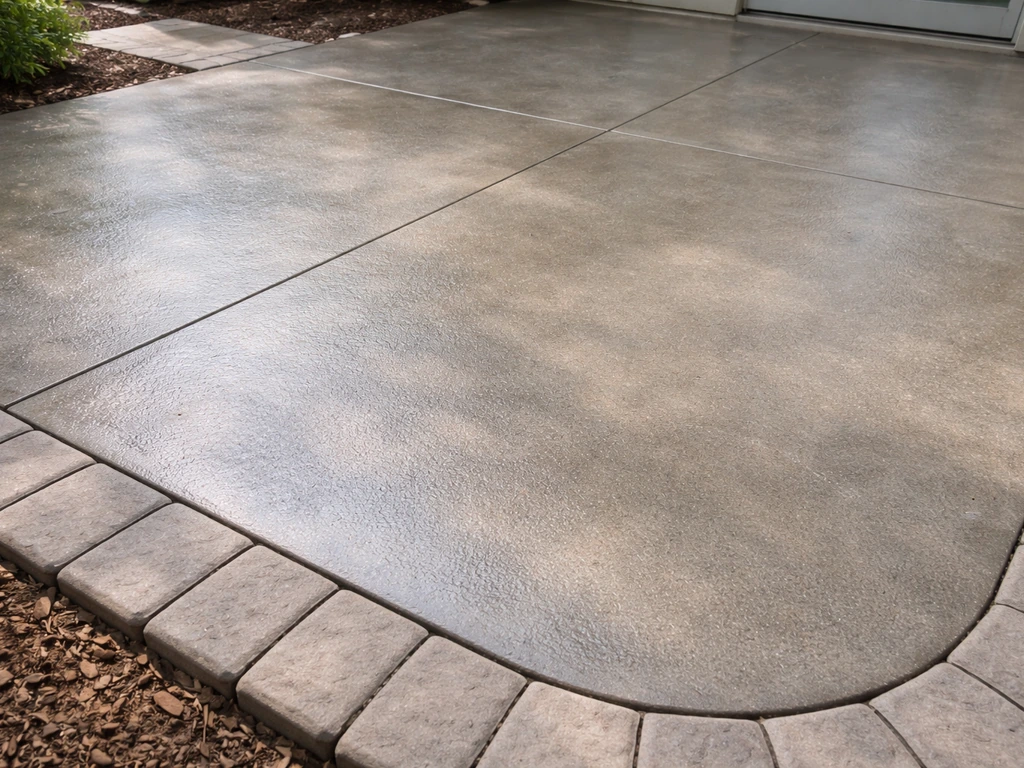
What Smart Seal Patio Perfect actually is
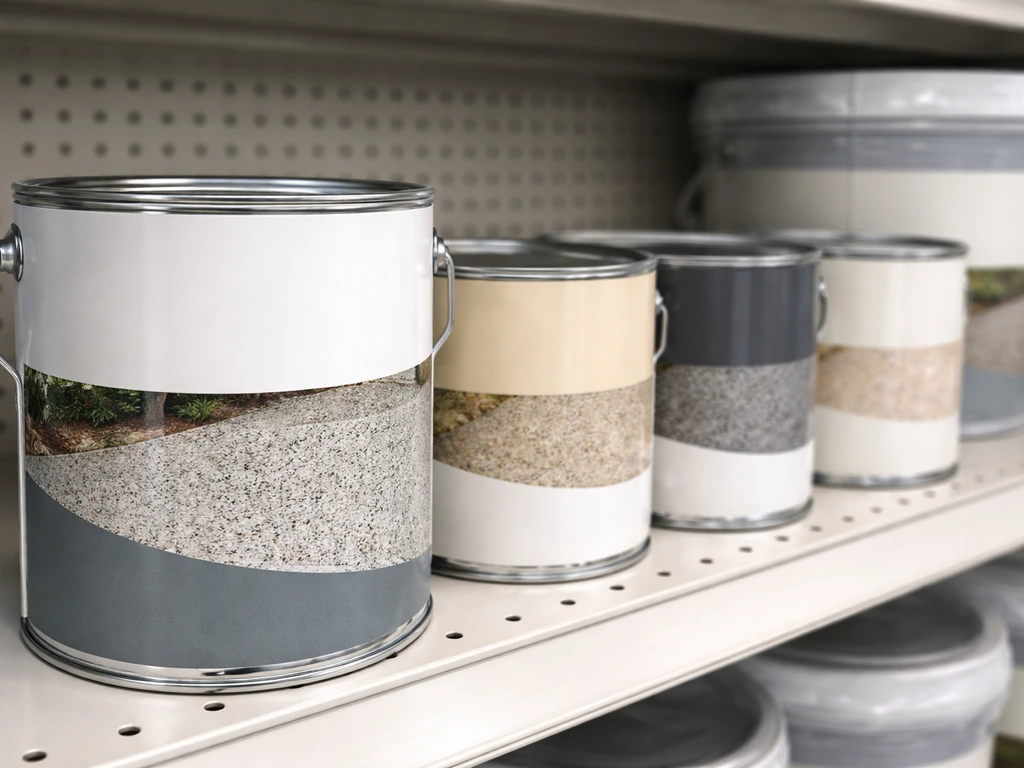
Patio Perfect is manufactured by Smart Seal (sold under Kelley Technical Coatings) and sold through pool supply retailers like Leslie's, InTheSwim, Pool Supplies Canada, and Club Piscine. It shows up in pool supply channels because it was originally formulated for concrete pool decks, but it works just as well on standard backyard patio slabs. The product is a water-based, non-slip acrylic deck paint, not a penetrating sealer. If you are searching for the best patio sealant UK options, this type of surface coating is a different category from traditional penetrating sealers, so make sure it matches your patio needs acrylic deck paint. That distinction matters. A penetrating sealer soaks into the concrete and protects from within. Patio Perfect sits on top as a pigmented coating layer, which means it adds color and a textured non-slip finish, but it is also more susceptible to surface peeling if prep work is skipped.
The product is available in gallon and 5-gallon containers across multiple color SKUs including Prairie Sand, Honey Mist, Stone Creek, and Smooth Cream. Smart Seal’s SDS notes multiple Patio Perfect variants under the same product family, shown as different named/color options on the SDS site blank" rel="noopener noreferrer">multiple color SKUs including Prairie Sand, Honey Mist, Stone Creek, and Smooth Cream. Smart Seal SDS documentation is provided for multiple Patio Perfect variants, with variant-specific product naming (for example, “SMART SEAL PATIO PERFECT HONEY MIST”) blank" rel="noopener noreferrer">multiple color SKUs including Prairie Sand, Honey Mist, Stone Creek, and Smooth Cream. Every application requires two coats, not one. The manufacturer labels it a 'Water Base Non-Slip Coating' and claims it provides protection from wear, weather, and UV damage. The non-slip texture is built into the coating itself, which is a genuine safety feature on wet pool decks and slick morning patios.
One thing to clarify upfront: some people searching 'Smart Seal Patio Perfect reviews' are looking for reviews of a patio cover or shade system. If you are specifically searching for Thompson patio sealer reviews, focus on sealer-style products and real customer feedback for that brand Smart Seal Patio Perfect reviews. This is not that. There is no canopy, pergola, or structural component here. Patio Perfect is purely a surface coating product. If you are shopping for shade or climate control, that is a separate conversation involving patio covers, misters, or fans.
What homeowners tend to like about it
The honest challenge with Patio Perfect reviews is that major retail pages (Leslie's, Pool Supplies Canada) show little to no user reviews at the time of writing. Several listings show 'Be the first to leave a review,' which makes a typical crowd-sourced review synthesis impossible. What we do have is the manufacturer's own technical data, clear application instructions, and the real-world patterns that come up with similar acrylic deck coatings in this category. Here is what users and contractors in this space consistently report as wins:
- Fresh appearance on aged concrete: an acrylic pigmented coating like this covers staining, efflorescence, and the general graying that happens to pool decks after a few summers
- Non-slip texture: the built-in grip is a real safety upgrade, especially for wet surfaces around pools or in rainy climates
- Easy water-based cleanup: rollers and tools rinse clean with water, which makes the DIY process significantly less messy than solvent-based alternatives
- Can apply to damp surfaces: unlike some coatings that require bone-dry concrete, Patio Perfect allows application on slightly damp surfaces, which helps in humid regions
- Color variety: multiple SKUs let you match or update your existing outdoor color scheme rather than being stuck with clear or gray
- UV protection claim: the acrylic formula does resist fading better than bare concrete left to bleach out in direct sun
What homeowners complain about
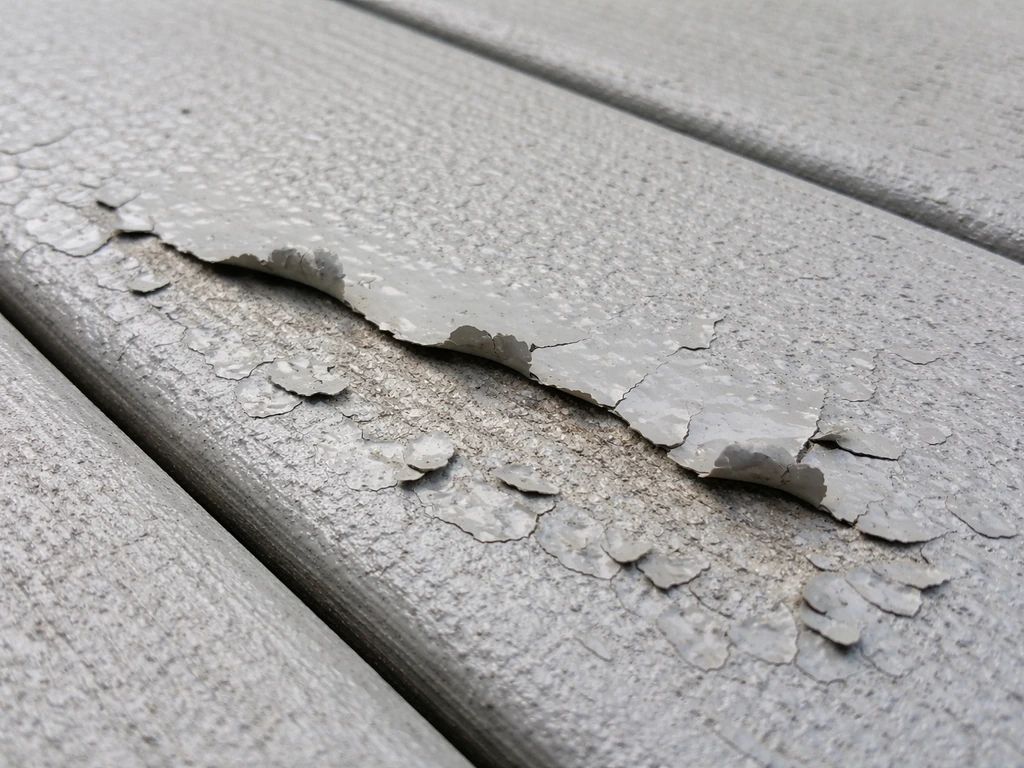
The complaints that surface with acrylic deck coatings like Patio Perfect are consistent across the category, and they are worth taking seriously before you buy.
- Peeling and flaking within the first season: almost always tied to inadequate surface prep. Any glossy areas must be sanded, and any existing peeling paint must be fully removed before you apply a new coat. Skip that step and you are repainting in six months.
- Limited longevity in freeze-thaw climates: the 30-day limited warranty (per Pool Supplies Canada) is short, and the manufacturer warranty explicitly does not cover ice damage. If you live somewhere with real winters, this coating is not a set-it-and-forget-it solution.
- Coverage math surprises: the coverage listed as 100 to 125 sq ft per gallon assumes a somewhat sealed surface. On a rough or porous slab, you can easily drop to 80 sq ft per gallon and burn through more product than budgeted.
- Recoat timing pressure in heat: above 80°F (28°C) you need to wait only 4 hours between coats, but below that you should wait overnight. In cooler climates that can stretch a two-day project to three days if weather shifts.
- Minimum temperature limit: do not apply below 50°F (10°C) air or surface temperature. Fall and spring application windows in northern states are narrow.
- Not a penetrating sealer: homeowners expecting it to seal concrete from moisture intrusion below the slab are going to be disappointed. It protects the surface, not the substrate.
- Thin manufacturer warranty: 30 days against manufacturing defects with labor, water loss, and incidental damage explicitly excluded is not reassuring for a product expected to last four years.
How it holds up in different climates and on different surfaces
Climate is probably the biggest variable in how long Patio Perfect actually lasts. The four-year claim is realistic in stable, warm-climate regions. In harsh environments, expect to revisit it sooner.
| Climate / Region | Expected Performance | Key Considerations |
|---|---|---|
| Hot and dry (Arizona, Texas, Nevada) | Good durability; UV resistance is beneficial | Apply early morning to avoid rapid drying issues; concrete surface temps can exceed air temp significantly |
| Humid subtropical (Florida, Gulf Coast) | Good adhesion on damp surfaces is an advantage; mildew risk if surface prep is incomplete | Thorough cleaning before application is critical; inspect for algae and mold first |
| Moderate temperate (Pacific Northwest, Mid-Atlantic) | Solid performance; most forgiving climate for application windows | Watch for early fall temperature drops that push surface temp below 50°F |
| Freeze-thaw (Midwest, Northeast, Colorado) | Reduced longevity; ice damage voids warranty; coating can crack and peel with repeated freeze-thaw cycles | Plan for touch-ups or full recoats every 2 to 3 years rather than 4 |
| Pool deck specifically | Designed for this; non-slip texture and UV resistance perform well around chlorinated water | Do not apply through standing water; let the deck dry to damp-not-wet before rolling |
On surfaces, the product is specified for sprayed and patterned concrete and standard concrete slabs. It is not intended for pavers, natural stone, brick, or wood decking. If your patio is a mix of materials, you will need a different product for the non-concrete sections. On previously painted concrete, the coating will adhere to most existing paints, but glossy areas need to be sanded first, and any peeling sections stripped completely. Using Smart Seal's own Prep Wise cleaner and etcher beforehand (diluted at 1 gallon Prep Wise to 2 gallons water for approximately 400 square feet of bare concrete) gives the best adhesion foundation.
DIY vs. hiring a pro: what the job actually involves
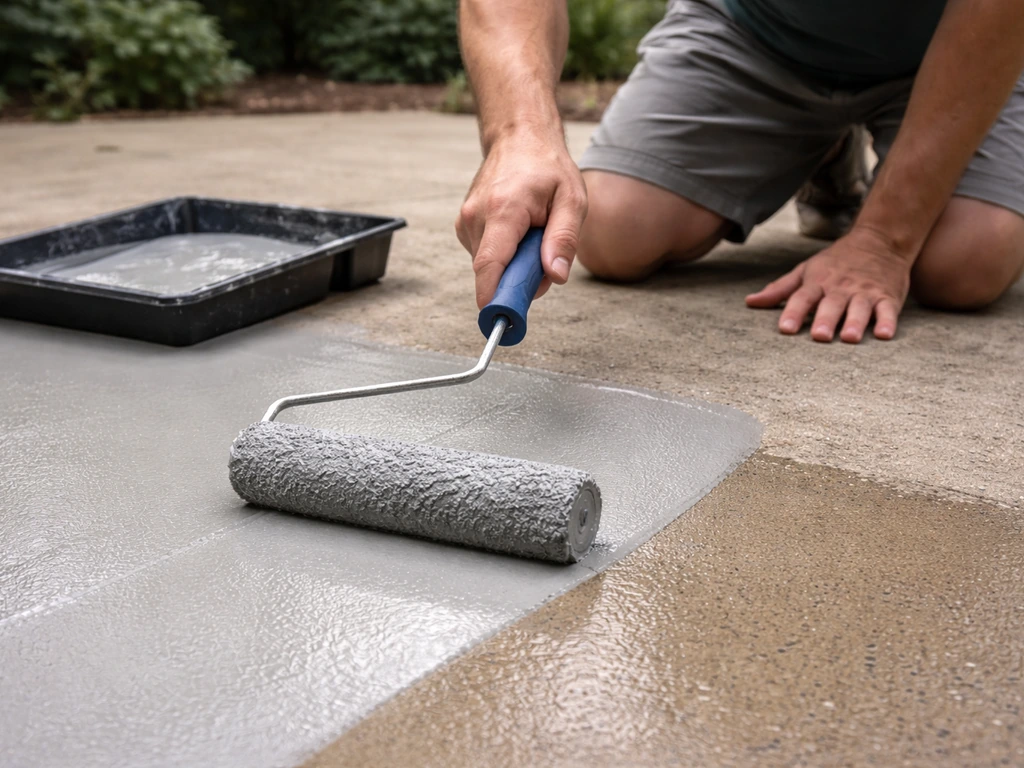
This is genuinely a DIY-capable product, but 'easy' depends on how honest you are about surface prep. The coating itself rolls on without special equipment. What separates a job that holds for four years from one that peels in one season is everything you do before you open the can.
Tools and materials you will need
- 1/2-inch nap roller for smooth surfaces, 3/4-inch nap roller for rougher textures
- Roller frame, extension pole, paint tray
- Smart Seal Prep Wise (or equivalent concrete cleaner/etcher) and a garden sprayer for application
- Stiff-bristle scrub brush
- Pressure washer or hose for rinsing
- Protective gloves and eye protection (Prep Wise contains phosphoric acid)
- Painter's tape for edges
- Enough Patio Perfect for two full coats (calculate square footage, divide by 80 for porous surfaces, 100 to 125 for denser concrete)
The realistic timeline
- Day 1 morning: clean and etch the surface with Prep Wise, scrub, rinse thoroughly, let dry
- Day 1 afternoon or Day 2 morning (surface must be fully dry or just damp, no puddles): apply first coat
- Wait 4 hours if above 80°F, overnight if below 80°F, then apply second coat
- Stay off the surface for 24 to 48 hours after the final coat before foot traffic
A 200 to 300 square foot patio is realistically a weekend project for one person. The dry-to-touch time of one hour is quick, but do not rush the foot traffic window. Walking on it too early is one of the most common reasons DIY coatings fail early. If you are hiring a contractor, the job itself is straightforward enough that any experienced deck coating applicator can handle it. Ask specifically about their surface prep process, whether they etch or just pressure wash, and whether they do two full coats. Those are the questions that separate a quality job from a one-season paint job.
How long it lasts and when to plan for rework
The manufacturer's four-year claim is achievable in the right conditions. Based on how acrylic deck coatings perform in practice, here is a realistic maintenance framework:
- Year 1 to 2: minimal maintenance needed if surface prep was done correctly; occasional rinsing to remove dirt and algae buildup
- Year 2 to 3: inspect for thin spots, fading, or areas where the coating is wearing through; light traffic areas near furniture or grills tend to show wear first
- Year 3 to 4 (warm climates) or Year 2 to 3 (freeze-thaw climates): plan for a maintenance recoat; the manufacturer allows recoating over existing Patio Perfect as long as peeling areas are removed and glossy spots are sanded
- At any point: if you see peeling lifting at the edges, address it immediately rather than waiting for the next season; moisture gets under lifted coating and accelerates failure
- Recoat coverage: the second-coat coverage rate of approximately 125 sq ft per gallon (maintenance coats over existing coating tend to absorb less) helps keep recoat costs lower than initial application
The 30-day warranty is essentially a manufacturing defect warranty, not a performance guarantee. Do not buy this product expecting warranty support if it wears in year two. The longevity is entirely dependent on application quality and climate.
Alternatives worth considering and whether you should buy
Patio Perfect competes directly with other acrylic deck paints and concrete coatings. If you are also researching other options, products like Thompson's WaterSeal concrete coatings and other branded patio sealers operate in the same category, each with their own prep requirements and longevity claims. If you are comparing different approaches, the best patio sealers for your concrete will depend on whether you need waterproofing, color, and slip resistance branded patio sealers. Penetrating sealers are a different class entirely: they do not add color or a non-slip layer, but they protect the concrete matrix from moisture intrusion rather than just coating the surface. If your goal is purely waterproofing rather than appearance, a penetrating sealer is worth comparing directly.
If your patio needs more than a surface refresh, like shade, heat reduction, or weather protection from above, surface coatings do not help with any of that. Patio covers, pergolas, and shade structures solve a completely different set of problems that Patio Perfect is not designed to address.
Should you buy Smart Seal Patio Perfect? A quick decision checklist
Work through this before you add it to your cart:
- Is your surface concrete (sprayed, patterned, or plain slab)? If yes, compatible. If it is pavers, stone, brick, or wood, look for a product formulated for those materials.
- Is the existing surface peeling, flaking, or heavily contaminated? If yes, commit to full prep including etching, scrubbing, and removing all loose material before you buy the coating.
- Is your climate a freeze-thaw zone (temperatures below freezing in winter)? If yes, plan for a 2 to 3 year cycle rather than 4 years and understand ice damage is not covered by warranty.
- Is the air and surface temperature reliably above 50°F during your application window? If no, wait for warmer weather.
- Do you want color and a non-slip finish, or just clear moisture sealing? If color and grip are the goals, Patio Perfect fits. If you want a clear penetrating sealer, look at that category instead.
- Do you have a full weekend to do the job correctly, including prep day? If yes, this is a solid DIY project. If you are looking for a one-afternoon fix, the prep requirements make that unrealistic.
- Is your budget in the range of $30 to $50 per gallon covering 80 to 125 square feet? Calculate your square footage, divide by 100 as a middle estimate, double it for two coats, and make sure the math works for your patio size before buying.
If you checked yes on most of those, Patio Perfect is a reasonable buy for a concrete patio refresh. It is not a miracle product and the warranty is thin, but applied correctly on a well-prepped concrete surface in a moderate climate, it does what it advertises: it freshens the appearance, adds non-slip safety, and protects the surface from UV and wear for a few seasons. Go in with realistic expectations, do not skip the Prep Wise step, and buy slightly more product than your math says you need to account for surface porosity variation. That is the honest bottom line. If you are also weighing options like Rob Parkers best patio sealer recommendations, focus first on whether you need a true penetrating sealer or a surface coating for your exact patio material and condition.
FAQ
Can I use Smart Seal Patio Perfect on pavers, stone, or wood?
Yes, but only if it is truly on concrete. Patio Perfect is meant for sprayed or patterned concrete and standard concrete slabs, so it will not be appropriate for pavers, natural stone, brick, or wood deck sections. If your patio has mixed materials, plan on using a different product just for the non-concrete areas to avoid mismatched wear and traction.
I have painted concrete, can I just pressure wash and apply Patio Perfect?
Do not rely on pressure washing alone. Glossy or previously sealed concrete often needs sanding to create a dull profile, and any peeling paint must be removed down to sound material before coating. Skipping these steps is a common reason acrylic deck coatings peel early.
What should I do if the first coat looks uneven or doesn’t bond well?
If you see a film that is too smooth or uneven before it fully cures, it usually means the surface was not properly etched or the first coat was not rolled evenly. The practical fix is to let it cure fully, then address adhesion issues before adding or recoating, since coating over loose or chalky spots typically leads to patchy lifting.
Is one coat enough if I’m just refreshing color?
Two coats are required, not one. Also, staying within the stated coverage range matters because under-coverage can leave weak spots that wear off sooner, especially on high-traffic areas near the steps and pool entry points.
How long until it’s safe for people to walk on Patio Perfect?
The “dry-to-touch” time is not the same as being ready for foot traffic. A common early-failure pattern is walking on the surface too soon, so use the manufacturer’s foot-traffic guidance and keep shoes or moving furniture off until the coating has fully set.
Will rain runoff or pooling water affect how long it lasts?
If your patio slopes toward a pool or door, focus on managing runoff. Acrylic coatings can show wear patterns where water is consistently pooled or repeatedly directed, and those areas also become more noticeable in texture and color over time.
Does moisture get absorbed into the concrete with Patio Perfect like a penetrating sealer?
It can, because acrylic deck coatings are not penetrating sealers. Patio Perfect sits on top as a pigmented layer, so if water manages to get trapped behind failing edges, peeling can spread from those points. This is why thorough prep and edge detailing matter.
How does climate change the 4-year claim?
Color can fade or dull sooner on surfaces with intense sun exposure and in climates with freeze-thaw cycles. The product’s claimed longevity is most realistic in stable, warm regions, so in colder or highly seasonal areas, recoat planning should start earlier.
Can I apply Patio Perfect over an existing acrylic deck coating?
Yes, but only when the old coating is sound. If prior coating is flaking, sanding to feather edges and removing peeling sections is usually necessary, otherwise the new layer can lift in sheets. If the existing surface is still bonded and not glossy, you may need less aggressive prep, but testing adhesion in a small area is smart.
Does the non-slip texture stay effective long-term?
Expect it to be a safety texture, not a permanent anti-slip guarantee. The non-slip feel comes from the coating’s texture, but wear, foot debris, and algae growth can reduce traction over time, so plan for cleaning and inspection rather than assuming it stays equally grippy forever.
Is the warranty a real protection if it wears out early?
Be careful with warranty expectations. A short warranty is typically aimed at manufacturing issues, not performance after normal wear. Treat it as a safety net only for early defects, and base your expectations on prep quality and climate instead.
What’s the best way to prep glossy or chalky concrete before coating?
Most likely, if the old surface is stable and you address gloss and peeling spots. For glossy concrete, sanding is the key step mentioned in the article, then you use the cleaner and etcher process to promote adhesion. If the old surface is still tacky, chalky, or actively peeling, you should not proceed without resolving that.
How do I calculate how much product I need if my concrete is porous?
Yes, and it helps to buy slightly more than your estimate because porosity changes coverage a lot. If you end up short, color and texture can vary between batches or incomplete edges, and patchy recoats often show up quickly in sun and traffic lanes.
How do I decide between Patio Perfect and a penetrating sealer?
If you’re choosing between Patio Perfect and a penetrating sealer, match the goal. Use Patio Perfect for a colored refresh and built-in traction, but if your main objective is moisture intrusion protection without color, a penetrating sealer is the better category choice.