
Thompson's patio sealer works well on wood and is decent on some masonry surfaces, but if you're expecting a streak-free, glossy wet look on a concrete or paver patio, it's a mixed bag at best. The UK-specific 'Patio & Block Paving Seal Wet Look' is purpose-built for patios and genuinely delivers a wet look finish on block paving and flagstones. The US 'WaterSeal Multi-Surface Waterproofer' is primarily a waterproofer, not a decorative coating, and applying it to concrete in hot weather or too heavily is the single biggest reason homeowners end up with sticky, blotchy, or streaky results. Knowing which product you actually have in your hands makes all the difference.
Thompson Patio Sealer Reviews: Wet Look Buying Guide

Elise Prescott
24 Jun 2026
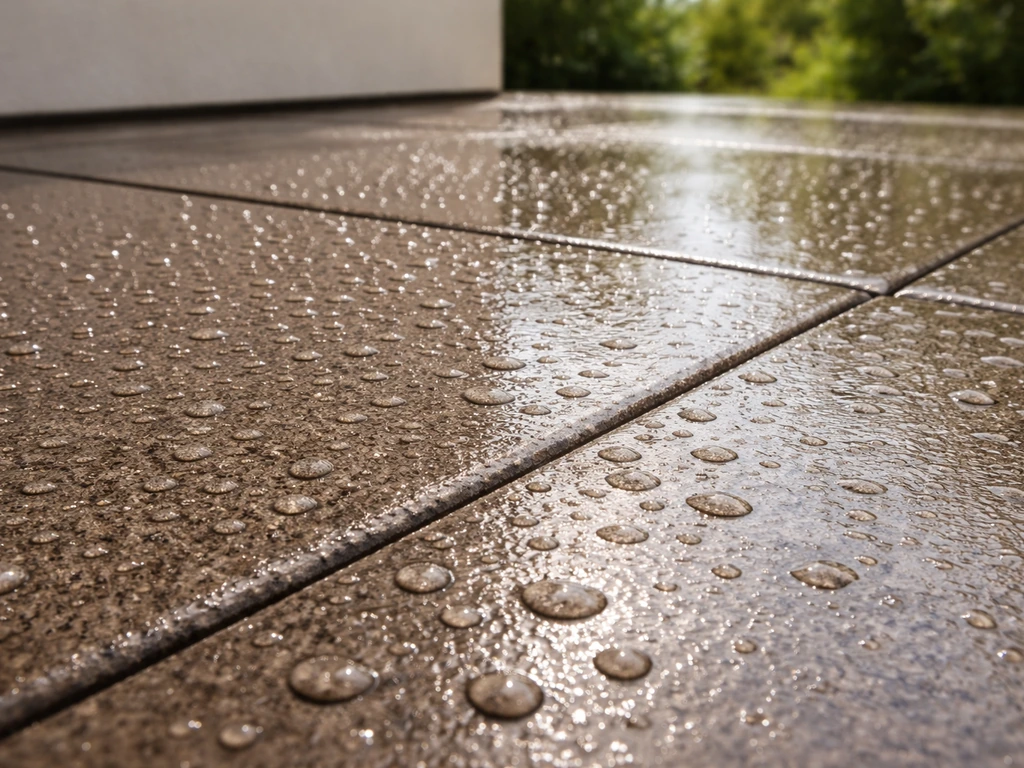
Is Thompson's patio sealer worth it?
For most US homeowners with a concrete or stamped concrete patio, the honest answer is: only if you manage the application carefully. The WaterSeal Multi-Surface Waterproofer does bead water effectively and protects against moisture penetration when applied correctly with one thin coat. Where it falls apart is when people apply it like a decorative coating, expecting a rich, glossy finish. It's not designed for that. The complaints showing up consistently on Lowe's reviews and Reddit threads, such as tacky surfaces, white splotches, black streaks, and blotchy discoloration, are almost all application errors compounded by unrealistic expectations. On wood decking and timber surfaces adjacent to your patio? It performs noticeably better. On bare brick or pavers? It can work, but you need to match the right product to the surface. For UK homeowners, the dedicated Patio and Block Paving Seal Wet Look is a legitimately good product for that glossy finish on block paving, and the two-coat recommendation with a 4-hour recoat window makes it easier to work with.
Wet look vs. standard: which Thompson's product are you actually buying?
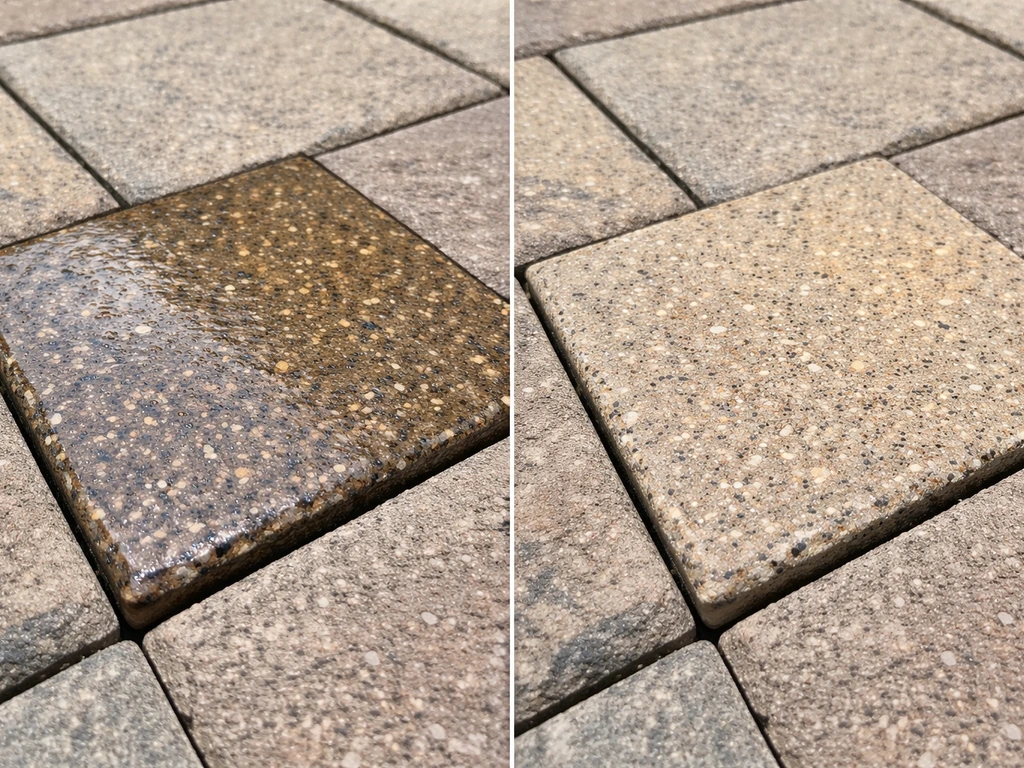
This is where a lot of confusion starts. Thompson's makes several different products that get lumped together under the 'patio sealer' label, and they behave very differently.
| Product | Market | Finish | Primary Surface | Coats Recommended | Dry/Recoat Time |
|---|---|---|---|---|---|
| WaterSeal Clear Multi-Surface Waterproofer | US | Clear (no gloss) | Concrete, brick, wood | 1 (light coat) | 24-72 hrs dry; 72 hrs to recoat |
| Patio & Block Paving Seal Wet Look | UK | Wet look / gloss | Block paving, flagstones | 1-2 | ~1 hr dry; 4 hrs to recoat |
The US WaterSeal product applies milky white and dries clear. That's it: clear. There is no gloss, no wet look sheen, no color enhancement. If you're buying it for a decorative finish, you'll be disappointed. It's a functional waterproofer. The UK Patio and Block Paving Seal Wet Look is a genuinely different formulation sold with a satin-gloss finish in mind, applied with a brush or long-pile roller, and it's what people usually mean when they search for 'Thompson's wet look patio sealer. For many patios, the best patio coating is the one designed for your specific surface and finish goals. ' If you're in the US and want a wet look finish on pavers or concrete, Thompson's WaterSeal line probably isn't your answer, and the alternatives section below covers what to use instead.
How it performs by surface type and patio conditions
Concrete patios
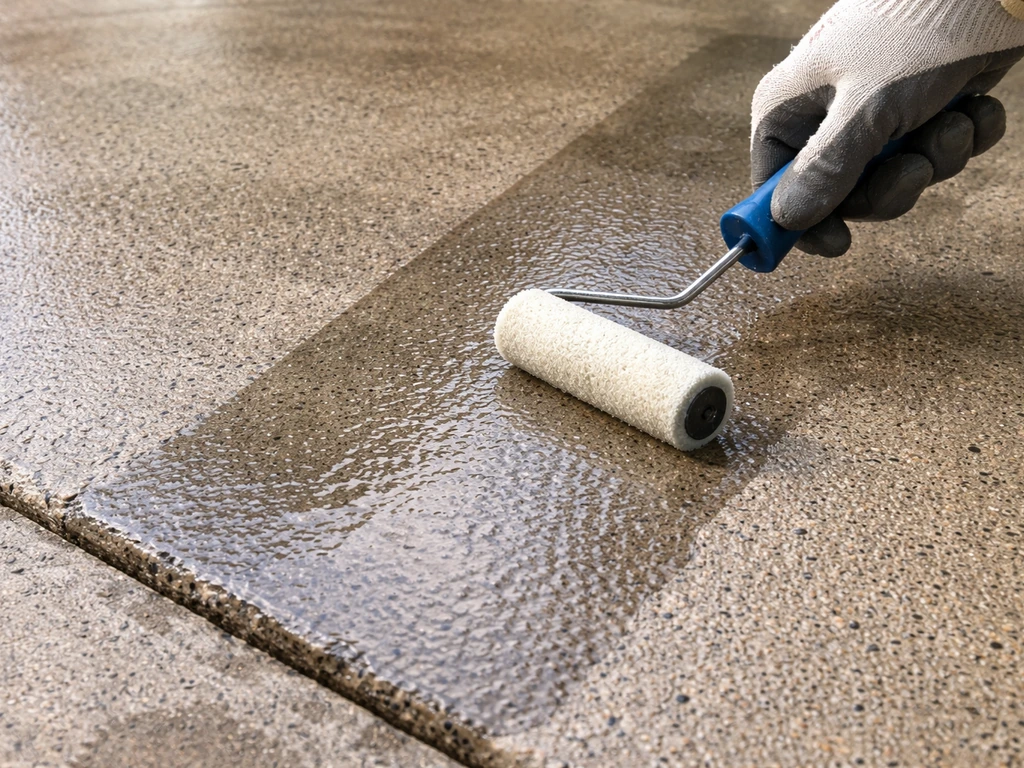
This is where Thompson's WaterSeal gets the most complaints. Concrete is highly variable in porosity, which means coverage can swing wildly from 50 to 375 square feet per gallon depending on the slab. Older or more porous concrete sucks the product in unevenly, leaving you with dark streaks and patches where absorption was inconsistent. In high temperatures, say 90°F and above, the product doesn't cure evenly and can stay tacky for well beyond 48 hours. At least one reviewer reported their concrete still felt sticky two full days after application in summer heat. On smooth, sealed, or painted concrete, the product can pool, bond poorly, and peel. If your concrete is in good shape, bare, and you're in a moderate climate, you can get decent waterproofing results with one very light coat. But for appearance, it won't transform the look of your slab.
Pavers and block paving
The UK Patio and Block Paving Seal Wet Look is genuinely suited for this surface. Block paving and flagstones absorb the product at a more consistent rate, and the wet look finish enhances color well. For US homeowners using the WaterSeal product on pavers, results are more mixed because you're using a product not specifically formulated for decorative finish work on masonry. The water repellency is real, but the finish often looks uneven.
Stamped concrete
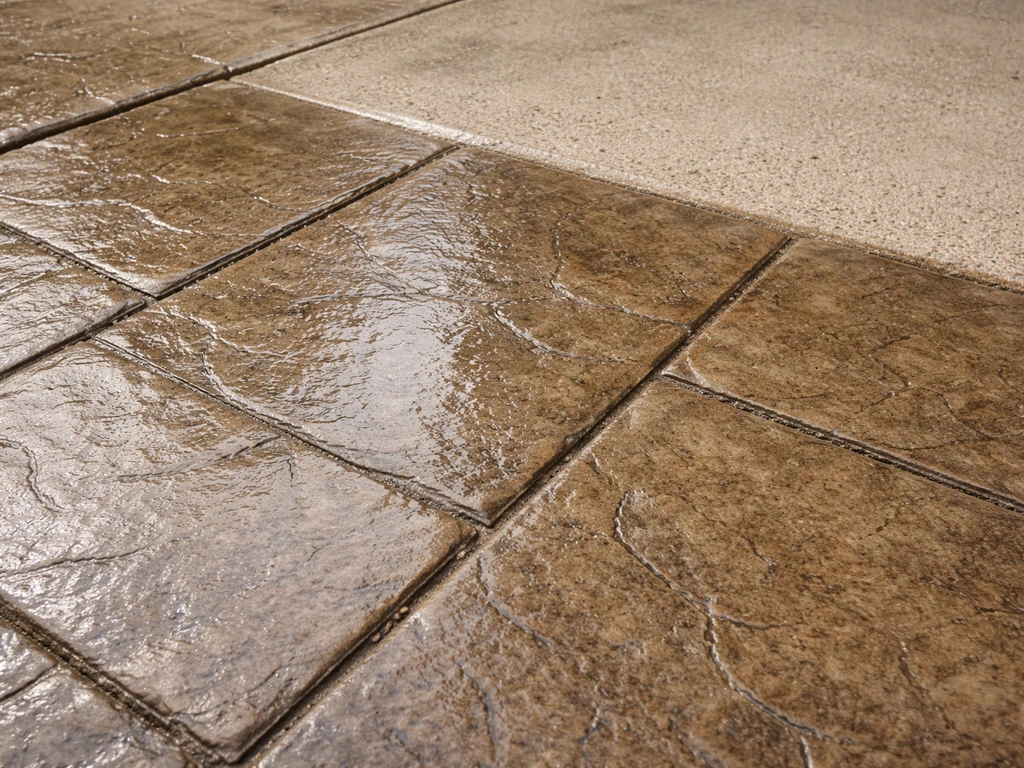
Stamped concrete is tricky because it already has an integral color and often an existing acrylic sealer on top. Applying Thompson's WaterSeal over an existing acrylic coating is asking for trouble. The products aren't compatible, and you'll get peeling and flaking within a season. If the stamped concrete has never been sealed or the old sealer has been fully stripped, a thin coat of WaterSeal can add some moisture protection, but it won't enhance the color the way a dedicated stamped concrete sealer would.
Brick
Brick responds reasonably well to Thompson's WaterSeal for basic waterproofing. The porous, rough surface absorbs the product more uniformly than smooth concrete, and the clear finish doesn't look strange on brick. Just don't expect a wet look. If there's existing efflorescence or mold on the brick, prep is non-negotiable or you'll seal the problem in.
Climate and weather conditions
Climate is arguably as important as surface type. In hot, humid climates like the Southeast US, the product cures slowly and is prone to tacky results and blotching. In dry, moderate climates (Pacific Northwest outside of rain season, or mild Midwest spring days), it performs much better. Freeze-thaw climates are where a good waterproofer earns its keep, but you need to apply in a window where temperatures stay above 50°F for a full 48 hours after application, which narrows your seasonal window considerably in Minnesota or Colorado. In the UK, the recommended minimum application temperature is 10°C (50°F), and the guidance to apply on a dry day above that threshold applies equally to both UK and US products.
How to prep, apply, and get the best result
Surface prep (don't skip this)
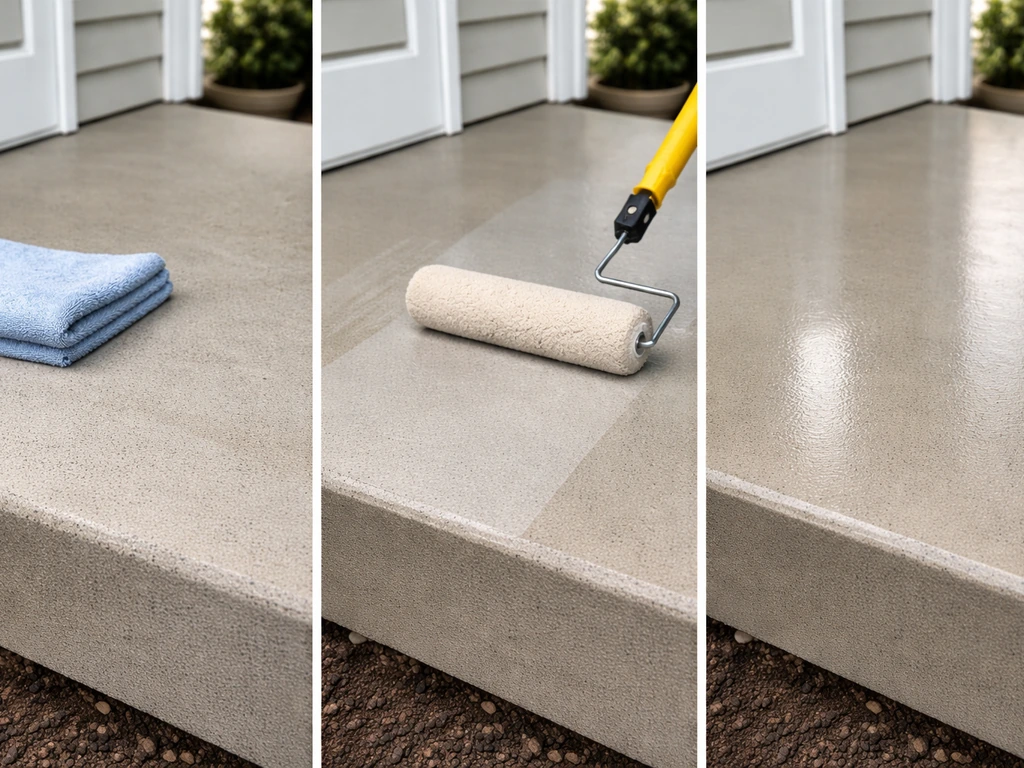
Most failures come from poor prep. The surface needs to be genuinely dry, not just surface dry. Wait at least 24 hours after rain before applying, and if you've pressure washed or used a cleaner, wait until the surface is completely dry, which can take 48 hours or longer depending on the substrate. If there's mold, algae, or moss on the surface, use a dedicated patio cleaner first and rinse it off thoroughly. Oil stains on the patio need a degreaser before sealing because the sealer won't bond over oil. Fill any cracks or damaged areas before sealing so you're not trapping moisture under the product. Test adhesion if the surface has ever been previously sealed by dripping water on it: if it beads immediately, the old sealer is still active and you'll need to strip it or you'll get peeling.
Application: how to avoid streaks, haze, and tackiness
- Check the forecast. Do not apply if rain is expected within 24 hours, and confirm temperatures will stay above 50°F (10°C) for at least 48 hours after you finish.
- Apply in the cooler part of the day. Early morning is ideal. Avoid midday sun in summer because the product evaporates unevenly in heat and is far more likely to streak and stay tacky.
- Use a long-pile roller or a pump sprayer for large concrete areas. A brush works for block paving and tighter areas. Roll or brush in one direction and maintain a wet edge to avoid lap marks.
- Apply one light coat for the WaterSeal US product. Thin is critical. Puddling means you've applied too much and you need to spread it out or wipe it back within 15 minutes. Puddles left to cure are exactly what creates the white blotchy patches and black streaks in reviews.
- For the UK Patio and Block Paving Seal Wet Look, apply two coats on rougher or more porous surfaces. Wait 4 hours between coats.
- Do a small test patch first in an inconspicuous area. Leave it to cure fully before committing to the whole patio. This tells you whether the surface is compatible and gives you a preview of the final look.
Drying and cure times
The US WaterSeal Multi-Surface Waterproofer takes 24 to 72 hours to dry, and the recoat window opens at 72 hours and closes at 45 days. Don't walk on it until it feels fully dry to the touch, and keep pets and furniture off for at least 48 hours. If it still feels tacky after 48 hours and temperatures have been adequate, you've likely applied too much. The UK Patio and Block Paving Seal dries in around 1 hour under normal conditions and can be recoated after 4 hours, making it a much more workable product for a day's project.
The real pros and cons, including the complaints
| Category | Pros | Cons |
|---|---|---|
| Water repellency | Effective beading effect when applied correctly | Inconsistent on highly porous or previously sealed concrete |
| Ease of application | DIY-friendly, widely available at Lowe's and Home Depot | Very sensitive to over-application; thin coat is harder to judge than people expect |
| Finish appearance (US WaterSeal) | Dries clear without changing color | No gloss or wet look; can leave white splotches if pooled |
| Finish appearance (UK Wet Look) | Genuine wet look / gloss enhancement on paving | Darkens some surfaces more than expected; not reversible without stripping |
| Slipperiness | Minimal change on rough surfaces | Glossy finish on smooth concrete or pavers can become slippery when wet; grip additive recommended |
| Tackiness | Not an issue with correct single thin coat in moderate temps | Persistent tackiness reported in heat above 90°F or when overapplied; can last days |
| Peeling/flaking | Rare on bare, compatible surfaces | Common when applied over existing acrylic sealers or incompatible coatings |
| Streaking | Avoidable with proper application technique | Frequently reported on concrete when product isn't spread fast enough or in heat |
The slipperiness issue is worth flagging specifically because it's a safety concern, not just an aesthetic one. If you're applying any glossy or wet look sealer to smooth concrete or polished pavers, add a grip additive to the mix or choose a product with a built-in anti-slip option. The UK product in particular, being a gloss finish, can make surfaces noticeably more slippery when wet. Don't skip this step if you have kids, elderly family members, or if the area gets wet regularly.
How long it lasts and when to recoat
Under good conditions and with correct application, Thompson's WaterSeal waterproofing performance on concrete and masonry typically holds for one to three years. The product doesn't advertise a specific lifespan for patio surfaces, and real-world results vary a lot based on traffic, UV exposure, and climate. In freeze-thaw climates like the upper Midwest or mountain states, the waterproofing layer takes more abuse and needs more frequent attention, roughly every one to two years. In drier, milder climates, you can stretch to three years. The tell-tale sign it's time to recoat is water no longer beading on the surface. Do a simple splash test every spring: if water absorbs into the surface instead of beading up, it's time. The US product recoat window is between 72 hours and 45 days after the original coat if you want to add a second coat; beyond that you'd be recoating as maintenance, which just means cleaning and applying a fresh coat. For the UK Patio and Block Paving Seal, the glossy finish will begin to dull over time, especially in high-UV environments, and resealing every two to three years keeps it looking fresh.
Climate-specific recoat schedule
| Climate Type | Examples | Suggested Recoat Frequency |
|---|---|---|
| Hot and humid | Florida, Gulf Coast, Southeast US | Every 1-2 years; check annually |
| Freeze-thaw | Minnesota, Colorado, Great Lakes | Every 1-2 years; apply in spring after last frost |
| Dry and mild | Southern California, Arizona (shaded patios) | Every 2-3 years |
| Temperate / UK | UK, Pacific Northwest US | Every 2-3 years; inspect annually for gloss fade |
Should you buy Thompson's, or is there a better option for your patio?
Here's how to think about this decision. If you're a UK homeowner with block paving or flagstone and you want a wet look finish, the Thompson's Patio and Block Paving Seal Wet Look is a solid, straightforward choice. Apply two coats, follow the prep steps, and you'll be happy with the result. If you're a US homeowner with a wood deck or timber areas around your patio and just need waterproofing protection, Thompson's WaterSeal Multi-Surface works well, is easy to find, and is affordable. If you're a US homeowner with a concrete patio and you want a decorative wet look or glossy finish, Thompson's WaterSeal isn't your product. You'd be better served by an acrylic concrete sealer specifically formulated for a high-gloss or wet look finish on concrete, many of which are available at the same hardware stores. If your stamped concrete already has a sealer on it, skip any product that isn't compatible with existing acrylic coatings and look at dedicated stamped concrete sealers or penetrating silane-siloxane sealers instead.
It's also worth knowing that Thompson's isn't the only brand worth considering in this space. Products reviewed under best patio sealers comparisons often highlight alternatives with more consistent results on concrete specifically, so if Thompson's feels like the wrong fit after reading this, those comparisons are a useful next step. If you want the fastest way to compare options, use a best patio sealers roundup to narrow down products that match your surface and finish goals. Similarly, if you've seen recommendations for UK-specific products or want to look at higher-end options, there are dedicated patio coating reviews worth checking before you commit.
Quick decision guide
- Wood or timber patio surfaces in the US: Thompson's WaterSeal Multi-Surface Waterproofer is a reasonable, budget-friendly choice.
- Block paving or flagstones in the UK wanting a wet look: Thompson's Patio and Block Paving Seal Wet Look is purpose-built for this and worth buying.
- Bare concrete patio in the US wanting basic waterproofing only: Thompson's WaterSeal can work with a single thin coat in moderate temperatures, but manage your expectations on finish.
- Concrete or pavers in the US wanting a glossy or wet look finish: skip Thompson's WaterSeal and go with a dedicated acrylic concrete sealer or penetrating wet look sealer designed for your surface.
- Stamped concrete with existing sealer: strip the old sealer or use a compatible product from the same brand family; don't layer incompatible coatings.
- Any surface in climates with sustained summer heat above 90°F: apply very early in the morning, use a single light coat, and have a plan for if it stays tacky.
The bottom line: Thompson's patio sealer earns decent marks when it's matched to the right surface and applied correctly in the right conditions. The problems that dominate the reviews aren't usually product failures. They're surface mismatches and application mistakes, most of which are avoidable with the guidance above. Know which product you're buying, prep the surface properly, apply thin, apply cool, and do a test patch first. If Thompson's isn't the right fit for your specific patio material or the finish you're after, there are purpose-built alternatives that will serve you better. If you're hunting for smart seal patio perfect reviews, focus on reports that mention surface type, application thickness, and cure or recoat timelines.
FAQ
How can I tell which Thompson product I actually have before applying, since reviews mix them together?
Check the label and look for the finish description. The US WaterSeal product is typically labeled as a waterproofer, dries clear, and is not marketed as glossy or color-enhancing. The UK “Wet Look” version is marketed for a wet-look finish (often with a satin-gloss outcome) and is sold as a patio and block paving seal. If your bottle says “milky white” on the directions or mentions “waterproofer,” treat it as functional waterproofing, not a decorative coating.
Will Thompson’s WaterSeal give a true wet look on concrete or stamped concrete?
On bare concrete, it can improve water repellency and sometimes make spots look slightly darker, but it is not designed to produce a uniform glossy wet look. On stamped concrete that already has an acrylic sealer, applying it can cause peeling or flaking because the layers may not bond. If you want wet look on stamped concrete, choose a product specifically intended for that existing coating type.
What should I do if my concrete feels tacky after 48 hours?
A persistent tacky feel after about 48 hours in warm weather usually means too much product (or applying too thick). Let it cure without disturbing it, and avoid applying a second coat. If it remains tacky beyond the expected dry time, you may need to remove the residue and reapply lighter, or switch to a compatible product plan for your patio type.
Can I apply Thompson’s patio sealer over paint or an existing coating?
If the surface is painted or already coated with an acrylic product, compatibility is the main risk. For stamped concrete, the article recommends skipping products that are not confirmed compatible with existing acrylic coatings. If you are unsure, do a small adhesion test by applying a small spot and checking after curing. If water beads normally before application but your treated spot peels or shows uneven lifting later, stop and strip rather than keep layering.
Do I really need to do a test patch, and where should I test it?
Yes, test patches prevent the most common “white splotches,” streaking, and adhesion failures. Apply a small area in an out-of-the-way spot but where lighting is similar to the rest of the patio, since sheen differences can be obvious in sun. After curing, check for color mismatch, tackiness, and whether water beads evenly.
Is a second coat always recommended with Thompson’s products?
Not always. The UK “Wet Look” version is typically approached as a two-coat system with a recoat window, which helps achieve a more consistent finish. For the US WaterSeal waterproofing, the article emphasizes thin, one-coat application for best results on concrete. Always follow the label for your specific product, because adding extra thickness is a common cause of blotching or tackiness.
What if my patio is slightly damp, can I still seal it?
Surface dry is not the same as properly dry. Wait at least 24 hours after rain, and if you used pressure washing or cleaners, allow until the substrate is fully dry (often 48 hours or longer). If moisture is trapped, you risk uneven absorption, streaks, or failure of the bonded layer.
What’s the best way to handle algae, moss, or efflorescence before sealing?
Prep is non-negotiable. For growth, use a dedicated patio cleaner, rinse thoroughly, and let it dry completely before sealing. For efflorescence on brick, treat the root cause first and ensure it is fully resolved, because sealing over salts or active deposits can trap the problem and cause recurring discoloration.
Will Thompson’s sealer make the patio slippery?
It can, especially with wet-look or higher-sheen finishes on smooth concrete or polished pavers. If your area gets wet regularly or you want extra safety, add an anti-slip grip additive or choose a product that includes anti-slip functionality. Test traction in a small area and avoid foot traffic until the surface is fully cured.
How do I know when it’s time to recoat?
Use a simple water beading test each spring. If water stops beading and starts absorbing into the surface, it is usually time to reapply. Also consider local wear, UV intensity, and traffic, since the waterproofing can degrade faster in harsh freeze-thaw or high sun conditions.
What coverage should I expect, and why do reviews report huge differences?
Coverage depends heavily on porosity. Reviews often vary because concrete absorption changes from slab to slab, and older or rougher surfaces can swallow product faster. Plan for the lower end of coverage expectations, and measure the area carefully before committing so you do not end up applying too thick to “fix” low coverage.
What common mistakes cause the worst Thompson patio sealer reviews?
The biggest drivers are expecting a decorative wet look from a functional waterproofer, applying too thick in hot weather, sealing over contaminated surfaces (oil, algae, or salts), and applying on surfaces that are only surface-dry. Fixing these usually resolves most streaking, blotching, and tackiness complaints.