
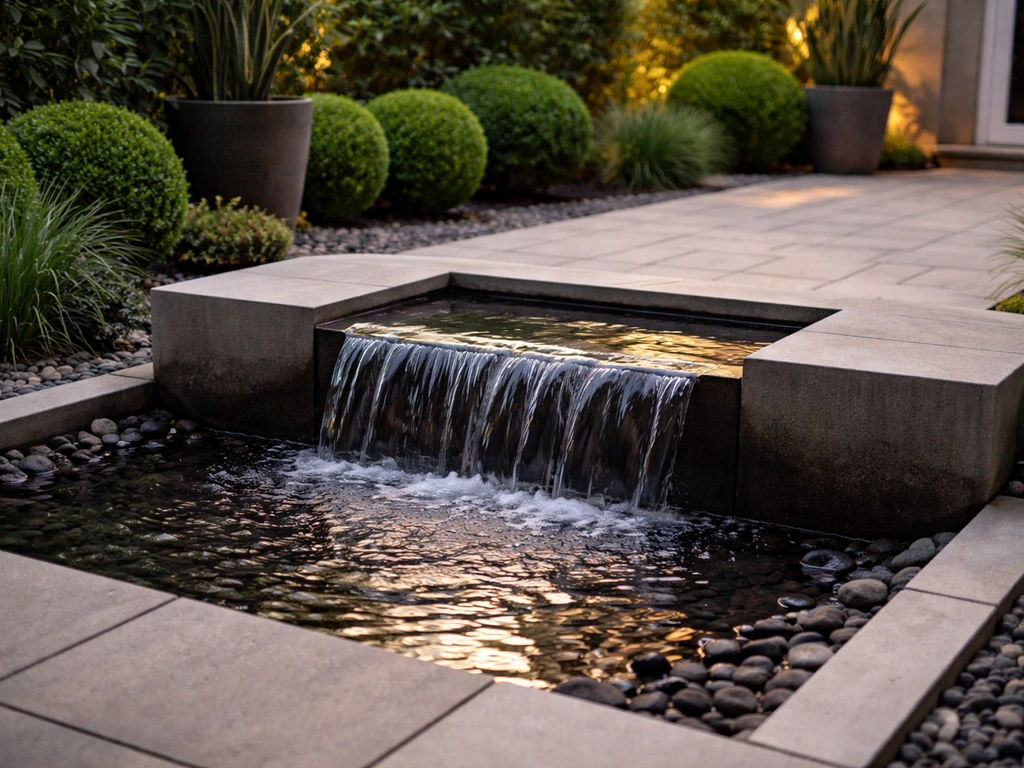
The best patio water feature for most homeowners is a pondless recirculating waterfall or wall fountain, because they stay self-contained, require no permits in most areas, run on a standard outdoor outlet, and can fit patios as small as 6 feet wide. If you're specifically shopping for the best water fountain for a patio, a pondless recirculating waterfall or wall fountain is usually the best starting point best water fountain for patio. Tabletop fountains work if you want something low-commitment and moveable. A small basin waterfall is the best upgrade if you have at least 8–10 feet of open ground and want serious sound. The right choice comes down to your available space, how much sound you actually want, your climate (especially whether you freeze), and how much time you want to spend on upkeep.
Best Patio Water Features: Choose, Size, and Install Guide

What 'best' really means for your specific patio
Before you look at a single product, nail down three things: your usable space, your actual goal for the feature, and your honest budget for both purchase and ongoing operation. These three filters will eliminate most of the wrong options fast.
Space: Measure the footprint you can dedicate to a water feature, then subtract at least 12–18 inches around the perimeter for maintenance clearance. A feature that looks great in a photo but is wedged into a corner with no room to reach the pump is going to become a headache within one season.
Goals: Are you trying to mask street or neighbor noise? Create a focal point? Add a relaxing ambient sound for evening sitting? A feature that carries sound 30–50 feet through open air (like a cascading waterfall) is completely different from a tabletop bubbler that softly fills a 6-foot seating area. Decide which problem you're solving.
Budget: Expect three budget tiers. Entry-level tabletop and small wall fountains run $50–$300 and are mostly DIY plug-in installs. Mid-range wall or spillway fountains run $300–$1,200 and may need a licensed electrician for a GFCI outlet. Custom pondless or basin waterfall builds start around $1,500 and often benefit from a professional installer. Factor in electricity (most residential pumps draw 15–150 watts) and periodic water top-offs.
The main patio water feature types and who each one suits
There are four types that make real sense for a patio setting. Here's an honest breakdown of each.
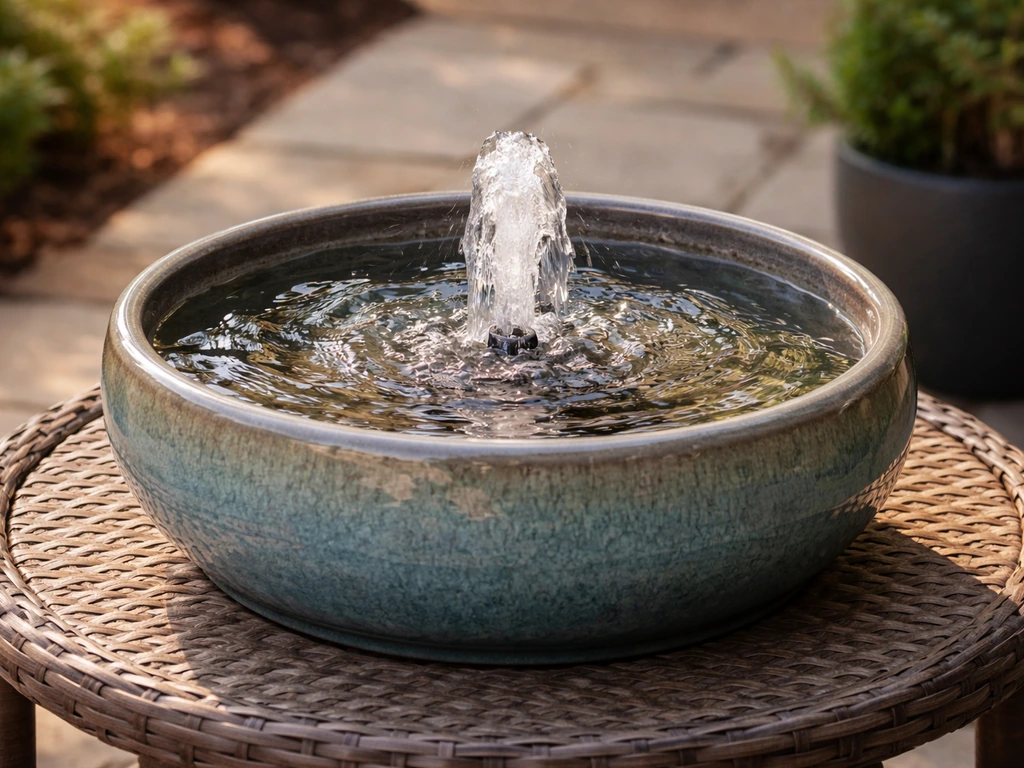
Tabletop and bubbling fountains
These are small, self-contained units that sit on a table, bench, or low stand. They run on a submersible pump fed by a standard outlet, hold a few gallons of water, and produce a gentle trickle. They're ideal for apartment balconies, small covered patios, or anyone who wants to test the waters (literally) before committing to something permanent. If you are comparing options, these compact styles are often among the best outdoor patio fountains for smaller spaces test the waters. The sound is soft and close-range, best appreciated within 4–6 feet. Keep the water level right: running low causes the motor to whine and can burn it out entirely.
Wall and spillway fountains
Wall fountains mount to a fence, exterior wall, or freestanding panel. Water spills from a spout or spillway blade into a basin at the bottom, recirculates, and repeats. These are excellent for small patios and side yards where floor space is limited but you want a real visual statement. A nearby wall or fence face also reflects the sound back toward you, which can make even a modest flow feel more immersive. A single-tier spillway is noticeably quieter than a multi-tier design of similar size, so if you want drama without too much noise, stick to a single elegant spill.
Pondless recirculating waterfalls
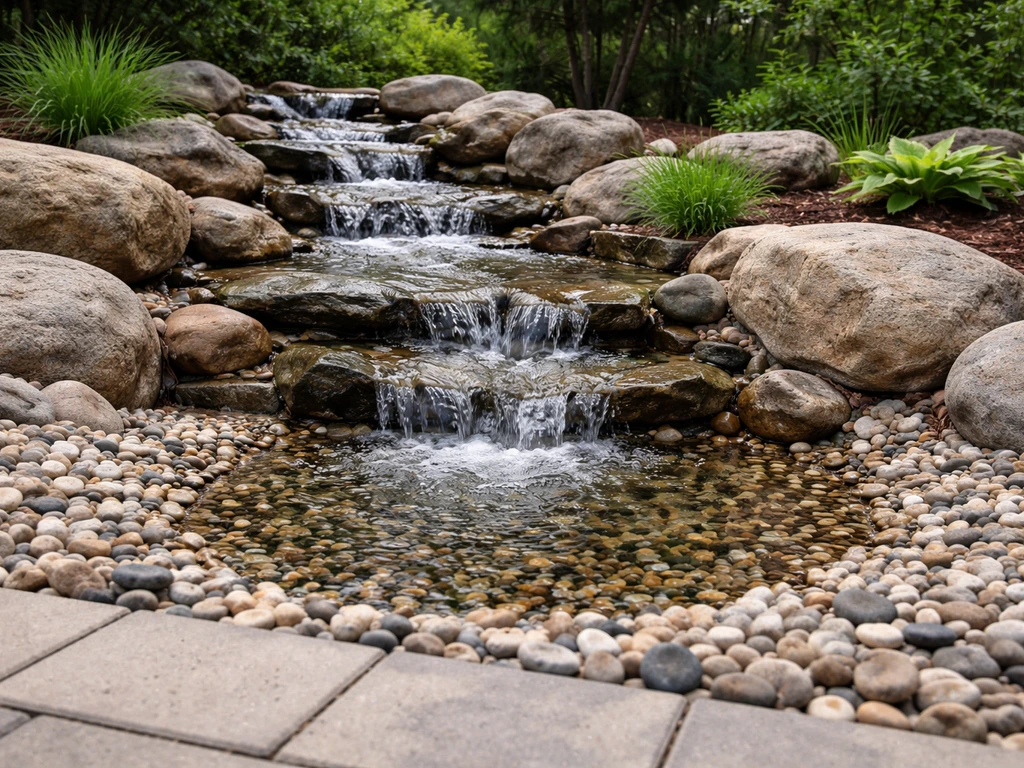
A pondless waterfall uses an underground reservoir (a vault or basin filled with gravel and a pump) with water that flows over rocks or a stream bed and disappears into the ground-level basin. There's no open pond, which means lower drowning risk, no fish to maintain, and much less algae trouble. These are the sweet spot for medium-to-large patios, especially if you want legitimate sound that fills the space. The reservoir needs monitoring: these systems should never run dry. An auto-fill float valve (roughly $30–$60 as an add-on) is worth every cent to compensate for evaporation and splash loss.
Small basin and waterfall features
These are larger freestanding or partially buried features with an open basin, a pump, and one or more waterfall tiers. They offer the most dramatic sound and visual impact and can anchor a full patio redesign. The trade-off is footprint, cost, and maintenance. An open basin means more evaporation, more potential for debris, and more frequent cleaning. They're best for homeowners with open patio space of at least 8–10 feet in one direction, who want the feature to be the centerpiece rather than a background accent.
| Type | Best For | Typical Cost (installed) | Sound Level | Maintenance Effort |
|---|---|---|---|---|
| Tabletop/Bubbler | Small patios, balconies, renters | $50–$300 | Low (close-range) | Low |
| Wall/Spillway Fountain | Small-medium patios, side yards | $300–$1,200 | Low to moderate | Low to moderate |
| Pondless Recirculating | Medium-large patios, noise masking | $800–$3,000+ | Moderate to high | Moderate |
| Small Basin/Waterfall | Large patios, focal point design | $1,500–$5,000+ | High | Moderate to high |
Sizing, placement, and getting the sound and look right
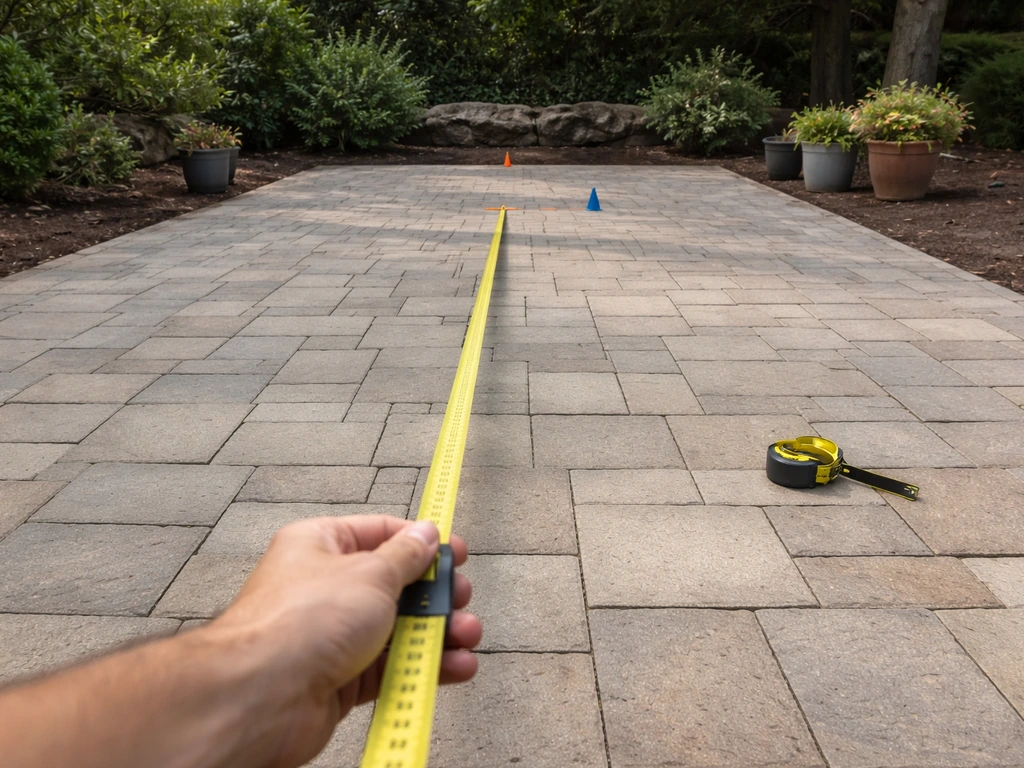
One of the most common mistakes people make is picking a fountain first and then figuring out where to put it. Do it the other way around. Stand in your patio space, decide where you want the sound to land, and then choose a feature that fits that spot. A corner placement is particularly effective: it catches sightlines from multiple seating angles and the corner walls help reflect sound back into the living area. If you are trying to choose the best patio filler, start by matching the feature type to how you want the sound and look to perform in your space water feature.
For sizing, a rough rule of thumb is that the feature's tallest dimension shouldn't exceed one-third of the surrounding fence or wall height. A 4-foot wall fountain on a 6-foot fence looks proportional. A 4-foot fountain on a 10-foot pergame post looks squat. Scale to what's behind it.
Sound travels. A cascading waterfall can carry 30–50 feet across an open yard on a calm evening, which is great for noise masking but potentially annoying if a neighbor's bedroom window is 20 feet away. If you're close to property lines or a shared fence, a single-tier spillway or bubbling urn gives you ambiance without the volume.
Before you commit to a spot, do a practical test: imagine cleaning the basin on a hot afternoon. Imagine cleaning the basin on a hot day, and plan access for maintenance at the time you choose placement. Can you reach every side without moving furniture or crawling behind a planter? Plan your 12–18 inches of clearance, and make sure the power source is close enough that you're not running a cord across a walkway or under a rug.
Aesthetically, match the material and style to your existing hardscape. If you're also planning edging, the best patio edging will help define borders, improve drainage, and keep the hardscape looking sharp for years. A sleek stainless steel spillway fits a modern concrete patio. A rough-hewn basalt column suits a zen garden or natural stone patio. Terracotta and carved limestone work well for Mediterranean or Spanish-style spaces. Resin cast to look like stone is a practical middle ground for most climates and budgets.
Materials and how they hold up in your climate
Material choice matters a lot more than most buyers realize, especially if you live somewhere that freezes.
| Material | Best Climate | Durability | Weight | Cost Range | Notes |
|---|---|---|---|---|---|
| Cast stone / concrete | Mild to moderate climates | High if sealed | Very heavy | Mid to high | Can crack in hard freezes if water is left inside |
| Natural stone (granite, basalt, slate) | All climates if drained | Very high | Heavy | High | Freeze-safe if drained; timeless look |
| Resin / fiberglass | All climates | Good | Light | Low to mid | UV can fade resin over time; easy to move |
| Metal (stainless, copper, corten steel) | Mild to moderate; covered patios | High | Moderate | Mid to high | Copper develops patina; stainless needs wipe-down in coastal areas |
| Ceramic / terracotta | Mild, dry climates only | Moderate | Moderate | Low to mid | Will crack in freeze; best for Zone 8+ or fully winterized setups |
If you're in a freeze zone (USDA Hardiness Zone 6 or below, or anywhere that regularly hits 28°F or colder), the single most important step is draining the feature completely before the first hard freeze. Water left in a basin, reservoir, or pipe will expand and crack the shell, split fittings, or destroy the pump impeller. Resin and fiberglass are the most forgiving of an accidental freeze, which is one reason they're popular in climates like the Midwest, Colorado, and the Mid-Atlantic. Natural granite and basalt survive freezes well as long as they're drained. Concrete and terracotta are the most vulnerable: even a hairline crack from a single freeze cycle will widen every year.
In hot, sunny climates like Texas, Arizona, or Southern California, UV degradation is the bigger concern. Look for UV-stabilized resin or powder-coated metal finishes. Light-colored stone or concrete absorbs less heat and resists bleaching better than dark materials in intense sun. Algae growth is also faster in warm climates, so factor that into your cleaning schedule.
Power, plumbing, drainage, and safety basics
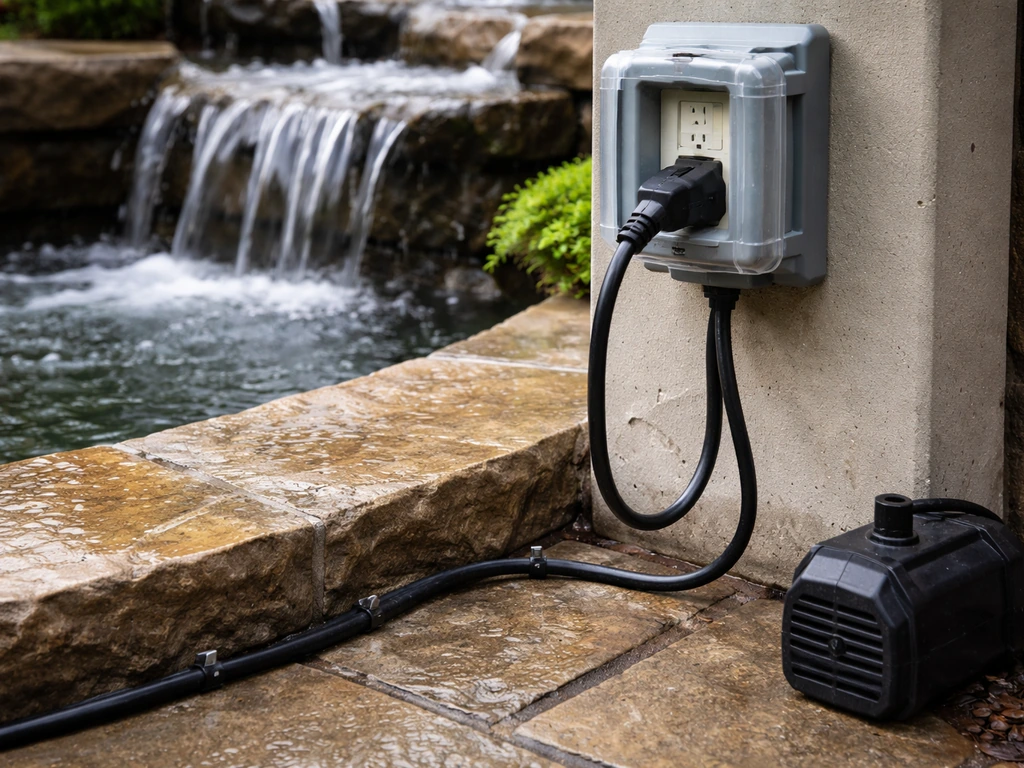
The vast majority of patio water features are fully self-contained and recirculating. They don't connect to your home's plumbing at all. The pump draws water from the basin or reservoir and pushes it back up to the top of the feature. You simply top off the water periodically as it evaporates. This is the setup you want for a patio: simple, low-risk, and no plumber required.
Electrical is the one area where you should not cut corners. Every outdoor water feature pump must be plugged into a GFCI (Ground Fault Circuit Interrupter) outlet. If you don't already have a GFCI outlet within reach, hire a licensed electrician to install one. It's typically a $150–$300 job and is non-negotiable for safety around water. Don't run extension cords across walkways or under water-prone surfaces, and never use an indoor extension cord outdoors.
In some regions, features deeper than 18 inches or those requiring direct connection to home electrical or plumbing may require a permit from your local building department. Check before you dig. This is especially true for pondless systems with buried vaults or any feature that involves trenching for conduit.
Drainage matters most for large basin features. If the basin overflows during a heavy rain, where does that water go? Ideally it drains away from your patio foundation and home. For covered patios, overflows are less of a concern, but you still need a plan for the drain path. A simple overflow port on the basin directed into a nearby planting bed is often enough.
If you have young children or pets, pondless and wall fountains are the safest options since there's no standing open water. Open basin features present a real drowning hazard for toddlers and should either be fenced, covered with a grate, or reserved for households without young children.
Maintenance, water use, and winterizing
Every water feature needs at least some regular attention. The good news is that a well-designed recirculating feature isn't much work if you set it up correctly from the start.
Weekly and monthly tasks
- Check water level every 1–2 weeks; top off as needed to prevent pump cavitation (that rattling noise is the pump running dry)
- Remove debris (leaves, twigs, bird droppings) from the basin and any screens or intake filters
- Wipe down visible surfaces with a soft cloth if mineral deposits or algae start to film over
- Check pump intake for blockages, especially after storms
Every 1–3 months
- Do a full basin drain-and-scrub: empty the water, rinse the basin walls, scrub off algae with a non-toxic cleaner or diluted white vinegar, rinse thoroughly, and refill
- Inspect the pump impeller for grit or debris and rinse it under running water
- Check all tubing connections for leaks or slippage
- Add a small amount of algaecide or beneficial bacteria product labeled safe for fountain use if algae is a persistent problem
Winterizing (freeze climates)
- Before the first predicted hard freeze (below 32°F for more than a few hours), unplug the pump
- Drain all water from the basin, reservoir, pipes, and any tubing completely
- Remove the pump, dry it off, and store it indoors in a bucket of water or dry in a cool garage (storing in water keeps the seals from drying out)
- If the basin is porous material (concrete, terracotta), cover it or move it indoors to prevent freeze cracking
- Cover resin or fiberglass features with a breathable outdoor cover to protect from UV and debris over winter
- In spring, reinstall the pump, refill, and run it for a few minutes before committing to full operation to check for any winter damage
Water use is modest for most patio features. A typical wall fountain or small basin feature loses 1–3 gallons per week to evaporation and splash in average conditions, more in hot, dry climates and less on covered patios. A pondless system with a larger surface area might lose 3–7 gallons per week in summer. An auto-fill float valve (the same basic mechanism as a toilet tank) is a smart investment for any feature you don't want to check constantly.
DIY vs. hiring a pro: what to know before you start
Tabletop fountains and most wall fountains that mount to an existing structure are genuinely straightforward DIY projects. If the outlet is already there and the feature weighs under 50 pounds, most homeowners can install it in an afternoon with basic tools: a drill, a level, appropriate wall anchors for your wall type, and a hose for the initial fill.
Pondless recirculating systems and basin waterfalls are a different story. Excavating a vault, setting the basin level, laying rock, running conduit, and dialing in the pump flow rate all take real skill. A botched pondless install leaks, runs dry, or looks terrible within a season. If you're not comfortable with basic landscaping construction, hire a water feature specialist or a licensed landscaping contractor who has done pondless installs before. Ask to see photos of their previous work.
Electrical work should always involve a licensed electrician unless you're simply plugging into an existing, code-compliant outdoor GFCI outlet. Don't improvise with extension cords or bypass GFCI protection to save money.
Pre-purchase checklist
- Measure your available footprint and confirm 12–18 inches clearance is possible on all sides
- Locate the nearest outdoor GFCI outlet and measure the distance; confirm no cord needs to cross a walkway
- Identify your hardiness zone and freeze risk; choose material accordingly
- Decide on your sound level goal: close ambient sound vs. noise-masking for a larger area
- Set your total budget including installation, electrical work if needed, and first-year operating costs
- For pondless or basin features, check local permit requirements before buying
- Confirm the kit includes a pump, tubing, and basin/reservoir, or price those separately
- Read reviews specifically for pump noise and longevity, not just appearance
- If hiring a pro, get at least two quotes and ask for a winterization plan upfront
One last practical note: the fountain category has a lot of overlap with dedicated patio fountain products and standalone outdoor water fountains, which are worth comparing if you're leaning toward a freestanding or tiered design rather than a wall-mounted or pondless approach. The decision framework is the same regardless of what category a product gets listed under: space, sound, climate, and maintenance tolerance are what actually matter.
Get those four variables right and you'll have a water feature you genuinely use and enjoy, not one that sits quietly broken behind a patio chair because the pump gave out after one season.
FAQ
What’s the best patio water feature if I want low noise but still see a visible effect?
Choose a single-tier wall fountain or a tabletop bubbler with a small spout opening. These create close-range sound without projecting far, and you can tune the look by selecting a narrower spillway or lower flow-rate pump (lower flow usually means less splashing and less airborne noise).
How do I figure out whether a pondless waterfall will freeze or stay safe through winter?
Even pondless systems have pumps and water in buried plumbing. Confirm the feature’s winterization method in the manual, then plan to fully drain the pump and supply lines and check for freeze-resistant materials and drain valves. If the product does not clearly describe winter draining, treat it as a red flag in freeze zones.
Can I run a patio water feature on a regular outdoor outlet without installing anything else?
Yes, if you already have an outdoor GFCI outlet within reach of the pump, and the connection does not require a long extension cord. If the only outlet you have is non-GFCI, you should stop and have a licensed electrician add GFCI protection rather than using adapters or bypass methods.
How much clearance do I really need around the feature for maintenance?
Use the article’s 12 to 18 inches as a minimum starting point, then add extra reach if you use larger tools (like a small wet/dry vac) or if the basin has side components that need access. Also verify you can remove the pump for cleaning without sliding the entire unit out of alignment.
What’s the fastest way to prevent pump whine and burnout on a tabletop or small basin fountain?
Keep the water level at or slightly above the pump intake, and check that the intake screen is clear of debris. Many whine issues come from partial clogging plus low water from splash-off, so it helps to visually confirm the intake remains submerged after the first hour of running.
Will a water feature attract mosquitoes?
A recirculating fountain is less likely to breed mosquitoes than stagnant water, but it still depends on flow and splash. If you notice standing water around the base after rain or slow trickle periods, improve drainage or increase flow to eliminate quiet, puddled areas.
Is it safe for pets or kids to have an open basin water feature on a patio?
Avoid open-basin features if you have unsupervised toddlers or small pets, since they can access the water easily. If you still want that look, use a manufacturer-approved cover/grate or build a barrier that prevents reach, and confirm the pump can be serviced without removing safety protections permanently.
How do I size a pump or adjust flow if the sound is too loud (or too weak)?
Start with the manufacturer’s recommended pump flow for the specific reservoir or basin size, then adjust using the provided flow control if available. If you reduce flow, re-check that all parts still recirculate properly and that the pump intake stays submerged, otherwise you risk cavitation and early pump wear.
Where should overflow water go for a large basin waterfall during heavy rain?
Route overflow away from the patio slab and foundation, ideally toward a downhill landscape area or dedicated drainage path. Before install, test with a controlled hose run to observe the actual exit route, then add a simple splash guard or redirect if water is pooling near foot traffic or planting edges.
How often should I top off water, and what’s the best way to do it without overfilling?
Expect weekly top-offs (more in hot, dry, and windy conditions). Use the fill line or sight gauge on the basin, and add water slowly while the pump is running so you can stop once the level stabilizes. Overfilling can increase overflow during normal operation, creating extra cleaning work.
What’s the most common reason patio water features fail within the first season?
The top two causes are improper placement and inadequate freeze or water-level management. People often install with no maintenance access and ignore winter draining, so the fix is to verify clearance for pump removal and to follow the recommended winterization steps before the first hard freeze.
Should I choose a feature that looks impressive in a showroom photo, or based on my real patio layout?
Base the selection on where you will stand and sit, the direction of reflected sound, and how far sound carries toward neighbors. A feature that appears perfect in photos can be the wrong choice if it sits too close to property lines or if the pump is hard to reach for cleaning.
Do I need a permit for every patio water feature?
Not every feature requires one, but permits are more likely when digging occurs, when a feature needs deeper excavation, or when it requires direct electrical or plumbing connections. Check with your local building department before trenching, especially for pondless systems with buried vaults or conduit.
Is it worth hiring a professional for pondless installations?
Often, yes, if you do not already have landscaping excavation experience. Pondless installs can look correct initially but fail later if the reservoir level, rock bed, pump flow, or conduit run is off. If you hire out, ask for before-and-after photos and confirm who is responsible for leak testing and winterization readiness.