
The best water fountain for your patio is a mid-sized recirculating electric fountain (roughly 24 to 36 inches tall) plugged into a GFCI-protected outdoor outlet, placed on a level surface away from direct wind, and sized to the scale of your patio. If you have no outdoor outlet nearby, a solar-powered fountain gets you running without any wiring. If you want serious sound and presence, go electric and budget $150 to $400 for a quality unit that will last more than one season.
Best Water Fountain for Patio: Buyer’s Guide 2026

Elise Prescott
4 Jul 2026
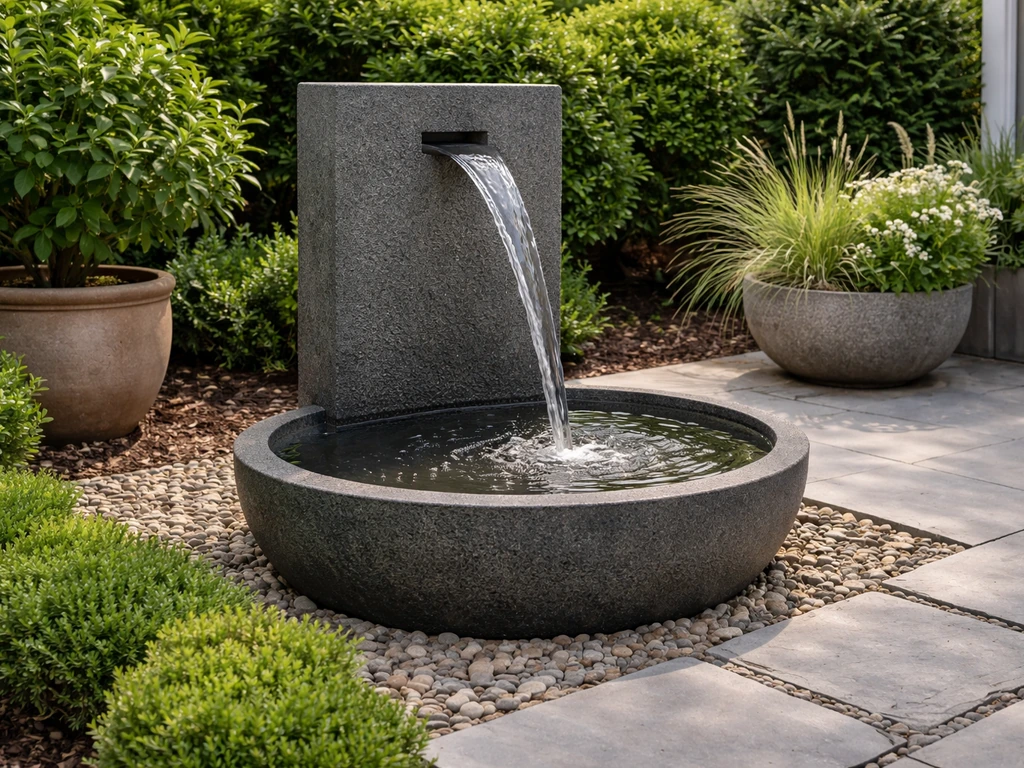
How to define 'best' for your patio size and style
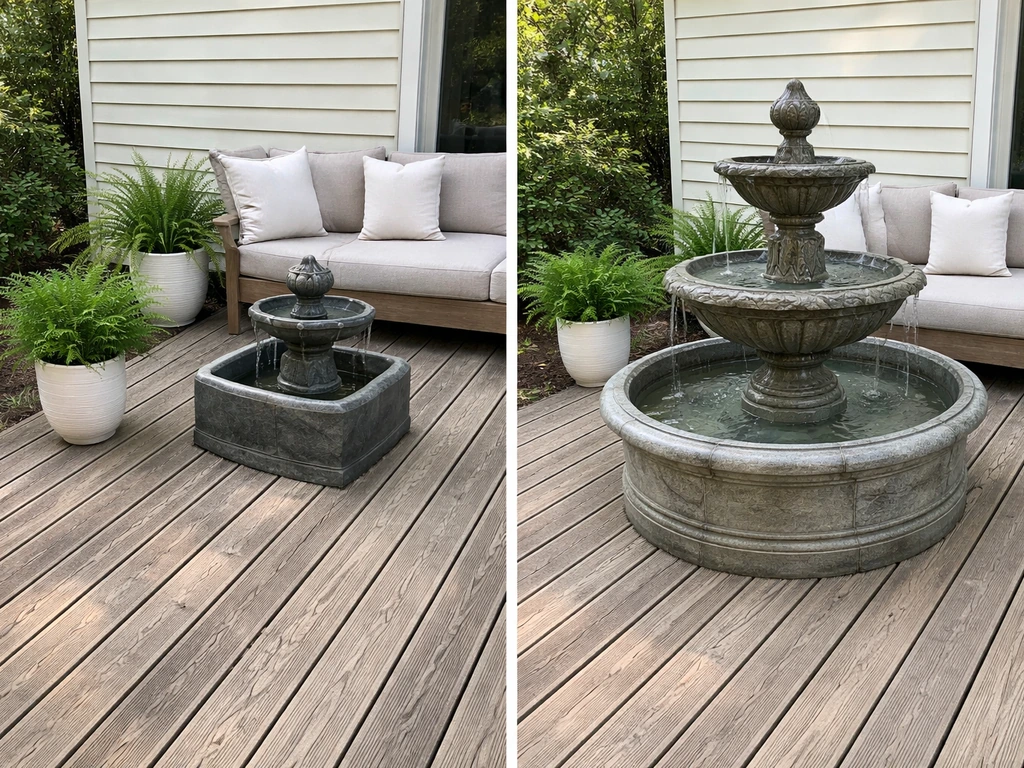
Most people shop for a fountain based on looks first and then regret it when the fountain overpowers a small deck or gets lost in a sprawling backyard patio. Scale matters more than aesthetics. A rough guide: small patios under 150 square feet do best with a compact tabletop or floor fountain under 24 inches tall; mid-size patios from 150 to 400 square feet can handle a 24 to 48 inch tiered or urn-style fountain; large open patios over 400 square feet can support a statement piece at 48 inches or taller.
Style fit matters too. A sleek concrete or resin fountain works on a modern composite-deck patio. Stacked-stone or cast-iron tiered designs complement brick and natural-stone patios. Rustic wood or aged copper finishes look right at home on a farmhouse-style covered patio. The material also affects maintenance and longevity, which is worth thinking through before you fall in love with a finish that needs constant upkeep.
Budget is part of the definition of 'best' too. Entry-level fountains in the $75 to $150 range are mostly resin, look fine for one or two seasons, and come with pumps that often need replacing. Mid-range $150 to $400 fountains typically use cast resin, fiberglass, or cast stone composites with a better submersible pump included. Premium pieces above $400, including real cast stone, ceramic, or copper, are the ones you're planning around long-term. Factor in operating costs too: a typical medium fountain pump draws around 15 watts, which costs roughly $13 to $16 per year running 8 hours a day, so electricity is not a major factor in the decision.
Choose the right patio fountain type
There are three real categories worth thinking about for a patio: plug-in recirculating electric fountains, solar-powered fountains, and bucket or self-contained reservoir styles. Each has a genuinely different use case.
Plug-in electric (recirculating)
This is the workhorse category and the right default choice for most patios. A submersible pump sits in the basin, recirculates the same water continuously, and plugs into a standard outdoor outlet. The pump is sized by flow rate (gallons per hour) and head height. For a smaller fountain around 3 to 4 feet tall, look for a pump in the 300 to 500 GPH range. Medium fountains at 5 to 7 feet need 500 to 900 GPH. Most quality fountains come with the right pump included, but if you're replacing one, match the GPH to the fountain's height and nozzle restrictions. Many pumps have a flow-adjustment dial, which lets you tune the sound and splash level without buying a different unit.
Solar-powered fountains
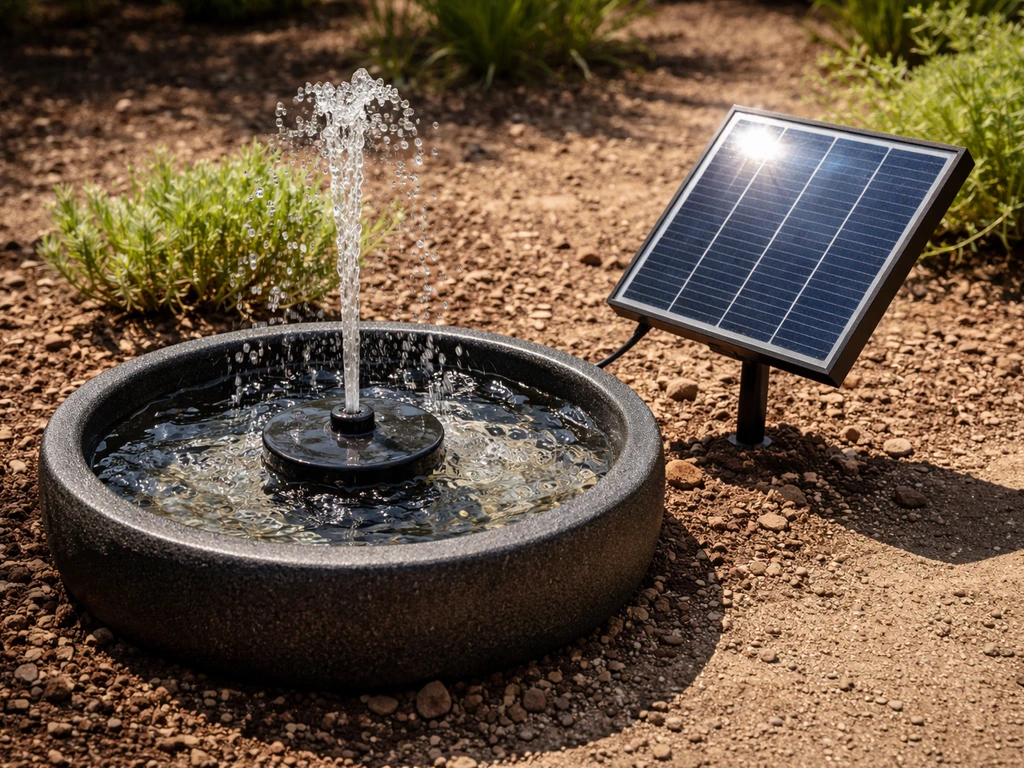
Solar fountains are the right call when you have no outdoor outlet nearby and don't want to run conduit. They work well in direct sun (at least 6 hours a day) and are genuinely low-cost to operate. The tradeoff is performance: on cloudy days or in shaded patios, the pump slows down or stops. Most solar fountains also have smaller pumps, which means less water movement and less sound. They're best suited for accent features, birdbath-style setups, or patios where you want subtle movement rather than a noticeable water sound. If sound is part of the reason you're buying a fountain, go electric.
Self-contained reservoir or 'bucket' style
These are compact, often decorative, all-in-one units where the entire water reservoir is hidden inside the base. They're easy to move, need no dedicated plumbing, and work well on covered patios or smaller spaces. The limitation is water capacity: smaller reservoirs evaporate faster, especially in heat, and need topping off more often. They also tend to have smaller pumps. For a covered or shaded patio in a mild climate, this style is a very practical, attractive option.
| Type | Best For | Power Needed | Sound Output | Maintenance Level |
|---|---|---|---|---|
| Plug-in Electric | Most patios, consistent performance | Outdoor GFCI outlet required | Low to high (adjustable) | Moderate |
| Solar | No-outlet situations, sunny patios | 6+ hours direct sun | Low to moderate | Low to moderate |
| Self-Contained/Bucket | Small or covered patios, easy moves | Outlet or solar panel | Low to moderate | Low (small reservoir) |
Placement, spacing, and getting the sound right
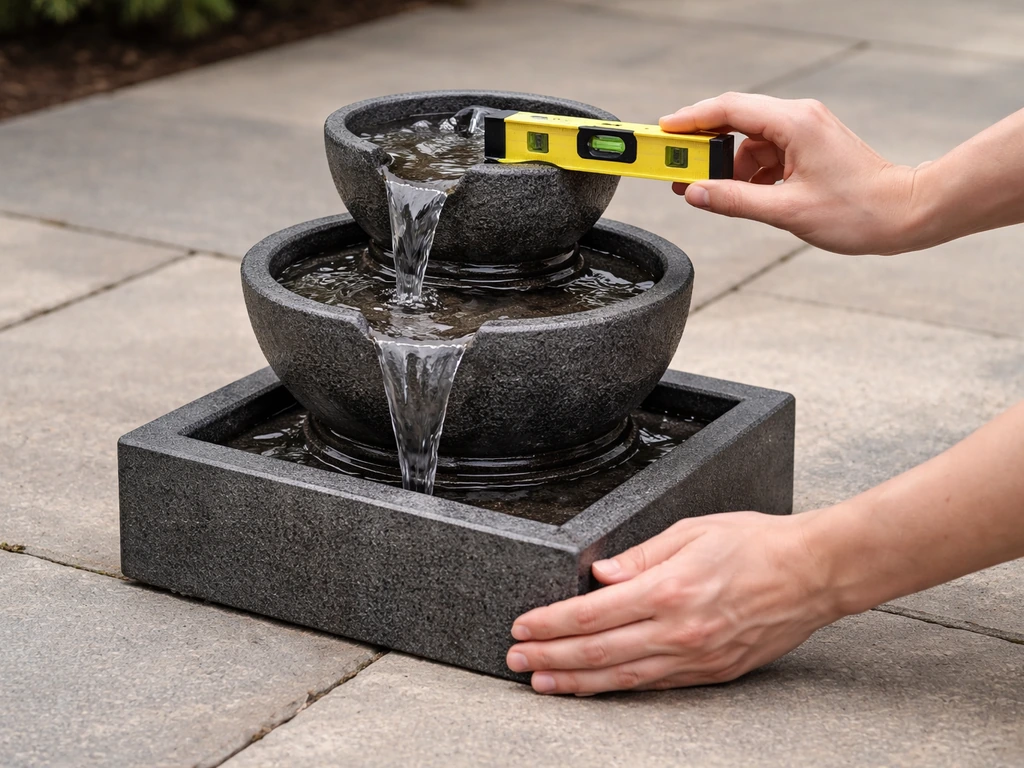
Level ground is non-negotiable. A fountain that isn't level will flow unevenly, spill water on one side, and run the pump dry faster than you'd expect. Before you set anything up, check the surface with a level and shim or re-grade as needed. On a deck, use a rubber pad under the base to prevent moisture damage to the decking boards.
For freestanding floor fountains, give yourself at least 18 to 24 inches of clearance on all sides so splash doesn't hit furniture or stain nearby surfaces. Wall-mounted fountains solve the footprint problem on smaller patios and can look stunning on a fence or exterior wall, but they do require a solid mounting surface and a basin below to catch water. If you're comparing freestanding vs. wall-mount, freestanding wins on flexibility and DIY-friendliness.
Sound is the detail most people underestimate. The sound of moving water is relaxing at low to moderate flow but can become irritating if the pump is cranked up and water is hitting a hard surface from height. A fountain dropping water into a shallow hard basin will sound sharp and splashy. One dropping into a deeper basin or over smooth stones will be softer and more ambient. If you want that classic gentle trickling sound, look for tiered fountains where water sheets down each level rather than free-falling into an open pool. If you want to hear the fountain from inside the house through a screen door, you'll want at least a mid-size fountain at 30 inches or taller with a reasonable pump behind it.
Visibility placement is worth a moment too. Put the fountain where you actually sit, not just where it fits. The focal point of a patio is usually directly in the sightline from your main seating area. A fountain tucked in a corner is out of the way but also out of mind, which defeats the purpose.
Climate and weather-proofing your fountain
Hot and dry climates (Texas, Arizona, Southern California)
In hot, dry climates, evaporation is your biggest ongoing cost and maintenance issue. A small reservoir fountain in Phoenix in July can lose an inch of water a day. You want a fountain with a larger basin, and you'll be topping it off frequently. Using distilled water or a water softener line can help in areas with heavy mineral content in tap water, since hard water deposits build up faster and are harder to clean. It's not required, but your pump and basin finish will thank you for it.
Windy and exposed patios
Wind is one of the most overlooked fountain killers. On a breezy or exposed patio, wind will redirect the water stream, increase evaporation dramatically, and blow spray onto furniture and walking surfaces. For windy conditions, keep the fountain lower and wider rather than tall and narrow. A bubbling urn or low bowl-style fountain handles wind far better than a tall tiered tower. Dialing the pump flow down to reduce the height of the water arc also helps significantly, and most quality pumps have that adjustment built in.
Freezing climates (Colorado, Minnesota, the Northeast)
If you live somewhere that gets hard freezes, this is the most important section you'll read. Even two or three freezing nights can crack a pump, split a ceramic basin, or fracture a cast-stone fountain body from the inside out. When water freezes, it expands, and there's nowhere for that expansion to go except into your fountain. Do not leave water in the fountain during freezing weather. Do not use antifreeze, rock salt, or chemical ice removers in the basin as they will damage pump components, corrode finishes, and create a hazard for birds and pets. The correct process is: drain the fountain completely, disconnect and store the pump indoors (or at minimum in a dry garage), and either store the fountain or cover it with a waterproof cover that lets it stay dry. If it's a heavy piece you can't move, at minimum drain it thoroughly and cover it.
Power, plumbing, and setup requirements
The single most important electrical requirement for any outdoor patio fountain is a GFCI-protected outlet. This is not optional. Standard indoor outlets are not safe outdoors for water features. A GFCI (ground fault circuit interrupter) outlet cuts power instantly if it detects any electrical fault near water. Fountain manufacturers and major retailers are consistent on this point: the fountain pump must be connected to a properly grounded, GFCI-protected exterior receptacle. If your patio doesn't have one, an electrician can install a weatherproof GFCI outlet for $150 to $300 depending on your panel distance. That's a worthwhile investment, not an optional upgrade.
Most residential patio fountains are genuinely plug-and-play on the electrical side: you fill the basin, submerge the pump, run the cord to the outlet, and plug in. There is no plumbing connection to your home's water supply for a recirculating fountain. The basin holds the water and the pump moves it in a closed loop. You just add water as it evaporates. Running a cord visibly across a patio is the most common setup complaint; cord covers, outdoor conduit, or routing the cord under pavers or along the base of a fence are all clean solutions.
If you're installing a wall-mounted fountain, you'll need a basin at the base that's large enough to catch all the water and feed the pump. Wall mounting also requires anchoring into a solid surface, which may mean masonry anchors into concrete or brick, or using a heavy-duty fence mount. This is usually a two-person job if the fountain is over 30 pounds, and heavier cast-stone wall fountains may warrant a contractor consult to make sure the mounting surface can handle the weight plus water load.
Maintenance: the honest picture
The number one reason people stop using their patio fountain isn't that they stop liking it. It's that they let the maintenance slide and then the pump burns out or the basin turns green and it becomes an eyesore. Staying ahead of it is actually not that much work.
Cleaning schedule
For best results, plan on a quick weekly check: top off the water level, wipe any visible mineral deposits from the basin rim, and remove any debris like leaves or dirt. A deeper cleaning every one to three months is standard practice: drain the basin, scrub it with a soft brush and diluted white vinegar, rinse the pump and its prefilter cage, and refill. The prefilter on your pump catches larger debris before it reaches the pump impeller, so clearing that screen regularly is one of the most effective things you can do to extend pump life.
Algae control
Green water is algae, and it's the most common fountain complaint. Algae thrives in sunlight, warm water, and stagnant conditions. The best prevention is to keep your pump running (moving water discourages growth), shade the fountain when possible, and clean regularly. For fountains in full sun or in warm climates, fountain-safe algaecide or copper ionizer products can help. Do not use regular pool algaecide in a fountain as concentrations are different and can damage finishes. Specialty fountain enzyme treatments and copper-based algae control products are widely available at home improvement stores and work well as a prevention strategy.
Winterization (cold climates)
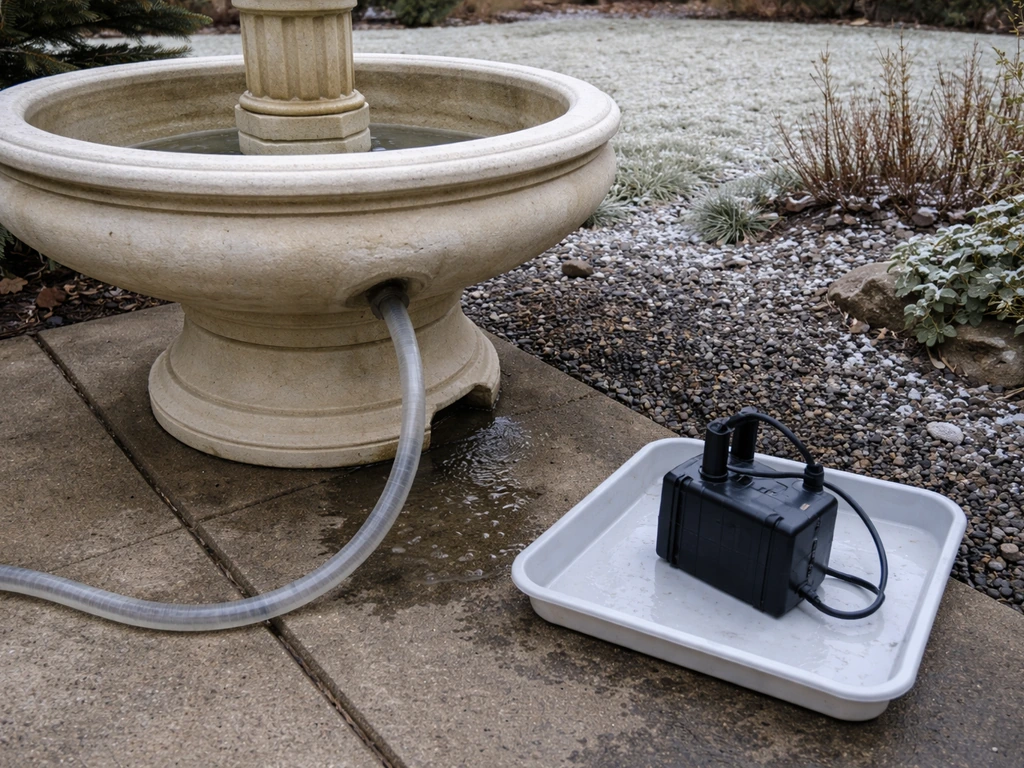
Before the first hard freeze each fall: unplug the fountain, drain all water from the basin and any internal channels, remove and rinse the pump, and store the pump indoors in a dry location. Let the fountain basin dry completely before covering or storing it. If you're leaving the fountain outside, use a breathable fountain cover (not plastic sheeting that traps moisture) and make sure the basin is dry. Come spring, inspect the basin for cracks before refilling.
Top feature checklist and what to buy next
Before you buy, run through this quick checklist to make sure you're choosing the right fountain for your actual situation, not just the one that photographs best online. Once you pick the right fountain style, the next step is choosing the best patio filler option that matches your space and maintenance needs patio fountain.
- Measure your patio footprint and confirm the fountain height is proportional (roughly 1 foot of height for every 6 to 8 feet of patio width as a starting point).
- Confirm you have a GFCI-protected outdoor outlet within reach, or plan to have one installed before ordering.
- Decide on fountain type: plug-in electric for consistent performance, solar only if you have no outlet and your patio gets 6+ hours of direct sun.
- Check your climate: if you freeze in winter, choose a fountain with a removable pump and a material (fiberglass, resin) that tolerates temperature swings better than cast stone or ceramic.
- Consider your wind exposure: high-wind patios need low-profile, wide-basin designs with adjustable pump flow.
- Look for an included pump with an adjustable flow dial, a prefilter cage, and at least a 1-year warranty.
- For hot or mineral-heavy tap water regions, budget for a fountain enzyme or copper algae treatment product.
- Decide if you want a statement piece that anchors the patio design or a secondary accent feature; this affects where it goes and how much you spend.
For most homeowners right now, a mid-size resin or cast-composite tiered or urn fountain in the $150 to $350 range with an adjustable submersible pump is the sweet spot. It looks substantial, runs reliably, handles most climates with basic seasonal care, and doesn't require any special installation. If you're building out a larger patio design and want the fountain to be a real design element alongside other water features or hardscaping, it's worth looking at how a fountain fits alongside broader outdoor water feature planning, since fountains often pair well with other edge treatments and ground-level features that finish out the look of a patio space. Choosing the right style and sizing is a big part of finding the best patio water features for your space.
If you're hiring a contractor for a patio renovation at the same time, ask them to include a GFCI outlet rough-in during the build so fountain placement is flexible later. It's a cheap add-on during construction and a real headache to retrofit. Get that outlet in the right spot before the concrete is poured or the pavers are set, and you'll have fountain flexibility wherever you want it. After you pick your fountain, plan the patio edging too, so water splash and debris are contained where the fountain sits.
FAQ
Can I run a patio fountain off an extension cord or do I need a new outlet?
Yes, but only if you use a self-contained recirculating fountain and route the cord safely. For patio safety, keep the plug and any connections at a height away from splash, use an outdoor-rated extension cord if needed (and avoid undersized cords), and never place the cord where you will trip or where standing water can pool around it.
What should I do if I cannot install a GFCI outlet right away?
You can, but the fountain will lose effectiveness and may fail. If you cannot get a GFCI-protected exterior receptacle, you should not use a regular indoor outlet, even with a power strip. The safer option is to install a weatherproof GFCI outlet or use a fountain category that does not require line power (solar).
How do I adjust the sound level of a patio fountain after I buy it?
Start with realistic placement, then choose the pump that matches that look. A fountain that seems “too quiet” often has its flow dial turned down too far, while a fountain that seems “too loud” may be using a hard, shallow basin or free-falling design. Adjust the pump flow and consider a deeper or tiered basin that produces a softer sound signature.
How much space should I leave around the fountain to prevent water damage?
Plan for condensation and splash. If your seating is close, measure the likely spray radius and keep the base far enough back that water does not land on cushions, nearby tables, or unsealed wood. For tight spaces, wall-mounted or low bowl styles usually reduce splash compared with tall, free-falling streams.
Will a fountain survive winter if I just cover it?
Not necessarily. Many “works in winter” claims are really marketing, because freezing can crack bowls, split reservoirs, or damage pumps even if the fountain is only partly filled. The practical rule is to fully drain and remove the pump before hard freezes, then inspect the basin for cracks in spring before refilling.
How often should I clean the pump prefilter if my patio has lots of leaves?
Prefilter screens are your first line of defense, and the frequency depends on your environment. If you have nearby trees, a weekly check is usually not enough, you may need to clean the pump cage more often during heavy leaf drop to prevent reduced flow or burned-out pumps.
Does using distilled water make a meaningful difference versus tap water?
Yes, it can change the maintenance load. In hard water areas, minerals build up faster on the rim and inside the basin, which can make the flow look weaker over time and increase cleaning frequency. Using distilled water for top-offs (or treating with a water softener line when appropriate) can slow deposits, but you still need regular scrubbing.
Can I use pool algaecide or other pool chemicals in a patio fountain?
It depends on what you mean by “clean.” Algae control products should be fountain-specific, not standard pool chemicals, because concentrations and chemistry differ and can harm pump components or finishes. If you see algae, clean first (remove existing growth), then prevent by maintaining movement, shade when possible, and using a fountain-rated treatment as directed.
Is a solar-powered fountain ever a good choice for audible water sound?
Not exactly. Solar fountains can be a good fit for birds-and-bath-style movement, but they usually cannot match electric fountains on consistent sound and water flow during cloudy periods or in shade. If your main goal is audible water presence from inside the house, electric recirculating is the safer expectation.
What’s the maintenance difference between an urn-style reservoir fountain and a recirculating electric fountain?
Yes, but it changes how you maintain it. With a recirculating electric fountain, you are cleaning a closed loop and a submersible pump, with higher responsibility for rinsing the pump and prefilter. Bucket or self-contained reservoirs are simpler to set up, but they evaporate and concentrate deposits faster, so topping off and basin cleaning become more frequent.