
FlexPatio is a real brand selling motorized louvered pergola kits, not a generic category of flexible patio covers. Their flagship lines are the POWER+ Gen 2 and POWER+ PRO Gen 2 Motorized Pergolas, built from 6063-T5 aluminum, rated for 165 mph wind resistance (louvers open) and 50 PSF snow load. If that matches what you were searching for, this guide breaks down exactly what owners and reviewers say about them, what the specs actually mean in real weather, and how the value stacks up against alternatives like retractable canopies, aluminum awnings, and traditional pergolas.
Flex Patio Reviews: What to Check Before You Buy

Elise Prescott
3 Jun 2026
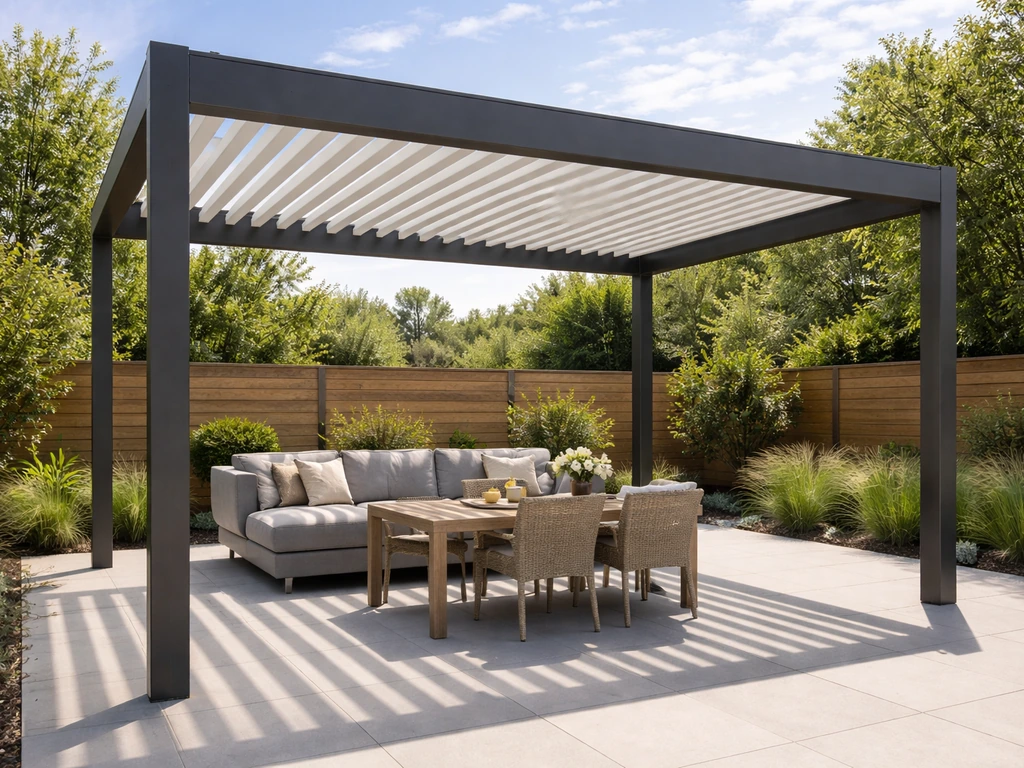
First: Figure Out What You're Actually Looking At
The phrase "flex patio" can mean a few different things depending on where you saw it. Some people use it loosely to describe any flexible or retractable shade solution. But if you've landed on FlexPatio.com, you're looking at a specific brand selling motorized pergola kits with adjustable aluminum louvers. That's a meaningful distinction because the product category (motorized louvered pergola) comes with its own installation requirements, cost range, and performance expectations that are very different from, say, a retractable fabric canopy or a basic aluminum awning.
Before you dive deep into reviews or pricing, confirm a few things about the specific product you're considering. Getting these details right upfront saves you from the most common buyer regrets.
- Exact model and SKU: POWER+ Gen 2 vs POWER+ PRO Gen 2 have different specs and price points
- Dimensions and footprint: sizes range from 10'x10' up to 13'x33' and larger configurations
- Mounting method: freestanding or wall-mounted (affects permitting, anchoring, and cost)
- Material and finish: confirm 6063-T5 aluminum and powder coating for your climate
- Warranty tier for the specific components you care about most
- Local permitting requirements: motorized pergolas often trigger permit requirements even for freestanding structures
- Whether your patio surface can accept the anchor/post footings the system requires
How to Actually Judge a Flex Patio Review
Most online reviews for motorized pergolas, including FlexPatio, cluster around five themes: build quality, materials, coverage, comfort, and weather performance. Here's what to look for in each category so you're reading reviews with a critical eye instead of just counting stars.
Build Quality and Materials
FlexPatio uses 6063-T5 aluminum across their PRO Gen 2 line, which is a solid alloy choice for outdoor structures. It's the same spec you'll see from competitors like LuxPatio, and it handles UV exposure and moisture without the rust or rot issues that plague cheaper steel or wood alternatives. The powder coating is what protects the finish long-term, so look for reviews that mention how the coating holds up after a year or two. The manual explicitly warns against high-pressure washing and bleach or ammonia-based cleaners, which is standard care advice for powder-coated aluminum but something reviewers occasionally ignore and then blame the product for finish degradation.
Coverage and Shade Performance
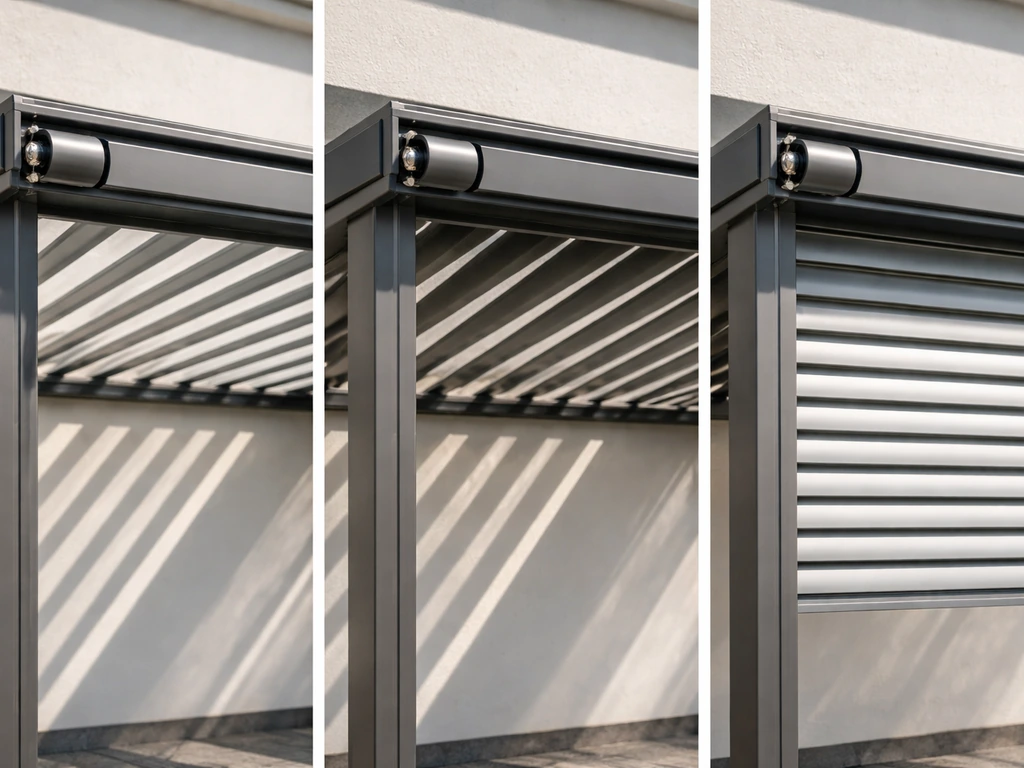
The louvered design is the core of what makes these systems interesting. You can dial in partial shade or full closure depending on sun angle and time of day, and the motorized control handles it without you getting up from your chair. Full closure gives you near-complete rain coverage when you follow the operating instructions, though FlexPatio's own FAQ acknowledges that heavy thunderstorms or flash downpours can exceed the drainage system's capacity and cause minor leakage. That's an honest disclosure, and it's something worth keeping in mind if you're in a region with intense summer storms.
Weather Performance: Wind, Rain, and Snow
The rated specs here are genuinely impressive on paper. The POWER+ PRO Gen 2 claims 165 mph wind resistance with louvers open and 80 mph with louvers closed, plus a 50 PSF snow load rating. For context, 50 PSF exceeds the snow load requirements in most residential building codes across the continental U.S. That said, these ratings depend heavily on correct installation, specifically proper anchoring into concrete and accurate leveling. Reviews that mention structural issues almost always trace back to installation shortcuts, not the material itself. The manual is explicit: louvers should be closed when rain starts and opened slowly afterward to avoid water splash from pooled residue. Skipping that step generates the water-intrusion complaints you'll see in some reviews.
Installation: What It Actually Takes
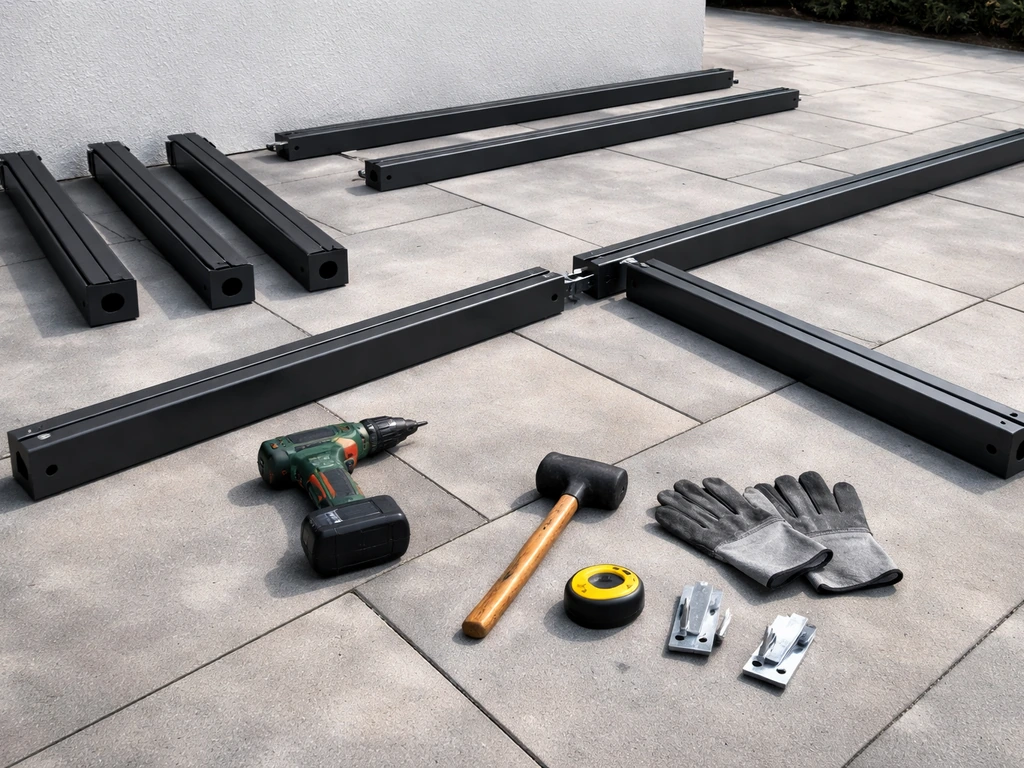
FlexPatio's marketing claims you can assemble a unit in about 2.5 hours with four adults using the snap-lock design and pre-assembled components, no contractors or special tools needed. That's technically possible for a smaller footprint like a 10'x10' on a flat, prepped concrete pad. Realistically, plan for 2 to 4 hours minimum with four people who are comfortable reading detailed instructions and comfortable on a stepladder. Tools you'll actually need include an Allen wrench set, hammer, screwdriver, a level, and a stepladder. The anchoring into concrete is the step most DIYers underestimate.
If you're going wall-mounted, adding a large footprint (anything over 13'x16'), dealing with an uneven patio surface, or running electrical for the motor and LED system, I'd strongly recommend getting a professional involved. FlexPatio does offer installation through partners like HandyBuddy, and using a pro installer is explicitly positioned as a way to keep your warranty intact since DIY mistakes that cause damage could affect your claim. Professional installation for a motorized pergola kit typically runs $1,500 to $5,000 depending on complexity and region, which is worth factoring into your total budget from the start.
Permitting: Don't Skip This Step
Motorized, freestanding pergolas often require a building permit even when a simple umbrella or fabric canopy would not. This varies significantly by municipality, but wall-mounted systems almost always require a permit because you're attaching a structure to the house. Check with your local building department before ordering. Delivery takes 1 to 2 weeks for in-stock items, so use that window to sort out permits rather than waiting until the kit arrives.
Common Installation Pitfalls
- Skipping the level check during post installation, which causes drainage problems later
- Not anchoring posts into concrete (mounting into pavers or loose aggregate voids the wind resistance ratings)
- Attempting a large configuration with fewer than four people
- Ignoring electrical planning until after assembly, which requires partial disassembly to run wiring correctly
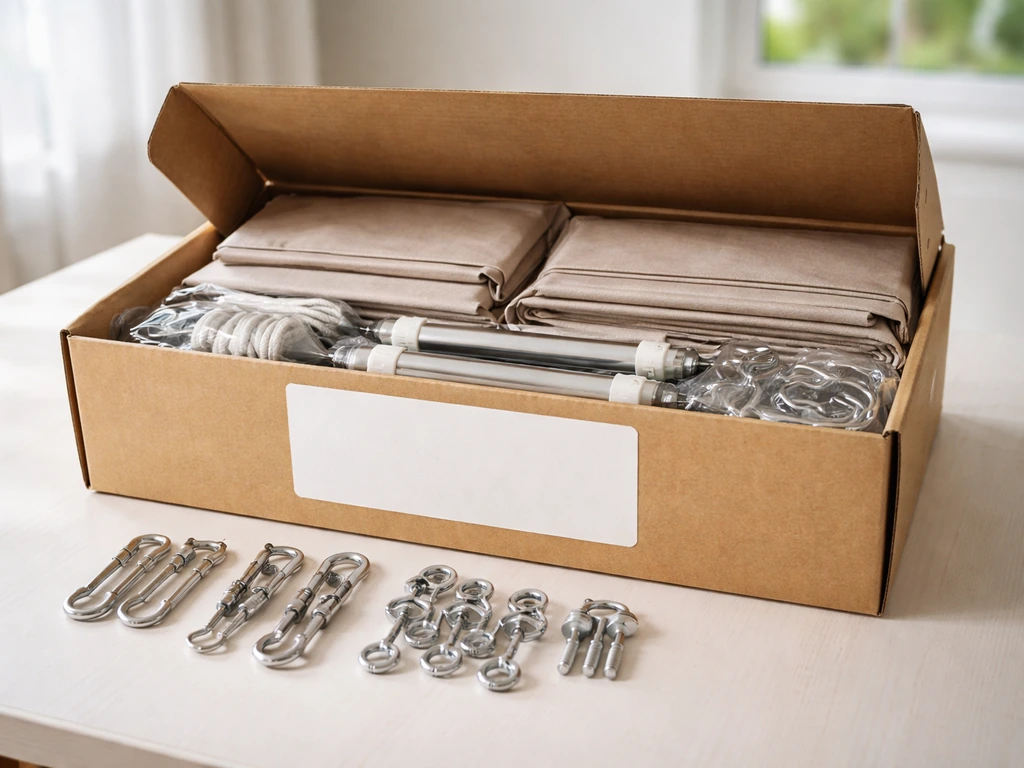
- Not inspecting the shipment within seven days of delivery, which is the reporting window for missing or damaged parts
Climate Control: Shade, Airflow, and Comfort Features
This is where the motorized louvered design really earns its price premium over fixed patio covers. You get genuine control over shade angle throughout the day, which matters a lot if your patio gets direct afternoon sun in summer (common in the Southwest and Southeast). Partially open louvers create airflow while still blocking the harshest overhead sun, which is a combination a solid patio cover simply can't offer.
FlexPatio's accessories ecosystem extends the comfort options further. The POWER+ PRO Gen 2 page lists a post fan mount bracket and compatible fan accessory, so you can add circulation without drilling into the structure in an unsupported way. The remote control system uses dedicated channels: Channel 01 for louver angle, Channel 02 for LED light color and brightness, and additional channels for electric screens. That means you're managing shade, light, and airflow from a single remote, which reviewers who get the full setup consistently call out as a genuine quality-of-life upgrade.
Misters are not a factory-integrated option, but the open post and beam design makes it straightforward to add an aftermarket misting line along the perimeter if you're in a dry-heat climate like Arizona or Nevada. In humid climates, skip the mister and focus on the fan accessory for comfort. What climate control setup makes sense for you depends a lot on your region, which is something worth thinking through before you finalize the configuration.
Design and Usability: Sizing, Layout, and Upgrades
FlexPatio's PRO Gen 2 covers a wide range of footprints, from 10'x10' up to configurations exceeding 13'x20', with freestanding or wall-mounted options. FlexPatio’s product page for the POWER+ Gen 2 Motorized Pergola confirms the model name and offers variant options, including freestanding versus wall-mounted layouts freestanding or wall-mounted options. For most 4 to 6 person outdoor dining or seating areas, a 13'x13' or 13'x16' footprint works well. If you're covering a full outdoor kitchen and dining zone together, you're probably looking at 13'x20' or larger, and at that scale, professional installation and permitting become non-negotiable.
The louver adjustability is what sets this apart from a fixed pergola or aluminum awning for design flexibility. You can match the louver angle to your home's roofline aesthetically, control the amount of natural light in the space at different times of day, and close fully during bad weather while still having an "open air" feel when conditions are good. Reviewers consistently mention this as the feature that justifies the cost premium, especially compared to fixed-shade alternatives.
For compatibility with speakers and additional lighting, the integrated power outlet concept means you're not running extension cords across the patio. LED lighting is built into the frame on the PRO models and controlled via the same remote system. If you want to add outdoor speakers, the beam structure gives you clean mounting points, and the power access makes wiring easier than it would be on a wood pergola. This is a meaningful practical advantage for anyone planning a fully furnished outdoor living space rather than just basic shade.
Warranty and Customer Support: Read This Before You Buy
FlexPatio's warranty is tiered, and knowing the tiers matters before you sign off on a purchase. The main structural frame is covered for 10 years from the date of delivery. The motor and optional side walls (privacy shutters, motorized roller shades, sliding glass doors) get 2 years. Power outlets and LED strip lights get 3 years. Warranty registration is required, and claims must be submitted in writing to [email protected]. After FlexPatio inspects the claim, they have up to 180 days to repair, replace, or refund. That 180-day window is long, so if you're dealing with a structural issue, don't expect a fast resolution.
The real-world customer support picture is mixed. Trustpilot data shows FlexPatio replies to about 80% of negative reviews, which is above average for this product category but doesn't mean the experience is smooth. At least one recent review (around mid-2026) described receiving a wrong-size product with damaged beams and packaging, followed by slow communication during the reshipment process. That's not a universal experience, but it's a real pattern in shipping-heavy, large-format product categories. The mitigation is straightforward: inspect everything within seven days of delivery, photograph any damage immediately, and report it via email with part numbers as required by the return policy. If parts are missing, report them within seven days of delivery and include the required part numbers and photos as appropriate, according to FlexPatio’s return policy inspect everything within seven days of delivery.
FlexPatio also offers a 100-day free trial, which is a genuine confidence signal for a product in this price range. Use it. If anything about the structure, drainage, or motor performance concerns you after a month of real-world use, you're still within the evaluation window.
Cost Breakdown and How It Compares to Alternatives
FlexPatio kit pricing varies significantly by size and model. Before comparing prices, it helps to understand what category of product you're actually comparing against, because motorized louvered pergolas compete in a wide cost range from budget retractable canopies all the way up to fully custom installed louvered systems that can run $40,000 to $65,000 at the high end (think professionally installed systems from regional builders in markets like San Diego). If you specifically want a superfish patio pond review, it helps to compare how that product handles outdoor durability, drainage, and day-to-day comfort. FlexPatio sits comfortably in the middle of that range as a kit-based option.
| Option | Typical Cost Range | DIY Friendly | Weather Performance | Best For |
|---|---|---|---|---|
| FlexPatio Motorized Pergola (kit) | $3,000–$10,000+ depending on size | Moderate (4 people, 2–4 hrs) | Strong: 165 mph wind, 50 PSF snow, integrated drainage | Homeowners wanting motorized control without custom build cost |
| Retractable canopy/pergola roof | $500–$1,750 installed | Yes for smaller units | Fair: fabric degrades faster, limited rain protection | Budget-conscious buyers, renters, temporary setups |
| Aluminum awning (fixed) | $1,500–$4,000 installed | No (requires pro install) | Good for rain/sun, zero adjustability | Covered walkways, simple shade over doors or windows |
| Traditional wood or vinyl pergola | $3,000–$8,000 installed | Possible for experienced DIYers | Low: no built-in weather protection without add-ons | Aesthetic priority, climbing plants, partial shade |
| Freestanding gazebo (kit) | $2,000–$6,000 installed | Yes for smaller kits | Moderate: fixed roof, limited sizing | Defined outdoor room, fixed entertainment zone |
| Custom installed louvered pergola (pro builder) | $15,000–$65,000 | No | Excellent, fully engineered | Luxury outdoor living, commercial applications |
For most homeowners who want a semi-permanent, weather-capable outdoor structure with adjustable shade and integrated lighting, the FlexPatio kit range offers genuinely competitive value. The closest direct comparisons are other motorized louvered pergola kits from brands like LuxPatio or Pergolux, which use similar materials (6063-T5 aluminum, hidden gutter drainage) at similar price points. The differentiation there comes down to specific size availability, warranty terms, and the quality of customer support when something goes wrong. If you're comparing FlexPatio against Evergreen Patio or other branded patio cover systems, the product categories may differ enough that a direct price comparison isn't useful without confirming you're looking at equivalent structure types. If you are also considering other patio-cover brands, use the same checklist and comparison points discussed here to judge whether a specific brand like is grand patio a good brand for your setup. If you are also weighing evergreen patio reviews, focus on themes like build quality, shade performance, and weather durability to compare outcomes fairly.
Your Buyer Checklist Before You Order or Sign Anything
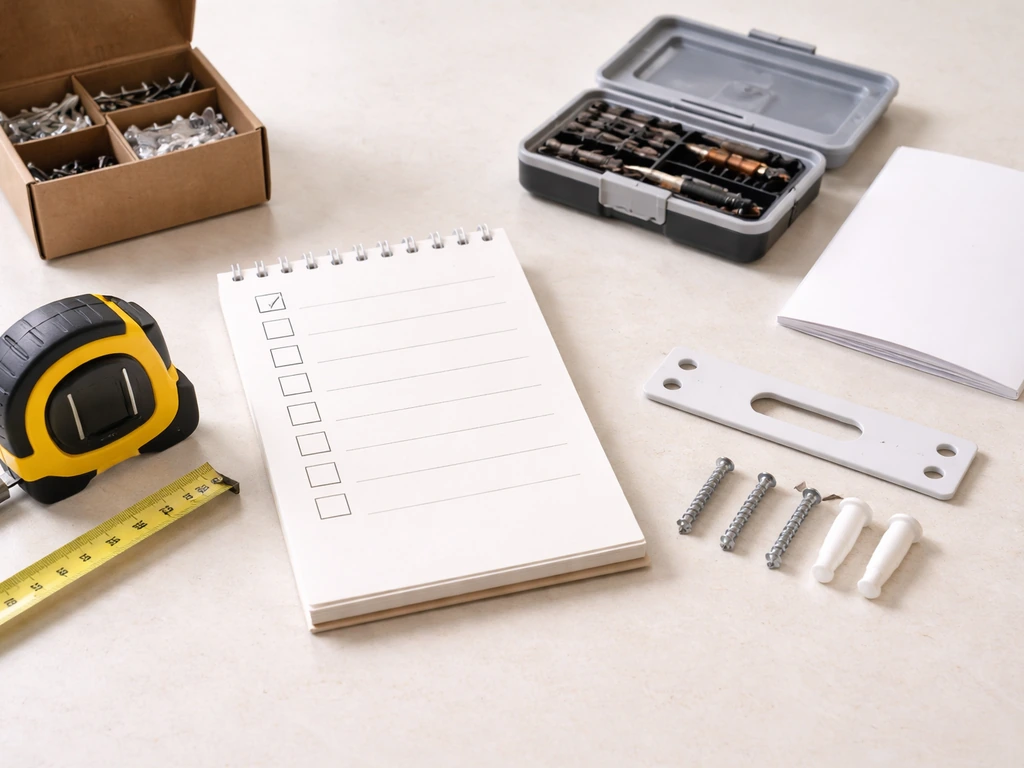
Go through this list before you commit. It covers the questions that most commonly come up after the purchase, which is the worst time to be figuring them out.
- Confirm the exact model (POWER+ Gen 2 vs PRO Gen 2) and verify the size configuration fits your patio with at least 18 inches of clearance on each side for access and aesthetics
- Check your local building department for permit requirements before ordering, not after delivery
- Measure your patio surface and confirm you have or can pour a concrete pad suitable for post anchoring
- Decide freestanding vs wall-mounted before ordering since wall-mounted requires a structural wall attachment assessment
- Get a second person to review the warranty tiers and register the product within the required window from delivery date
- Plan your electrical access point before assembly: adding power after the fact requires partial teardown
- If adding a pro installer, get the quote before ordering so total project cost is clear
- Identify your climate needs: dry heat (prioritize fan bracket, consider mister add-on), humid (prioritize fan, skip mister), heavy snow region (confirm PRO Gen 2 with 50 PSF snow rating)
- Inspect the full delivery within seven days and photograph anything damaged or missing immediately, then email support with photos and part numbers
- Set a calendar reminder for the 100-day trial window so you evaluate the structure through at least one significant rain event before that period closes
If you're still comparing FlexPatio against other brands in this category, the most useful next step is getting quotes from at least two sources: the FlexPatio site directly and a local outdoor structure installer who works with multiple brands. That conversation will surface local permitting realities, anchoring requirements for your specific soil and surface conditions, and whether a kit-based product or a custom-built system makes more sense for your situation. The reviews tell you what's possible, but your patio's specific conditions tell you what's right.
FAQ
Can FlexPatio handle rain, and why do some owners report leaks even with the specs listed?
Yes, but only if you treat rain operation as part of the “setup.” Close the louvers when rainfall starts, then open slowly after precipitation ends, so pooled water and residue do not splash into seams. If you live in areas with frequent flash downpours, verify that your install includes the recommended drainage path for your exact footprint and mounting style (wall-mounted versus freestanding).
What documentation should I keep to protect my FlexPatio warranty if something goes wrong?
Warranty coverage can be affected by installation choices because DIY errors are commonly excluded when they cause damage. Even if you follow instructions, keep documentation: your order details, the date of delivery, photos of anchoring, leveling checks, and any wiring steps for the motor and LED system. If you use a partner installer, save the work order or invoice as proof of installation method.
What’s the best way to handle a “wrong-size” or damaged FlexPatio delivery so the replacement process goes faster?
Shipping damage is a known risk with large-format kits, so the first step after delivery is a full inventory plus damage check. Open the boxes immediately, verify part numbers and hardware, and photograph every issue (damaged beams, missing pieces, bent fasteners). Report it within the trial and return/claims window and include photos, quantities, and the specific part numbers requested by support.
Do the wind speed ratings apply to my patio if my surface is not a perfectly level concrete pad?
The 165 mph and 80 mph numbers depend on the louver position and, critically, on correct anchoring and leveling. If the base is not solid (especially on uneven slabs or non-concrete surfaces), wind performance in reviews can look “worse” than the rating. Before ordering, confirm your anchoring method matches your patio surface type and that installers can meet the required anchor pattern.
Why does installation sometimes take longer than the “2.5 hours” claim, and how can I estimate time for my situation?
Expect more time than the marketing estimate if your area needs electrical work, if the patio footprint is large, or if you are wall-mounting. A practical approach is to plan 2 to 4 hours for a standard 10'x10' on flat concrete with a prepared kit, then add time for permitting coordination, tool setup, cable routing, and anchoring verification. If you are not comfortable on a ladder, budget for a pro or a second skilled helper.
Can I add misters to a FlexPatio, and is it smarter to do that in humid climates?
If you want misters, plan around aftermarket plumbing, because factory-integrated misters are not listed as a standard option. For humid climates, focus on fan circulation or ventilation accessories instead of increasing water sources that may leave residue or add maintenance. Also check your local outdoor water rules, since misting setups can be regulated depending on region.
How should I test the remote channels (louvers, LEDs, screens) after installation to avoid later confusion?
LED control and any integrated electronics generally work best when the remote channels are set up correctly for your configuration. If you add optional accessories like screens or change the accessory mix, test each channel one at a time at first power-on so you can confirm which channel controls louvers versus LED color/brightness. This avoids “it doesn’t work” troubleshooting after everything is mounted.
If I want to upgrade with a fan, speakers, or extra lighting, what should I confirm before purchasing accessories?
Yes, some accessories can be added to enhance comfort, but the bracket and power options must be matched to the correct accessory list. For example, the fan accessory is designed for compatible mounting, and the design intent is to avoid drilling into unsupported areas. Before buying an add-on, confirm it is listed as compatible with your exact Gen 2 model and footprint size.
What’s the fastest way to avoid permit surprises before my FlexPatio arrives?
Permits vary by municipality, and motorized freestanding or wall-mounted structures can trigger permitting even when simpler awnings do not. The safest path is to contact your local building department before delivery so you can resolve permitting delays without holding up the project. Wall-mounted systems are especially likely to require review because they involve attachment to the home.
How can I use the 100-day free trial to verify comfort and weather performance realistically?
Use the trial as a practical testing window, not just a “sleep on it” period. During the first month, test full open and full closed positions in the rain if possible, confirm drainage behavior, and observe motor smoothness through multiple daily cycles. If you notice recurring water-intrusion patterns, wiring faults, or control lag, address it immediately while you are still inside the trial window.