
For most patios, a high-pressure misting system running at 1000 PSI with fine-mist nozzles spaced around 24 inches apart is the best overall setup. It can drop the perceived temperature by 20 to 35 degrees Fahrenheit (around 12°C) when conditions are right, the mist evaporates before it hits you or your furniture, and it works even in moderate humidity. If you want a straight recommendation: go high-pressure for serious cooling, mid-pressure for a budget-conscious middle ground on a smaller patio, and low-pressure only if you're in a very dry climate and are happy with occasional dampness. The details below will help you nail down exactly which system fits your specific situation.
Best Misting Systems for Patio: Top Picks and Buying Guide

Elise Prescott
1 May 2026
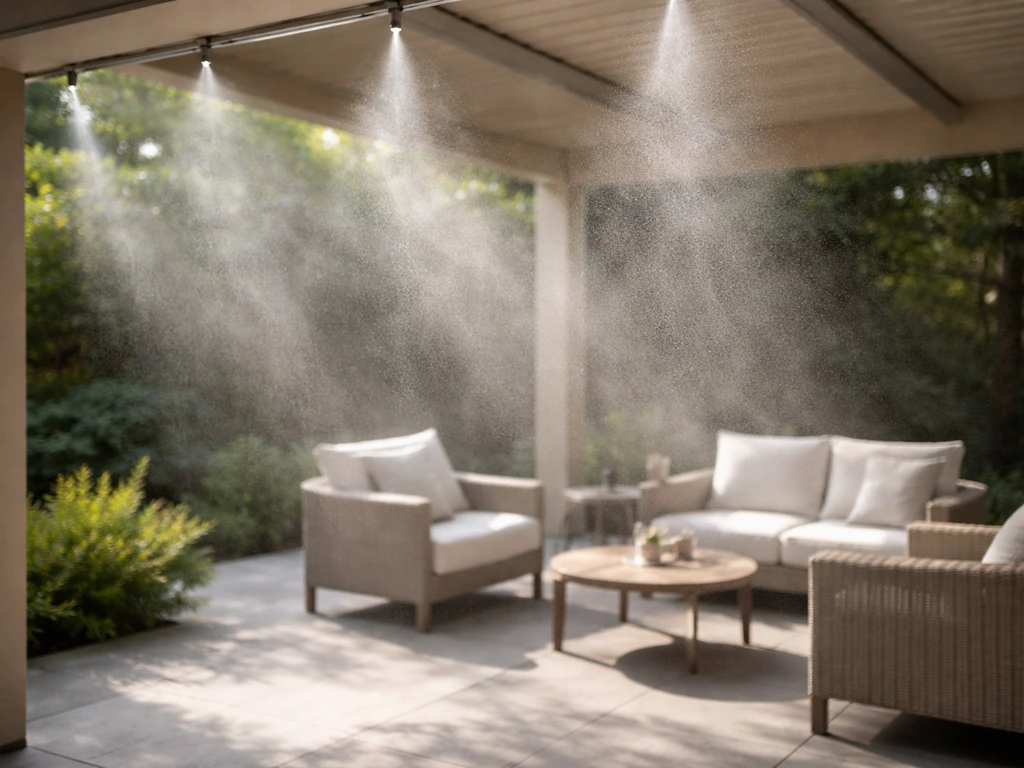
Top Picks by Scenario
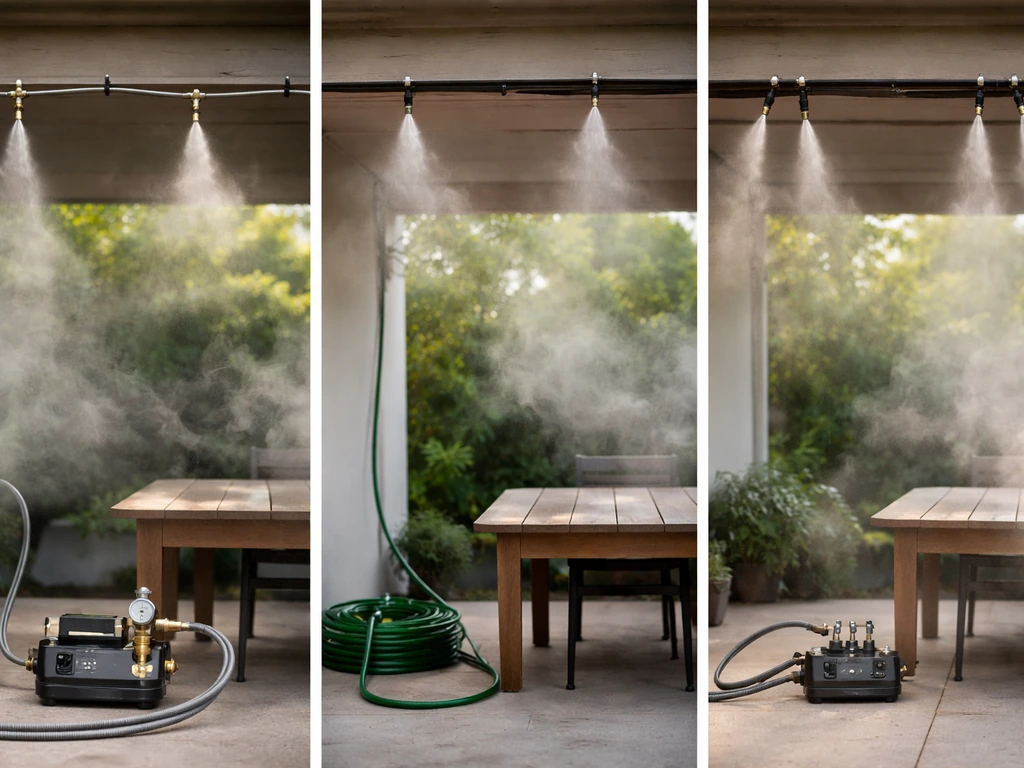
| Scenario | Best System Type | Pressure Range | Why It Works |
|---|---|---|---|
| Best overall | High-pressure pump kit (1000 PSI) | 1000 PSI / 70 bar | Flash-evaporating droplets, no wet furniture, works even above 60% humidity |
| Best for small patio (DIY) | Low-pressure garden hose kit | 40–100 PSI (city water) | No pump needed, quick install, suits dry climates and occasional use |
| Best for mid-size patio on a budget | Mid-pressure kit (300–600 PSI) | 250–600 PSI | Better cooling than hose kits, more affordable than 1000 PSI pumps |
| Best for large coverage (20+ nozzles) | High-pressure pump kit with manifold/zone layout | 1000 PSI | Handles long runs (40–72 ft+), even pressure distribution across all nozzles |
| Best for Australia conditions | OZmist or MISTECH 1000 PSI high-pressure system | 1000 PSI / 70 bar | Locally designed, sourced, and supported; handles Australian water quality and heat |
| Best for humid climates | High-pressure system with ultra-fine (8–10 micron) nozzles | 1000 PSI | Smallest droplets evaporate fastest, maximising perceived cooling in sticky conditions |
How Patio Misting Actually Works (and What to Expect)
A misting system forces water through very small nozzles at high speed, breaking it into tiny droplets. When those droplets hit warm air, they absorb heat as they evaporate, pulling the surrounding temperature down. That's the same physics as sweating: evaporation cools the surface. The key variable is droplet size. High-pressure systems running at 1000 PSI produce droplets as small as 8 to 10 microns, which is close to true fog. Those droplets stay airborne, evaporate almost instantly, and leave no puddles. Mid-pressure systems produce droplets in the 20 to 50 micron range, which are heavier and may leave light moisture on nearby surfaces. Low-pressure garden-hose setups can produce droplets of 100 to 200 microns, which are too heavy to fully suspend in air and can drip onto furniture if you're not careful.
How much cooling you'll actually feel depends heavily on humidity. In dry conditions (40–60% relative humidity), a quality high-pressure system can lower perceived temperature by 20 to 35 degrees Fahrenheit. Even in very high humidity above 90% RH, you'll notice a meaningful drop in how hot the air feels, though the raw numbers are less dramatic. The air simply can't absorb as much moisture when it's already saturated, so the evaporation rate slows. Cloudburst's research backs this up: even in extreme humidity, ultra-fine mist creates a noticeable perceived cooling effect. The practical upshot is that high-pressure systems work well almost everywhere, while low-pressure kits are really only worth it in arid or semi-arid regions.
One thing to set realistic expectations about: a misting system cools the air directly around you, not the entire neighbourhood. Do patio misters work in your specific conditions by focusing on pressure class and humidity misting system cools the air directly around you. Effective coverage depends on nozzle placement, airflow on your patio, and whether your space is open or partially enclosed. An enclosed pergola or patio cover helps trap the cooled air, making the system noticeably more effective. An open-sky deck with a constant breeze will dissipate the mist faster, requiring more nozzles or a higher-pressure setup to compensate.
Choosing the Right System for Your Patio
Patio Size and Nozzle Layout
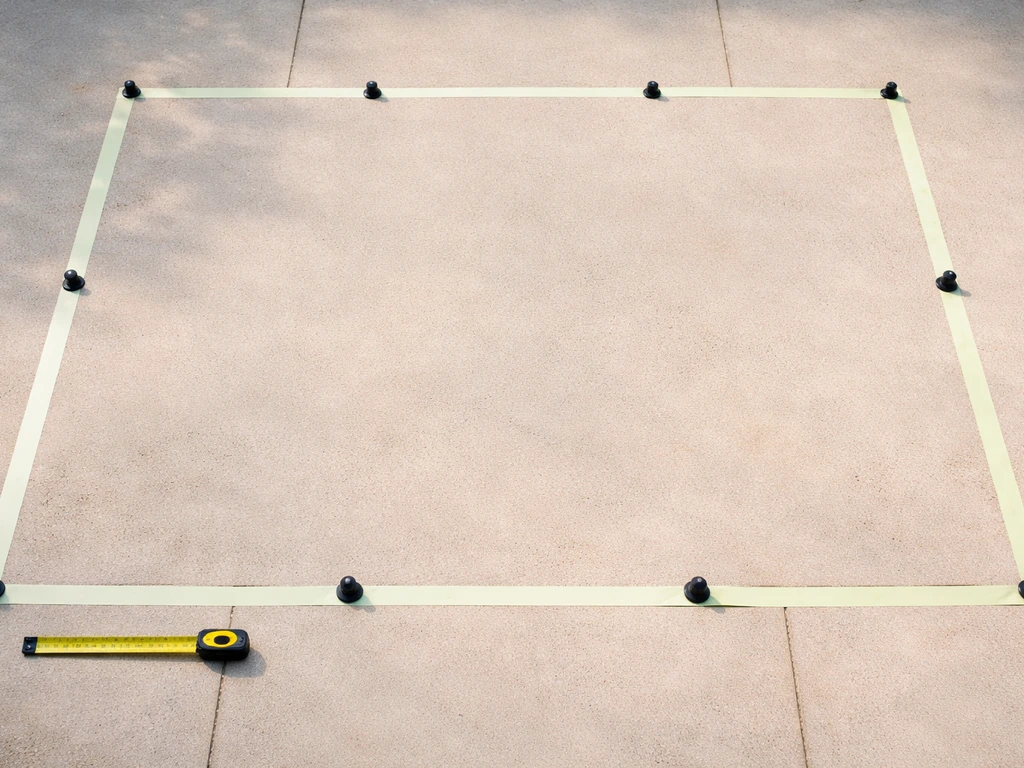
The single biggest planning step is measuring your patio's perimeter. Most high-pressure systems mount nozzles along the roofline or structure edge at roughly 24-inch spacing. Mid-pressure setups typically use 36-inch spacing. A 40-foot perimeter with 24-inch spacing needs around 20 nozzles, which is a very common kit configuration (FOGCO's catalogue, for example, lists a 40-foot nylon kit with exactly 20 nozzles as a standard residential option). A larger 72-foot perimeter patio would need a comparable 20-nozzle kit at wider spacing or a more nozzle-dense setup at tighter spacing for better coverage.
For zone layouts on larger patios, a manifold system lets you split the run into separate zones so you can run the dining area independently from the lounge area. This is worth doing if your patio is over 600 square feet or has an unusual L-shape or multiple sub-spaces. Ask any contractor about zone control, or look for kits that include a solenoid valve manifold if you're going DIY.
Water Pressure and Flow Requirements
Low-pressure kits connect directly to your outdoor hose tap and need standard city water pressure of 40 to 100 PSI. No pump required, which keeps the cost and complexity low. Prices for patio misters vary by pressure class, number of nozzles, and whether you buy a DIY kit or hire a professional install. High-pressure systems include a dedicated electric pump that blank" rel="noopener noreferrer">boosts pressure to 1000 PSI, and they need a standard 240V power outlet near the installation point. High-pressure pumps come in different flow ratings, typically 0.15 to 2 GPM depending on the model. Each nozzle on a high-pressure system uses roughly 0.006 to 0.012 GPM, so a 20-nozzle system at full flow is using well under 0.5 GPM total. Water consumption is genuinely modest. A mid-range pump at 0.5 GPM running for two hours uses roughly 60 gallons, comparable to a short garden watering session.
Nozzle Types and Materials
Brass nozzles are the most durable option and are standard on most quality kits. Stainless steel nozzles resist corrosion better in areas with aggressive water chemistry. Plastic nozzles show up on budget kits and low-pressure systems; they're fine for occasional use but don't hold up as well over multiple seasons. For orifice size, a smaller orifice produces finer droplets but requires higher pressure to maintain flow. Match your nozzle orifice to your pump's pressure rating or you'll end up with either dripping (too big) or insufficient flow (too small).
DIY vs Professional Install: What's Involved
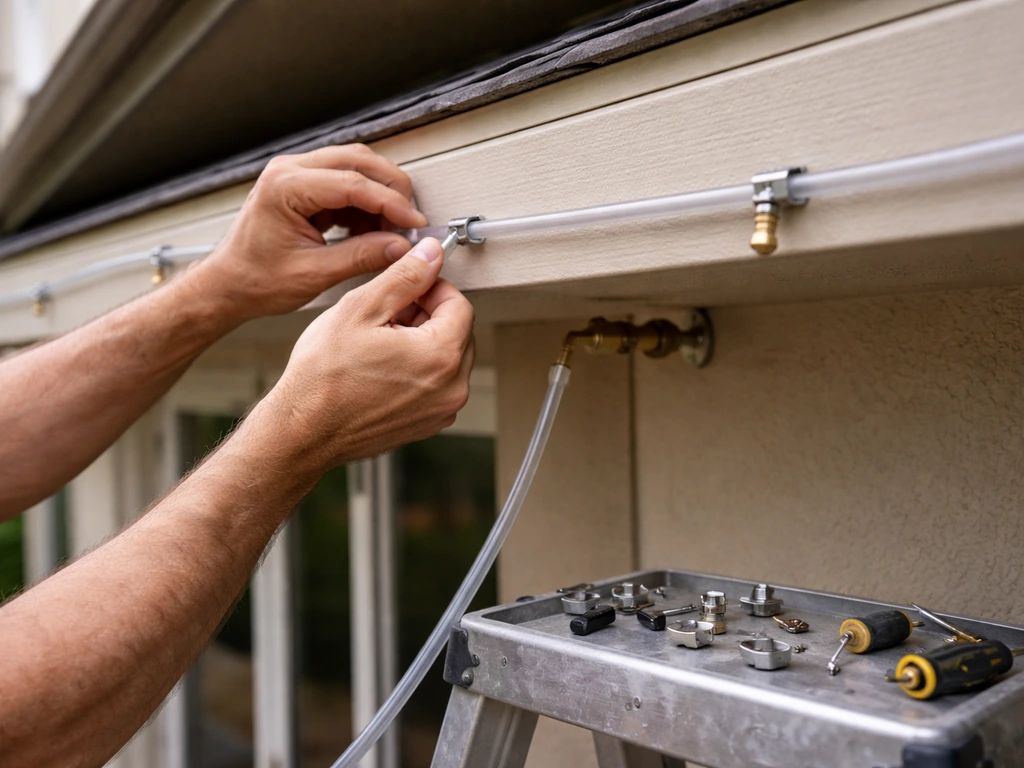
Most low-pressure and mid-pressure misting kits are genuinely DIY-friendly. You're essentially attaching a line to your hose bib, running flexible tubing along your patio structure, and clicking nozzles into place. A 40-foot kit takes most homeowners about 90 minutes to install. High-pressure pump systems add a layer of complexity because you need to mount the pump unit, run a dedicated water supply line, connect to a power outlet, and properly route and secure the high-pressure tubing. This is still DIY-doable for a confident handyperson, but if you're not comfortable with basic plumbing connections or don't have a conveniently located outdoor power point, having a plumber handle the water connection and an electrician handle the outlet is the right call.
Before you buy anything, measure and note these things: the total linear footage of your patio perimeter where you want misting coverage, the location and distance to your nearest outdoor tap and its water pressure (a cheap pressure gauge from a hardware store tells you this in 30 seconds), the location of the nearest outdoor power outlet for pump-based systems, whether your patio has a solid overhead structure like a pergola beam or shade sail wire to mount the misting line on, and whether your water is hard (high mineral content) since this affects how often you'll need to clean nozzles and replace filters.
If you're hiring a contractor, those same measurements are what they'll ask for when quoting. A professional install of a high-pressure system on a medium-size patio typically takes half a day and includes pressure testing, mounting, and a run-through of the controls with you. It's worth asking whether they offer seasonal maintenance contracts if you live somewhere with a cold winter, since winterising the pump and lines is a task many homeowners skip and then regret.
Best Misting Systems for Australian Conditions
Australia's outdoor living culture is a perfect match for high-pressure misting, and the good news is that two strong local brands make it easy to buy and support a quality system without dealing with international shipping or warranty headaches. OZmist and MISTECH Cooling Systems both manufacture or source 1000 PSI high-pressure systems designed specifically for Australian conditions, including local water quality and the extreme heat common in Queensland, Western Australia, South Australia, and the Northern Territory. OZmist's systems operate at 1000 PSI (70 bar) and produce ultra-fine mist that the company says evaporates on release with no drips or wet areas. MISTECH's high-pressure systems produce droplets as small as 8 to 10 microns, which puts them in the same category as the best international systems.
MistaFog is another Australian option worth looking at, particularly for comparing mid-pressure against high-pressure performance. Their published data is useful: they note that systems running below 250 PSI produce droplets in the 100 to 200 micron range, which is significantly heavier and more prone to wetting outdoor surfaces. This is a fair warning for anyone tempted by a cheap mid-pressure kit in a coastal or subtropical climate where humidity is already high and you don't want damp cushions.
For Australian buyers, Australian mains water pressure is typically 40 to 80 PSI, which is enough for low-pressure kits but requires a pump for high-pressure systems. Most major cities have hard to moderate water, so scaling protection in your filtration is important. Cloudburst's two-stage filter approach, which combines a 5-micron sediment filter with a calcium-inhibiting phosphate stage, is a smart model to look for or replicate if you're in an area with hard water. Local suppliers like OZmist and MISTECH also offer installation services and replacement parts without the delays of overseas ordering, which matters when your cooling system fails mid-January.
Keeping Your System Running: Maintenance, Troubleshooting, and Seasonal Care
Filter Replacement
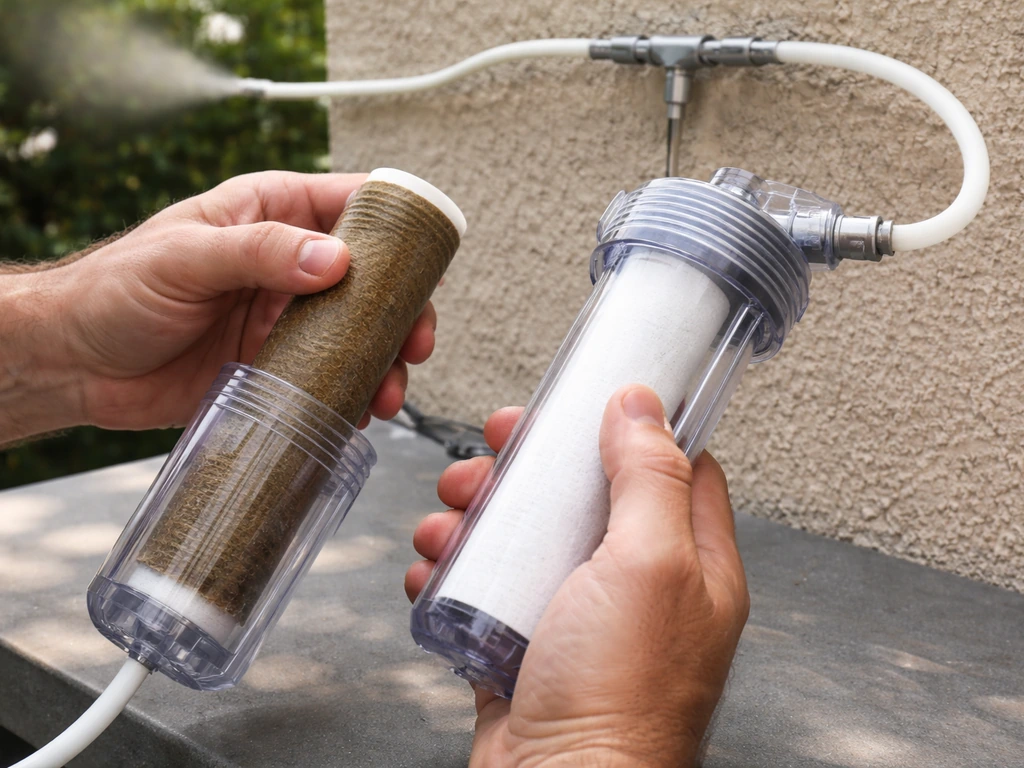
Filtration is not optional. Every misting system, regardless of pressure, needs a water filter upstream of the nozzles. A misting filter is necessary for any misting system because even trace minerals and sediment clog the tiny nozzle orifices quickly. Most systems use a 5-micron sediment filter as the primary stage. In a r/WaterTreatment discussion, commenters reported a 5-micron filter clogging within days, with troubleshooting focused on sediment and filter loading blank" rel="noopener noreferrer">Most systems use a 5-micron sediment filter as the primary stage.. For high-mineral water, a phosphate cartridge (sometimes called a scale or Ecosmart filter) adds a second layer of protection. Filter replacement cadence varies by brand and water quality: MistCooling recommends replacing their filter every 3 to 6 months, while blank" rel="noopener noreferrer">MistAmerica suggests once per year as a minimum for their inline sediment filter. If your water is noticeably hard or your flow starts dropping, change the filter earlier rather than later.
Nozzle Cleaning and Clog Prevention
Clogged nozzles are the most common service issue with misting systems. The fix is straightforward: remove the nozzle, soak it in white vinegar for 30 minutes to dissolve mineral deposits, and rinse it clean. A soft brush or a nozzle cleaning pin (most kits include one) clears the orifice. FOGCO's installation instructions actually recommend flushing the entire nozzle ring before inserting nozzles during the initial setup, and that same logic applies for seasonal re-commissioning. If you had a hard-water summer and skipped the filter replacement, expect to clean nozzles at the start of the next season.
Winterising and Seasonal Storage
If you're in a region where temperatures drop below freezing (most of the US Mountain West, parts of inland Australia, and large parts of Europe and Canada), you need to winterise your system before the cold hits. This means shutting off the water supply, draining all water from the lines and pump, and storing the pump indoors if possible. Water left in the lines will freeze and crack the tubing or damage the pump head. For pump-based systems, consult the manual's drain steps, which typically involve a dedicated drain valve or blowing out the lines with compressed air. Advanced Misting Systems' manuals include explicit drain and maintenance steps for this exact reason.
Avoiding Oversaturation and Protecting Furniture
If your mist is visibly wetting cushions, furniture, or walls, something is off. The most common culprits are nozzles that are too large for the pump pressure (producing heavy droplets), nozzles aimed directly at surfaces rather than downward into open air, or low-pressure kits being used in high-humidity conditions where evaporation is slow. Switching to finer nozzles, adjusting nozzle angles, or upgrading to a higher-pressure pump resolves most of these issues. High-pressure systems with properly sized nozzles should leave no noticeable moisture on furniture within a normal seating distance from the mist line. Always use potable cold water only as your supply, both for safety and to prevent biological growth in the lines.
Your Next Steps
If you're ready to pull the trigger, here's a practical sequence. Measure your patio perimeter and identify your water tap location and nearest outdoor power point. Decide on pressure class: low-pressure if you're in a dry climate and want a budget-friendly occasional-use setup, high-pressure if you want real performance and plan to use it daily through summer. For Australian buyers, contact OZmist or MISTECH directly for a quote; both offer consultation and local support. For more specific guidance on retailers and options, see where to buy patio misters near you. For US and international buyers, MistCooling, FOGCO, MistAmerica, and Advanced Misting Systems all produce reputable high-pressure kits with good documentation. Buy a pressure gauge from your hardware store before ordering so you know your incoming water pressure. Pick up an extra filter cartridge at the same time so you have it ready for mid-season. If the install feels like too much, any licensed plumber can handle the water connection and most electricians can add an outdoor outlet, so you only need to handle the misting line itself. A properly installed high-pressure misting system, maintained with annual filter changes and seasonal nozzle cleaning, should give you five-plus years of reliable hot-weather cooling.
FAQ
Will the misting system cool the whole patio, or only the area around people?
Not necessarily. If your patio has a constant breeze or you’re under a fully open-sky area, you may need more nozzle runs (denser spacing or an additional line) to get the same comfort zone. A quick test is to run a short section at full pressure and observe where the mist visibly evaporates, if it lingers or drifts past seating, plan for extra nozzles or reposition the line closer to where people sit.
Can I use any type of water supply for my patio misting system?
Most systems should be run with potable cold water only. Using hot water or non-potable sources increases scale formation, can raise the risk of growth in stagnant sections, and may void warranty coverage depending on the manufacturer. If you have well water or elevated sediment, prioritize the correct filter stages and replace them on schedule.
Is a filter truly mandatory, or can I skip it if my water seems clean?
Filtration requirements depend on your water quality, but a filter is still essential. Even if your water looks clear, fine nozzles clog from dissolved minerals and micro-sediment. If you have hard water, choose a system that supports an additional scale-inhibiting stage (for example, a phosphate cartridge) and expect to shorten filter replacement intervals compared to areas with softer water.
Can I replace nozzles with parts from a different brand?
Because nozzle orifice size and pressure are linked, “mixing” brands or swapping nozzles without matching the pump can cause either heavy droplets (wetting) or weak output (poor cooling). If you want replacements, use the exact nozzle spec recommended for your pressure class and nozzle spacing, or confirm compatibility with the kit’s manufacturer before ordering.
How do I know if my misting system is set up incorrectly?
Signs of incorrect setup include visible wetting on cushions or walls, mist that doesn’t evaporate within a short distance of the nozzle line, inconsistent coverage with dry and wet hotspots, or a noticeable drop in pressure and flow over time. Start troubleshooting by checking filter condition, verifying nozzle angle toward open air (not surfaces), confirming nozzle spacing, and ensuring your system pressure matches the nozzle spec.
What’s the most common cause of misting that leaves wet cushions or patio stains?
If water is pooling on furniture, first inspect nozzle size and aiming, then rule out using a low-pressure kit in humid conditions. Also confirm you installed nozzles at the intended spacing and elevation relative to the seating area. Upgrading to an appropriate pressure class or switching to finer droplets usually fixes the problem, but the fastest immediate win is correcting nozzle orientation and cleaning clogged nozzles.
Can I install a misting system under a pergola or shade sail, and will it perform the same?
Yes, but it’s not always automatic. Many systems work best when the mist line is on a structure that shields it from wind and helps trap the cooled air, such as a pergola or cover. For open-sky patios, plan for more coverage (more nozzles or tighter spacing) and consider that the “cooling zone” will shift with wind direction during the day.
Do I really need zone control for a larger patio?
Zone control helps most on larger patios or irregular layouts, but it’s not required. If your patio is over roughly 600 square feet, has distinct lounge and dining areas, or people use only part of the space at a time, zone valves can reduce unnecessary run time and water usage. If you mostly use the entire area together, a single loop without zoning may be enough.
What happens if my outdoor water pressure varies during the day?
Low-pressure kits depend on incoming hose-bib pressure staying in the target range. If your water pressure fluctuates due to irrigation cycles, long hose runs, or municipal changes, you can get weak mist output at the far end. Measure with a gauge at the outdoor tap, and if pressure drops, consider relocating the line closer to the tap or moving to a pump-based system.
How often should I clean nozzles and replace filters?
Routine nozzle cleaning is usually a seasonal task, but filter health is the real driver. If you change filters on time and keep the system flushed before re-starting, clogged nozzles become less frequent. In hard-water areas, expect shorter intervals and monitor for early symptoms like uneven misting or reduced flow from individual nozzles.
What’s the correct winterization process if I live in a freezing climate?
Yes, in many regions you must winterize. The safest approach is to shut off the supply, drain the lines and pump, and store the pump indoors if the manual indicates it. Leaving water in the system can crack tubing and damage the pump head, and “partial draining” often leads to failures after a single freeze night.
Do I need special electrical or plumbing work for a high-pressure system?
You can improve safety and performance by keeping a few practical checks: use a dedicated outdoor-rated power outlet for pump systems, avoid running electrical components through puddle-prone areas, and confirm the system’s flow and pressure match the nozzle specs. If you don’t have an outdoor outlet near the installation point, having an electrician install a protected GFCI outlet beforehand reduces downtime and installation errors.